A Digital Eye on Gas Safety: Neural Networks Learn to See the Invisible
Technology developed by Tyumen researchers promises to take gas pipeline monitoring to a new level, replacing periodic field inspections with continuous intelligent monitoring. The next challenge for this “digital vision” is making the leap from laboratory testing to real-world deployment.
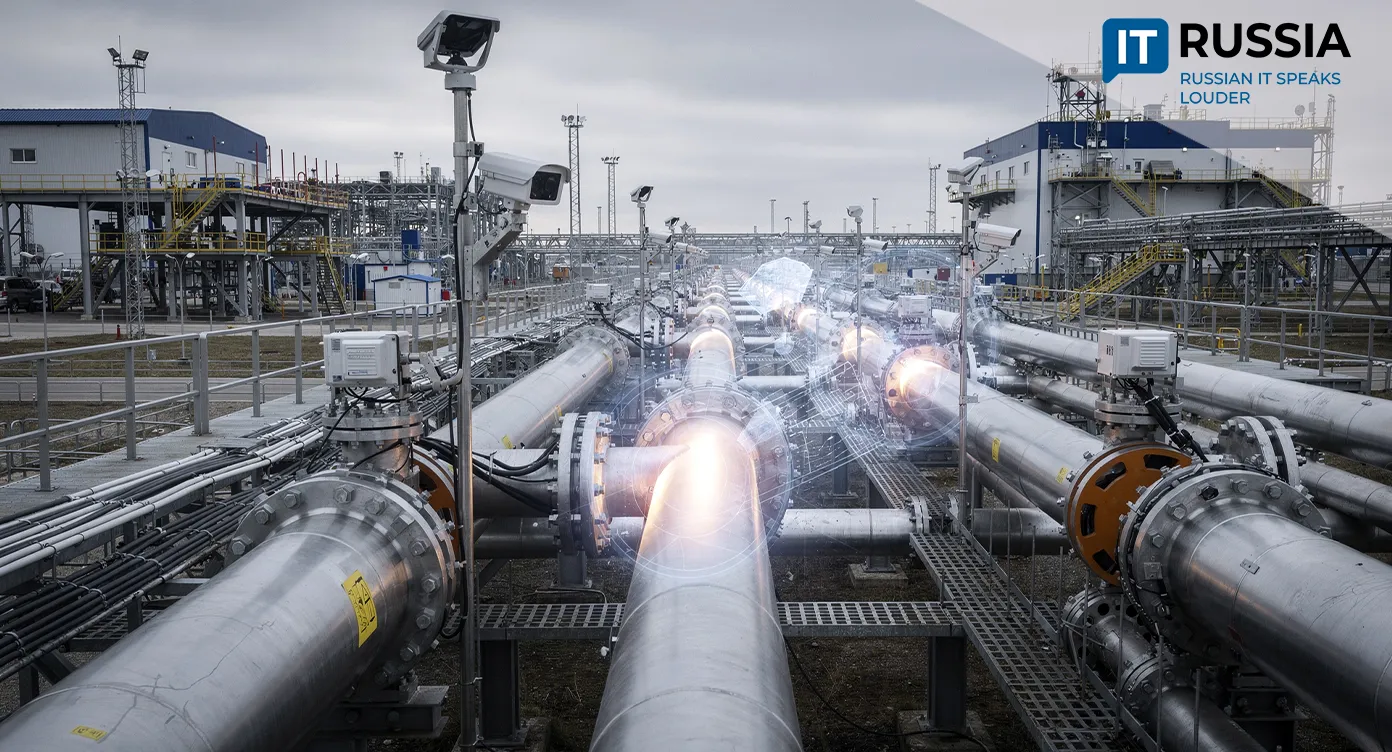
Researchers at the University of Tyumen have developed a multilevel gas leak detection system based on machine vision algorithms. The technology could significantly reduce the risks that inevitably accompany natural gas production and transportation.
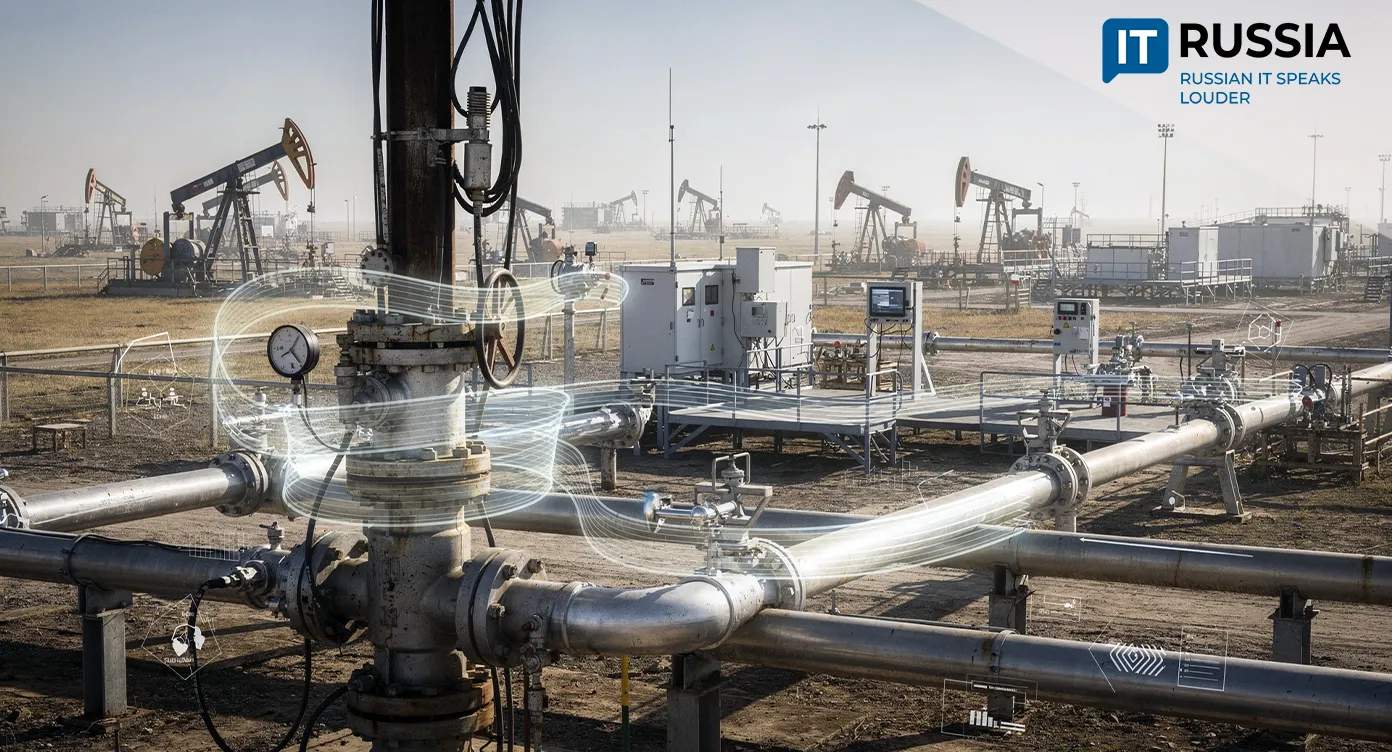
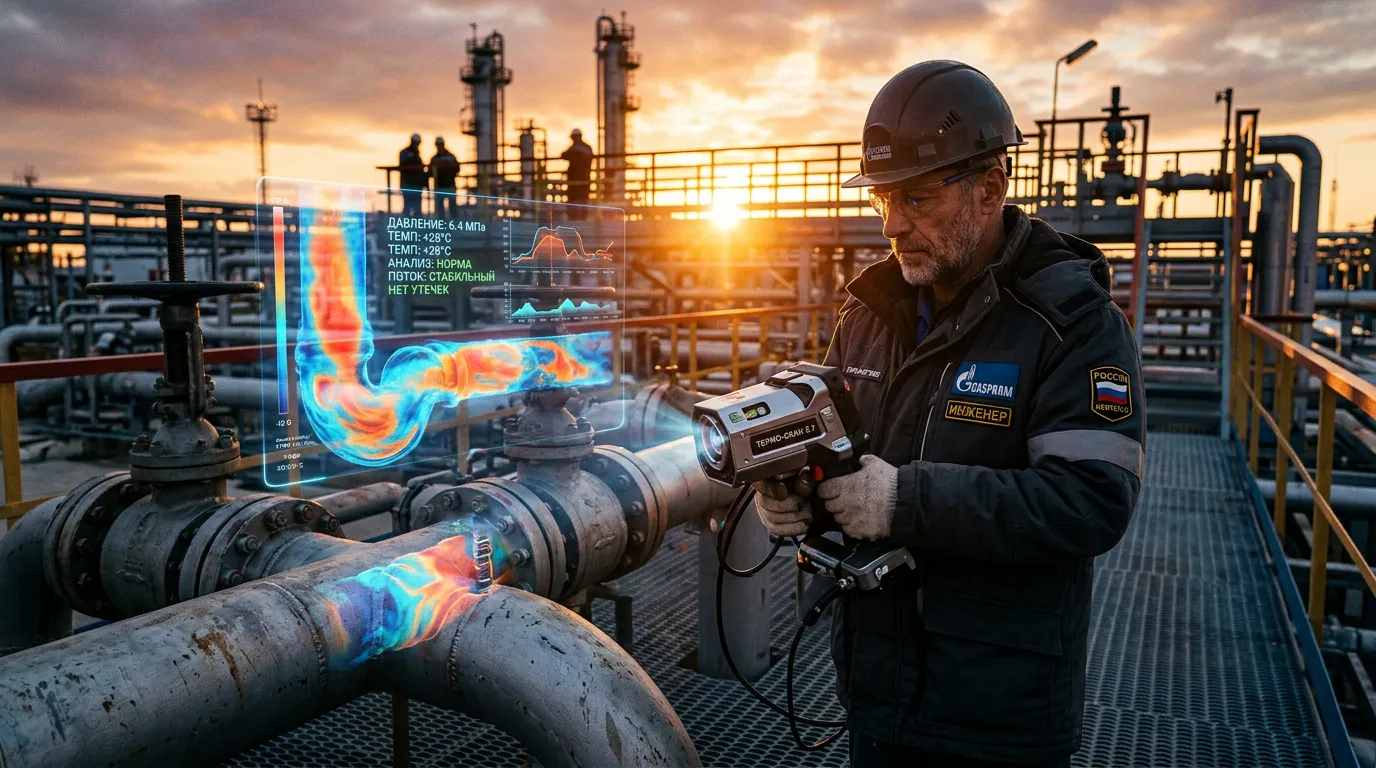
The conventional approach to preventing gas leaks relies on field crews driving along pipeline sections and using gas analyzers to measure gas concentrations. Today, continuous monitoring with specialized infrared cameras capable of detecting leaks is becoming increasingly common. The images from those cameras are still assessed by an operator, who calls an emergency response crew when necessary.
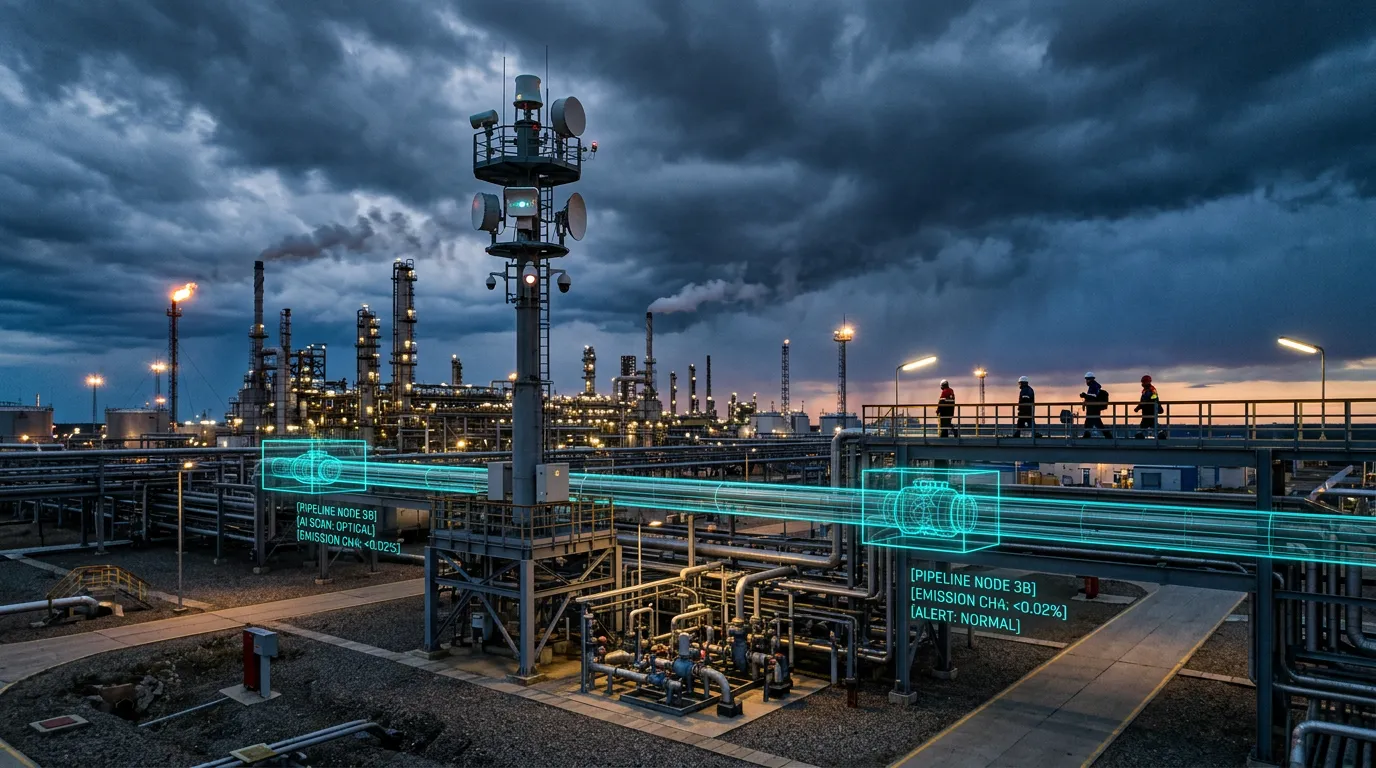
The automated leak detection system developed by University of Tyumen researchers analyzes both camera feeds and data transmitted by sensors installed along pipelines. It operates in three stages: first, a neural network visually identifies suspicious areas; next, it confirms a leak using gas analyzer data; and finally, it provides recommendations to the operator. The AI enables continuous, around-the-clock monitoring.
The technology is currently undergoing laboratory testing, where the basic viability of its machine vision capabilities has already been demonstrated. More than 2,500 images simulating gas leaks were used to train the model. In the longer term, deploying the intelligent system could not only reduce pipeline maintenance costs but also shorten leak response times, reduce gas losses and improve fire safety across gas transmission infrastructure.
From Theory to Practice: The Next Frontier
The project’s next stage is moving from laboratory testing to real industrial facilities. Researchers will need to test the neural network algorithm’s ability to detect leaks under changing temperatures, lighting conditions and wind directions.
If those tests are successful, the University of Tyumen team’s model could begin to be integrated into existing automated process control systems and industrial safety dispatch platforms.
Major Russian companies are interested in technologies of this kind. Digital tools are being deployed increasingly widely across the fuel and energy sector, including to detect various types of equipment and process failures. If the technology proves effective, it could also attract international partners, particularly in countries with extensive gas transmission infrastructure.
The Energy Sector Looks for New Monitoring Tools
The University of Tyumen project is not an isolated development but part of a direction that Russian science and the country’s fuel and energy sector have been pursuing together in recent years.
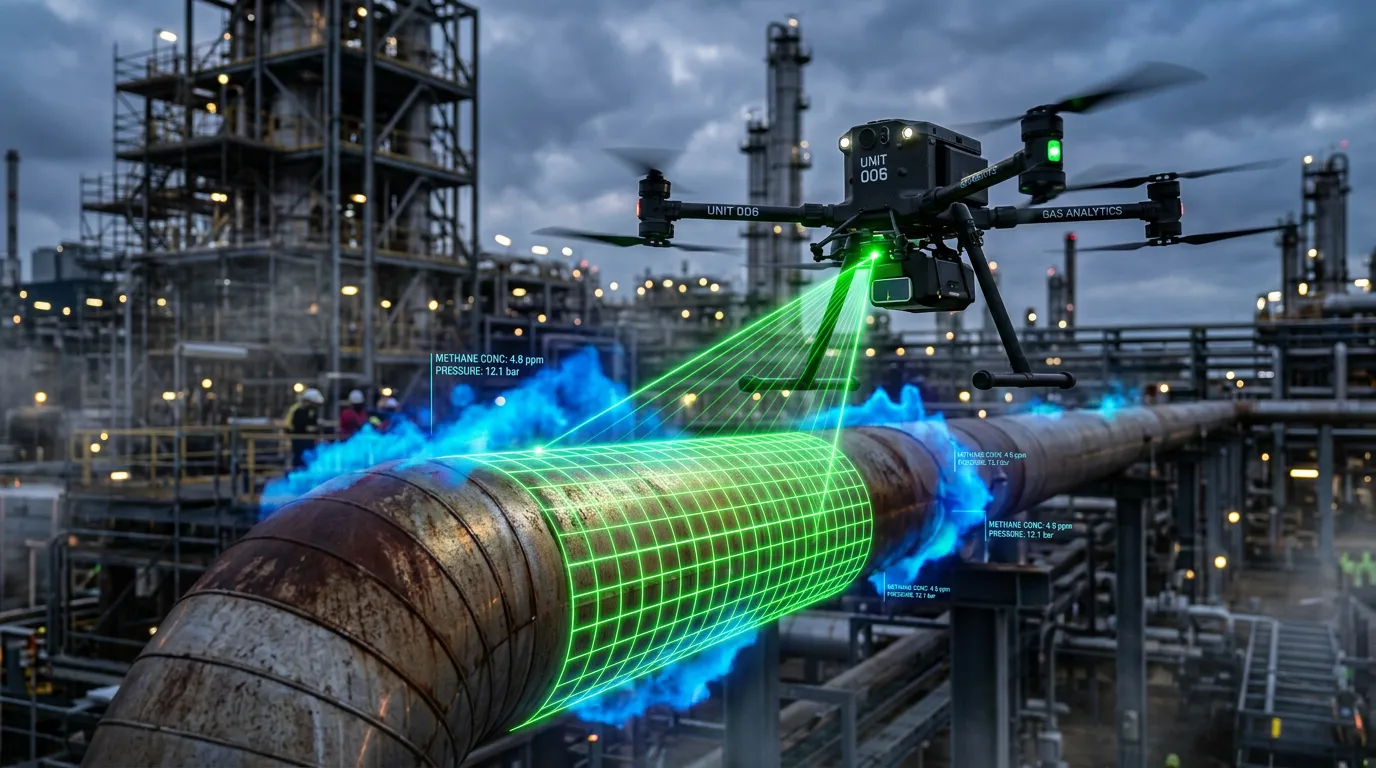
In 2020, Rosneft began using unmanned aerial vehicles equipped with ultrasonic and laser detectors to identify methane leaks at its facilities. By 2022, the company was using them at 17 of its operations. In 2024, researchers at Perm National Research Polytechnic University demonstrated a neural network-based system for analyzing images from cameras and drones. It can detect even minute defects in power transmission lines, gas pipelines and structures at other industrial facilities.
The Shift to Digital Monitoring
The system developed by University of Tyumen researchers fits into the broader shift in Russia’s fuel and energy sector from periodic inspections to continuous automated monitoring. One of its strengths is the neural network’s ability to simultaneously analyze data from video cameras, sensors and weather stations, then provide recommendations to support specific decisions.
Once laboratory work on the model is complete, the most likely next step will be a pilot project with a major company. If the pilot demonstrates that the new system works reliably and effectively, the technology could become an integral part of Russia’s industrial safety and environmental monitoring systems.