AI Could Help Build Artificial Chernozem
Scientists at Southern Federal University have developed a technology for growing artificial soil. The digital system makes it possible to create chernozem, the highly fertile black soil, with specific properties tailored to regional needs.
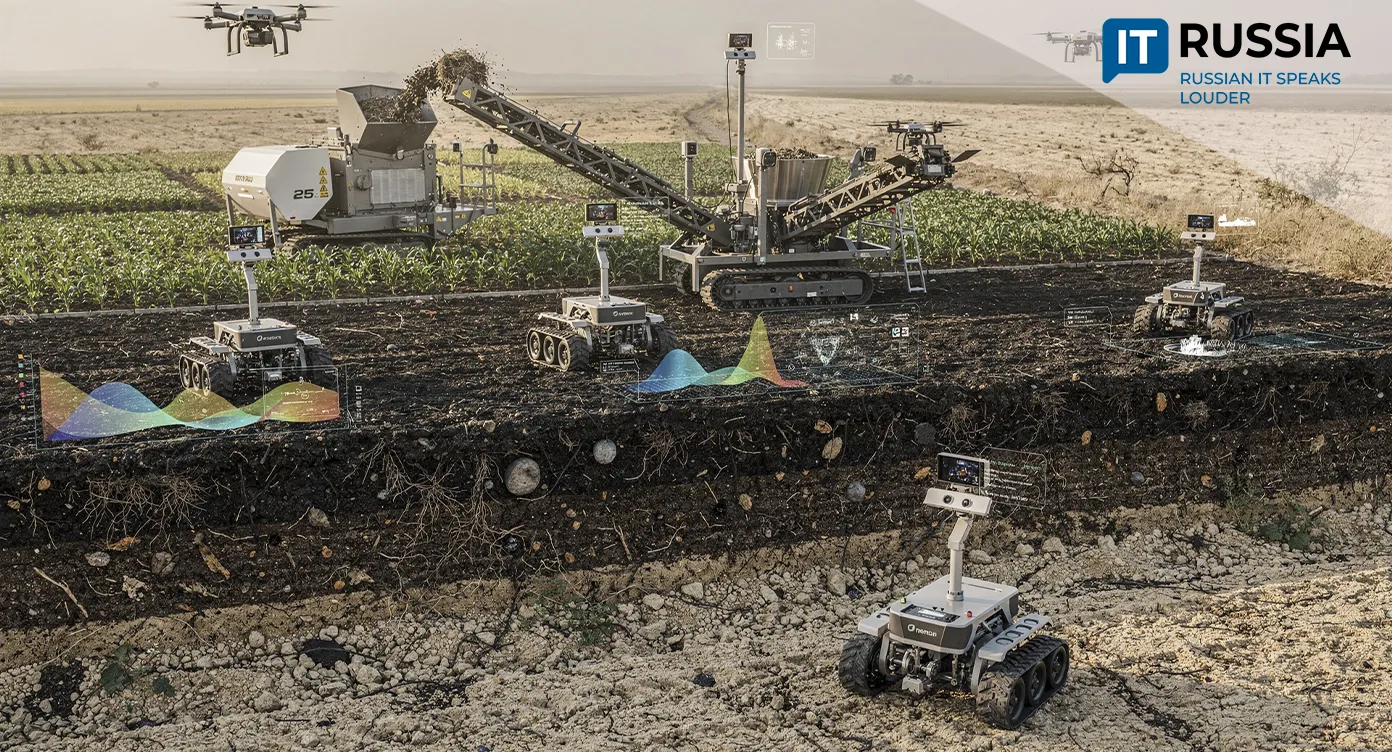
Combating soil degradation and desertification, restoring soil quality and returning barren land to agricultural use are challenges the entire planet must address. The problem affects more than 100 countries worldwide. Humanity has already lost about 2 billion hectares, or 4.9 billion acres, of fertile soil. To put the scale of the loss in perspective, the world’s total cropland covers about 1.5 billion hectares, or 3.7 billion acres. Meanwhile, soil degradation is accelerating, while natural soil recovery is extremely slow.
“Soil is a renewable resource only in a qualified sense. Natural recovery is so slow that, in practice, we are dealing with a loss that cannot be replenished,” Minkina said.
There is one more problem. According to an estimate by the United Nations Food and Agriculture Organization, or FAO, soil degradation is already irreversible across 15% of the world’s land area. In those places, soil needs to be created anew. Russian scientists are working on that challenge with a platform that uses AI.
Turning Organic Waste Into Carbon-Rich Materials
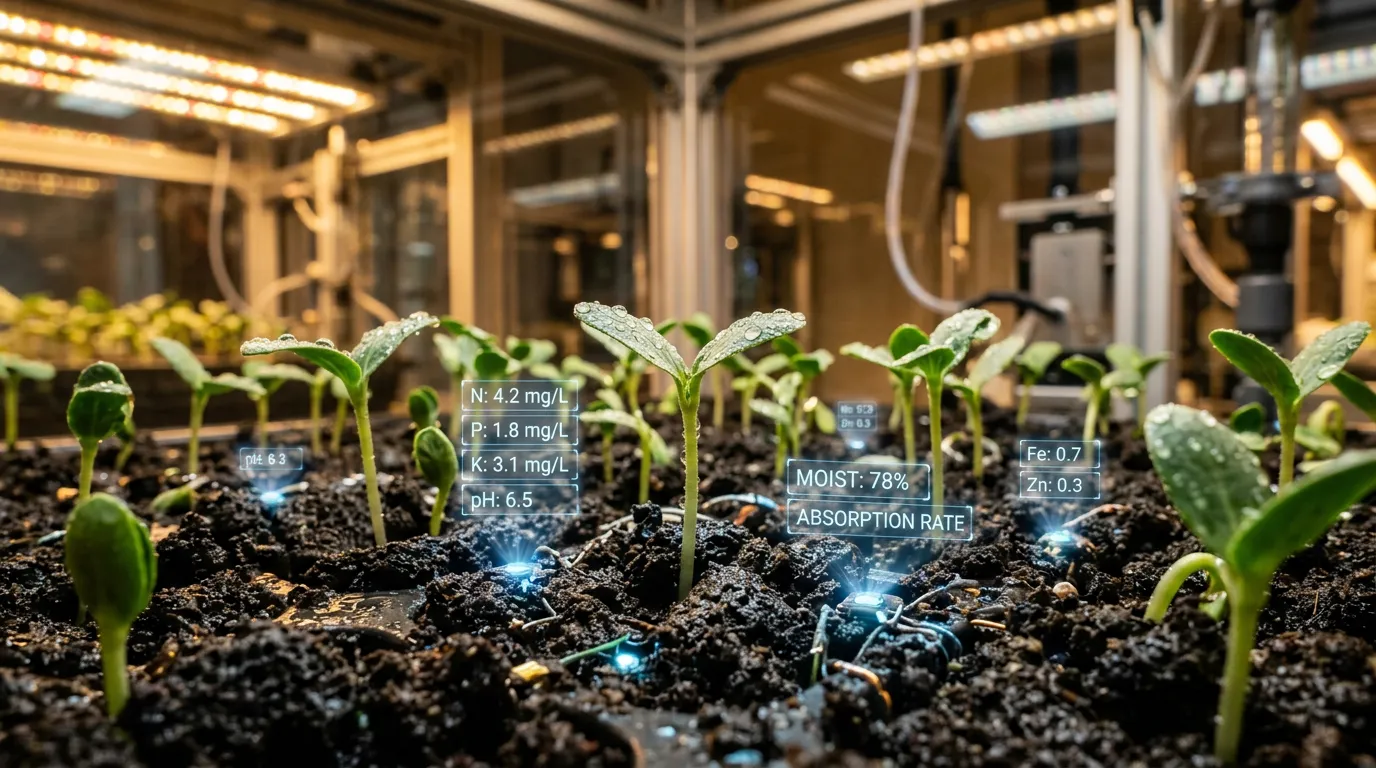
Researchers at the Bioinzheneriya Pochv (Soil Bioengineering) Engineering Development Center at Southern Federal University, or SFedU, have developed a technology for creating fully functional artificial fertile soil – an “artificial chernozem” that can restore the properties of depleted soils and improve fertility. In desert areas, the Russian technology can create a new layer of soil suitable for plant growth and agricultural use.
What sets the project apart is its ability to transform organic waste, primarily from the wood-processing industry, into carbon-rich materials and ultimately into new soil. In other words, the researchers are not simply treating existing soil with agricultural chemicals – they are initiating soil-forming processes. The approach uses soil amendments, organic fertilizers, green manure crops and the principles of natural cycles that generate fertility. Digital technologies are used to analyze and accelerate soil formation. Creating a functional fertile soil layer takes 18 to 24 months instead of 10 to 15 years.
Building Soil
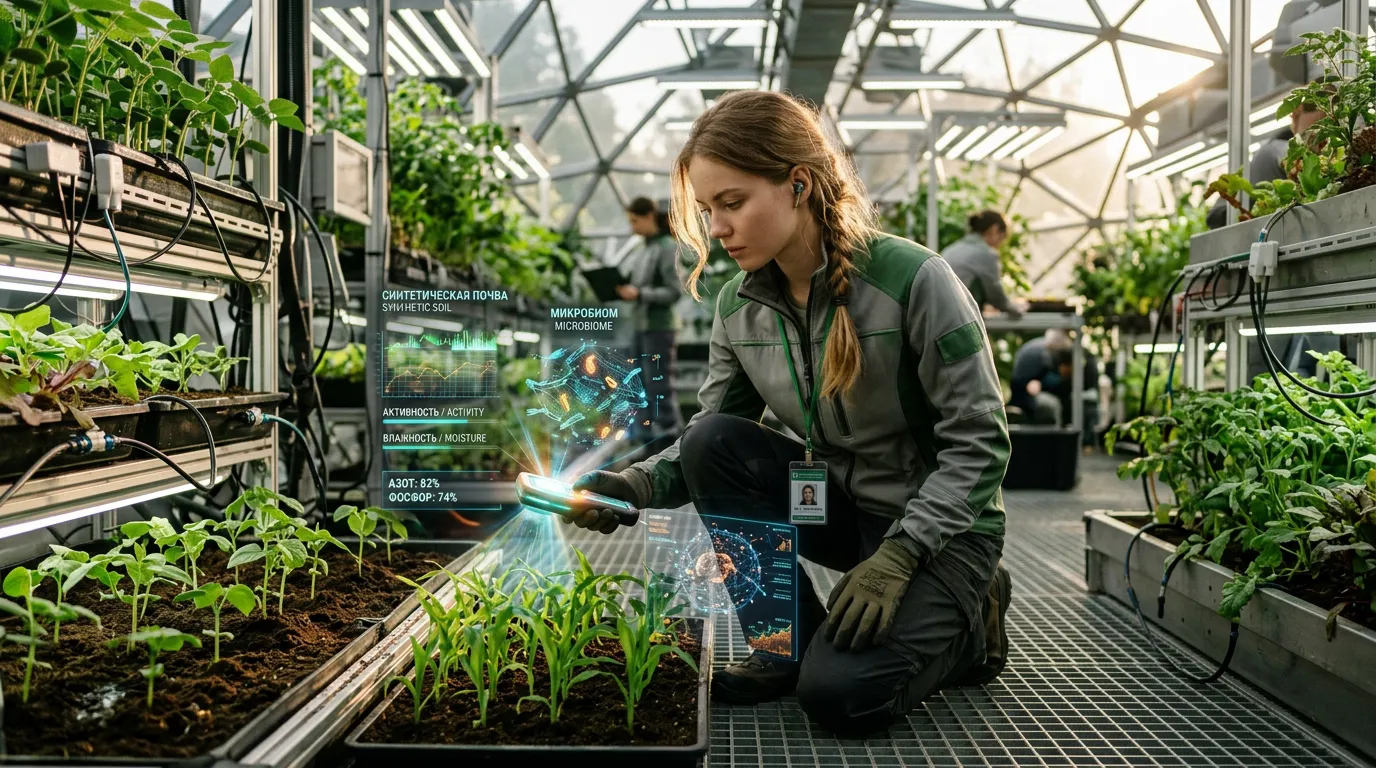
Blockchain technology makes it possible to track all the relevant parameters. The soil is modeled much like a computer program, with its properties designed for a specific purpose. More than 160 Russian scientists have participated in the project.
“This is not another biological treatment or biofertilizer, but a comprehensive approach with no direct equivalent. In other words, we are not improving soil – we are designing it, building it as an engineered system,” Minkina said.
The technology has already produced results in real-world trials. Three experimental sites with artificial soil are operating in Russia’s Rostov region. They were established under particularly challenging conditions.
“The first samples of artificial chernozem have already proved effective even on sandy soils, while crops have shown significant yield increases. This is our chance to give the land its strength back,” said Anna Kasyanenko, deputy governor of the Rostov region and regional minister of agriculture and food.
She also noted that the region receives very little precipitation – just 320 millimeters, or about 12.6 inches, a critically low level for producing adequate crop yields. The soil cannot replenish its moisture reserves fast enough, creating a need for soils in which water retention can be engineered as a specific property.
A second test site for the digital system is operating in another highly challenging region, Kalmykia. Crucially, the soil can effectively be made to order, with predetermined properties. Digitally configuring the growing process for the conditions of a particular region will take about eight months. Against the backdrop of a changing climate, this represents a genuine technological breakthrough.
Exporting Soil-Building Technology
The technology gives Russia a unique opportunity to create soils for different environments from scratch and restart crop production on abandoned land. At the same time, it could reduce human pressure on ecosystems and provide a scientific foundation for low-carbon agriculture, an especially important contribution to safeguarding Russia’s food security.
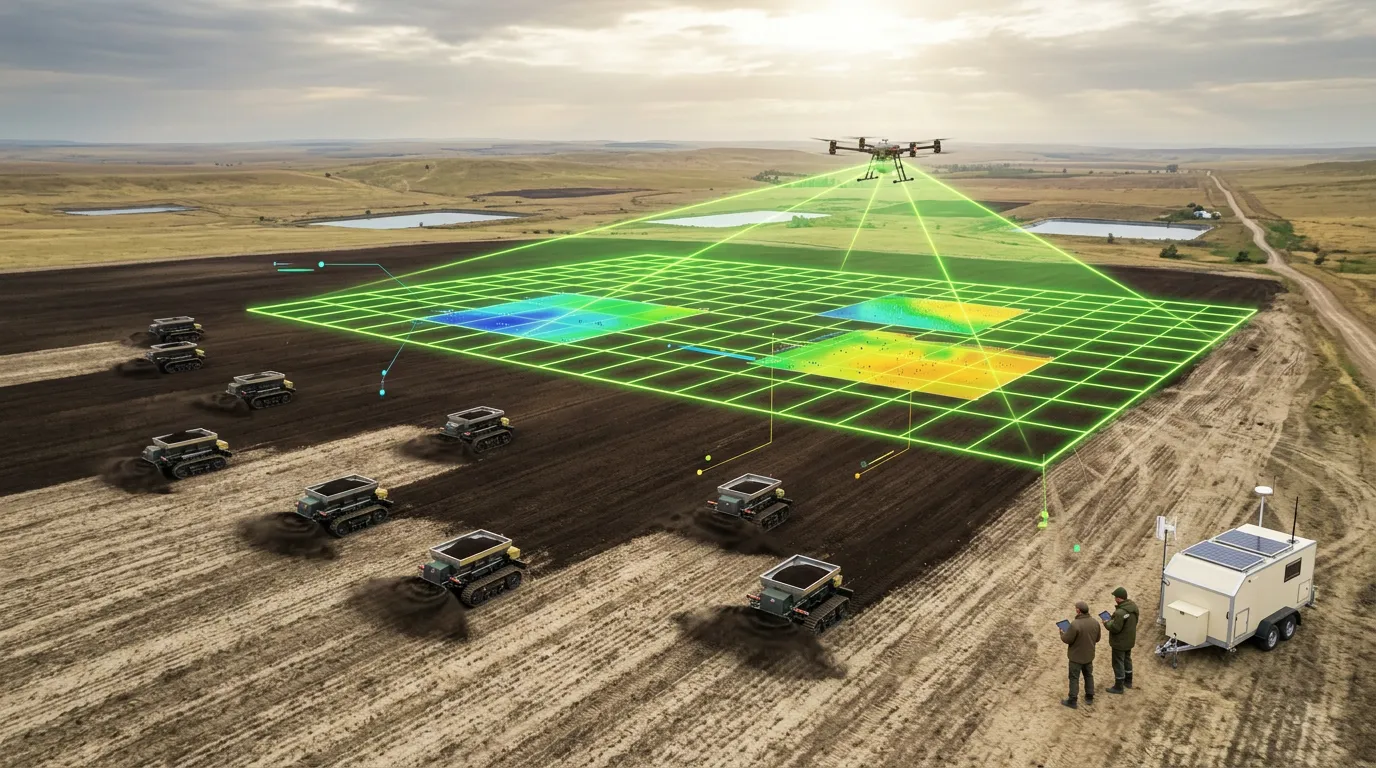
In parallel, demand is growing for new Russian digital technologies needed to create these new soils. Developing new agricultural land will require digital twins of individual sites that combine data on chemical composition, moisture, soil structure, microbiomes and plant health. Neural network algorithms could use those data to calculate the properties of new soil while accounting for climate conditions and farmers’ needs. Drones and robotic systems will be needed to survey sites and monitor land reclamation results.
The “artificial chernozem” technology has significant export potential. A digital platform capable of creating fertile soil tailored to specific locations could find applications in international projects addressing desertification, land degradation and sustainable land use.