A Remarkable Breakthrough: Russia Develops Tantalum-Based Superconducting Chips
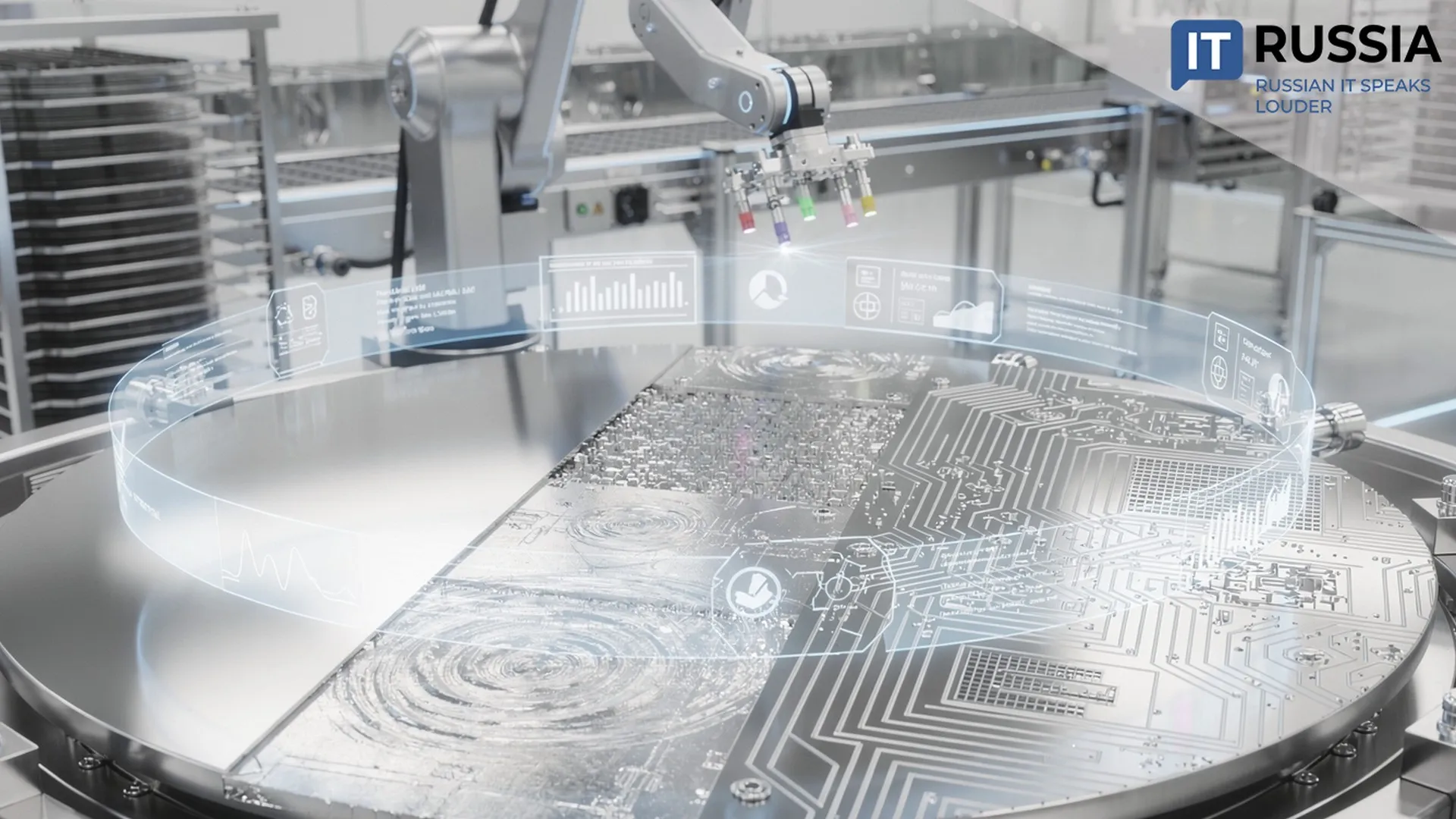
Researchers at the Kvantum Park (Quantum Park) cluster of Bauman Moscow State Technical University, working with the All-Russian Research Institute of Automatics, have refined a manufacturing process for tantalum-based superconducting integrated circuits designed for quantum coprocessors.
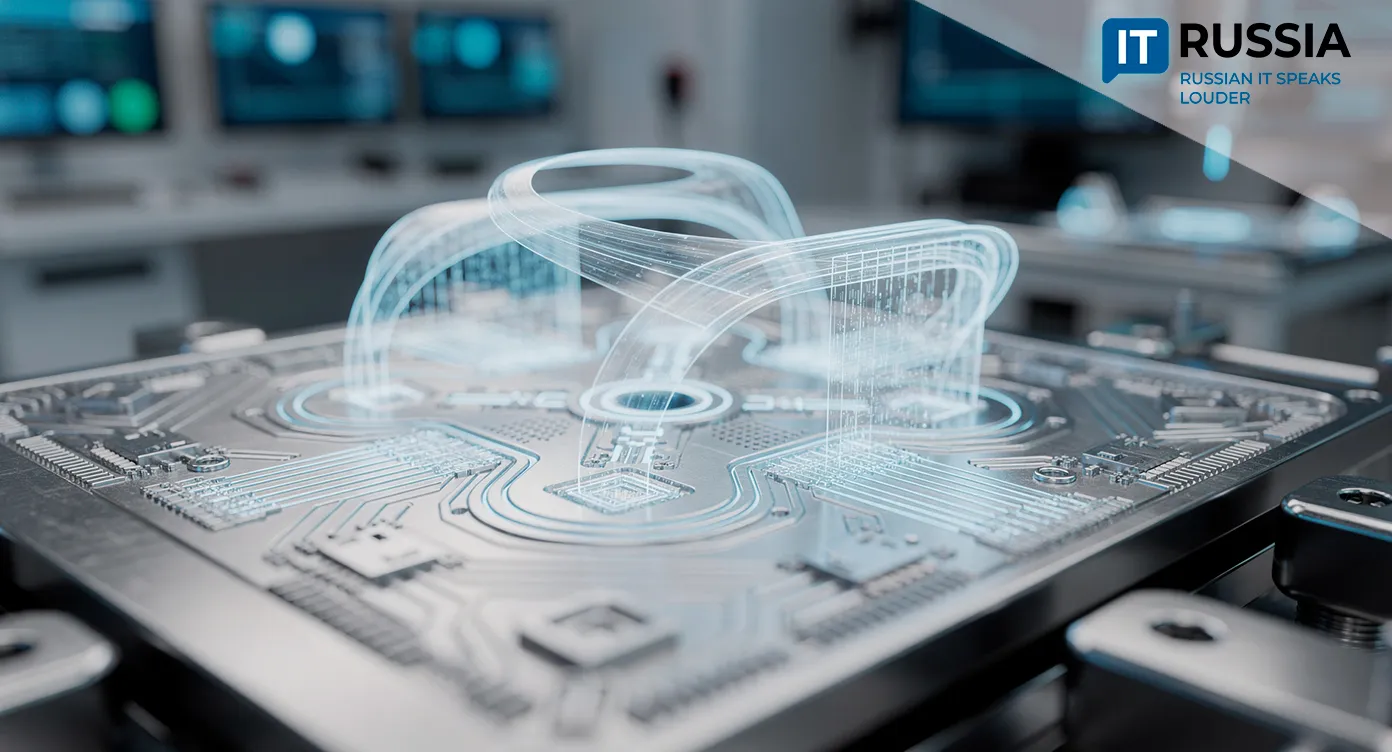
Unlike aluminum, the material traditionally used for these circuits, tantalum is more resistant to aggressive chemical processing. That makes it possible to clean chip surfaces more thoroughly, removing contamination and oxide defects – one source of energy loss and the breakdown of quantum states.
One common misconception is worth dispelling at the outset: This does not yet mean processors will run several times faster. The breakthrough is at the hardware level. It represents a major improvement in the underlying components whose performance will help determine the future of the entire field.
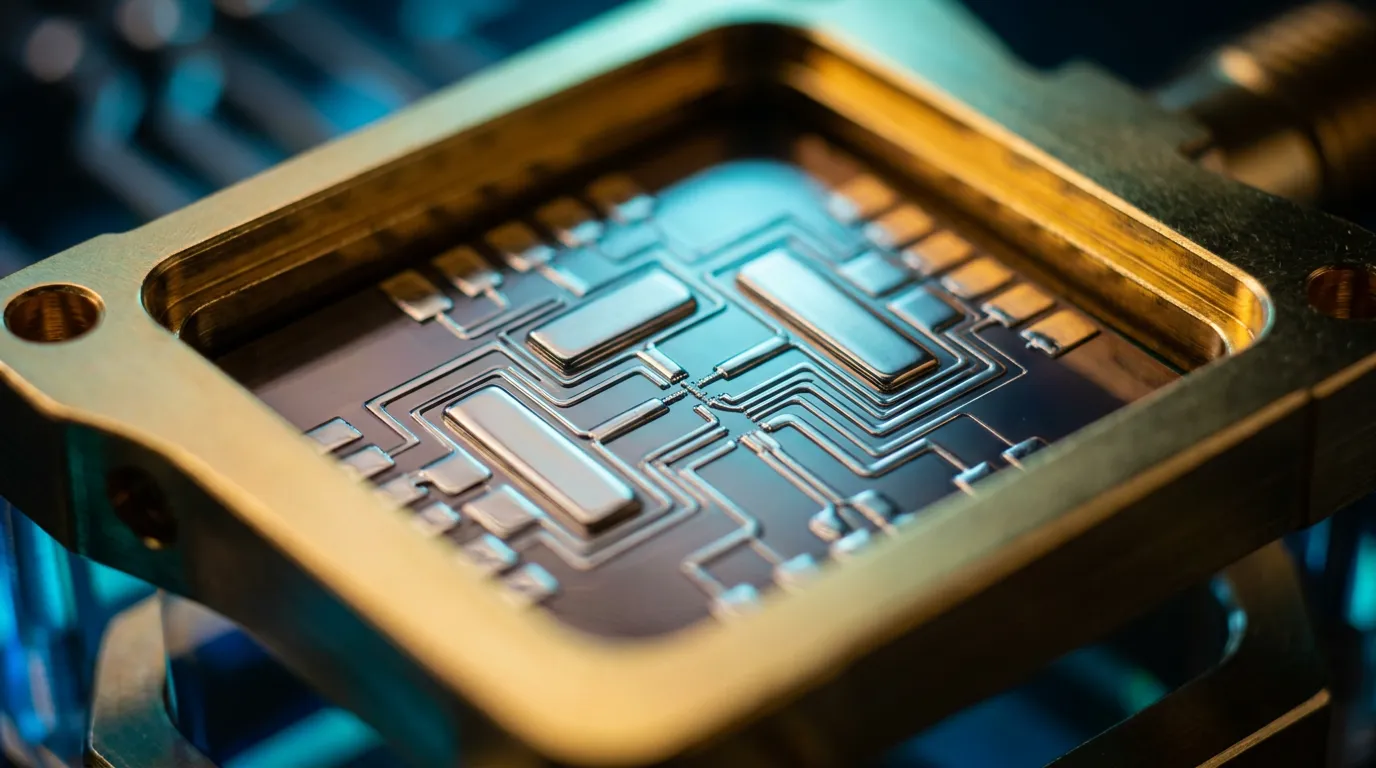
The researchers tested the quality of their process using tantalum microwave resonators. Their quality factor exceeded 10 million in the single-photon regime, a measure of how well a system can preserve quantum information. “The result ranks among the best in the world: Comparable values are currently within reach only of our colleagues at Princeton University and Belgium’s nanotechnology research center imec,” Bauman Moscow State Technical University said in a statement.
Quality Over Quantity
The very ability to work with tantalum – a chemically inert material that can withstand aggressive cleaning methods – opens a path toward more complex and scalable quantum processor architectures that older materials cannot support.
To produce the required superconducting phase, the researchers conducted more than 1,000 experiments and studied the structure of the films at atomic resolution. The key achievement, however, is the move beyond the laboratory. Contracts have already been signed for the first batches of quantum coprocessors built on the tantalum platform, with deliveries scheduled for fall 2026.
For Russia, the technology reduces dependence on foreign technologies while establishing a domestic, reproducible manufacturing process. The development is part of the Kvantovyye vychisleniya (Quantum Computing) road map and the Ekonomika dannykh (Data Economy) national project, both of which received high marks from the Russian Academy of Sciences in 2025.
The Global Race for Stability
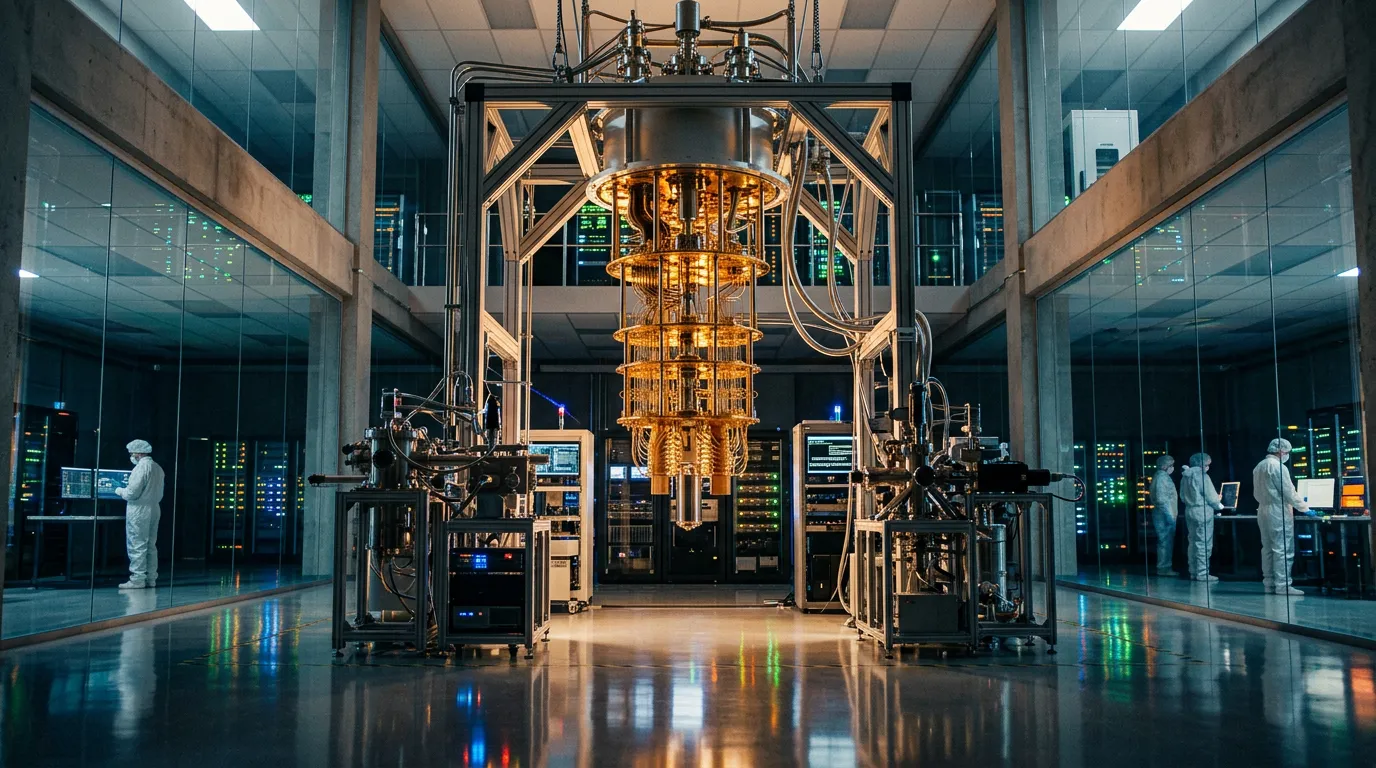
Russia’s progress fits squarely into a broader global shift. The era when the primary metric was simply adding more qubits is giving way to a focus on quality. Global leaders, including Google with its 105-qubit Willow and China with its Zuchongzhi 3.0 processor, are now competing to reduce error rates and extend coherence times.
Russia’s recent trajectory shows steady movement in the same direction. In 2024, Bauman Moscow State Technical University and the All-Russian Research Institute of Automatics launched SnowDrop 4Q, while the Russian Quantum Center and the Lebedev Physical Institute unveiled 50-qubit systems based on ions and neutral atoms. By 2025 and 2026, the emphasis had shifted toward quality and infrastructure. The Bauman Octillion cloud platform was launched, quantum memory with record efficiency was tested, and the new SnowDrop 8Q achieved 99.55% fidelity for two-qubit operations. Tantalum technology is a logical and significant next step in that evolution.
National Gains, Public Benefits
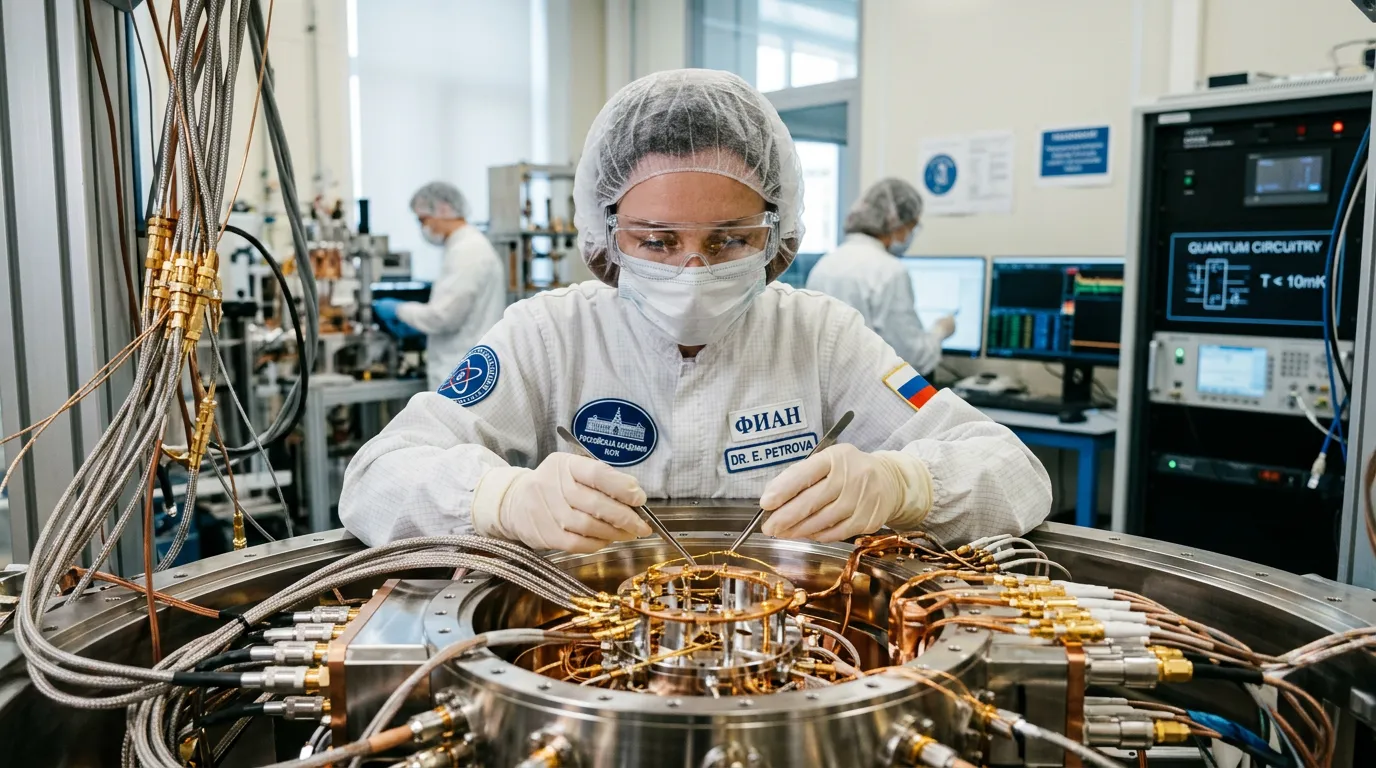
Consumers are unlikely to see anything like a quantum smartphone in the next few years. The indirect impact on society, however, could be enormous. More powerful and stable quantum-classical systems could enable highly complex simulations, from developing new medicines and ultra-strong materials to optimizing global logistics networks.
For Russia’s IT sector and scientific community, that means access to advanced computing infrastructure. Russia is also beginning to export expertise rather than the chips themselves: Users in different countries can already access cloud-based quantum computing resources and specialized hardware-software systems through the Bauman Octillion platform. That is helping create a new market for high-tech services.
Building for the Future
The significance of the Bauman University and All-Russian Research Institute of Automatics work lies less in record-setting numbers in press releases than in a shift in approach. Improving the underlying chip fabrication technology directly addresses one of quantum computing’s central challenges – losses and errors as systems scale. The move from laboratory experiments to contracted production batches shows that Russia is not simply following a global trend but is building a reliable, technologically independent foundation for tomorrow’s quantum electronics. National capability in advanced computing ultimately rests on engineering advances like these, largely invisible to the public but critical to technological sovereignty.