Prompting With a Plan: Kvoliti + Launches AI Upskilling Course
A new program will give managers and professionals 40 hours of training to help them make AI a reliable partner in their work.

“Artificial intelligence is no longer an experimental technology and is becoming a full-fledged tool for improving business efficiency,” said Vladlen Shorin, CEO of RT-Tekhpriyemka. Kvoliti +, part of RT-Tekhpriyemka within State Corporation Rostec, has launched Primenenie iskusstvennogo intellekta dlya povysheniya effektivnosti biznesa i proizvodstvennykh protsessov (Using Artificial Intelligence to Improve Business and Production Process Efficiency). The course is designed for company executives, managers, digital transformation professionals and analysts – people expected to use AI in their primary occupations. The remote program takes 40 to 44 academic hours, and participants need only basic computer and office software skills.
40 Hours of Learning
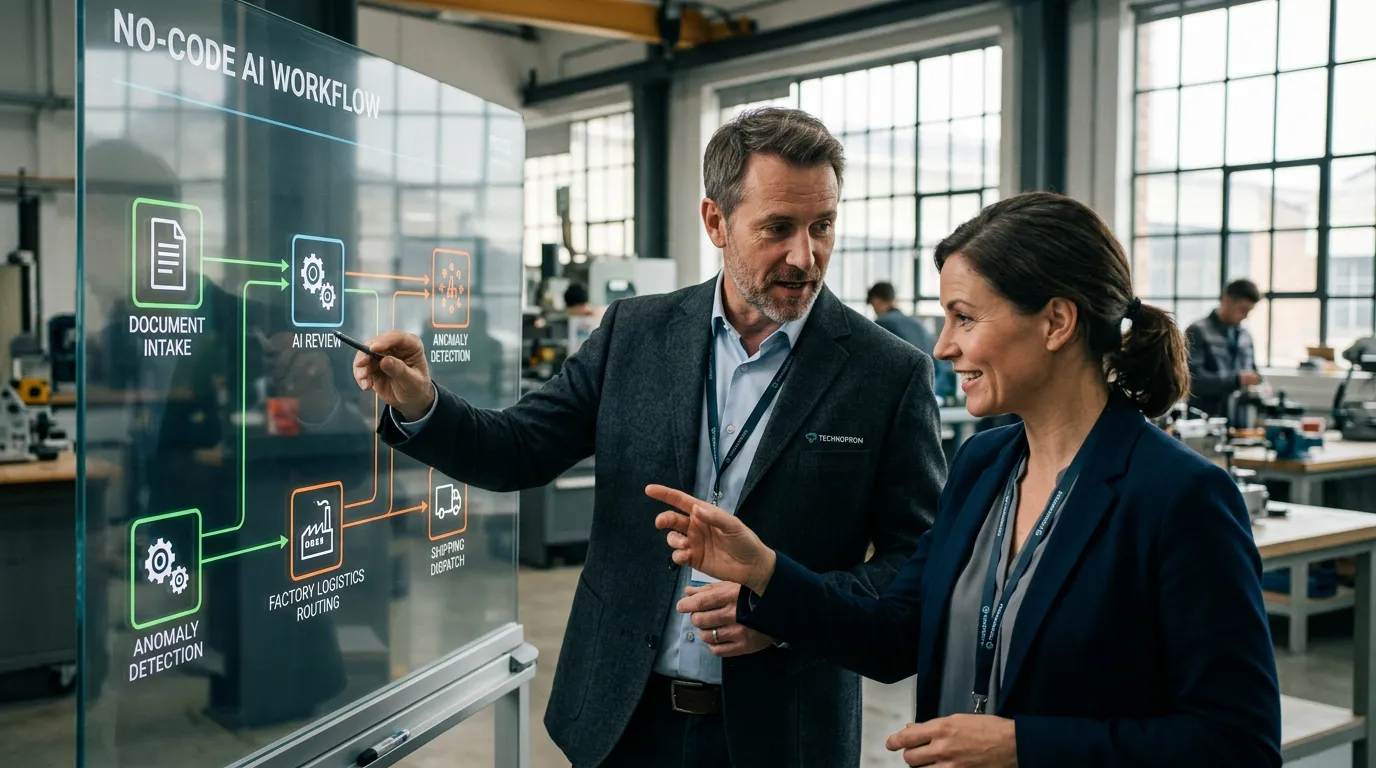
The program emphasizes hands-on work. Participants are not overloaded with algorithm theory. Instead, they learn how to craft effective prompts for large language models, work with context and assess the reliability of responses. They also learn to build AI assistants and prototype digital tools without writing a single line of code. Separate modules cover document workflow automation and the preparation of analytical materials.
A dedicated part of the program addresses the safe use of artificial intelligence, an issue often overlooked in the push toward digitization. Participants will study requirements for handling personal data and trade secrets, learn to assess the risks of using external AI services and determine an appropriate level of autonomy for intelligent systems.
AI Without Data Leaks
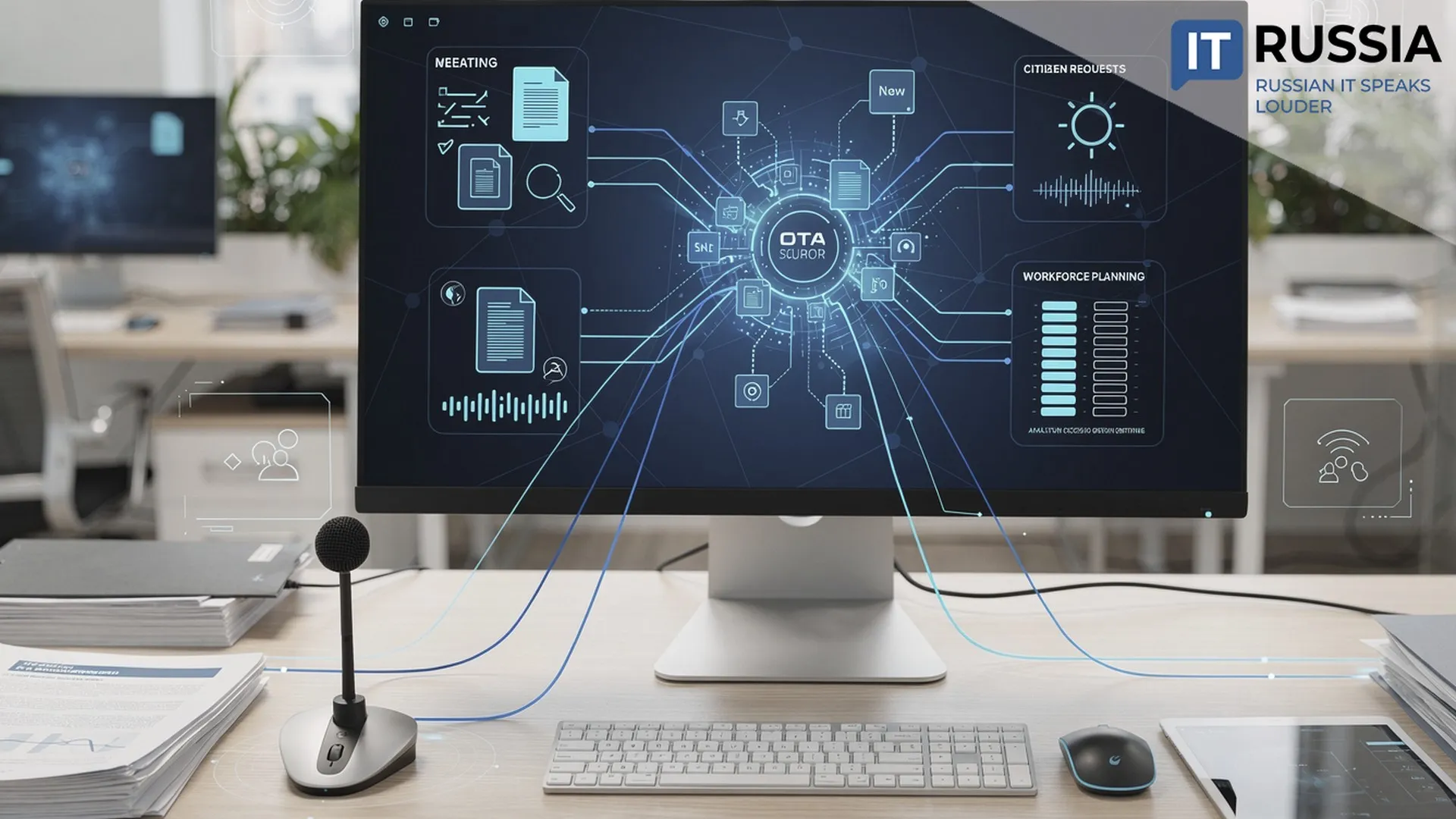
RT-Tekhpriyemka takes AI security seriously. The company recently deployed an on-premises AI platform that covers more than 40 workflows – from processing documents to monitoring the completion of assigned tasks. Built around the company’s own model, the platform keeps data processing inside the organization rather than sending information to external servers. That approach matters in sectors such as the defense industry.
“AI tools are not a replacement for employees – they take routine work off their shoulders. We are seeing more time freed up for analysis and decision-making, while document quality is improving. Since we began using the platform, the speed of preparing materials has increased by as much as 70%, while some operations take 90% less time,” Shorin explained.
The program culminates in participants developing their own project: They must use AI to automate one process at their organization and defend the project before a panel of experts. Those who successfully complete the assessment will receive a professional development certificate.
From STANKIN to Standards
One of Russia’s earliest examples of targeted training for industrial professionals came from the Moscow Technical School. In 2023, the school and Moscow State University of Technology STANKIN launched a 72-hour program called Iskusstvenny intellekt v promyshlennosti (Artificial Intelligence in Industry). It covered machine learning, neural networks and the analysis of production data.
By 2025, the trend had shifted somewhat as companies began building AI skills across a broader range of employees. Severstal, for example, announced a large-scale program to train workers in generative AI skills – from basic prompting to building their own agents. Notably, that same year, RT-Tekhpriyemka launched industrial robotics training programs for operators, programmers, engineers and technical personnel. By 2026, the decision to incorporate AI competencies into educational and professional standards had reached the national level.
Building an AI-Ready Workforce
Russia’s National AI Development Strategy calls for a sweeping transformation of workforce skills. By 2030, the share of people with skills in using AI is expected to reach 80%, compared with 5% in 2022. The share of priority industries ready to adopt AI, meanwhile, is expected to reach 95%.
The federal Iskusstvenny intellekt (Artificial Intelligence) project has already established a foundation for training more than 70,000 professionals, while 16 leading universities have developed new bachelor’s and master’s degree programs in AI. But universities are struggling to keep pace with market demand. According to hh.ru, the number of job openings mentioning AI in 2023 and 2024 doubled compared with 2021 and 2022.
Rostec enterprises alone, notably, will need 3,500 professionals with university degrees and nearly 11,600 with vocational and technical education by 2033. That puts corporate training increasingly at the center of workforce development. RT-Tekhpriyemka, meanwhile, is already defining requirements for graduates of its targeted corporate programs.