AI at Roshydromet Helps Meteorologists Improve Forecast Accuracy
Russia is emerging as a global leader in the digital transformation of meteorology, powered by AI and satellite data.
Roshydromet head Igor Shumakov briefed Prime Minister Mikhail Mishustin on how new technologies are reshaping meteorology. According to Shumakov, Russia is already ahead of many countries in the digital transformation of the field.
Roshydromet processes vast volumes of data, including satellite imagery, sensor readings and forecasting models. Artificial intelligence now plays a central role in this work, enabling meteorologists to produce more reliable forecasts. Russia ranks among global leaders in applying AI in meteorology, Shumakov said.
A 22-Satellite Constellation
Satellites continuously collect data for Roshydromet. They allow meteorologists to monitor environmental conditions, forecast weather and track hazardous events. Elektro satellites in geostationary orbit provide consistent coverage across the country, making it possible to detect approaching storms or sudden temperature shifts in time. Ionosfera-M spacecraft monitor radiation conditions.
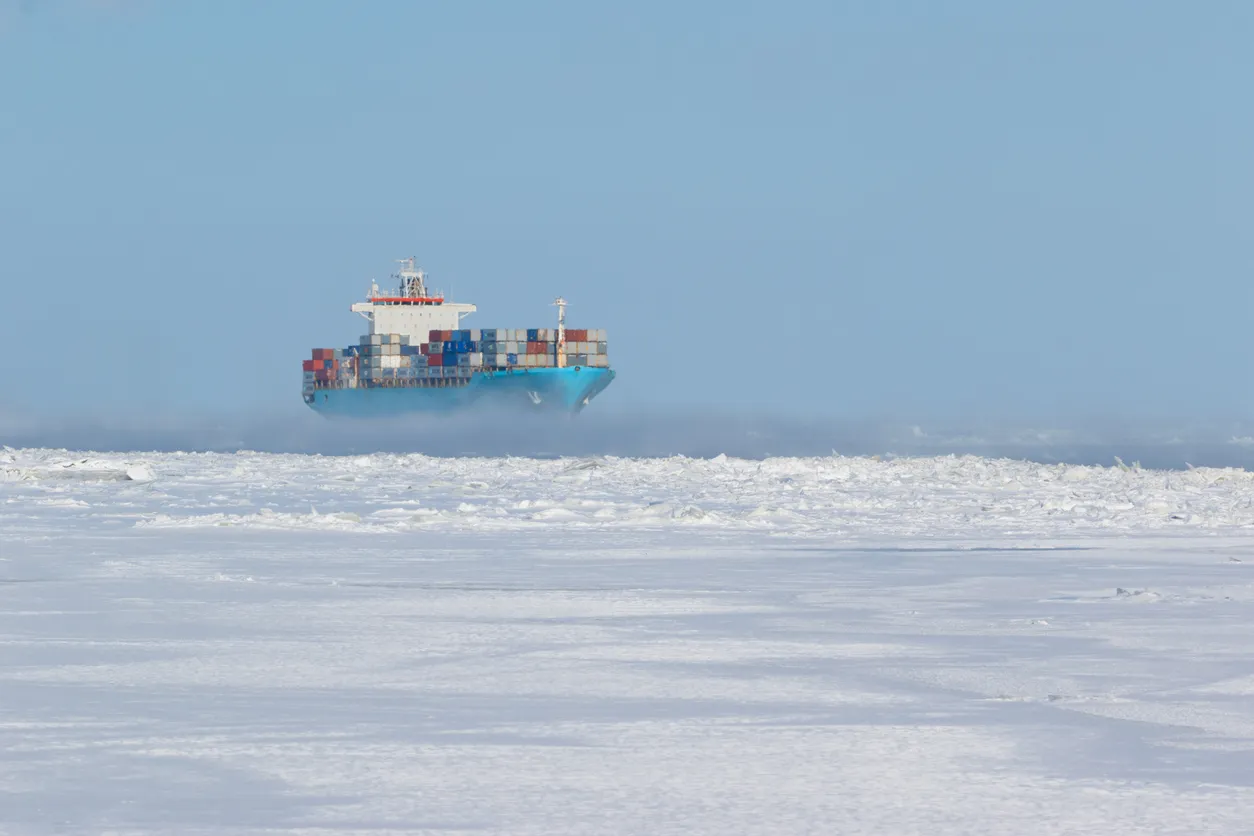
Recently launched Arktika satellites provide real-time monitoring of the Arctic region, including oversight of the Northern Sea Route. Kondor and Obzor-R satellites operate in all weather conditions and at any time of day, monitoring the Earth’s surface, floods, ice conditions and vessel traffic along the Northern Sea Route.
Technological Sovereignty
Prime Minister Mikhail Mishustin said the country has achieved genuine technological sovereignty in this field and instructed officials to maintain close oversight of the sector.