AI in Russian Clinics Detects 166,000 Hidden Pathologies
Artificial intelligence integrated into diagnostic workflows in the Novosibirsk Region has analyzed hundreds of thousands of medical images, helping physicians detect serious conditions faster
Lives Behind the Numbers
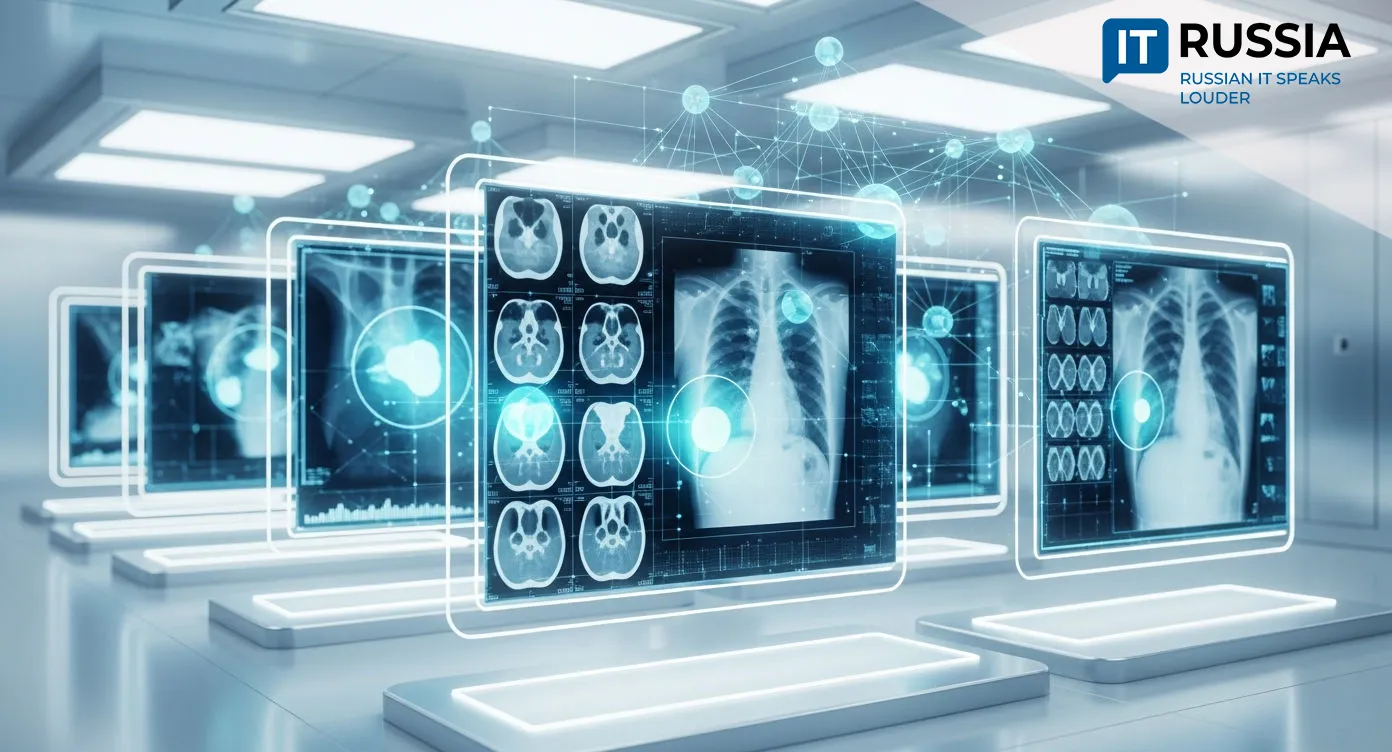
The Novosibirsk Region has released its first full-year results after deploying artificial intelligence across clinical diagnostics. In 2025 alone, the algorithms processed more than 362,000 medical images — mammograms, chest CT scans, fluorograms and X‑rays. Physicians confirmed over 166,000 detected pathologies.
Every diagnostic image taken in a regional medical facility automatically passes through an AI ‘digital filter.’ The system highlights suspicious zones, estimates the probability of pathology and generates a preliminary assessment.
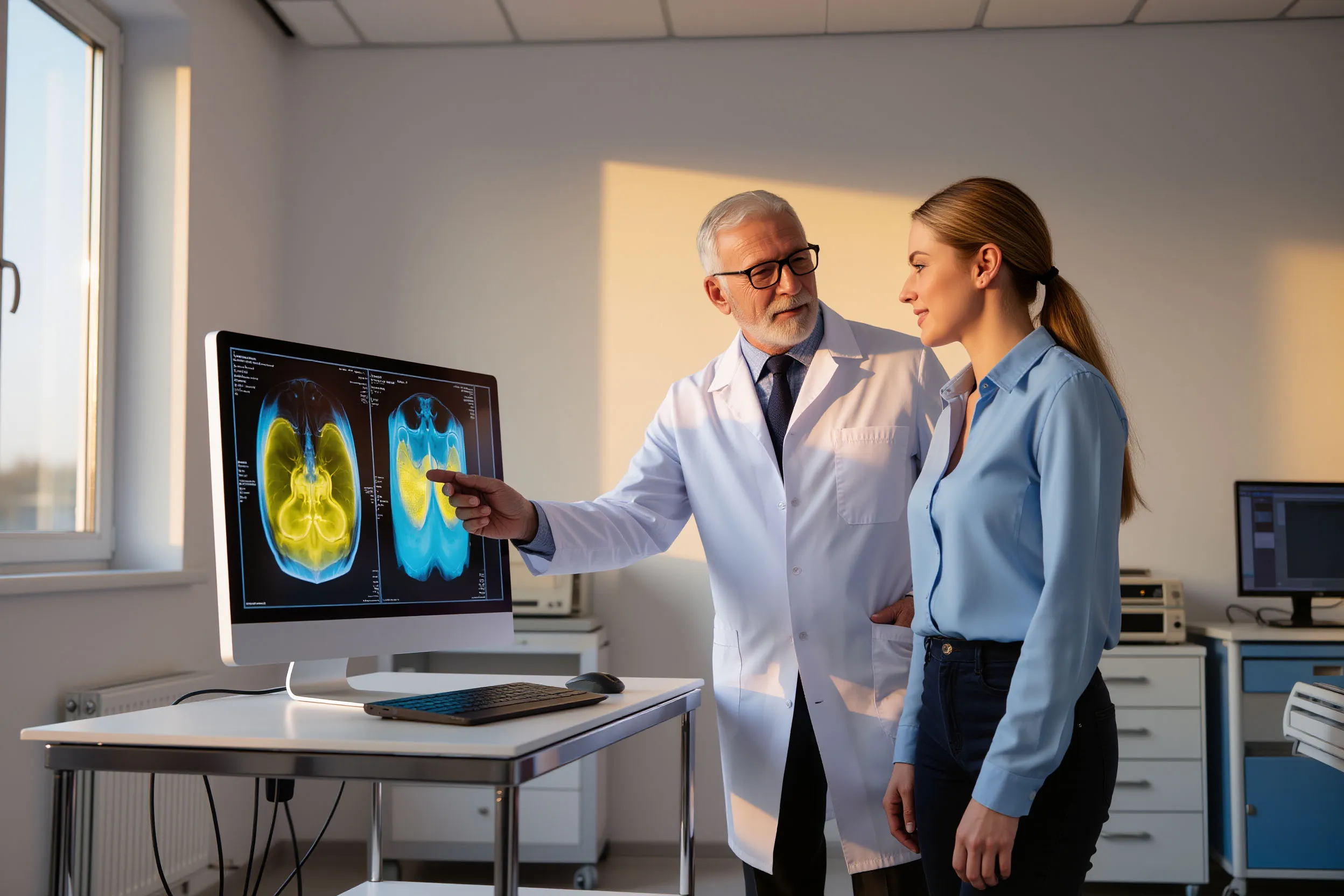
This assessment does not replace the clinician but serves as a powerful decision‑support tool — tireless, consistent and attentive. Faster detection means faster treatment initiation and higher chances of positive outcomes.
Integration With a National Diagnostic Platform
A major development of the year was the integration of the Novosibirsk Central Medical Image Archive with the federal platform MosMedAI. This gave local specialists access to additional compute power and advanced algorithms for complex cases such as brain CT scans.

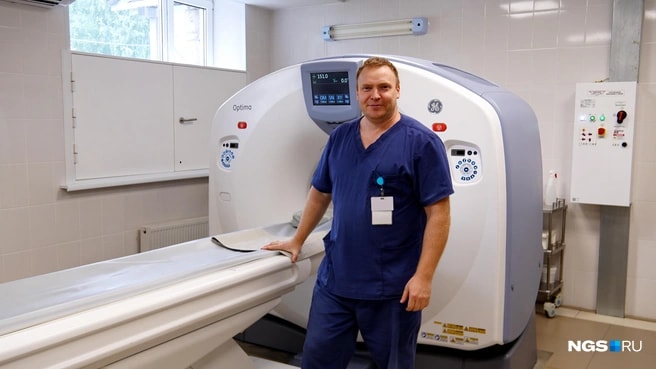
Since June 2025, more than 100 studies have been analyzed through the system, with critical pathologies identified in 36 cases, including stroke consequences and malignant tumors. The move illustrates a broader trend: shifting from isolated regional tools toward a unified national diagnostic ecosystem.
The scale of the program — hundreds of thousands of images and confirmed pathologies — demonstrates that this is no pilot, but a fully operational healthcare workflow for the region.
Accuracy and Speed
For patients, the impact is direct: accelerated diagnostics and improved accuracy. A physician reviewing an image with AI‑marked risk zones can immediately focus on the most complex aspects — final diagnosis and treatment decisions.
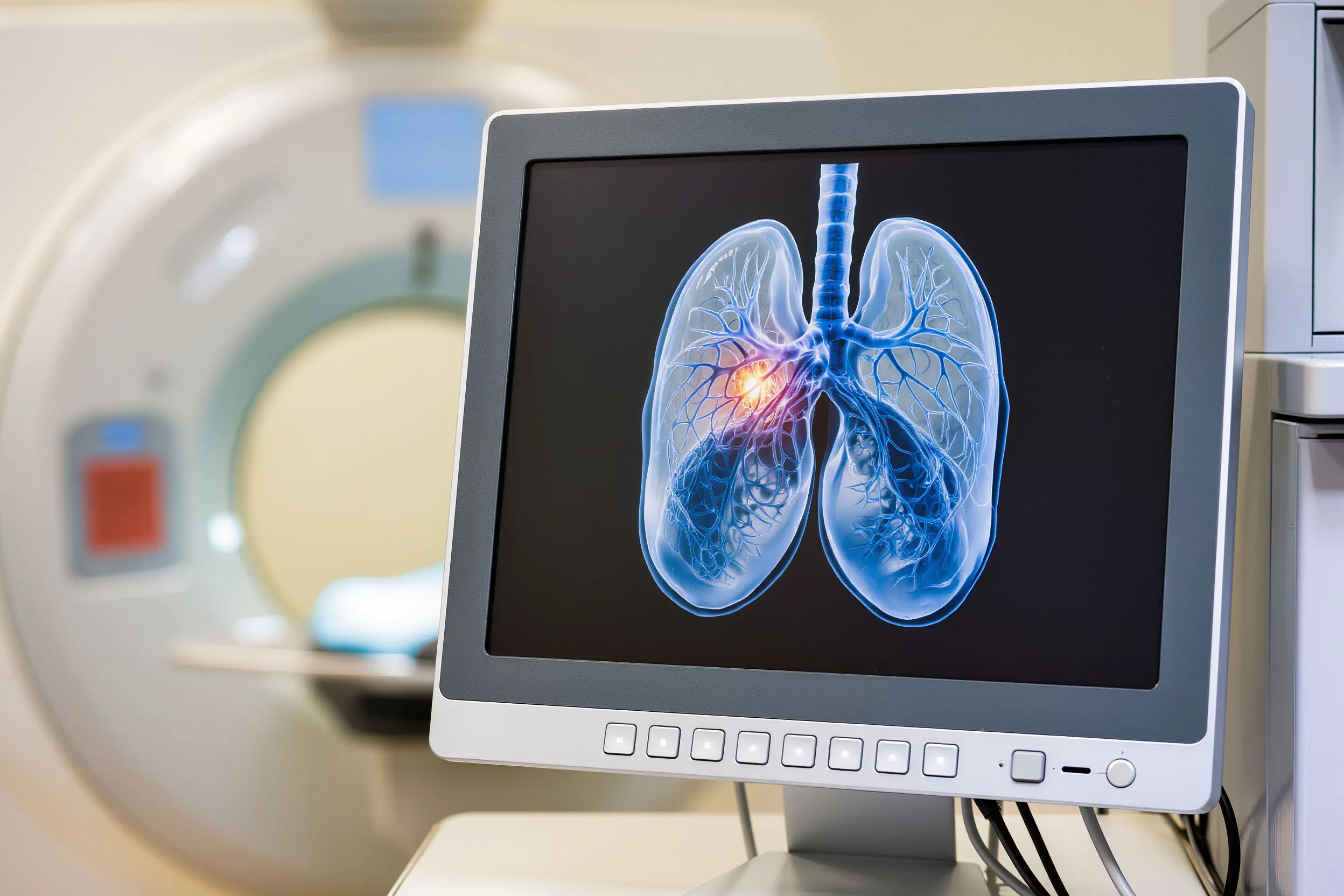
When minutes matter, as in suspected stroke or early‑stage lung cancer, such acceleration can be decisive. In remote districts, AI mitigates shortages of radiologists.
For Russian healthcare, the Novosibirsk case serves as a working prototype addressing several systemic challenges:
• Increased throughput: one radiologist with AI assistance can review far more studies per day without sacrificing quality.
• Reduced workload: the algorithm handles the routine initial screening, helping prevent burnout and freeing specialists for complex cases.
• Standardized quality: AI ensures consistent analysis regardless of human fatigue or varying qualifications.

This creates a ready‑to‑scale model. The technical and organizational experience of Novosibirsk becomes a valuable asset for regions beginning their digital‑health transformation.
From Regional Success to National Standard
The most natural next step is expansion across additional regions — particularly those with low population density and limited specialist availability such as Siberia, the Far East and smaller cities in central Russia.
Technological sovereignty is also critical. If the Novosibirsk system and the MosMedAI platform rely on domestic algorithms, they form a strong foundation for Russia’s medical‑AI industry.
The case demonstrates that AI in medicine is no longer a discussion about the future. It shows that the technology has reached sufficient maturity to support large‑scale, routine and clinically important workflows.