HSE University to Develop Anthropomorphic Robots
Artificial intelligence is getting a body — and mechatronics is getting a brain

HSE University is launching a new Institute of Robotic Systems, an ambitious center where teams will design anthropomorphic robots. Unlike purely academic labs, the institute is structured as a fusion of research and industrial logic. A major agro-industrial corporation, EFKO, has joined as a strategic partner—signaling a focus on real prototypes with a path toward mass production.
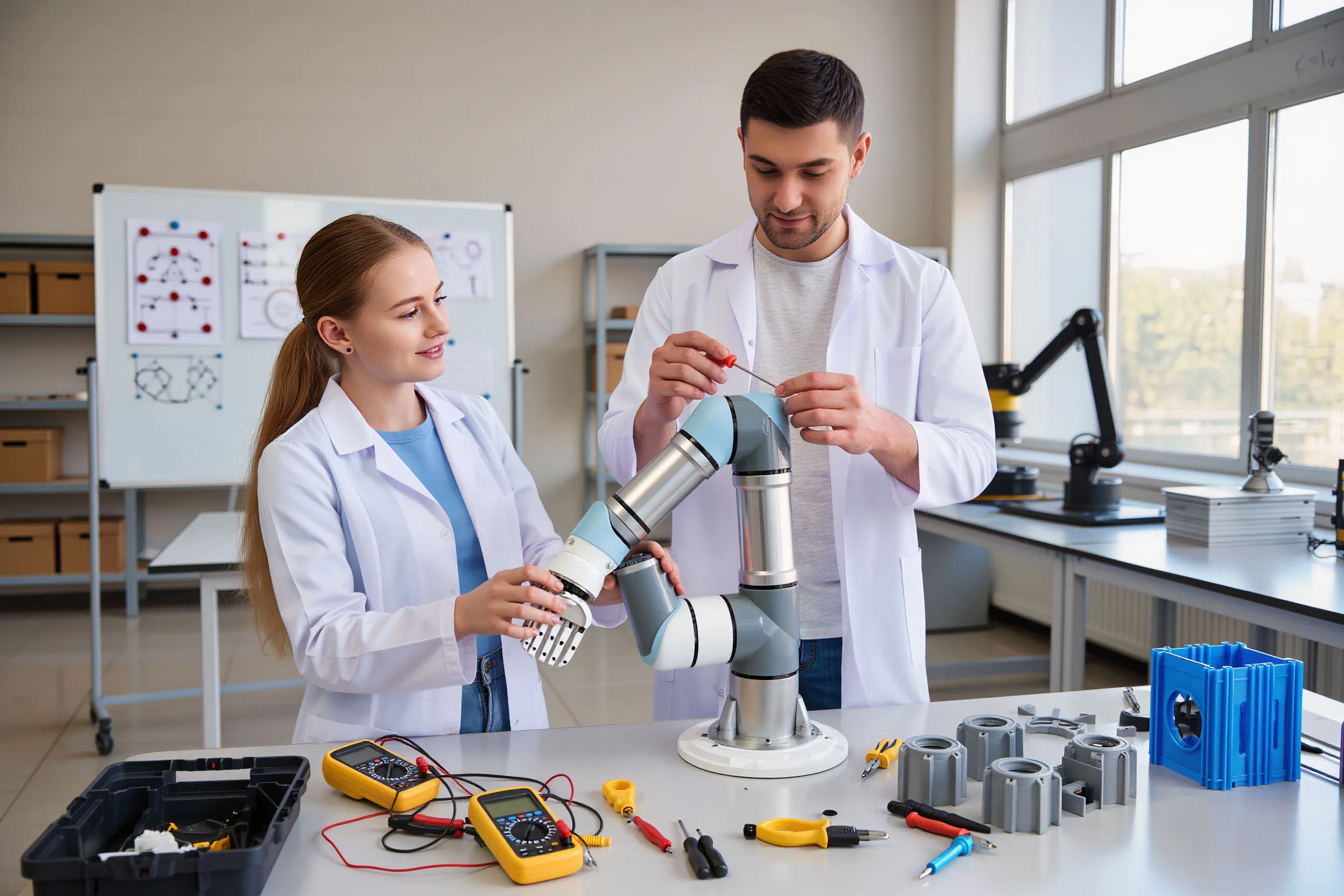
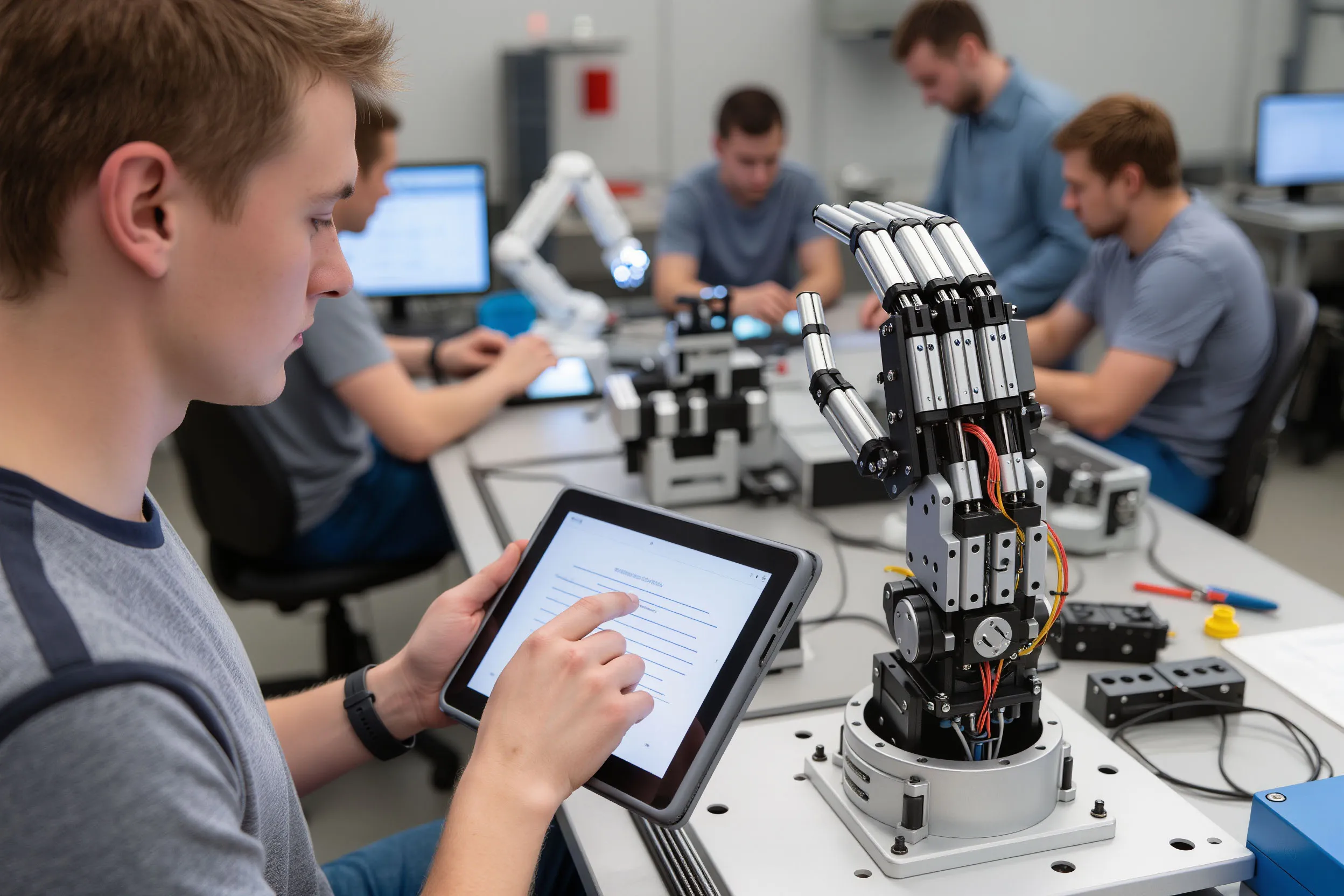
A defining feature of the model is its people: students and graduate researchers will form the core teams. The aim is to cultivate a new generation of specialists by giving them hands‑on experience inside full‑scale engineering projects.
Open My Eyes!
Modern humanoid robots combine three technological pillars: AI systems that learn and make decisions, computer vision that interprets the environment, and mechatronics that enables precise and coordinated movement. Building such a robot requires breakthroughs across dozens of fields, from high‑density batteries and compact motors to advanced materials and software architectures that mimic neural networks.
The new institute is designed as a hub where these disparate directions converge. Its goal is to produce robots capable of autonomous logistics, industrial assistance, and service tasks. The plan begins with deep integration across HSE’s ecosystem, uniting computer scientists, engineers from MIEM, neuroscientists, and AI experts to create the interdisciplinary foundation required for real progress.


The next phase focuses on implementation teams composed of EFKO mentors and students — the “future leaders of tech innovation.” Their mission is to move beyond prototypes and deliver working pilot units ready for industrial deployment.
The Year of Accelerated Robotization
The creation of the institute follows HSE’s long-term strategic analysis. Globally, the shift from heavy industrial robotics toward safe collaborative robots and autonomous mobile systems accelerated in 2022. By 2023–2024, Russia saw rising investment in software, ICT equipment, and robotics installations; HSE experts called 2024 “the year of accelerated robotization.”
According to the Ministry of Industry and Trade, national production of industrial robots grew 2.5× year over year. By 2024, Russia was operating 14,382 industrial robots — a 12% increase. Publications also began exploring how the integration of robotics and AI affects physical and cyber safety.
In 2025, HSE’s Institute for Statistical Studies and Economics of Knowledge outlined a trajectory from industrial robots to collaborative systems and, eventually, self‑learning humanoid platforms. Within this context, HSE’s “humanoid vector” represents an effort to lead the next stage of robotic evolution.

A Russian Humanoid Is Born
The new institute could become Russia’s central hub for humanoid robotics research and applied engineering. Integrating expertise in AI, mechatronics, and cognitive systems creates conditions for competitive domestic solutions.
Its most lasting contribution may be talent: students and graduate researchers will form the nucleus of a future workforce for emerging technology sectors. If commercialization succeeds, Russia could even export technologies — from licensed know‑how to collaborative international projects. Today the first Russian humanoids are emerging; tomorrow, they may be in global demand.