AI Is Counting Moose and Reindeer in Russia’s Nature Reserves
Digital technologies are helping zoologists gather large-scale wildlife data and anticipate extinction risks. An AI-powered assistant has begun operating in Losiny Ostrov National Park (Elk Island National Park), marking a new phase in Russia’s effort to modernize biodiversity monitoring.
A Digital Wildlife Census
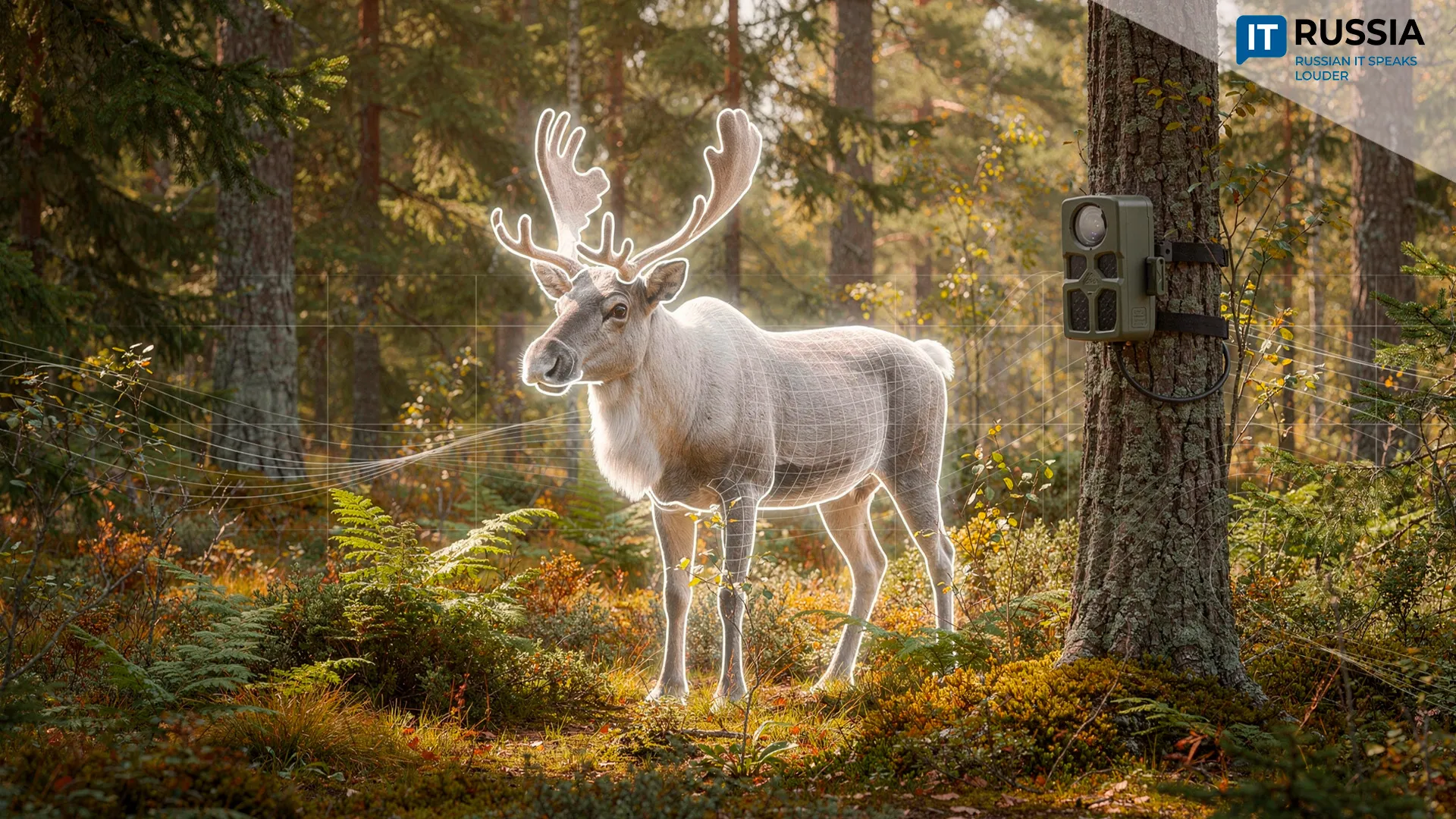
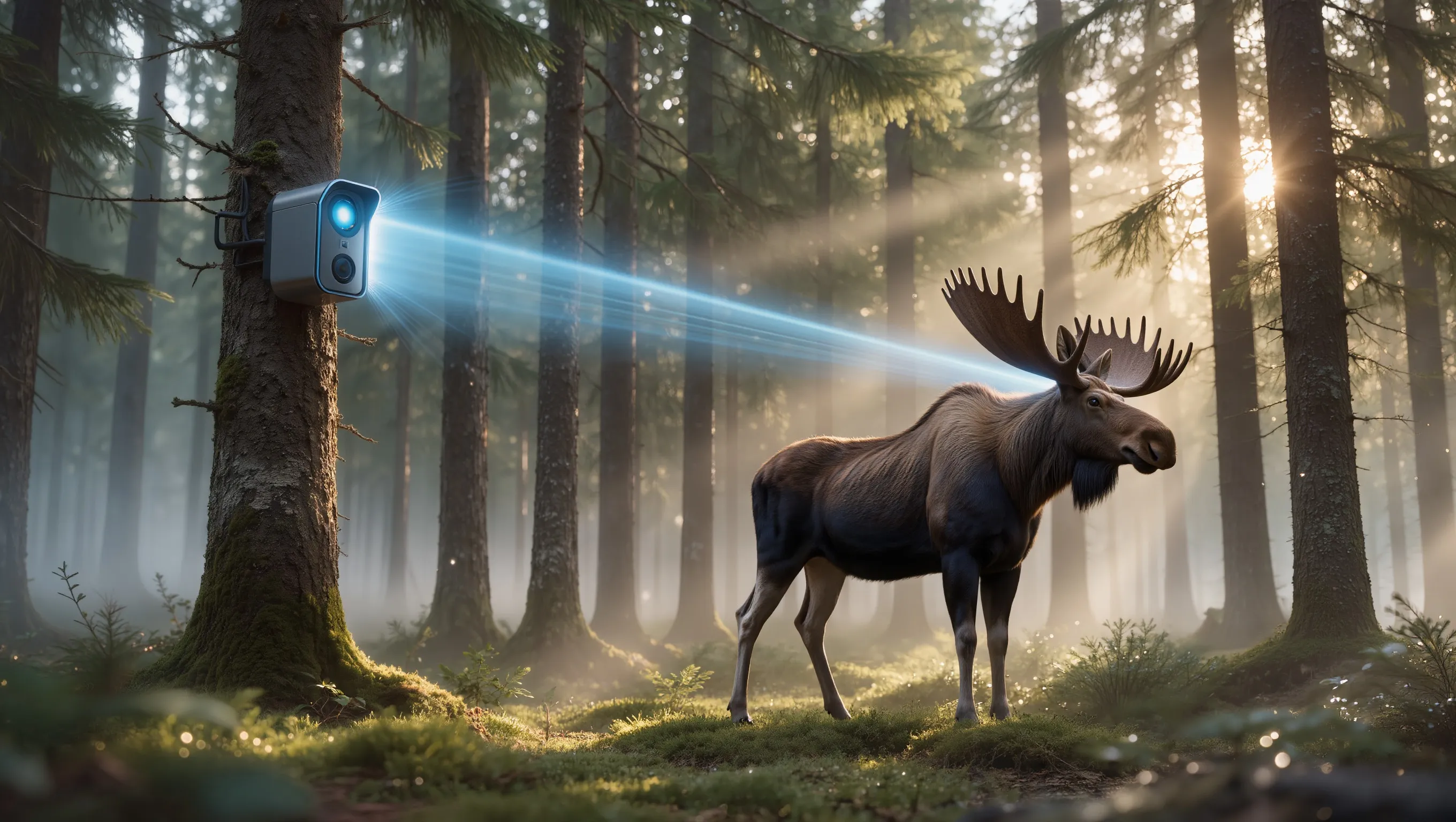
Russia’s Ministry of Natural Resources, in partnership with ER-Telecom Holding, has launched a pilot project to automate wildlife population monitoring in specially protected natural areas. The system is currently being tested in Losiny Ostrov National Park. Until recently, researchers had to spend weeks manually reviewing camera trap footage to understand animal behavior patterns. That task is now handled by artificial intelligence. Algorithms analyze images from camera traps, identify ten animal species, count individuals and track their movement routes.
Olga Shulgina, director of Losiny Ostrov National Park, explains that the new technologies go beyond statistical reporting. They support operational decisions. For example, camera trap data already helps determine how much feed to place in feeding stations and whether additional feeding points are needed. The digital platform does not replace field biologists. Instead, it removes routine processing work, allowing specialists to focus on ecological analysis and conservation strategy.
Under the Lens
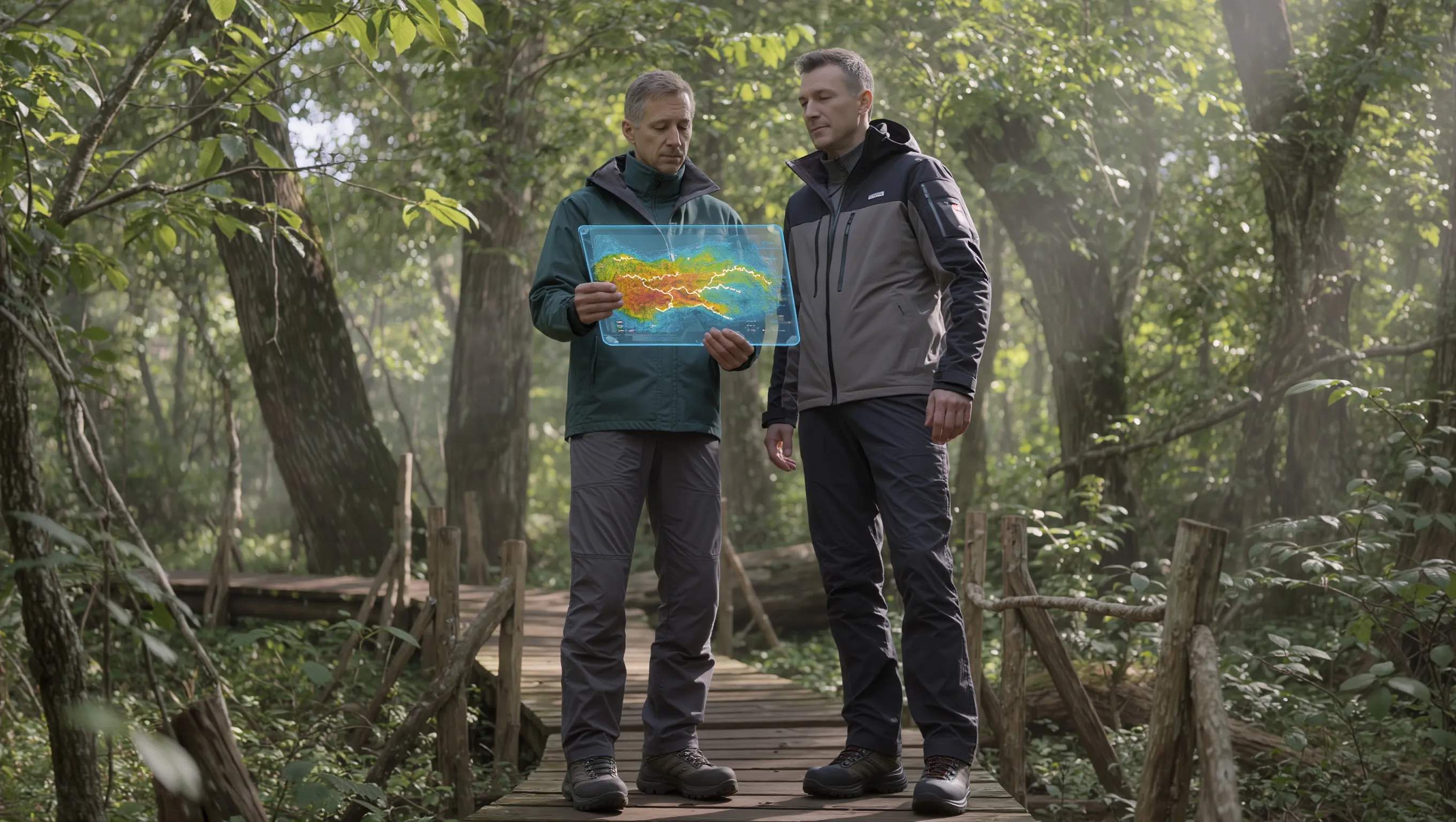
In Zemlya Leoparda National Park (Land of the Leopard National Park), 500 camera traps have captured approximately 1,800,000 images of tigers, leopards and other wildlife. More than 700,000 of these photographs are scientifically informative. Generating this volume of data would be impossible without automated cameras. Processing it without AI would be equally unrealistic. Artificial intelligence plays a decisive role in turning raw images into actionable conservation insights.


Russian researchers have trained neural networks in Zemlya Leoparda National Park and the Sikhote-Alin Nature Reserve in Primorsky Krai to distinguish among big cat species. On Matveev Island in the Barents Sea, AI systems monitor walrus populations. In the Central Forest Nature Reserve, they track bear populations. In Sebezhsky National Park and Sayano-Shushensky Nature Reserve, algorithms help detect poachers. The Bolshekhekhtsirsky Nature Reserve in Khabarovsk Krai has become what officials call a “smart reserve,” where AI supports both anti-poaching efforts and wildlife monitoring. Meanwhile, Gydansky National Park plans to install advanced camera traps to track polar bears and reindeer in remote Arctic territories.
A Long-Term Environmental Investment
The Russian government is backing technologies designed to protect ecosystems and wildlife.
“Nature reserves, national parks and other environmental organizations receive federal funding to protect rare species, expand scientific research and strengthen environmental education. This is a long-term investment in preserving our country’s natural heritage,” said Alexander Kozlov, Russia’s Minister of Natural Resources and Ecology.
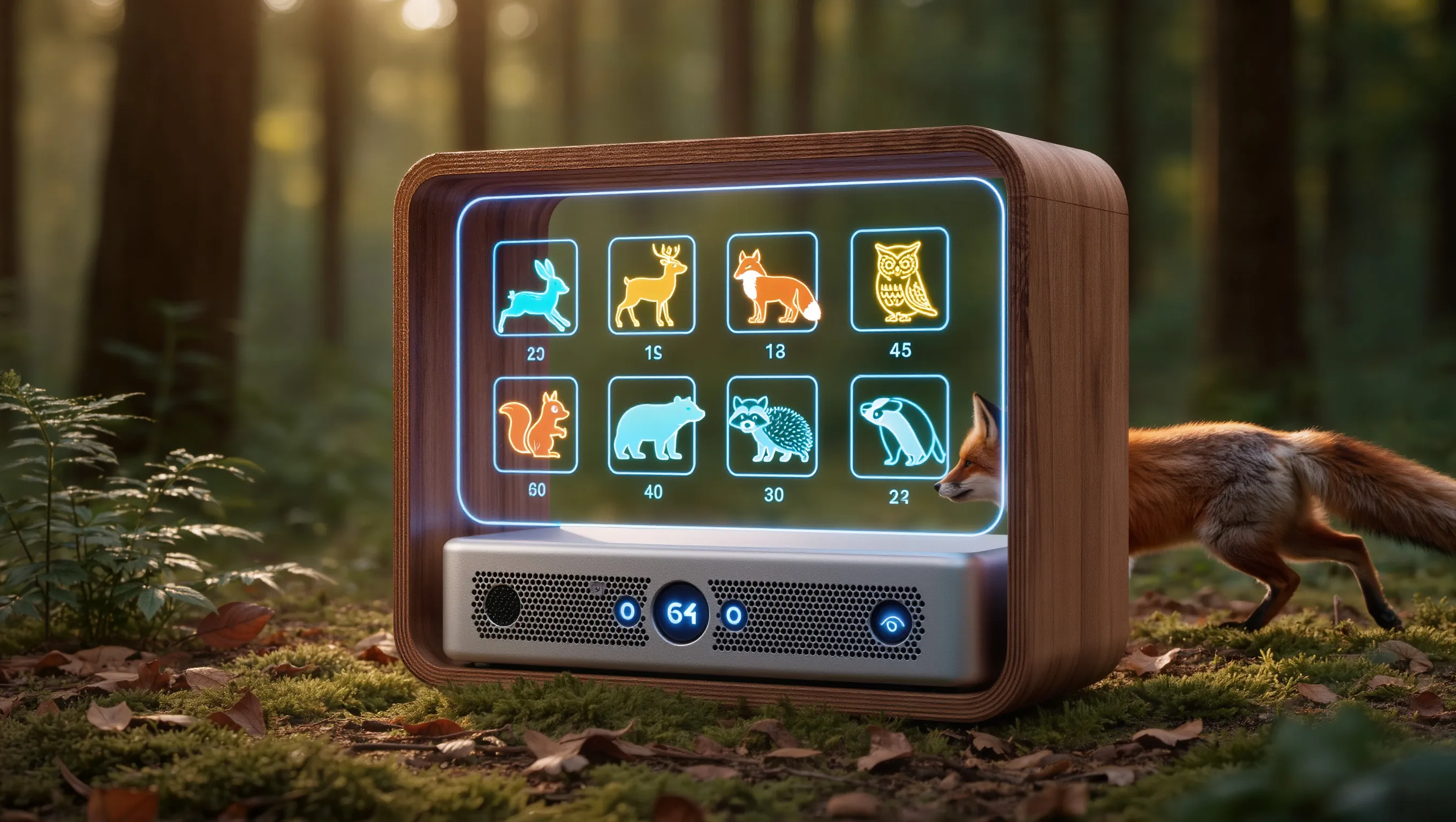
The AI system in Losiny Ostrov represents another step in digitizing ecological monitoring. Authorities plan to expand the technology to other protected territories, from Kaliningrad to Kamchatka. In the coming years, “digital zoologists” could become as common in reserves as rangers and researchers. By automating species tracking and data processing, these systems can strengthen on-the-ground conservation work across vast and hard-to-monitor landscapes.