Neural Networks Take the Front of the Classroom: Nearly Half of Russian Teachers Have Handed Routine Tasks to Algorithms
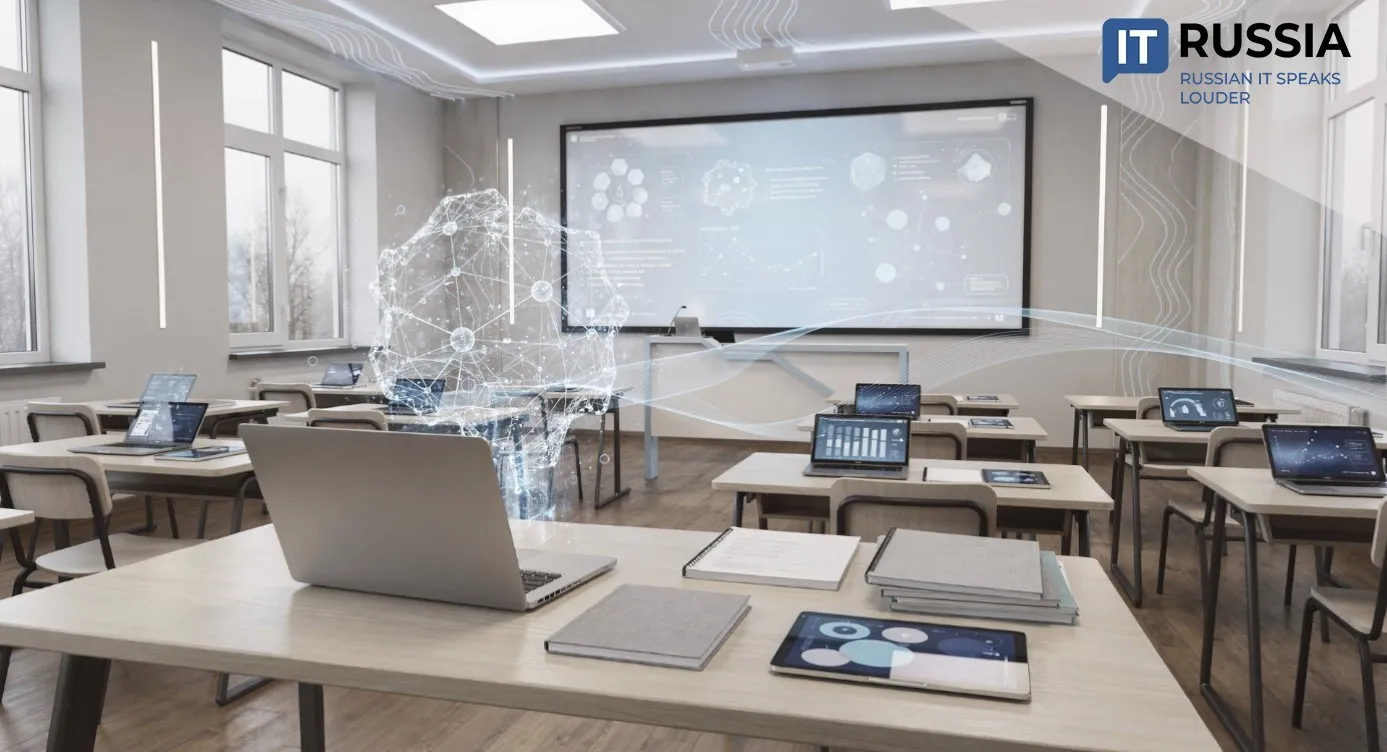
According to a new study by the educational platform Uchi.ru, 44 percent of Russian teachers have already shifted part of their workload to artificial intelligence. What began as an experiment in automation is quickly reshaping how schools communicate, assess performance and organize instruction.
From Chat Spam to Real-Time Analytics
The image of school hallways filled with the smell of chalk and stacks of notebooks is fading faster than many expected. Russian education is undergoing a quiet but structural transformation. Research from Uchi.ru shows that nearly every second teacher in the country – 44 percent – actively uses AI tools in daily work. This shift is not just about saving time. It signals a deeper redesign of communication among schools, students and parents.
AI is first taking over the most time-consuming tasks: administrative work and communication. Teachers use algorithms to manage interactions with parents. Instead of drafting dozens of repetitive messages in parent chat groups or manually preparing academic progress notifications, educators rely on neural networks to structure mailings, send meeting reminders and even track which parents have read important updates.
The most significant impact, however, lies in analytics. Monitoring student mastery and academic progress is becoming automated. Teachers receive structured data snapshots showing which students are falling behind, which are moving ahead and which topics did not resonate with the entire class. This is more than efficiency. It provides a comprehensive performance view with fewer blind spots.

Teaching as an Art in the AI Era
More than 1,000 teachers and over 800 parents participated in the Uchi.ru survey. The findings reveal a clear pattern: educators want more from AI. The current level of automation no longer satisfies them. Teachers who have tested these tools are articulating specific requests for expanded functionality.
One priority is automatic generation of personalized recommendations for parents. Instead of generic advice such as “try harder,” teachers want systems that suggest specific exercises, identify weak topics and offer targeted guidance. Another demand is automated performance reporting. Educators would like software to compile quarterly data, structure it and generate ready-to-use reports complete with charts and conclusions.


In effect, teachers are asking for a digital vice principal that handles operational oversight so they can focus on what matters most: live interaction with students. How that interaction unfolds remains the teacher’s responsibility, says Oksana Balaba, a Russian language and literature teacher from Orenburg. “It is necessary to create assignments that cannot be completed with artificial intelligence. The internet offers ready-made solutions, but it does not develop thinking. That is why we need creative and unconventional formats: quests, debates, creative workshops. In this way, lessons stop being routine and become genuine art,” she explains.

When Technology Becomes Habit
As recently as 2024, the landscape looked different. Only about 20 percent of teachers actively used AI tools. The current figure of 44 percent means that in just 18 months the number of educators applying neural networks has more than doubled. This is not incremental growth. It reflects how quickly technology can become embedded in everyday professional practice.
In 2024, universities such as ITMO University, working with major banks and research institutes, launched the first substantial professional development courses focused on AI for teachers. Schools received not only tools but also structured training. At the same time, the topic moved to the global stage. UNESCO and partners organized roundtables on the ethics and methodology of AI integration in education, contributing to international standards for responsible adoption.
The culmination of this shift came with a decision by the Ministry of Education: in 2026, the first AI textbook will be introduced into the national school curriculum. Students will study algorithms as systematically as they study multiplication tables.

No Turning Back
The trend leaves little room for doubt. AI is becoming part of everyday school routines, and further expansion appears inevitable.
The next phase is likely to bring rapid growth of specialized EdTech tools. The market is expected to respond to teachers’ demands with solutions for advanced analytics, adaptive learning and personalization. The government will likely incorporate AI into all professional development programs, making digital fluency a standard requirement for educators.
There are challenges. Digital inequality remains a concern. While teachers in Moscow and St. Petersburg may request AI-generated analytics, some rural schools still lack stable internet access. There is also a human dimension. Not all veteran educators are ready to adopt new technologies. If 44 percent are already engaged, the remaining 56 percent risk falling behind, potentially widening disparities in educational quality. Yet recent momentum suggests that schools are prepared to meet this challenge.