AI Veterinarian Tracks Every Step Cattle Take
Researchers at Timiryazev Academy have begun field trials of a predictive diagnostics system designed to detect lameness and evaluate the conformation of cattle.
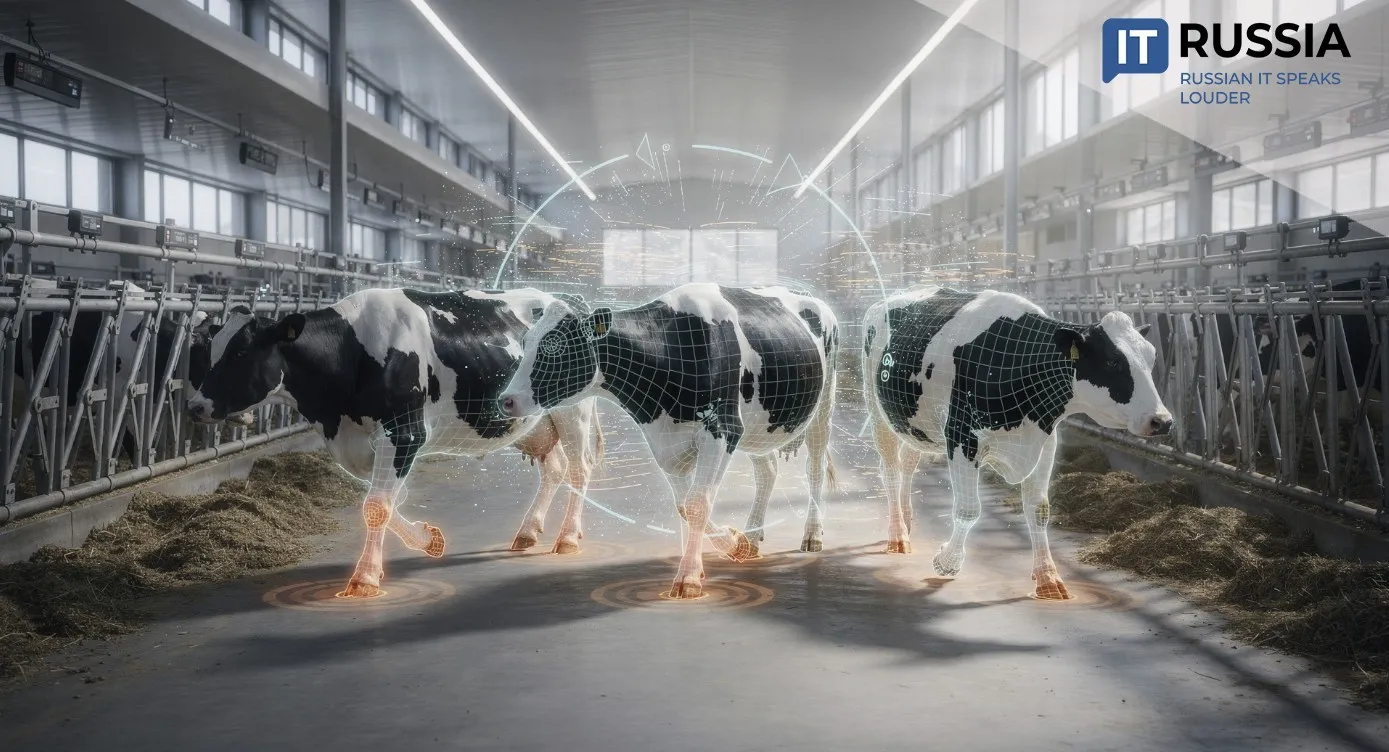
Lameness in cattle is a major problem affecting animal health, productivity and ultimately the economic performance of livestock farms. The condition causes pain, reducing animal activity while also weakening appetite and overall vitality. As a result, dairy cattle produce less milk, while beef cattle gain weight more slowly. Added to this are treatment costs, increased risks of secondary diseases and deterioration of reproductive performance. The problem is global in scale: studies covering nearly 4,000 herds over a 30-year period show that the prevalence of lameness with severity scores above three ranges from 5.1% to 45%.
All that makes early detection critically important. This is where digital systems for monitoring and analyzing livestock health could play a significant role.
Smart Cameras Monitor Every Animal
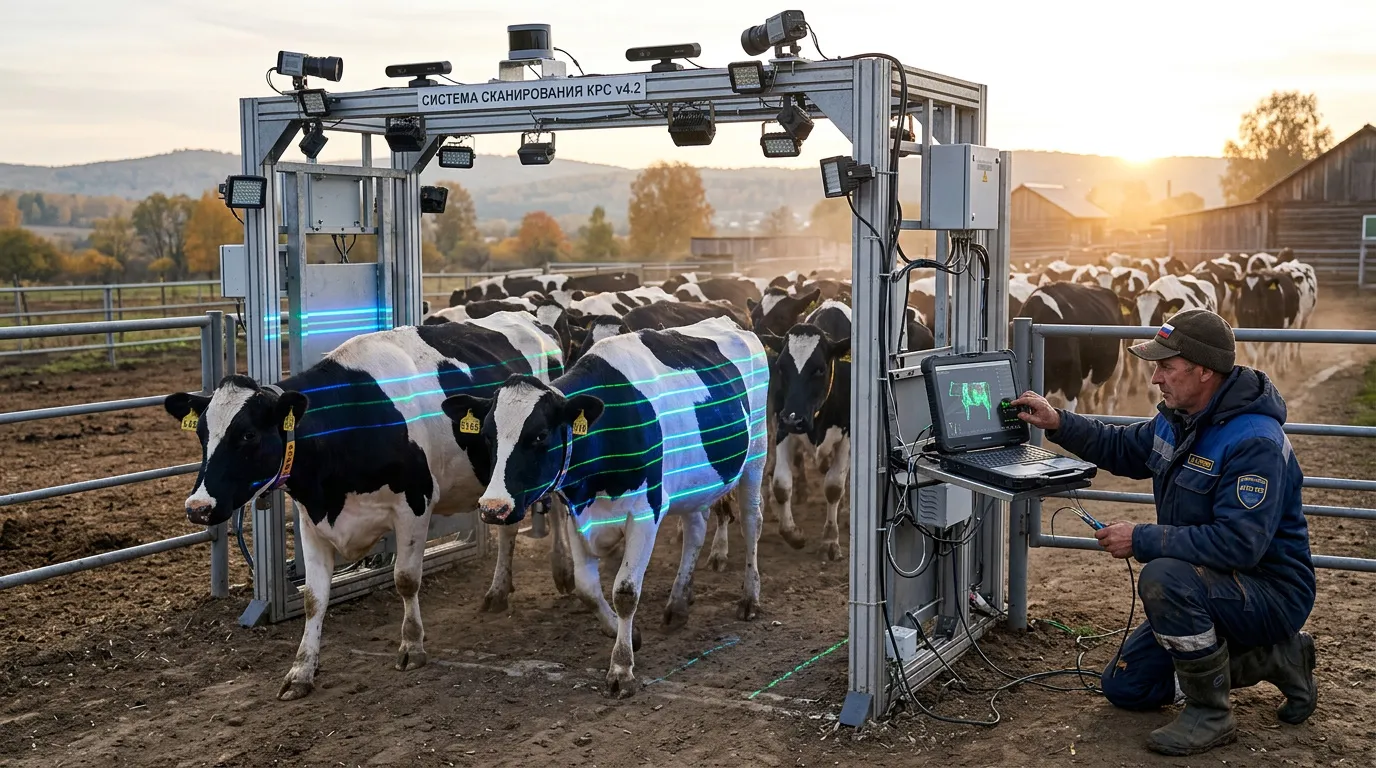
To support early lameness detection in cattle, specialists from the Proyektny institut tsifrovoy transformatsii Rossiyskogo gosudarstvennogo agrarnogo universiteta – MSKHA imeni K.A. Timiryazeva (Project Institute for Digital Transformation of the Russian State Agrarian University – Timiryazev Moscow Agricultural Academy) are developing an advanced intelligent system that combines computer vision technologies, thermal imaging, 3D video capture and artificial intelligence. Russian researchers working on cattle lameness detection describe the approach as an effective solution.
“At a farm with a thousand animals, visually identifying lame cattle is extremely difficult. As a rule, the condition only becomes visible at later stages, when intervention becomes much harder. Smart cameras identify the animal and determine the degree of lameness,” said Niyaz Khaliullin, CEO of Respublikanskiy informatsionno-vychislitelny tsentr Respubliki Tatarstan (Republican Information and Computing Center of the Republic of Tatarstan).
Using cameras and neural-network algorithms, the system records animal movement, analyzes limb positioning and gait symmetry, and identifies early signs of lameness. It then creates a digital profile for each animal that includes condition data together with veterinary and zootechnical assessments.
Researchers at Timiryazev Academy have now begun evaluating the technology under real production conditions. The trials are taking place at AGROECO facilities in Russia’s Voronezh region. The company recently built a new dairy complex suited for large-scale testing, with capacity for 3,500 cows and 5,500 calves.
Diagnostic Accuracy Above 96%
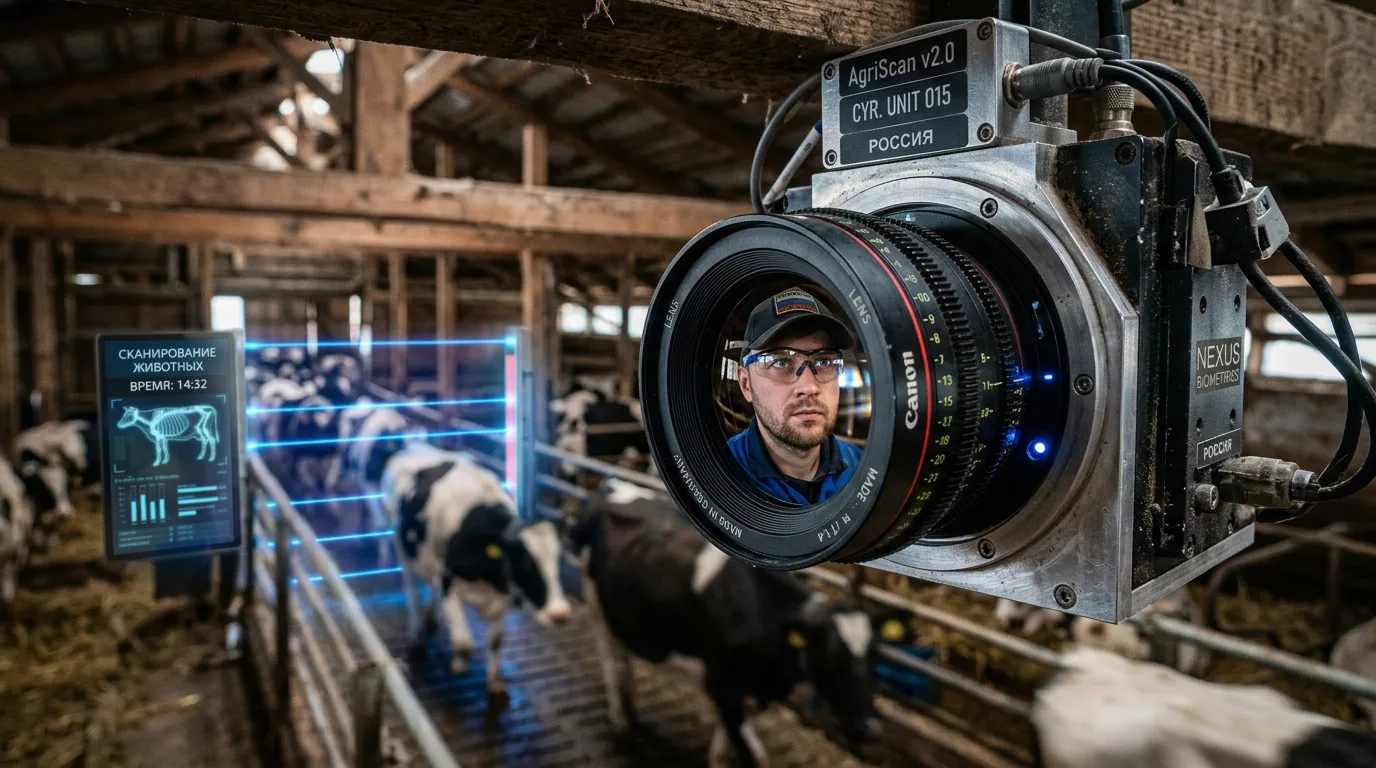
The AI model used for lameness detection and conformation assessment was trained by Timiryazev Academy specialists using a large volume of video data. Researchers expect final recognition accuracy and assessment of repeated animal movement patterns to exceed 96%. The new phase of testing is intended to evaluate real-world algorithm performance and further refine the models using newly collected data.
“The transition from laboratory models to operation in the real agricultural sector is a critical stage for any IT project in agriculture. Our system is based on computer vision and artificial intelligence technologies. Field trials with major partners such as AGROECO allow us to train neural networks on unique datasets and achieve maximum accuracy in predicting animal health conditions,” said Anastasia Grecheneva, Director of the Institute for Digital Transformation of the Agro-Industrial Complex.
Once the new system can reliably identify sick animals at early stages, deployment in commercial operations is expected to begin. That would mark an important step for Russia’s digital agriculture industry. Developers are building an advanced applied neural network that combines multiple digital technologies, including video analytics, predictive diagnostics and integration with edge and IoT infrastructure on farms. The system will also require continuous modernization, particularly to support integration into broader digital farm management environments.
Smart Farm Potential
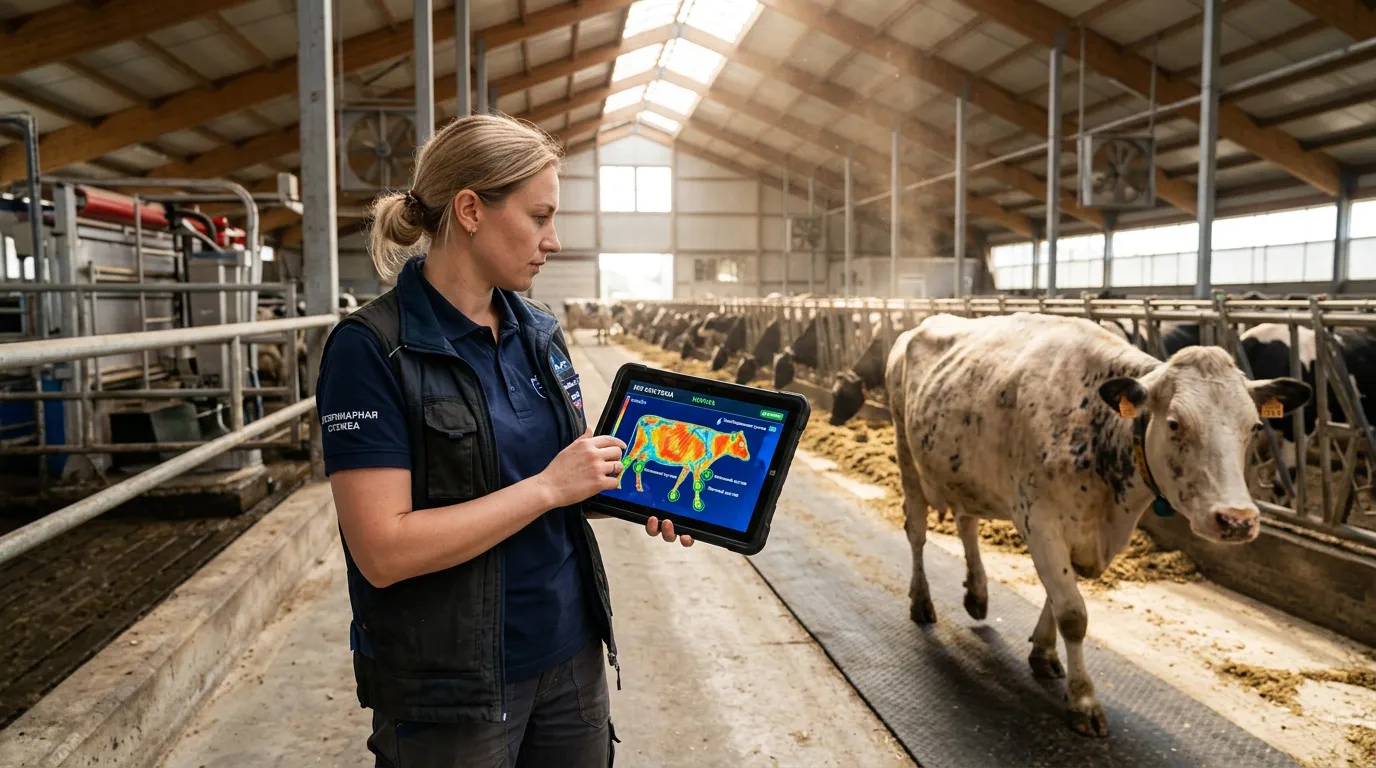
The rollout of digital technologies is expected to improve the economic efficiency of Russia’s livestock sector. Better veterinary oversight and lower production losses could help increase both milk output and beef production. After practical trials and confirmed effectiveness, systems of this type may become a standard component of the digital infrastructure used at large dairy complexes.
Managers at AGROECO’s new dairy complex in the Voronezh region, where the pilot project is now being introduced, will evaluate the system’s performance. The project will operate within a facility where core production processes have already been fully automated and where end-to-end digital monitoring covers the entire animal life cycle through integrated livestock management, veterinary and feeding modules.
Given that AGROECO Group already operates successfully in international food markets, exporting meat products to CIS countries, Southeast Asia and Africa, the company and its partners at the Russian State Agrarian University – Timiryazev Moscow Agricultural Academy could eventually export the technology as part of a broader smart farm platform. In such a system, data on animal health, productivity, feeding and movement would be integrated into a unified management environment.