Bring Your Phone to the Notary: Digital Payment Habits Are Reshaping How Legal Services Are Paid
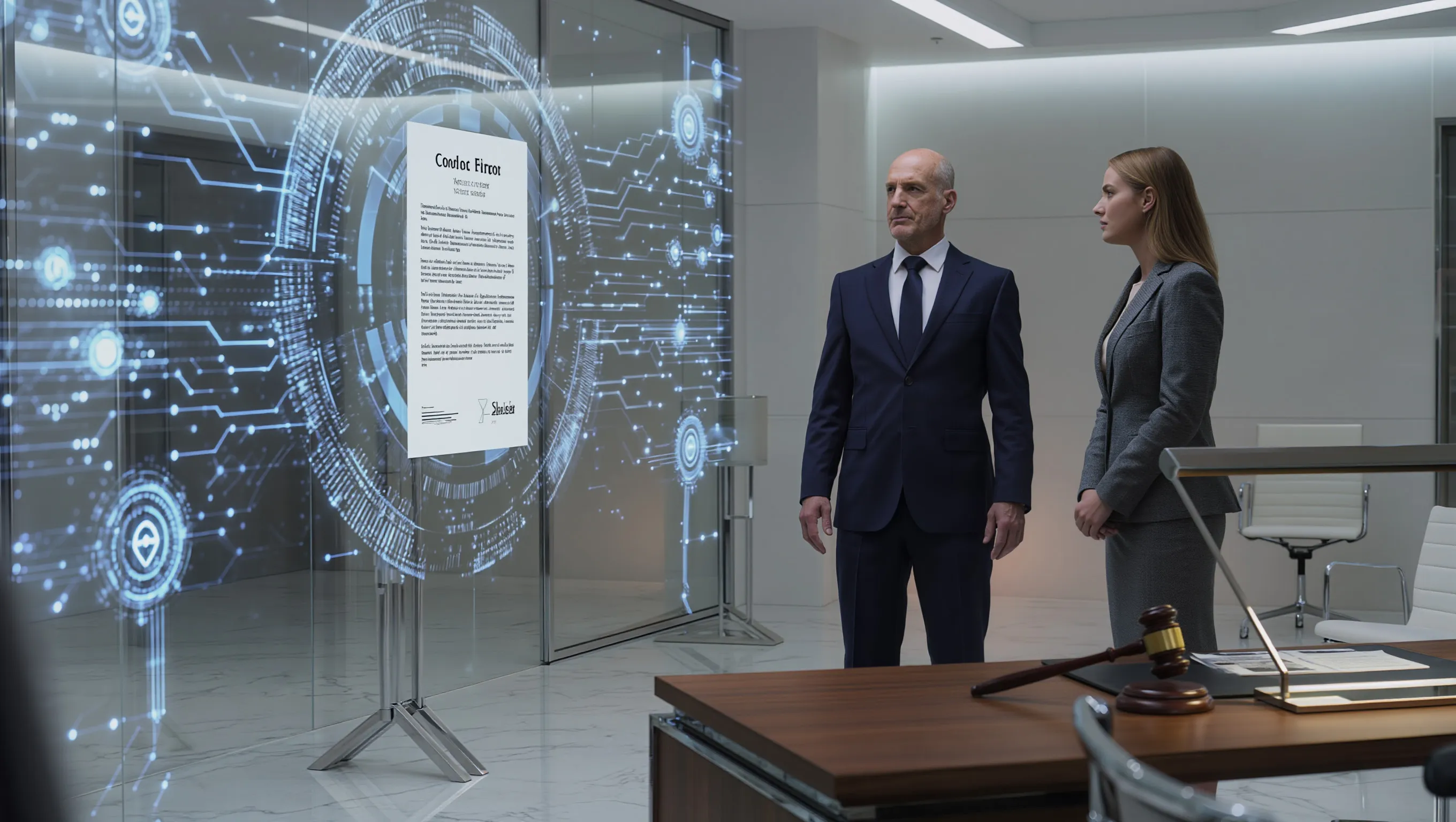
Russia’s notary system has long been among the leaders in digitizing interactions with clients. Now a payment solution developed by Alfa-Bank specifically for this legal institution aims to simplify how financial transactions are handled.
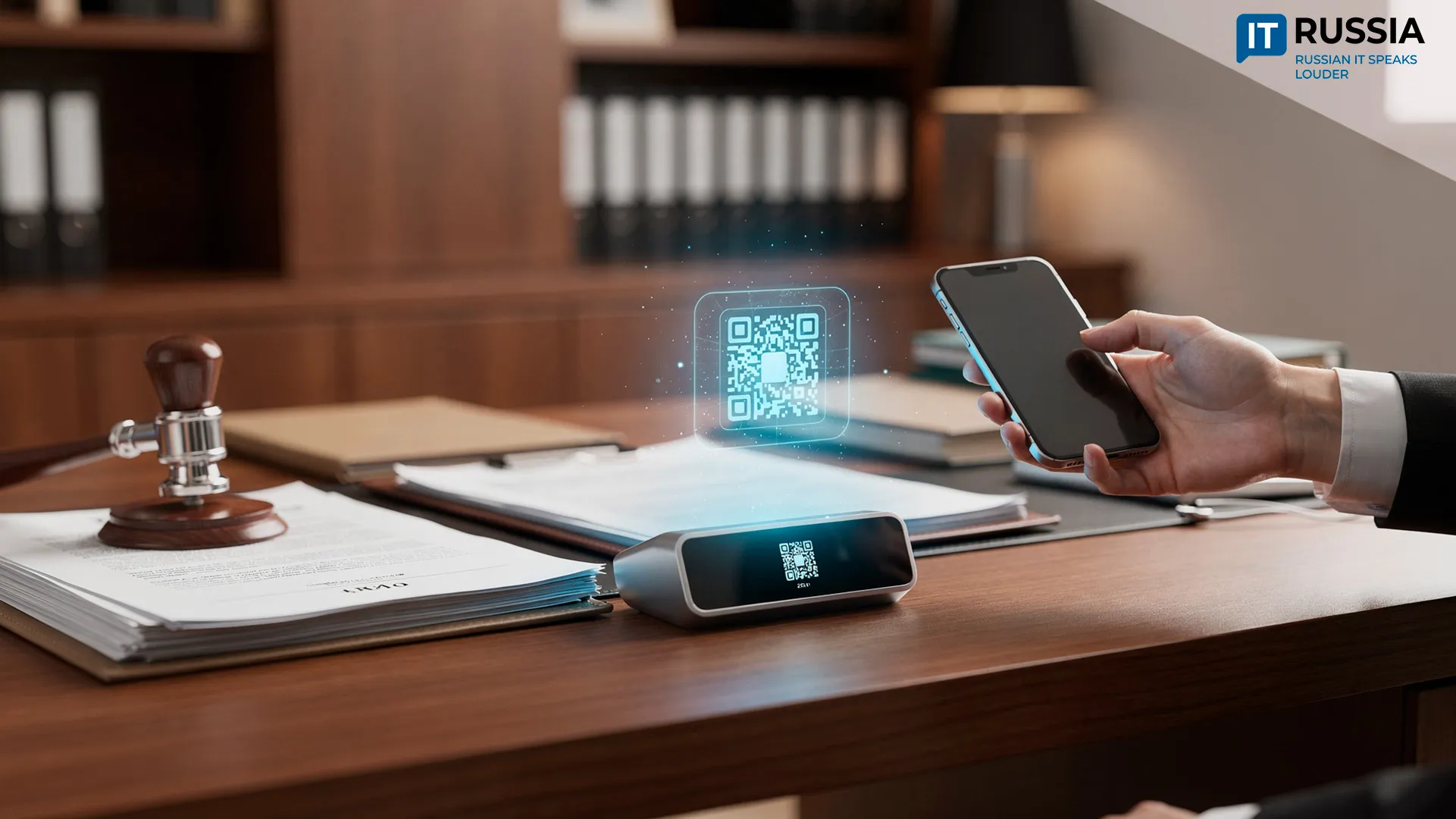
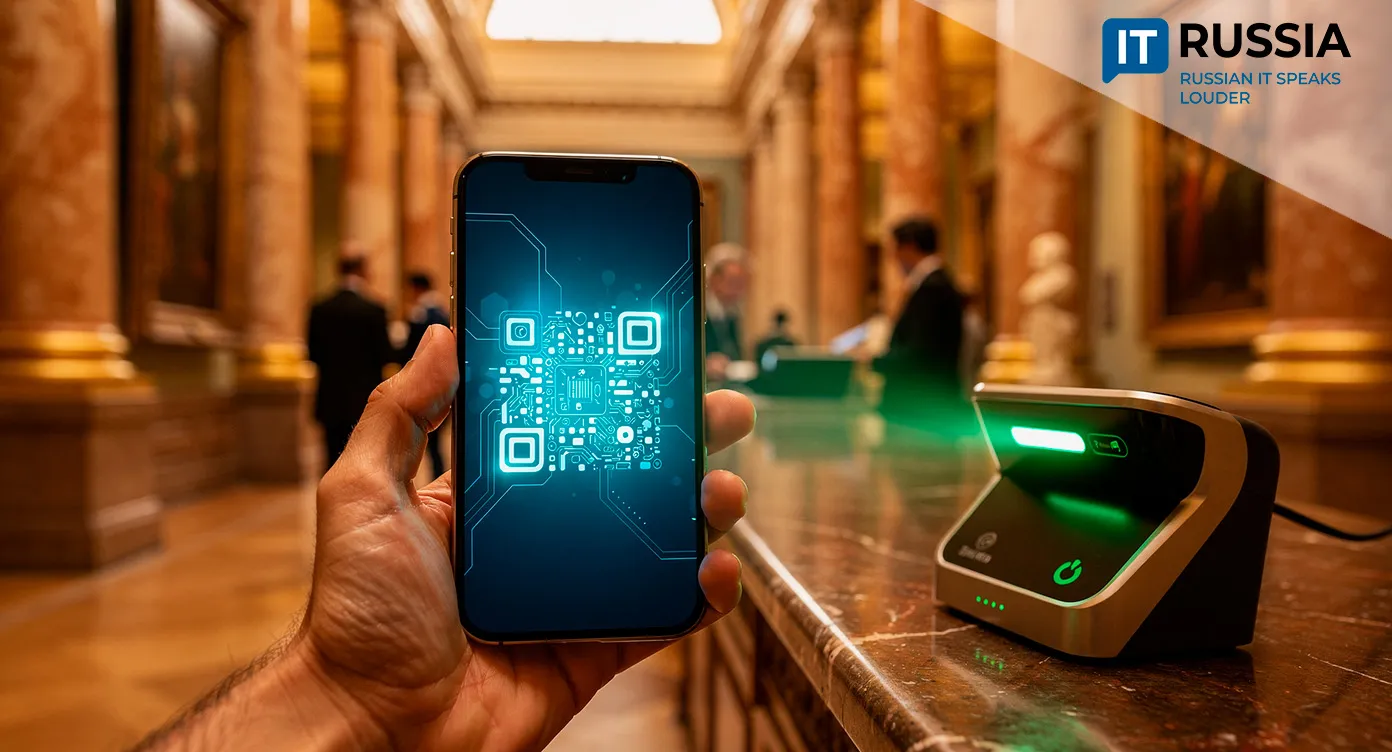
Alfa-Bank has introduced a digital service that allows notary offices to accept payments through Sistema Bystrykh Platezhey (Fast Payments System), widely known as SBP, by generating QR codes that clients scan in the mobile application of any participating bank. Payments are processed instantly, transaction fees are lower than traditional acquiring fees, and the transaction data is automatically recorded in the office’s accounting system.
The Notary QR Code
Clients of notary offices often pay not only for legal services but also for the execution of transactions themselves. For example, when purchasing real estate, funds may be transferred into a special deposit account managed by the notary. In the past, some of these payments were made in cash, which created operational risks and introduced a delay between the moment funds were deposited and when they were credited.
Cashless payments have largely removed these barriers while also making auditing and reporting easier. At the same time, bank cards are no longer the only tool for digital payments in Russia. Consumers increasingly rely on smartphones and banking apps, scanning QR codes to complete transactions directly from their mobile devices.
Better for Businesses, Easier for Clients
Hundreds of thousands of Russians use notary services every year. Introducing SBP payments via QR codes has significantly simplified the payment process. Clients no longer need to manually enter bank details or verify recipient information, and funds arrive instantly. For notary offices and other businesses, the benefits are equally clear. Faster payment processing speeds up client service, while lower transaction costs reduce expenses that would otherwise be spent on card acquiring fees.

Alfa-Bank’s digital solution is not merely a response to evolving consumer preferences. It also anticipates the next stage of Russia’s fintech infrastructure. In 2026, services integrated with banking APIs are expected to be deployed on a large scale. Starting September 1, the country will introduce Ediny QR-kod (Unified QR Code), a nationwide standard for paying for goods and services. The system will operate through SBP within the infrastructure of Natsionalnaya Sistema Platezhnykh Kart (National Payment Card System), or NSPK.

From Peer Transfers to Business Payments
Russia launched SBP in 2019 to allow individuals to transfer funds between accounts held at different banks. In 2020, the system expanded into the B2C segment, enabling companies to send payments to individuals using only a phone number. In 2024, the platform was extended to B2B transactions, allowing companies to settle payments with each other through the same infrastructure.
Instant transfers that work regardless of the day of the week or time of day quickly gained traction. According to the Central Bank, by the fourth quarter of 2025 nearly two-thirds of Russia’s population had used SBP to transfer money, while every second user had paid for goods and services through the system. A total of 215 banks across the country are connected to the platform.
Toward a Unified Payment Space
The next stage of development for Russia’s digital payment ecosystem will be the rollout of the unified QR code. The initiative is synchronized with the broader introduction of the digital ruble.

Beginning September 1, 2026, banks and their large corporate clients with annual revenue exceeding 120 million rubles (about $1.4 million) must support payments using the unified QR code. In autumn 2027, the system will expand to banks with universal licenses and companies they serve with annual revenue above 30 million rubles (about $360,000). By autumn 2028, all remaining banks and companies with revenue exceeding 20 million rubles (about $240,000) will join the system.
The result will be the creation of a single national payment environment.
Digital economy tools are already reshaping everyday consumer habits in Russia. The integration of fintech solutions into specialized professional workflows, including notary services, signals that the country’s digital infrastructure is entering a more mature phase.