Smart Air: Syktyvkar Launches a Pilot Environmental Monitoring System
In the capital of Russia’s Komi Republic, a new digital platform has been launched to monitor air quality in real time. The system combines environmental sensors, data analytics and artificial intelligence to help residents better understand the condition of the air they breathe.
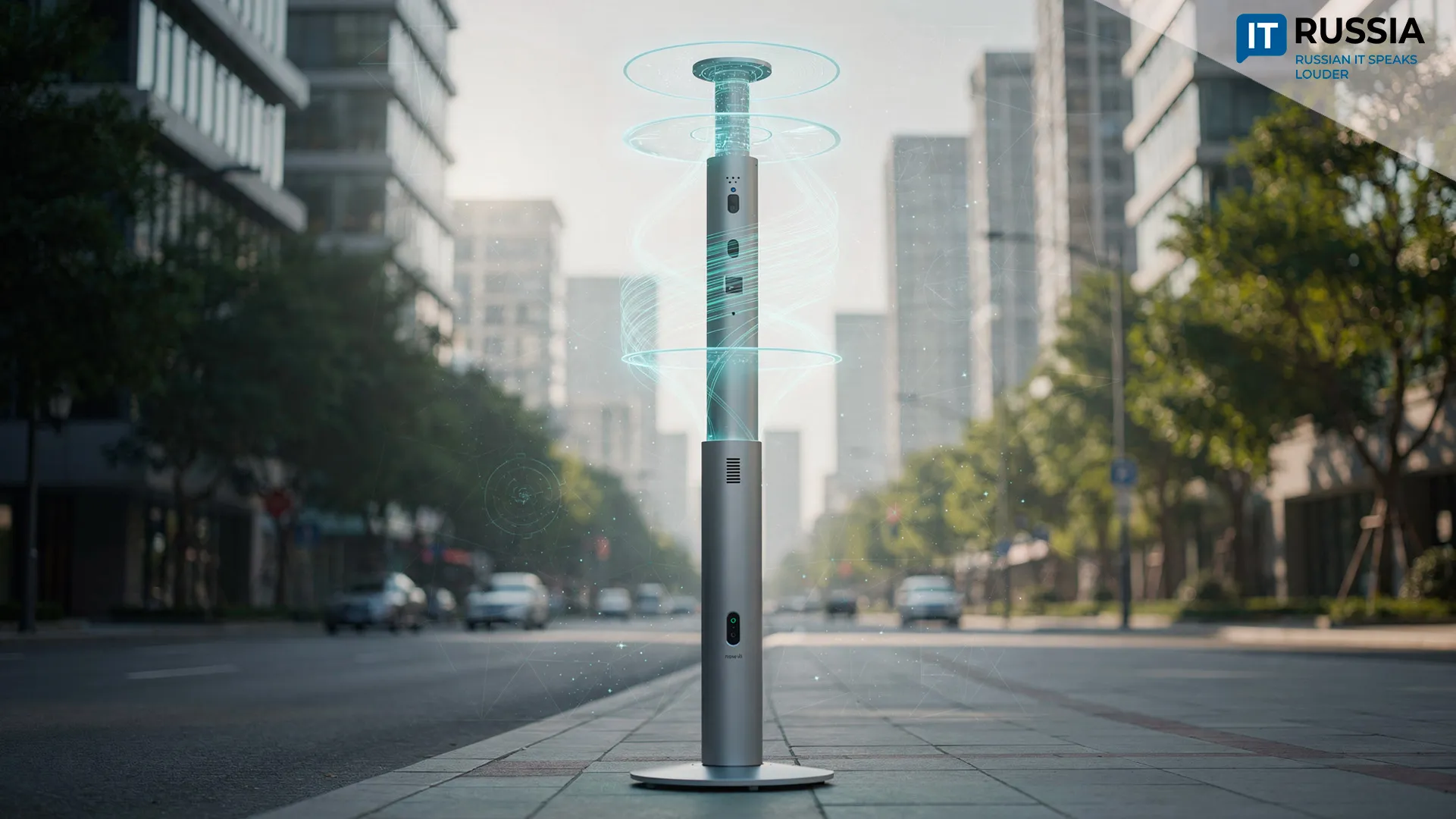
The first smart atmospheric monitoring station has begun operating in Syktyvkar as part of a joint initiative by the regional Ministry of Natural Resources and the telecom company MTS.
The digital solution is entirely domestically developed. MTS has already deployed similar monitoring platforms in several Russian regions, although each system is tailored to local conditions such as climate, industrial activity and the density of urban development. The system installed in Komi can also be adjusted for other parts of the republic if necessary.
What the District Is Breathing
The first device was installed in the Verkhny Chov district, where residents have frequently complained about unpleasant odors. Now they can check the quality of the air they breathe in real time and even receive forecasts for the next 48 hours. These forecasts are generated by artificial intelligence that analyzes data from sensors tracking air composition and meteorological parameters including temperature, humidity, wind direction and wind speed.
“We see the development of environmental monitoring as part of a broader digital infrastructure for the region and are ready to scale the system across other territories of the Komi Republic,” said Alexander Samuilov, director of the MTS regional branch in Komi.

Data as a Tool for Environmental Protection
Automated air pollution monitoring stations are already operating in other Russian regions, including the Republic of Tatarstan. There, petrochemical enterprises are integrated into a unified regional monitoring network and continuously update environmental measurements visible to residents through the platform Ekokarta Tatarstana (Eco Map of Tatarstan). In 2024 alone, monitoring stations operated by the regional Ministry of Ecology carried out 4.3 million measurements. Air quality limits were exceeded in 1,660 cases, which represents only 0.038 percent of the total. Over the past thirty years, while the region’s gross regional product tripled, overall atmospheric emissions declined and air quality improved by 24.1 percent.

Industrial companies are also launching their own monitoring initiatives. The mining and metallurgical company Norilsk Nickel has introduced air quality monitoring systems in cities where its operations are located. A digital monitoring platform has been deployed in the city of Monchegorsk, where environmental data from the monitoring stations are published on the official website of the municipal administration and are available to all residents.
“The company is systematically implementing a program to improve environmental conditions in the cities where its enterprises operate. In the Murmansk region, and specifically in Monchegorsk, we have already achieved significant progress: emissions have been reduced by 90 percent,” said Stanislav Seleznev, Vice President for Ecology and Industrial Safety at Norilsk Nickel.
Toward a Smart and Environmentally Responsible City
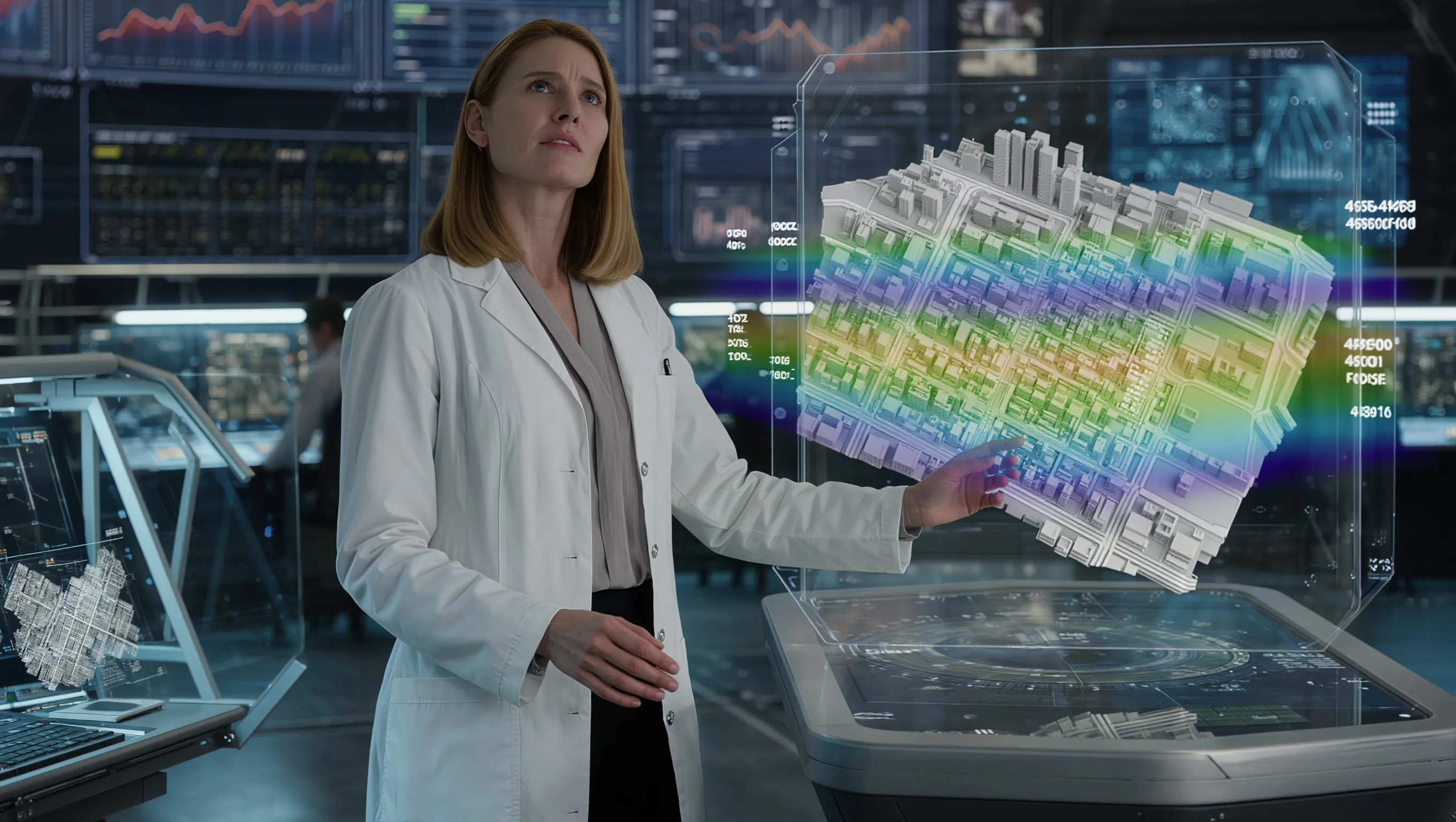
The air quality monitoring system gradually spreading across the country provides objective, timely and accurate environmental data. Over the next one to two years, the network of sensors is expected to cover all districts of Syktyvkar, creating a detailed map of pollution distribution throughout the city.
In the future, such monitoring infrastructure could become part of a broader Smart City framework. Environmental data may appear in mobile applications and interactive portals, allowing residents to track ecological conditions in real time and receive alerts if the situation deteriorates. Most importantly, the information gathered by these sensors can serve as a foundation for concrete actions aimed at improving the environmental situation.