How RusHydro's AI Assistant Accelerated Document Workflows
RusHydro, Russia's largest power generation company, has developed its own intelligent document management system built on large language models. The project's knowledge base now contains more than 16,000 internal regulatory documents, including orders, methodologies, policies, and other corporate records.
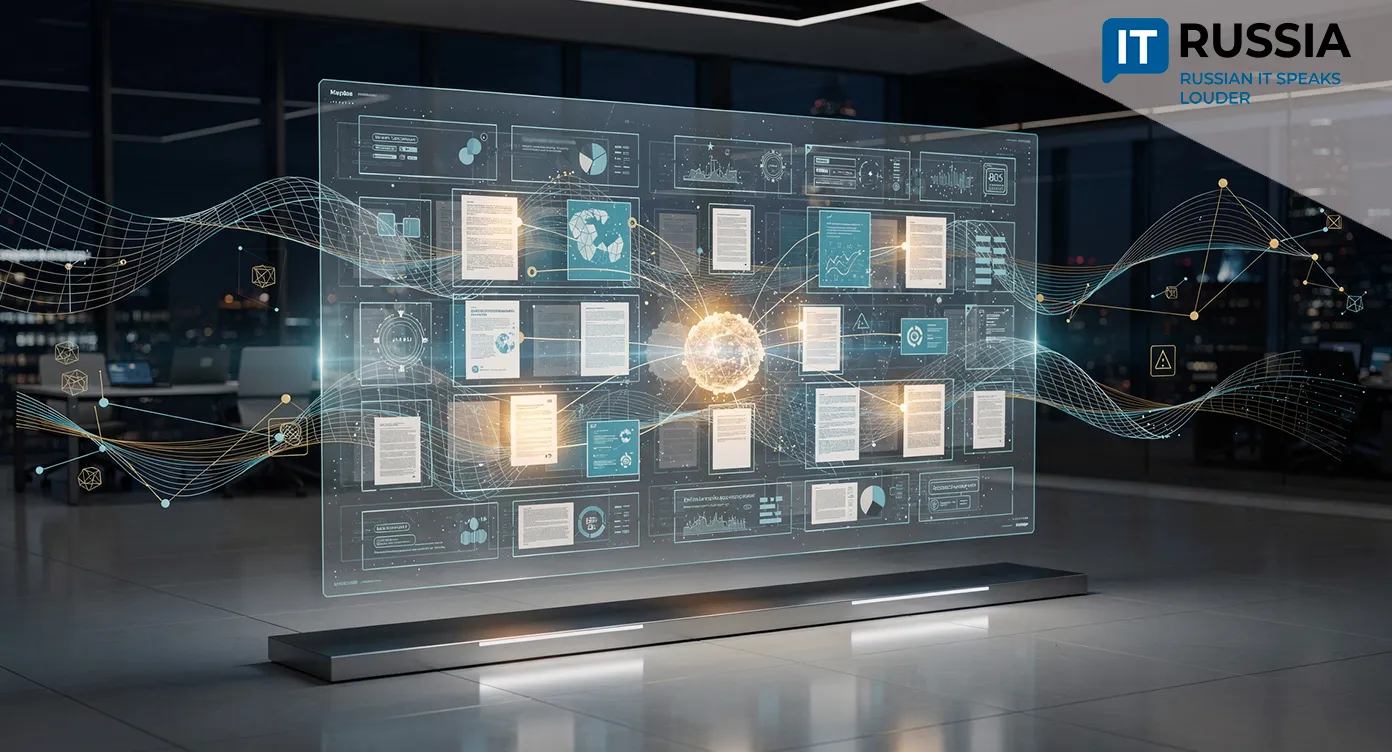
With the help of the AI assistant, employees are expected to spend far less time searching for information. At the same time, the system delivers complete and detailed answers because it draws information from multiple sources simultaneously.
Works With Meaning, Not Just Keywords
The new AI document assistant was developed by software engineers at RusHydro IT Service at the initiative of the company's internal auditors. It has become part of the energy group's broader digital transformation program. The knowledge base contains thousands of corporate orders along with hundreds of internal policies, standards, and regulations used across the holding company. Previously, employees could access these materials only through the Consultant Plus system, where searches relied exclusively on keywords. Staff often spent up to 30 minutes locating relevant documents and reviewing them to find the information they needed.
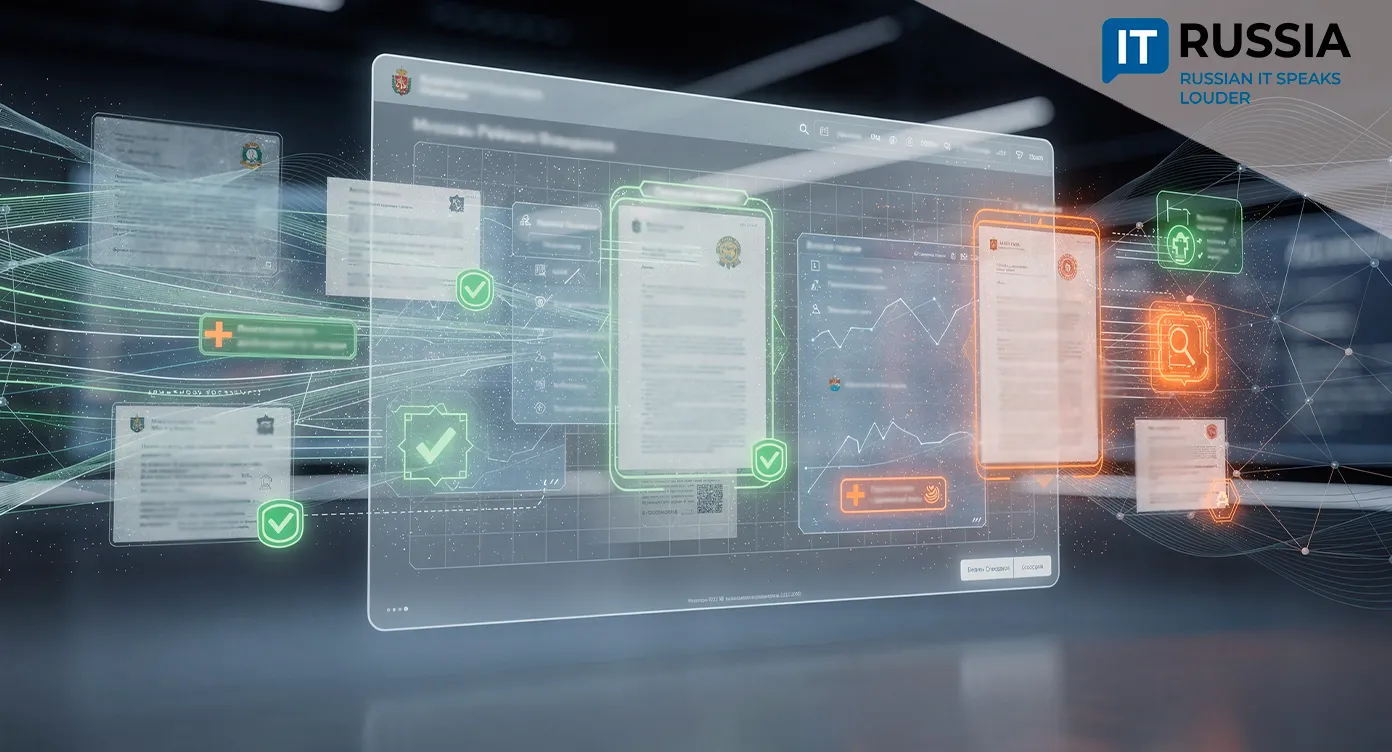
The new platform takes a different approach. Built on AI technologies, it analyzes not only keywords but also the underlying meaning of a request. The assistant cites specific sections of documents in its responses and combines information from multiple sources at once. It can also summarize lengthy materials and compare different versions of the same document.

Uses Multiple AI Agents
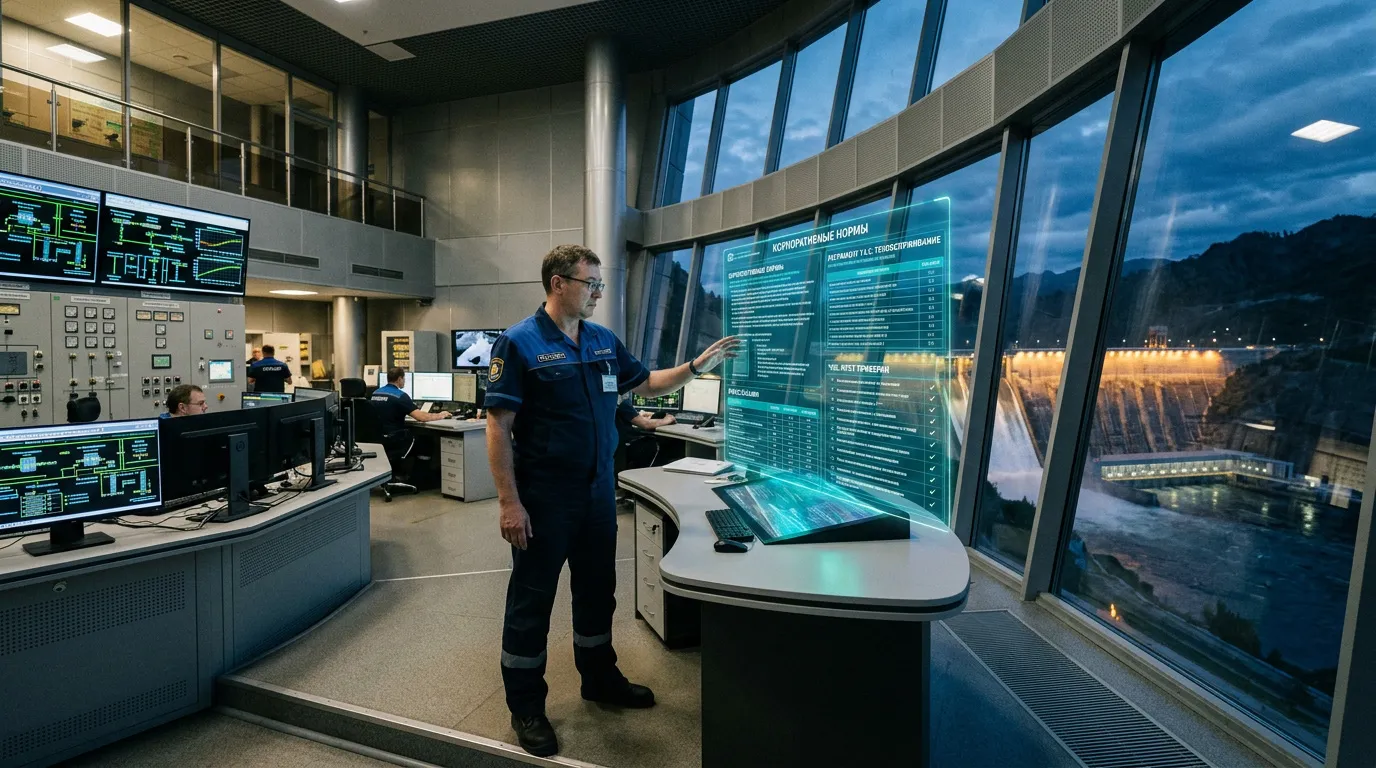
The platform developed by Russian engineers is built on large language models. Several specialized AI agents are embedded within the system, each responsible for a specific category of tasks, including semantic search, summarizing large documents, comparing versions, and generating task checklists in table format. Notably, the platform automatically determines the type of request and routes it to the AI agent best suited to handle that task. Search results are then filtered according to relevance, file type, and document currency.
All processing takes place on RusHydro's local servers, helping maintain information security and control over sensitive corporate data. The company deliberately chose in-house development rather than purchasing an off-the-shelf product. Available market solutions required substantial investment while offering limited control over data that could potentially be exposed to external parties.
Answers Arrive Ten Times Faster
According to the developers, the time required to receive an answer to a specific question has been reduced by a factor of ten. More importantly, however, targeted keyword searches have been replaced by deeper analysis and more comprehensive responses. The system is currently being tested by employees in internal audit, compliance, technical regulation, and procurement divisions. Once testing is complete, access to the AI assistant will be expanded to everyone who works with the company's corporate document repository.
The energy holding company plans to expand the assistant's capabilities so that it can answer questions based on documents that were in force on a specific date. Future updates will also include semantic comparison of newly issued documents against previously approved versions, as well as adaptation to a new Consultant Plus data format.
RusHydro's project illustrates how generative AI is being deployed in Russia's energy sector, a strategically important industry. The initiative demonstrates a shift from pilot AI experiments toward real industrial use cases in which AI works with closed corporate datasets, coordinates multiple AI agents, and operates within controlled infrastructure environments. Over time, the platform could improve operational efficiency, reduce administrative costs, and strengthen management quality, all of which contribute to the reliability of Russia's energy infrastructure. The deployment of domestically developed systems like this also supports the country's broader goal of technological sovereignty.