Data Centers at Nuclear Power Plants Are Reshaping Construction and Daily Life
In 2025, Russia commissioned its first local data centers at several nuclear power plants, opening up new technological, economic, and social opportunities for both the facilities themselves and the surrounding regions.
A Year of Launches and Why It Matters
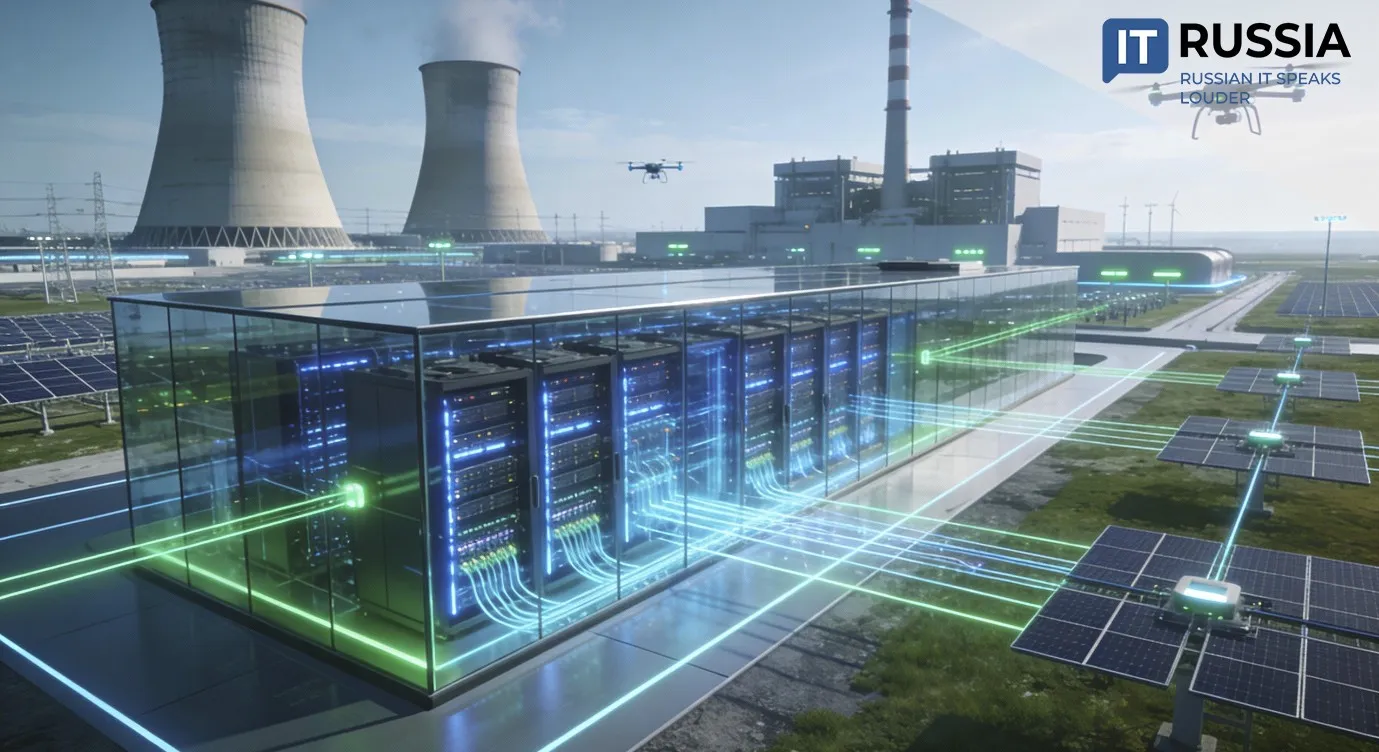
The year 2025 marked the first real deployments of local data centers built adjacent to nuclear power plant sites. These were not pilot installations but fully fledged facilities designed for industrial operation, complete with computing clusters, backup storage systems, monitoring tools, and disaster recovery capabilities.
The data centers are tightly integrated with automated process control systems and the plants’ remote monitoring infrastructure. As a result, key computations and primary analytics are now performed close to the data source rather than being sent to distant cloud platforms. This reduces latency in telemetry processing, enables faster operator response, and lowers network-related risks.
Technology and Architecture Inside the Facilities
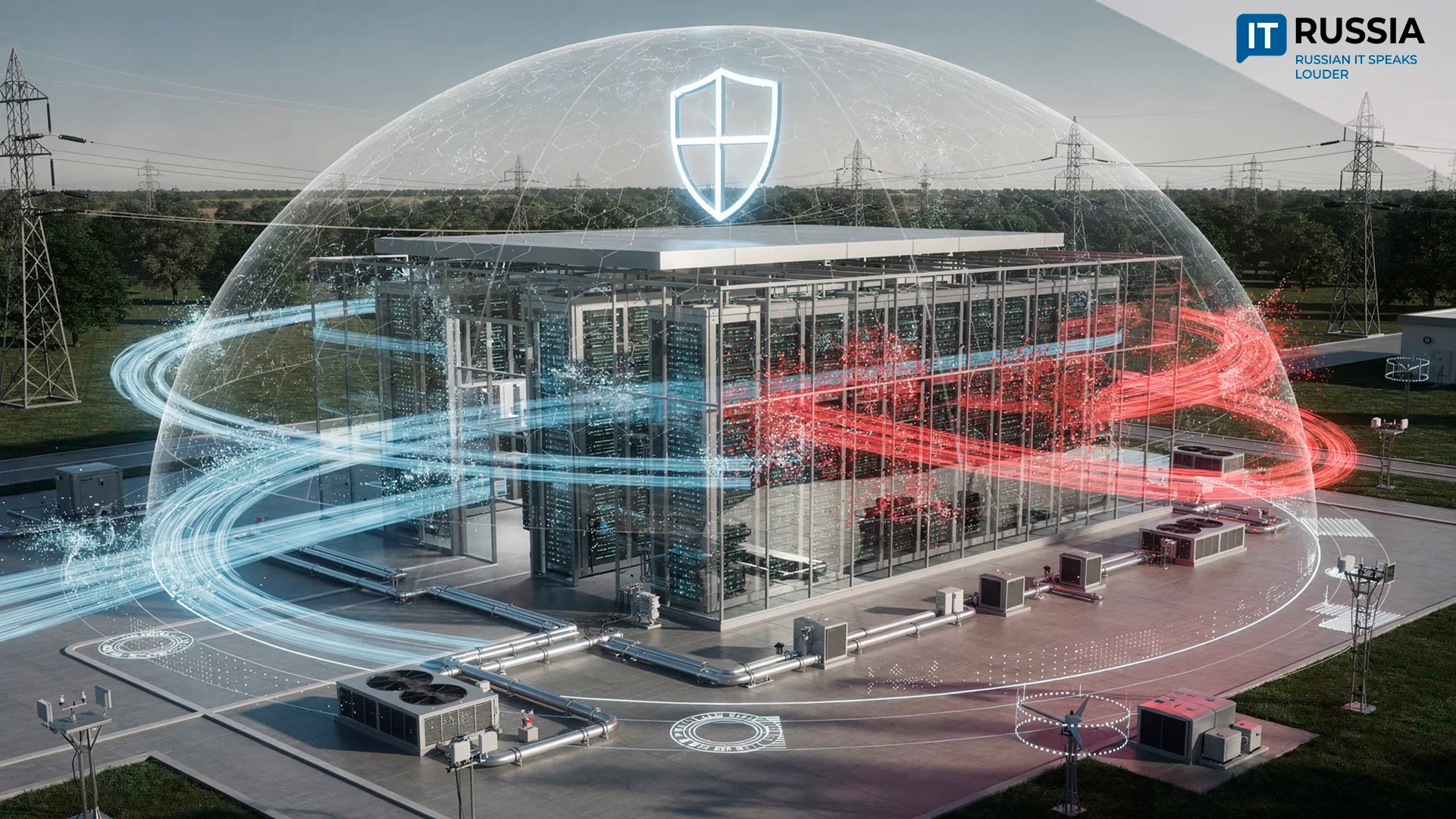
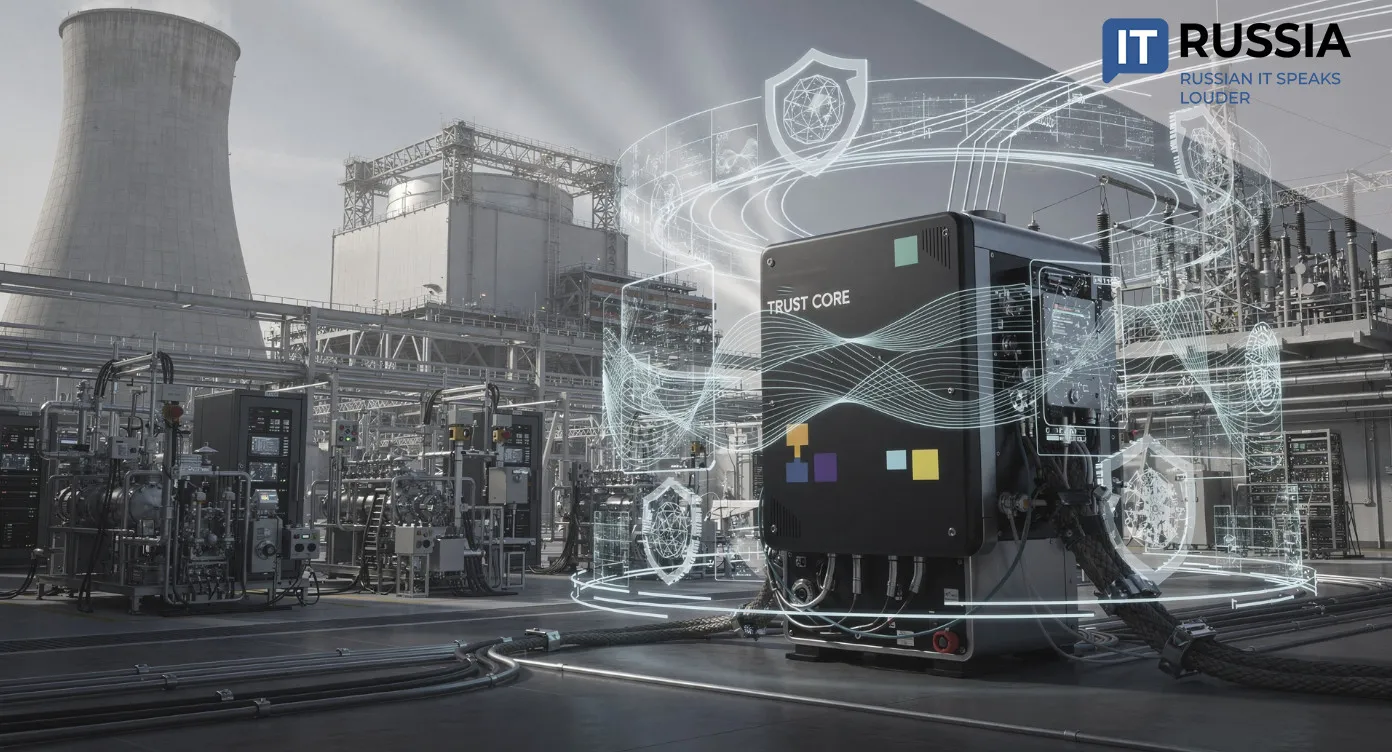
The architecture of these local data centers is designed around guaranteed availability and data protection. The facilities use fault-tolerant server racks, distributed storage systems, automatic switching of communication channels, and integration with local microgrids to ensure uninterrupted power supply.
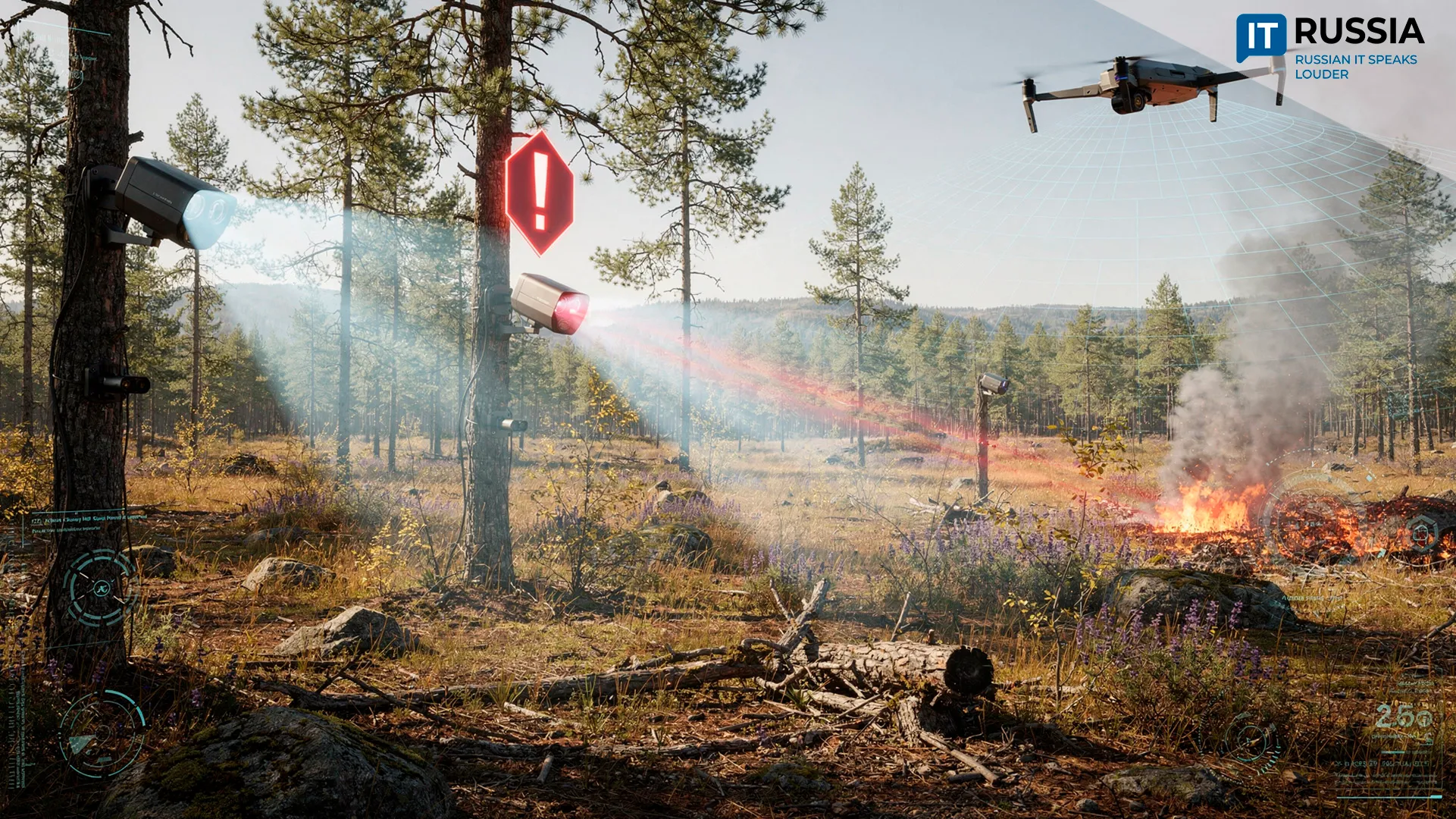
A critical element is edge computing. Preprocessing data from sensors and video streams directly on site reduces the load on backbone networks and delivers low latency for safety-critical scenarios.
At the same time, advanced encryption mechanisms, integrity controls, and strict access management have been implemented. These measures are designed to meet both industrial safety standards and regulatory requirements.
Practical Impact on Construction and Operations
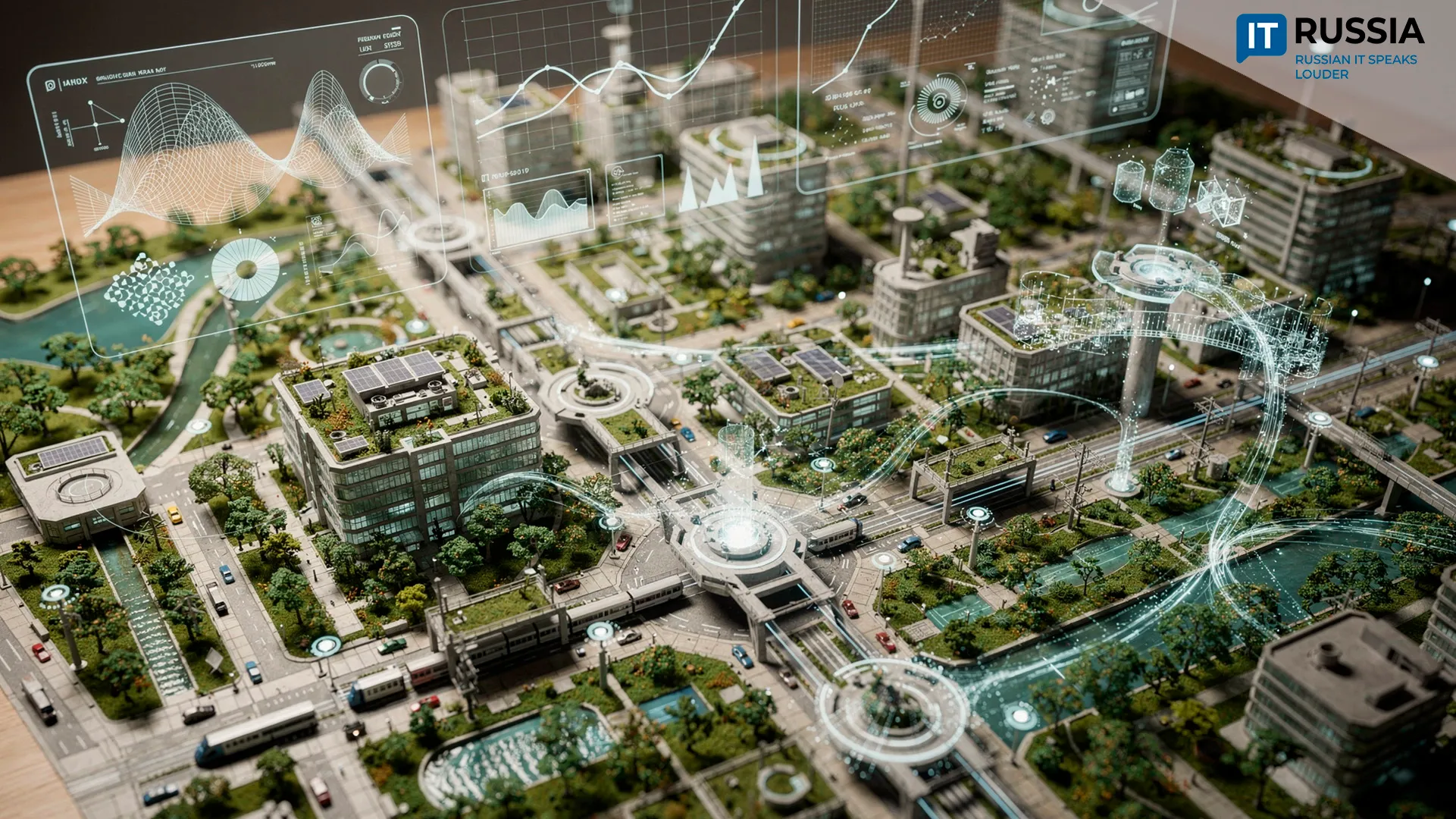
During the construction phase, the data centers improved logistics management, enabled closer tracking of installation work, and allowed faster responses to schedule deviations. In operational use, the impact has been seen in shorter equipment diagnostics cycles and the ability to run complex digital twin simulations locally. This has reduced downtime and lowered the risk of equipment failures.


In addition, local computing resources allow nuclear plants to keep critical analytical services running autonomously. Even if external network connectivity is lost, core functions remain operational.
Social Returns and Commercial Potential
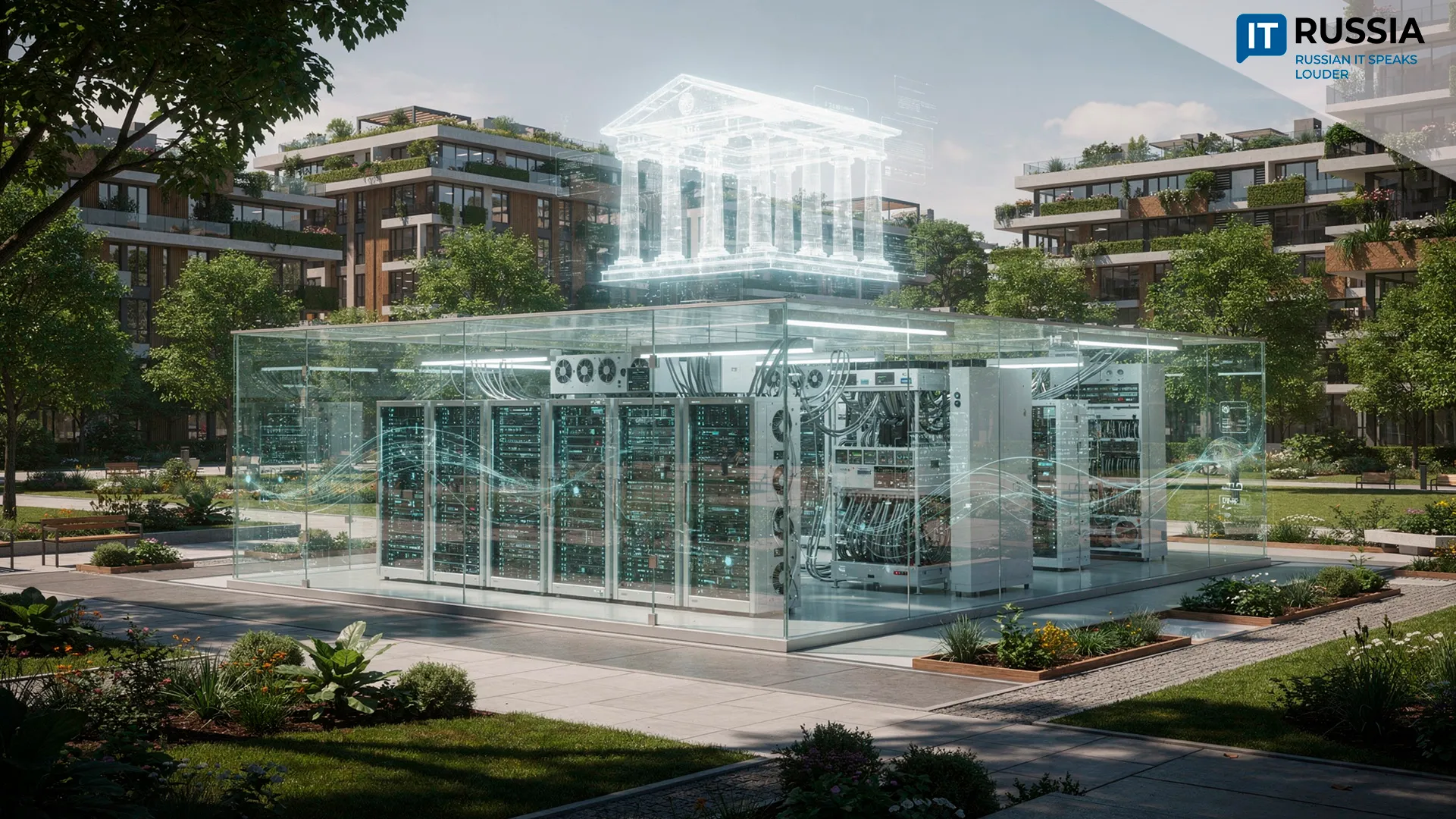
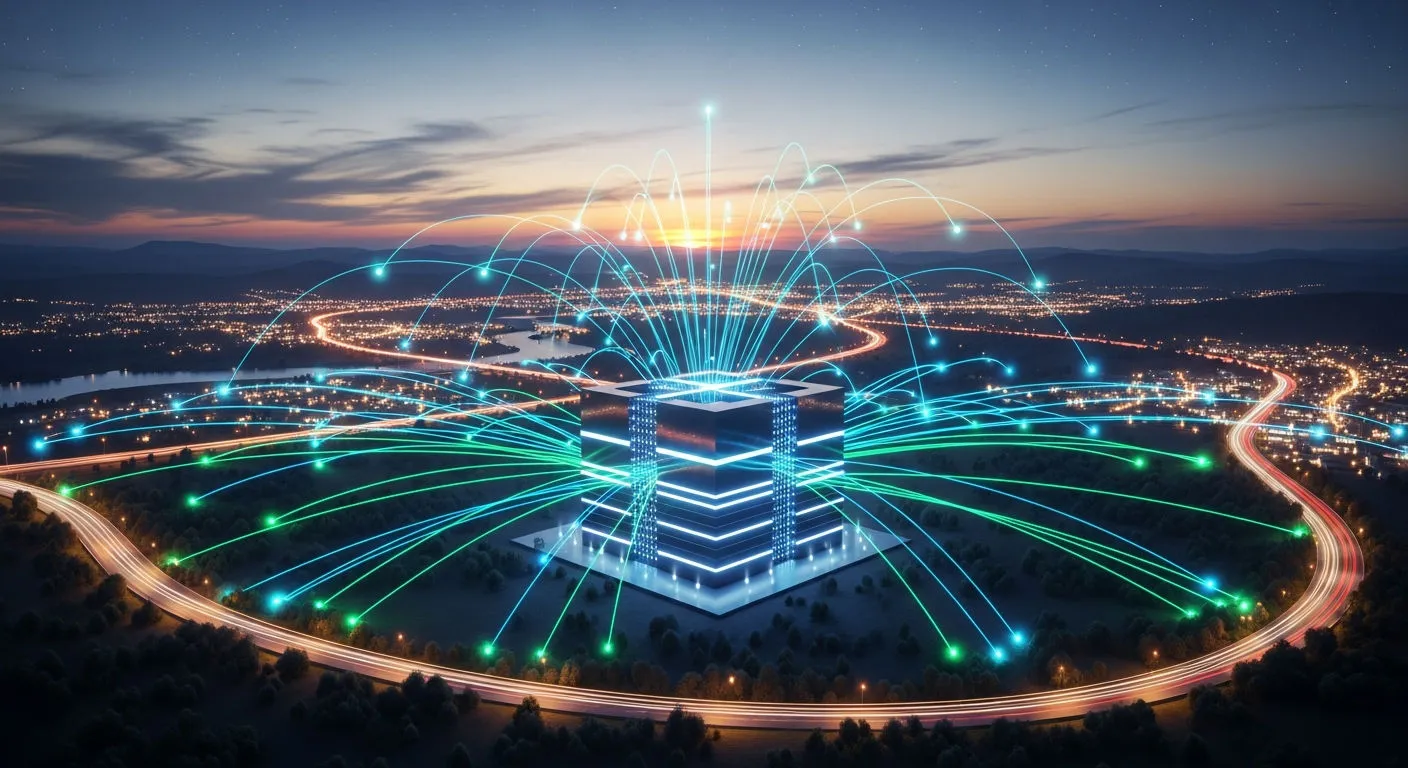
A data center at a nuclear power plant is not an asset solely for the facility itself. Spare computing capacity and communication channels are being used to support regional digital services, including telemedicine, remote education, and cloud platforms for municipalities and small businesses.
Part of the capacity is expected to be offered to commercial clients in nearby areas. In this model, the data center becomes a local hub of the digital economy rather than a closed industrial asset.

Risks and Regulation
The next challenge is establishing clear regulatory frameworks for hardware certification, software validation, and data exchange procedures between sites.
Cybersecurity capabilities must also be strengthened. The interface between the data center and the automated control systems represents the most sensitive point of vulnerability. Staffing is another issue. Operating such facilities requires engineers with combined expertise in energy systems, networks, and computing. Proposed solutions include new training programs, joint educational platforms, and standardized professional qualifications.
Infrastructure in a New Format
Plans include replicating this model at additional sites, expanding capacity, and launching commercial services. The next phase involves integrating local data centers into regional computing clusters, where workloads can be distributed dynamically and the failure of a single node does not disrupt the system as a whole. This approach increases resilience and delivers economic benefits by lowering data transmission costs and creating new revenue streams for regions.
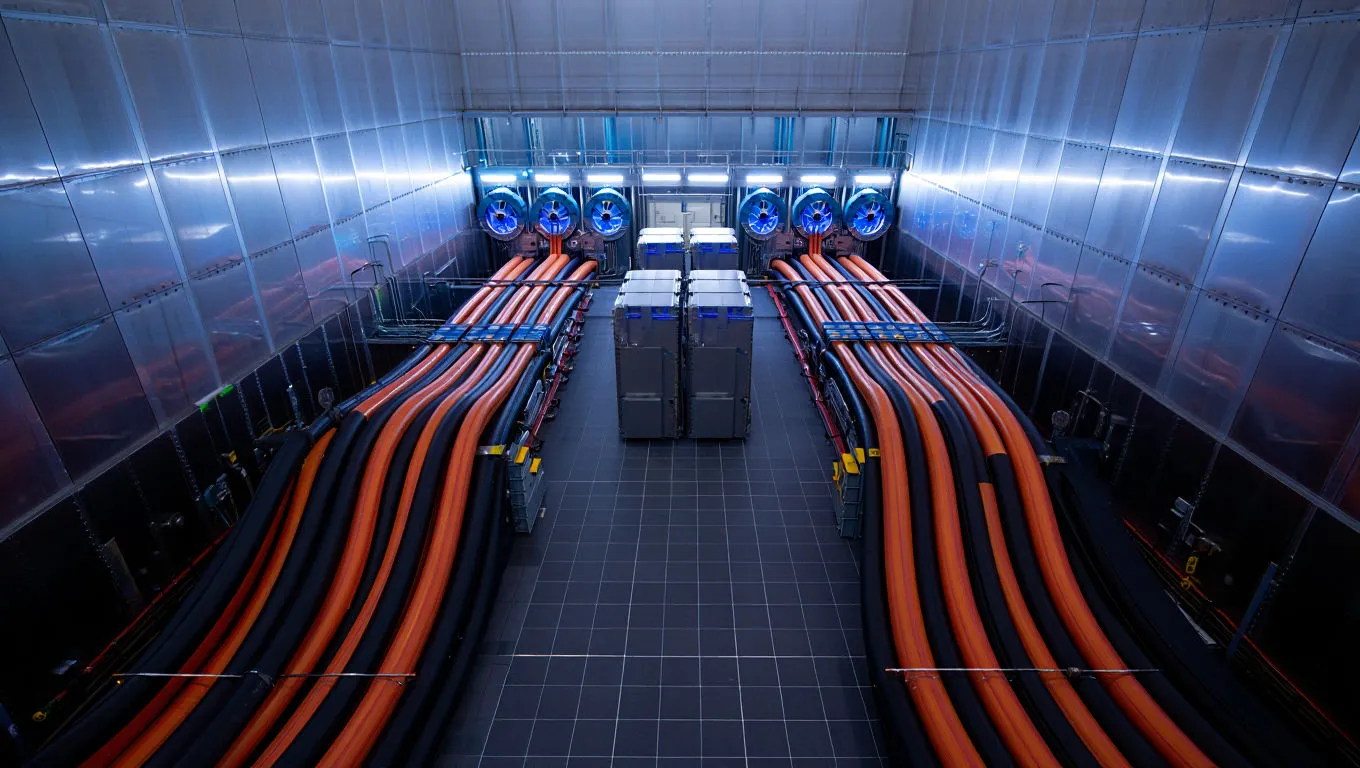
Year-end results show that local data centers at nuclear power plants have already become a core element in the design of modern facilities. They provide operational resilience, localized analytics, and social digital services.
The year 2026 will determine how quickly this model scales and how deeply it becomes embedded in Russia’s national digital infrastructure strategy.