Russian Nuclear Engineers Test Training Simulator for the Future BREST-OD-300 Reactor
Testing has been completed for a training simulator designed to prepare operators of an innovative fast-neutron reactor. This marks a critically important milestone ahead of commissioning a power unit of an entirely new type.
A Simulator as a Digital Twin of the Reactor
Specialists at the All-Russian Research Institute for Nuclear Power Plant Operations have completed comprehensive testing of a full-scope training simulator for the BREST-OD-300 reactor.
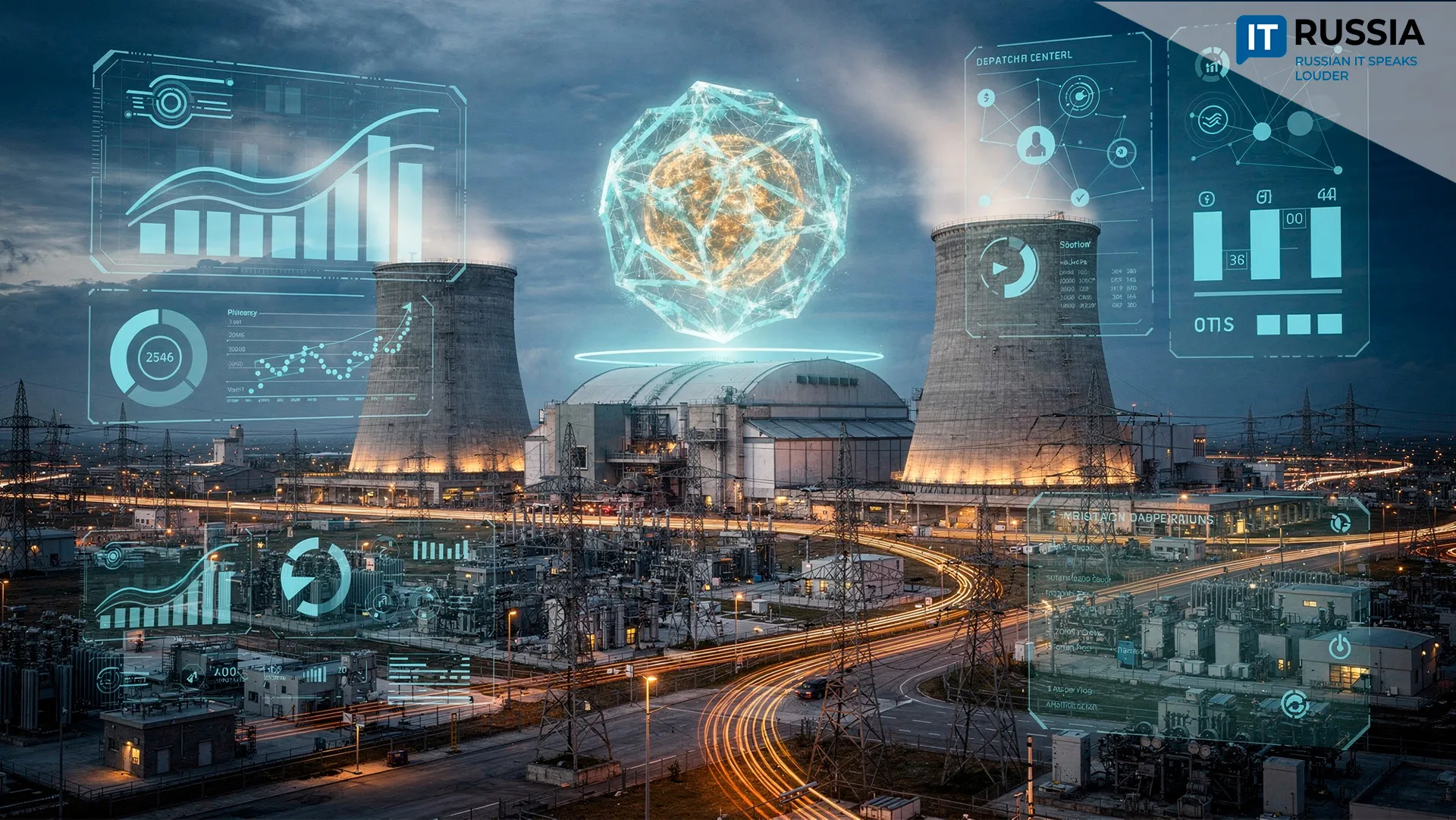
The project was commissioned by the Siberian Chemical Combine, where the power unit is currently under construction in Seversk. This lead-cooled fast-neutron reactor will become a core element of the world’s first experimental and demonstration complex based on a closed nuclear fuel cycle.
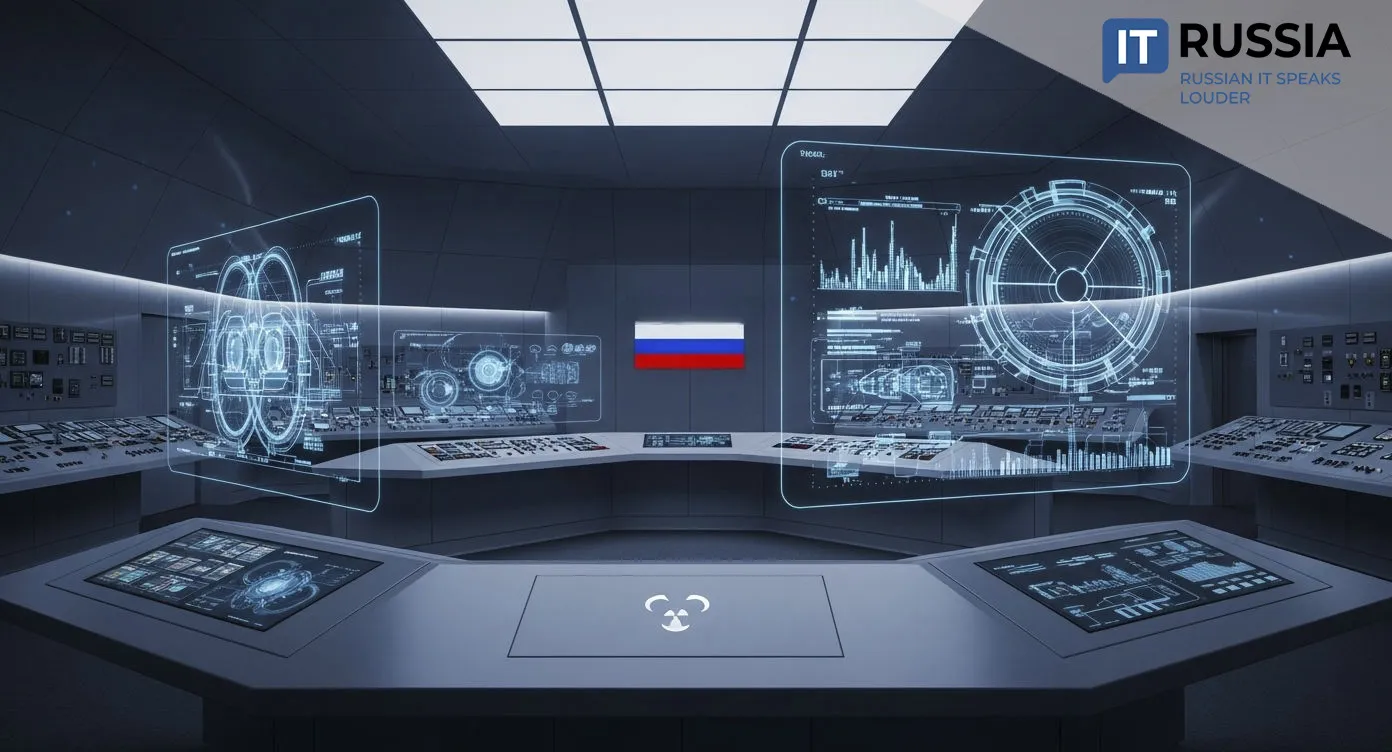
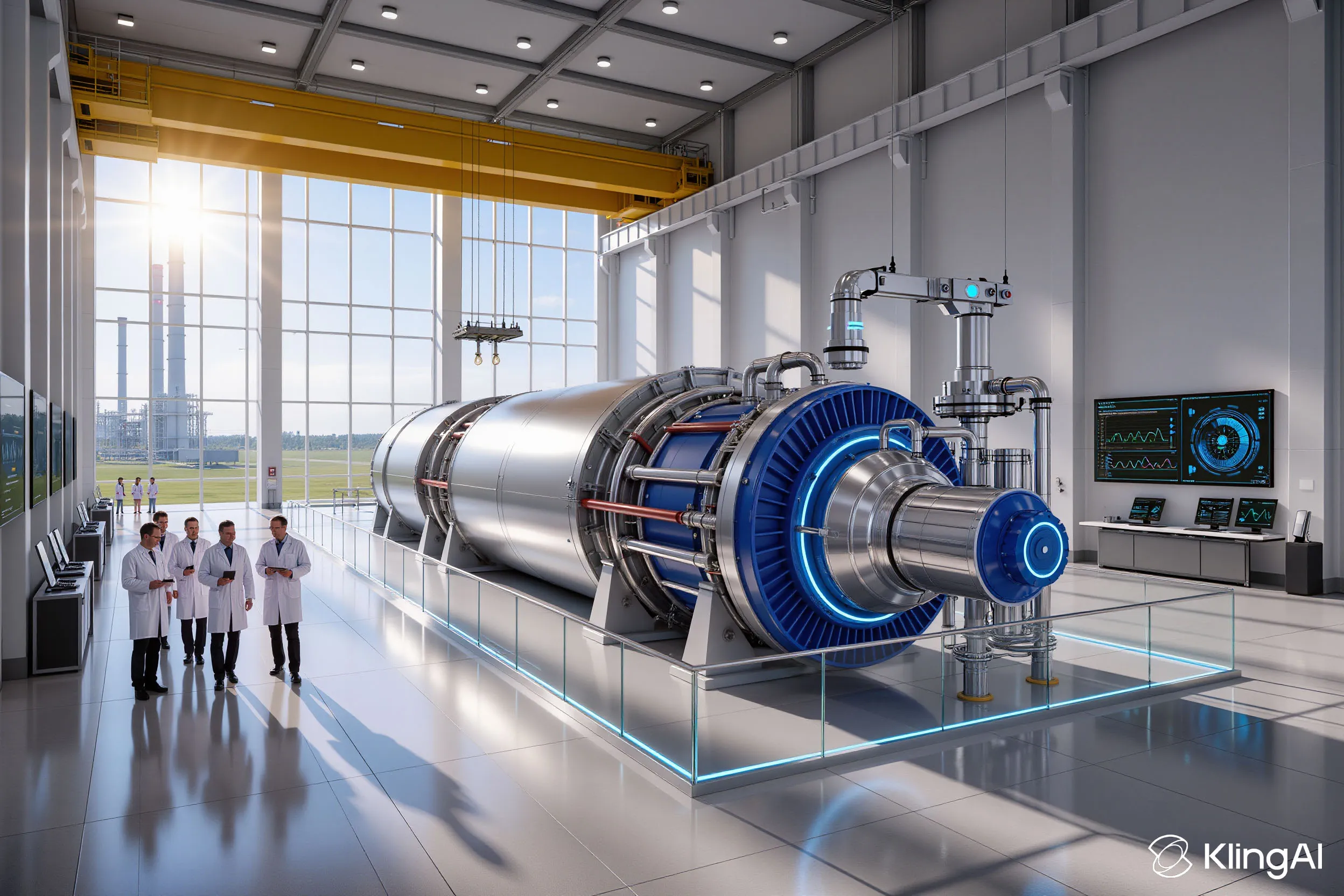
The simulator functions as a digital twin of the future power unit. It has been engineered so that operators experience no perceptible difference between working on the simulator and operating a real reactor control room. Every button, every instrument signal, and every activation of safety systems is reproduced with maximum fidelity.
Several scientific and engineering organizations contributed to the simulator’s development. The Nuclear Safety Institute of the Russian Academy of Sciences was responsible for modeling the reactor core and primary circuit, accounting for the specific properties of the lead coolant. NIKIET developed the automated process control system, while the Vibrator Instrument-Making Plant manufactured simulators for the main and backup control panels.
A Closed Cycle From Reprocessing to Power Generation
The BREST-OD-300 reactor has no direct analogues either in Russia or globally. Its defining feature is the ability to sustain its own plutonium supply by breeding it from uranium-238. This approach enables multiple reuse cycles of nuclear fuel and significantly reduces the volume of radioactive waste requiring long-term storage.


The reactor’s design incorporates inherent safety features that allow it to shut down autonomously under any deviation from normal operating parameters. This provides a fundamentally new level of safety compared with current reactor technologies. At the Siberian Chemical Combine site, construction extends beyond the power unit itself to include facilities for spent fuel reprocessing and for manufacturing mixed uranium–plutonium fuel. For the first time in global practice, a closed fuel cycle is being deployed directly at the electricity generation site.

The experimental and demonstration complex is being implemented as part of the strategic “Proryv” project, which aims to establish a new technological platform for Russia’s nuclear industry. The successful completion of simulator testing confirms that the rollout of the entire infrastructure remains on schedule.
Personnel Training and Operational Readiness
Testing of the full-scope simulator represents the next step following deployment of an analytical simulator at the Siberian Chemical Combine, which entered operation in 2025. Federal nuclear safety regulations require all operating personnel to complete training on a full-scope simulator prior to the reactor’s physical startup.
The simulator will continue to be refined and calibrated through April 2026. It will then be dismantled, packaged, and transported to Seversk, where acceptance testing will be conducted at the Siberian Chemical Combine. After that, large-scale training of operating staff for the power unit will begin.
This requirement reflects the exceptional complexity of working with an innovative reactor. Operators will be responsible for managing a system with a number of fundamentally new characteristics, making thorough preparation essential. The simulator enables personnel to rehearse all possible operating modes and emergency scenarios before transitioning to the real facility.