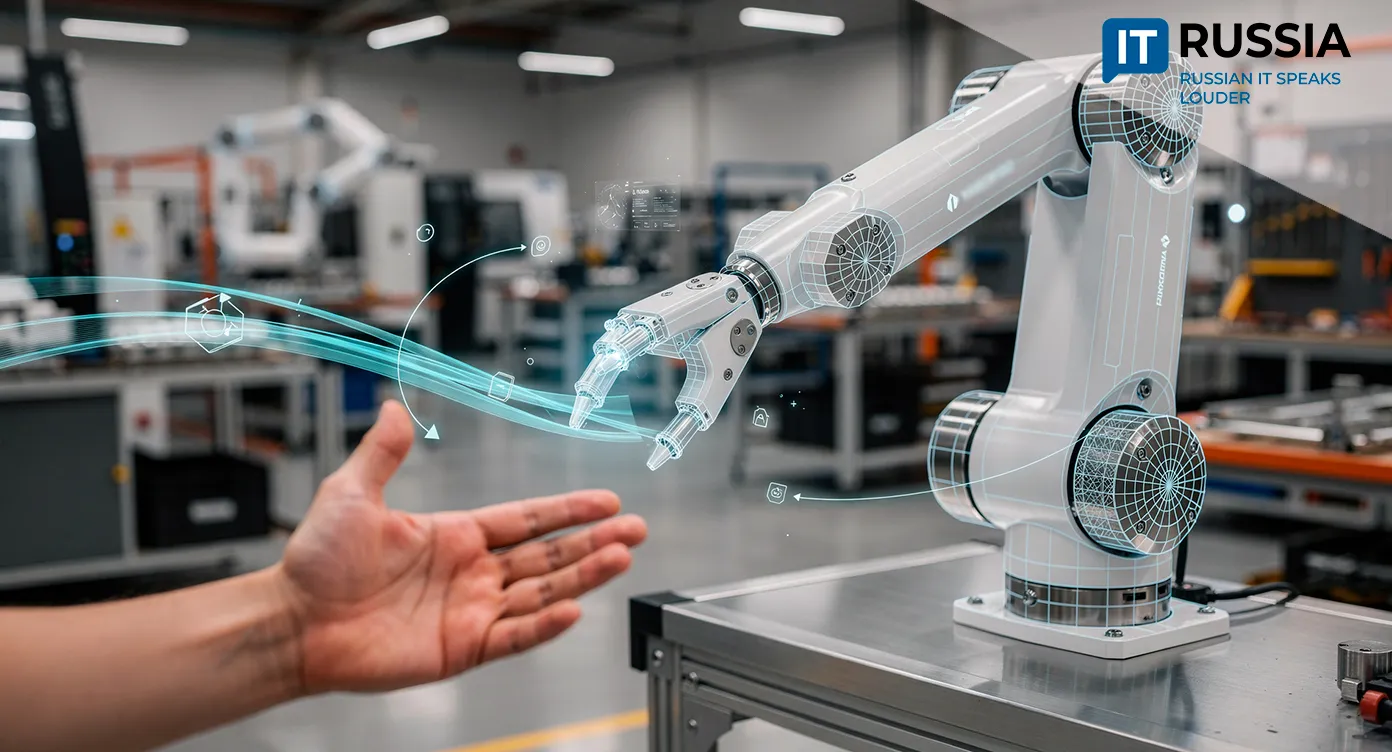
Digital Arms of Vladivostok
Russia’s main maritime gateway to the Pacific is preparing to entrust cargo handling to artificial intelligence and remote operators, launching a large-scale digital transformation that is set to permanently reshape the industry.
A Digital Helm for the Maritime Gateway
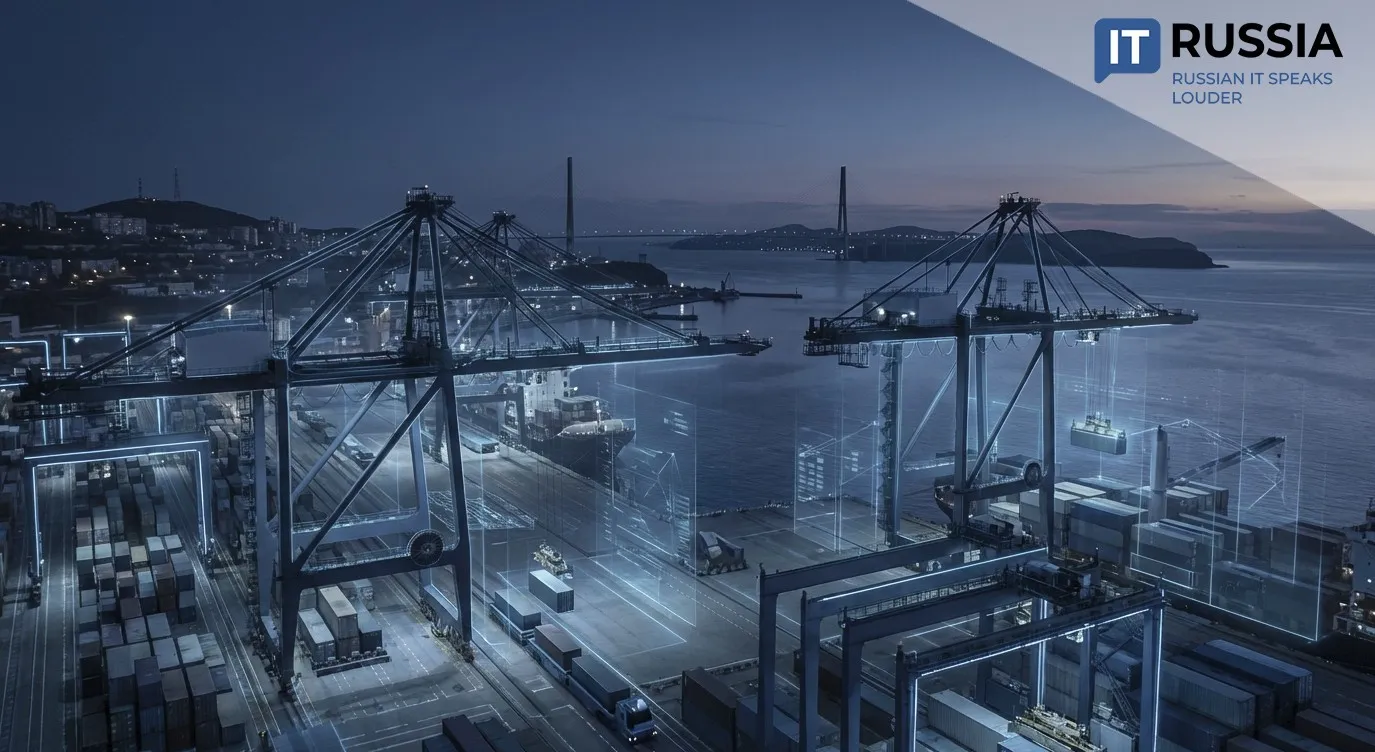
The Vladivostok Commercial Sea Port (VMTP) has announced an ambitious modernization plan. Over the next two to three years, the port will begin pilot testing of unmanned equipment.
The core idea of the project is a transition to remote control of cranes and terminal tractors. Operators who previously spent their shifts in cabins dozens of meters above ground will move to comfortable control rooms, where they will manage operations via screens, much like drone pilots.
The significance of this step for Russia’s logistics sector is difficult to overstate. As the country’s leader in container throughput, VMTP is effectively setting a precedent for deploying Industry 4.0 technologies at a strategically critical infrastructure asset.
The project includes an in-depth review of advanced international experience, but the emphasis is on adapting solutions to Russian conditions. The introduction of artificial intelligence will automate not only the physical movement of cargo but also customer-facing services, creating a unified digital ecosystem. This provides a direct path to higher operational efficiency, lower injury rates, and the removal of human error from routine operations, a critical factor amid the growing eastward cargo flow.
A Course Toward Technological Sovereignty
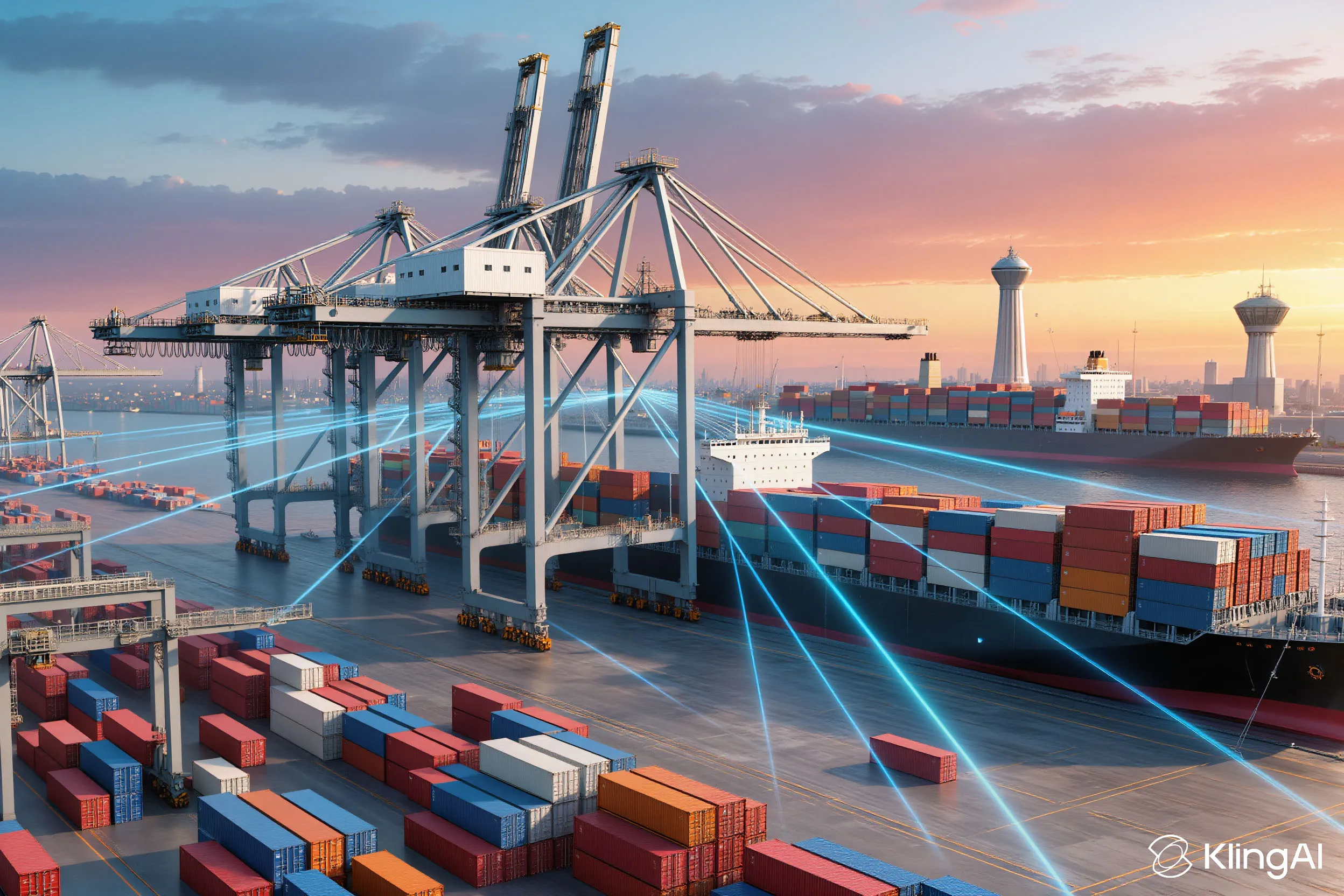
The opportunities created by this project extend far beyond Russia’s Primorye region. Vladivostok today is a key link in maritime trade chains serving Asian routes, and any delay here reverberates across the country’s entire logistics network. Unmanned technologies are designed to multiply terminal throughput, enabling round-the-clock, uninterrupted operations regardless of staff fatigue or weather conditions. For Russia, this represents a chance to strengthen technological independence by building domestic expertise in port robotics.


The export potential of the initiative lies primarily in scaling these technologies nationwide. A successful Vladivostok rollout would become a “gold standard” that could later be replicated at ports along the Northern Sea Route, in the Baltic, and in the Caspian basin.

External markets are also part of the picture. Russian system integrators would gain the ability to compete with foreign platforms by offering comprehensive automation solutions proven in the harsh climatic conditions of the Far East.
The economic impact of such innovations would be reflected in lower operating costs and faster cargo handling, making Russian ports more attractive for international transit.
From Coal to Digital Operations
Vladivostok’s current push is a logical stage in an evolution that the industry has been moving toward over the past five years. Looking back, Russian stevedoring companies have steadily progressed from basic mechanization to intelligent systems. In St. Petersburg, for example, automated control systems have been operating successfully for several years at the container terminal operated by Container Terminal St. Petersburg, significantly accelerating vessel handling. At the other end of the country, the port of Vostochny implemented full automation of conveyor lines at its coal terminals, achieving impressive efficiency without direct human involvement in hazardous zones.
Terminals operated by the Global Ports group in the Far East are also actively integrating modern digital solutions, deploying Terminal Operating Systems (TOS) that function as the “brain” of a contemporary port. FESCO Transportation Group, which manages VMTP, has long been developing digital services that link maritime and rail transport into a single logistics framework.

The transition to unmanned equipment is only the tip of the iceberg. It rests on a strong foundation laid in previous years, when the industry learned to work with big data and digital twins of terminal operations.
A Port Without People
VMTP’s project sets a new development vector for Russia’s entire transport infrastructure. The shift toward unmanned cranes and terminal tractors represents an inevitable future, one that will help address shortages of skilled personnel and improve the predictability of logistics chains.
Outlooks for the project are optimistic but realistic. Between 2026 and 2027, the launch of the first pilot zones with real-world operation of unmanned equipment in Vladivostok is expected.
By 2030, successful cases should enable a move toward partial deployment of autonomous operations at the country’s largest container terminals. In parallel, port AI systems will undergo deep integration with national digital platforms and government services, ultimately transforming ports from simple transshipment points into high-tech digital hubs.