Russia Builds a National IT Ecosystem
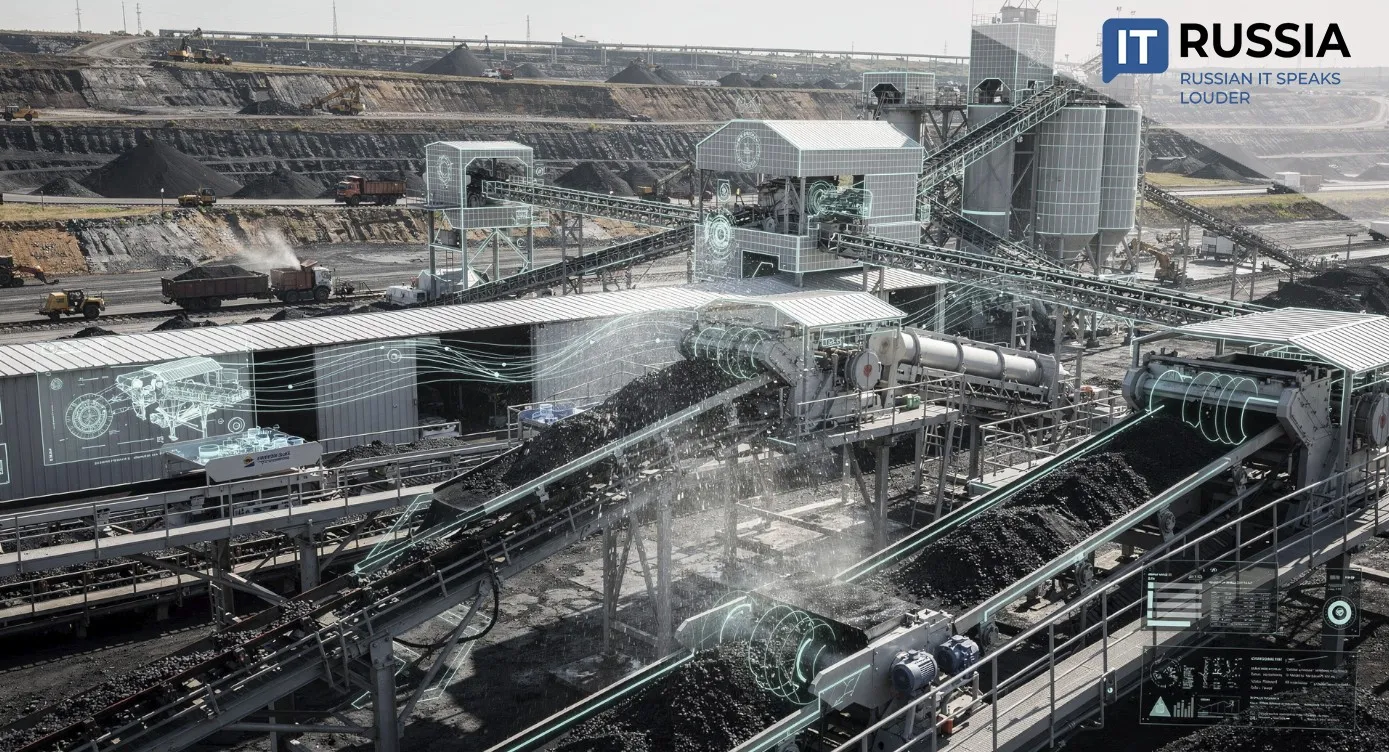
Russian industry is not merely adapting to new conditions but is actively shaping a new digital architecture built around the principle of technological sovereignty.

Digitalization 2.0: Platforms Instead of Modules
In 2025, Russia’s market for industrial digital solutions posted steady annual growth of 15–20 percent, despite a challenging geopolitical and economic environment.
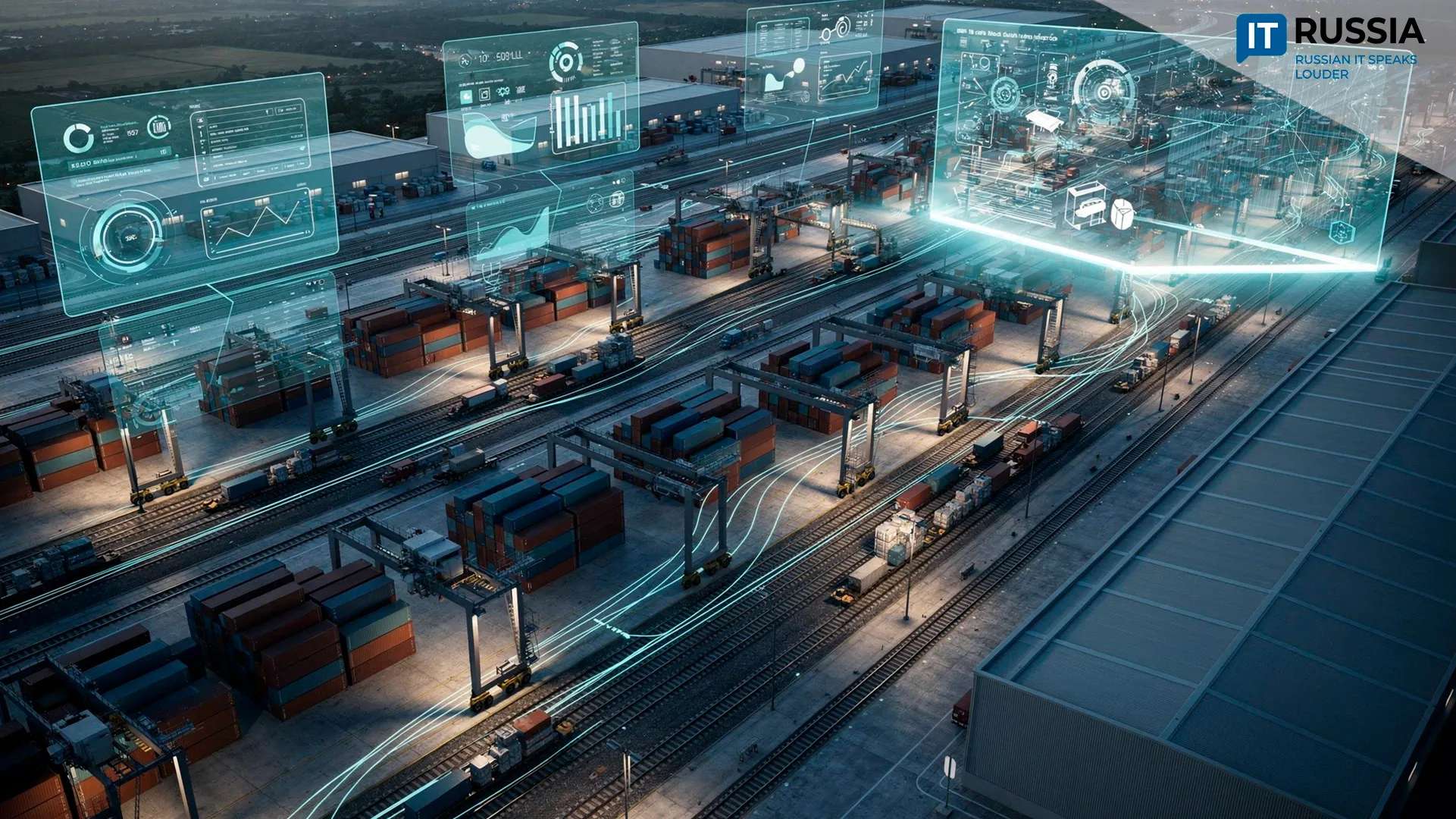
Industrial companies are increasingly shifting toward a systemic approach to digitalization, where cost optimization, equipment reliability, integration of legacy and new systems, and the development of new business models work in synergy. Priority is given to solutions that shorten production timelines and raise operational efficiency, especially in sectors with long production cycles such as mechanical engineering and metallurgy.
Customers are now less interested in standalone modular tools and more often demand comprehensive platforms that include infrastructure, end-to-end management, centralized monitoring, and the ability to integrate with systems already in use.
Owning the Code Means Owning Reliability
The current phase of import substitution in Russia is marked by a shift from simply replacing foreign software to designing and deploying domestic solutions with expanded functionality, higher reliability, and the ability to operate in critical industrial and technological environments. This reflects growing confidence in Russian-developed technologies and rising technological maturity across industrial enterprises.
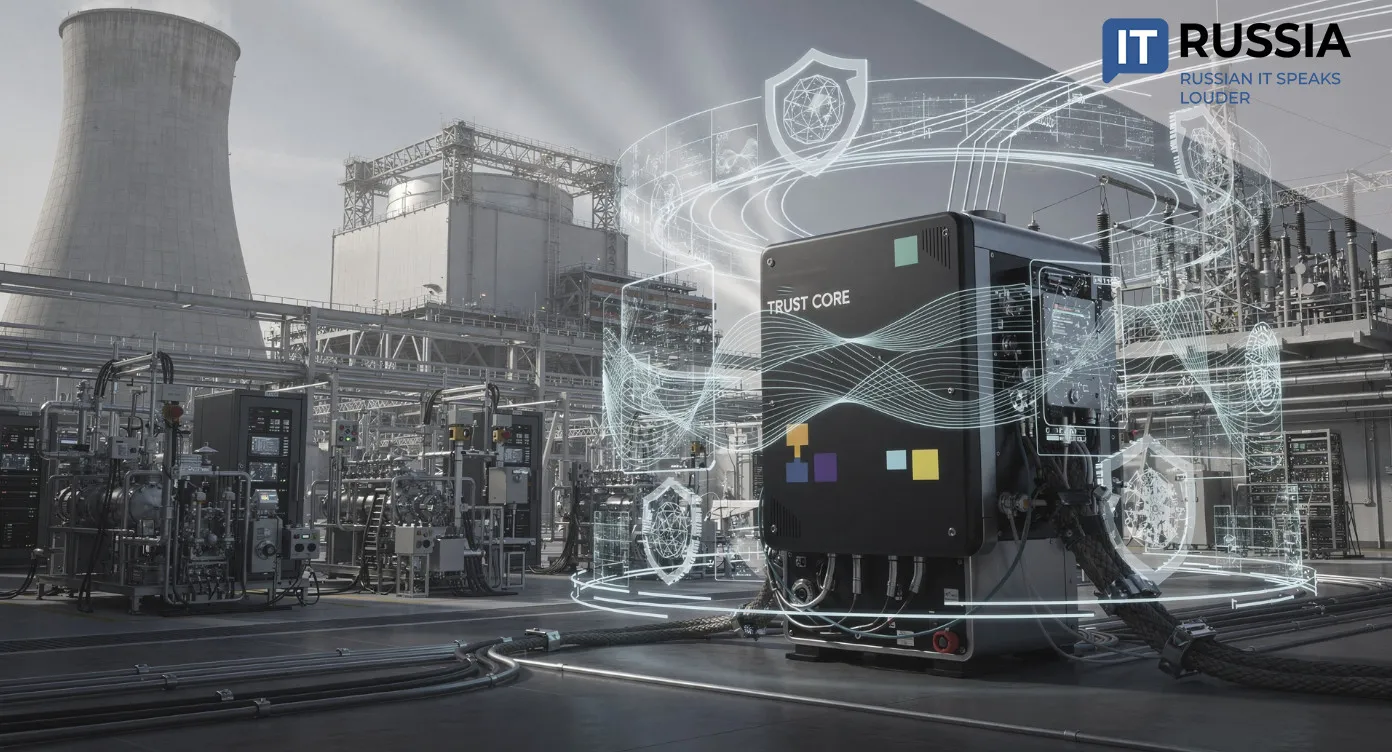
The transition to domestic software and technologies is moving fastest in strategically important, state-priority sectors, including energy, nuclear power, chemicals, finance, defense industries, and transport. Russian solutions now account for roughly 50–70 percent of deployments, up from 30–40 percent previously.


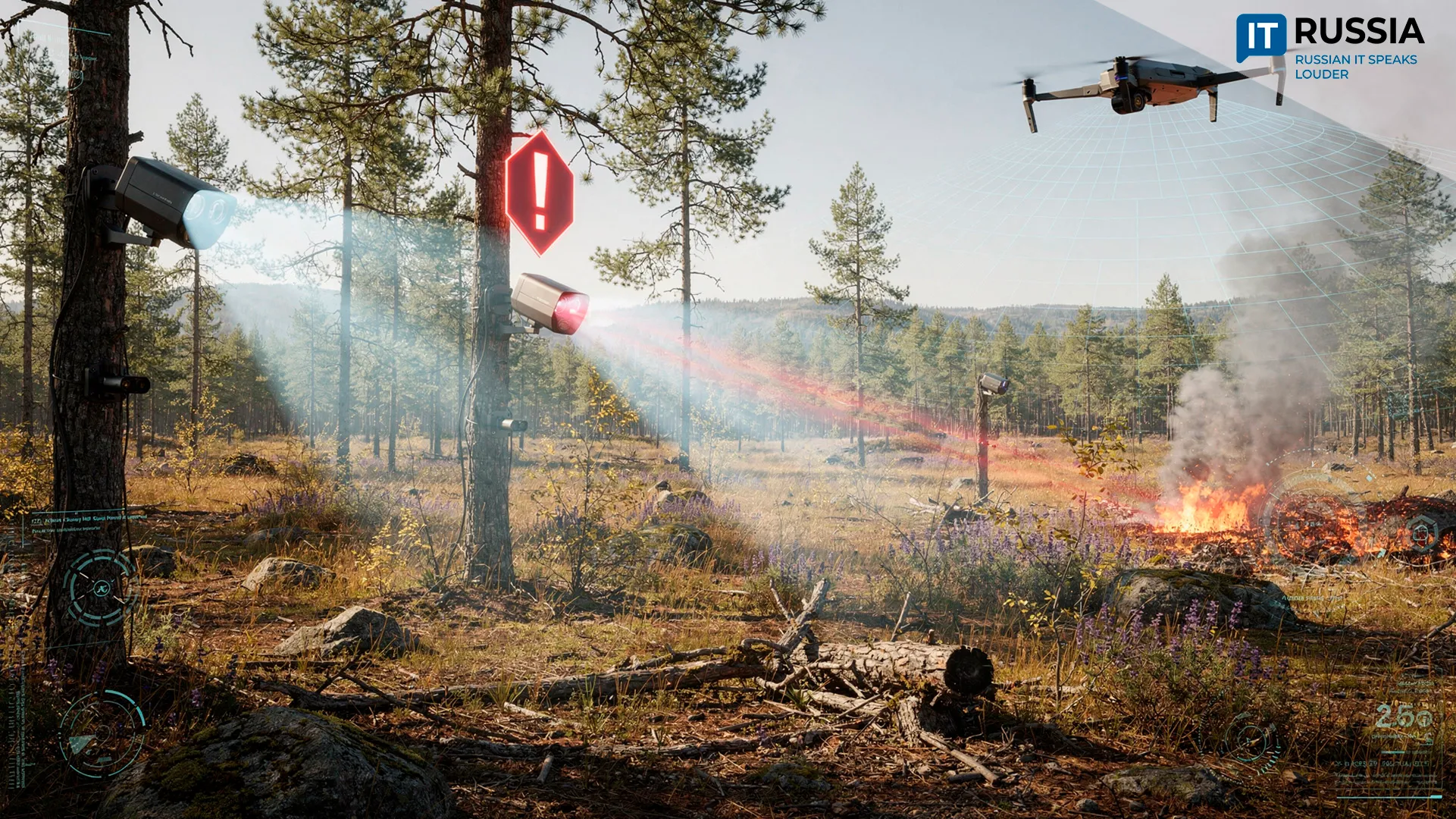
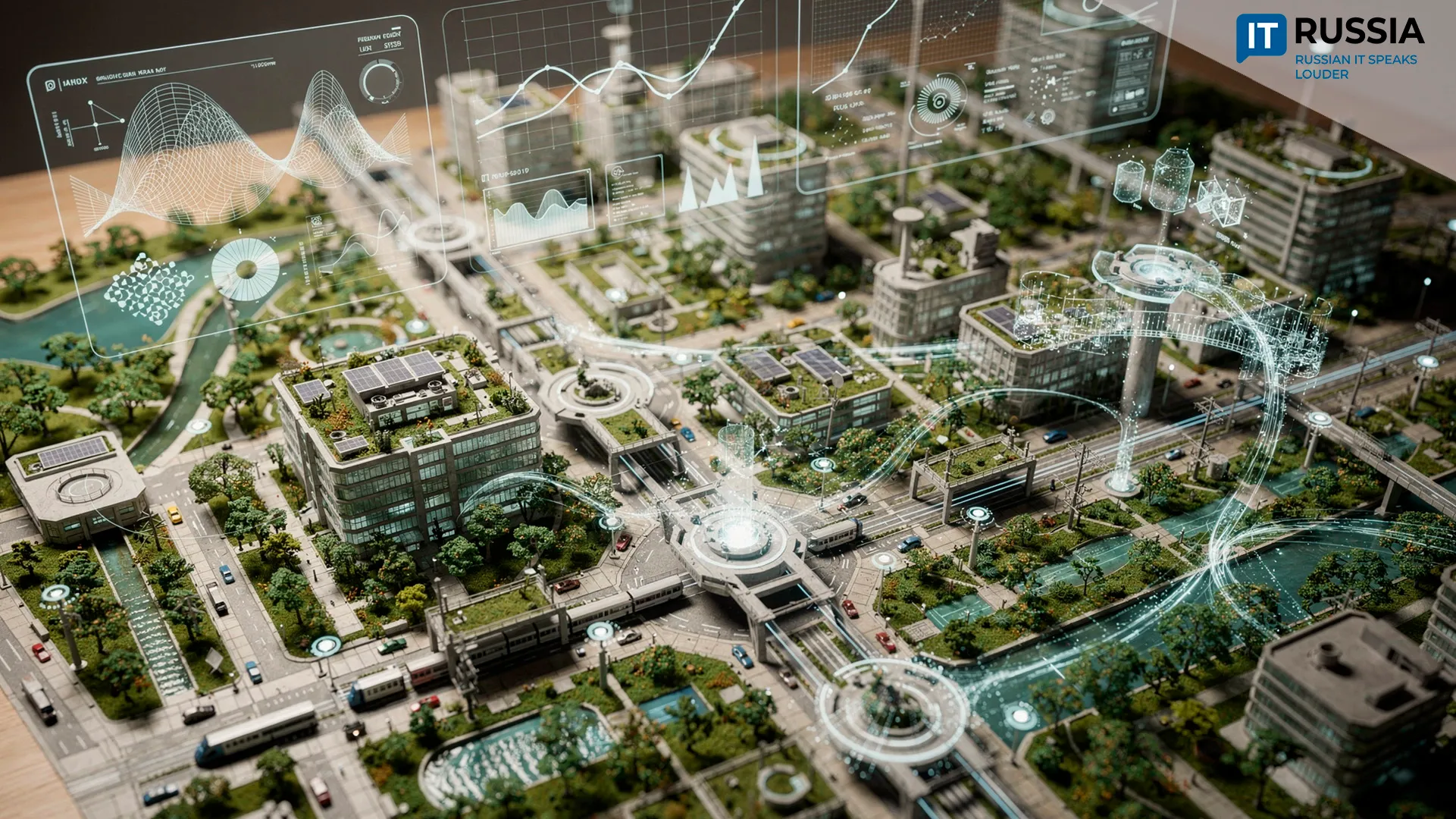
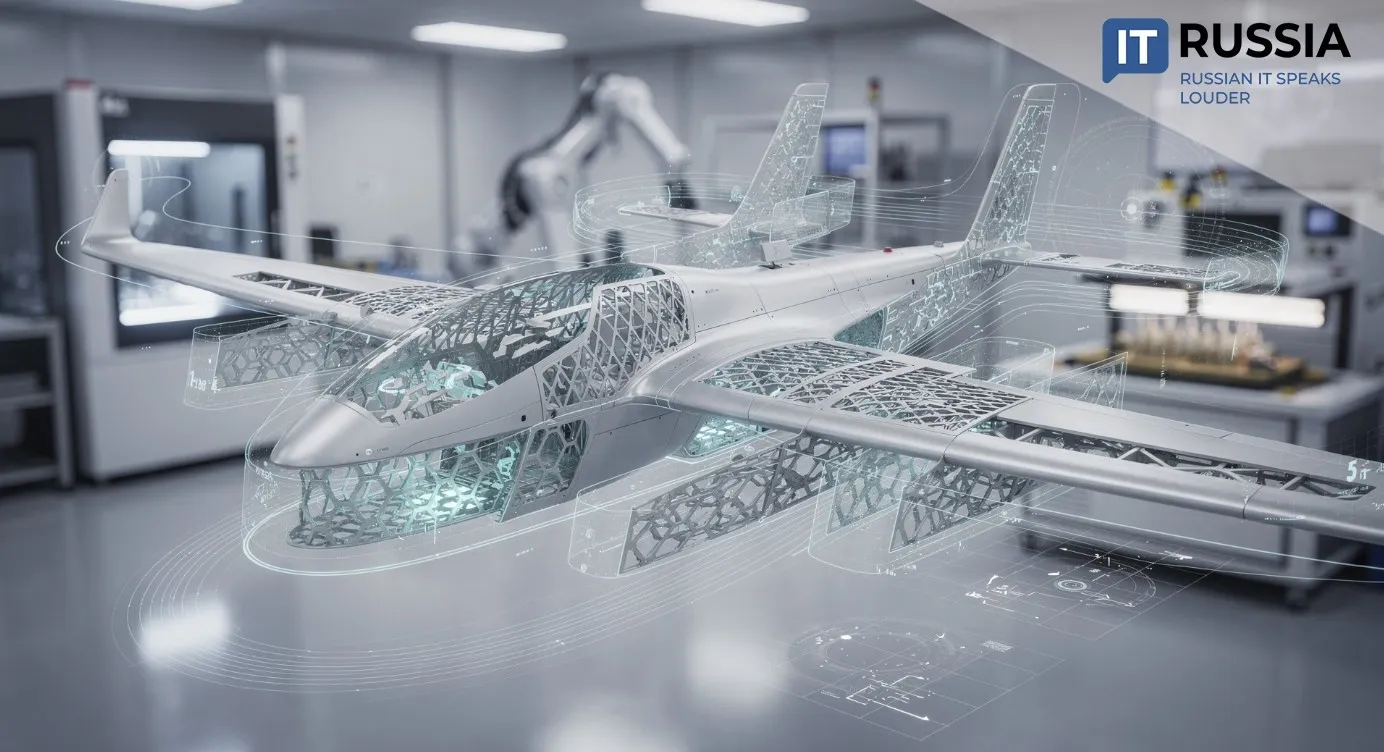
The fastest-growing areas in industrial digitalization include artificial intelligence and machine learning, digital twins, predictive analytics, the industrial Internet of Things (IIoT), and cybersecurity. AI is no longer experimental. It is now a practical tool that automatically analyzes production chains, identifies bottlenecks, and can even initiate improvements without human intervention. Demand is rising for GPU servers to train AI models and for the deployment of large language models that are reshaping the labor market. Predictive analytics is evolving from simple dashboards into autonomous systems operating in real time on enterprise data.
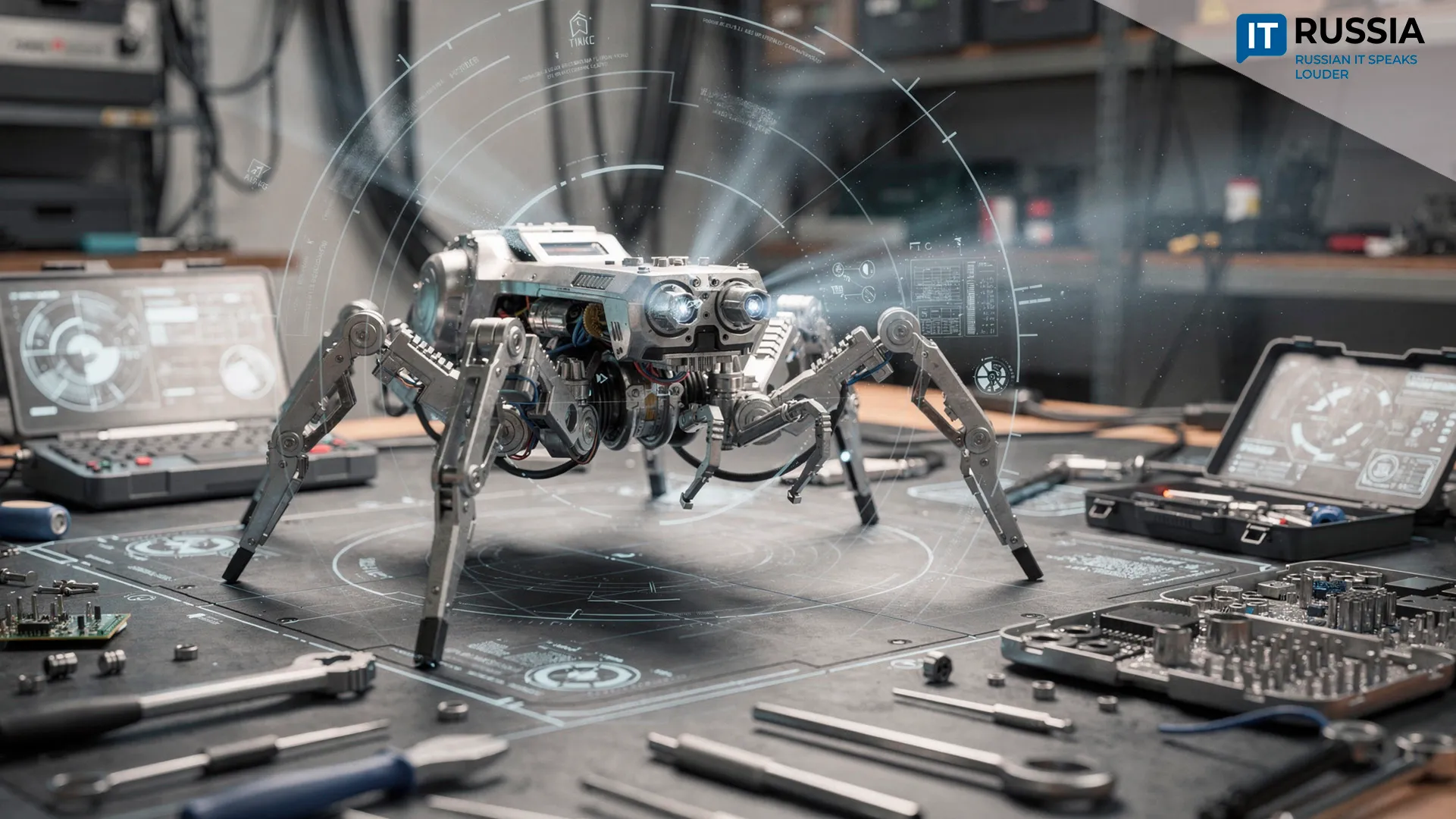
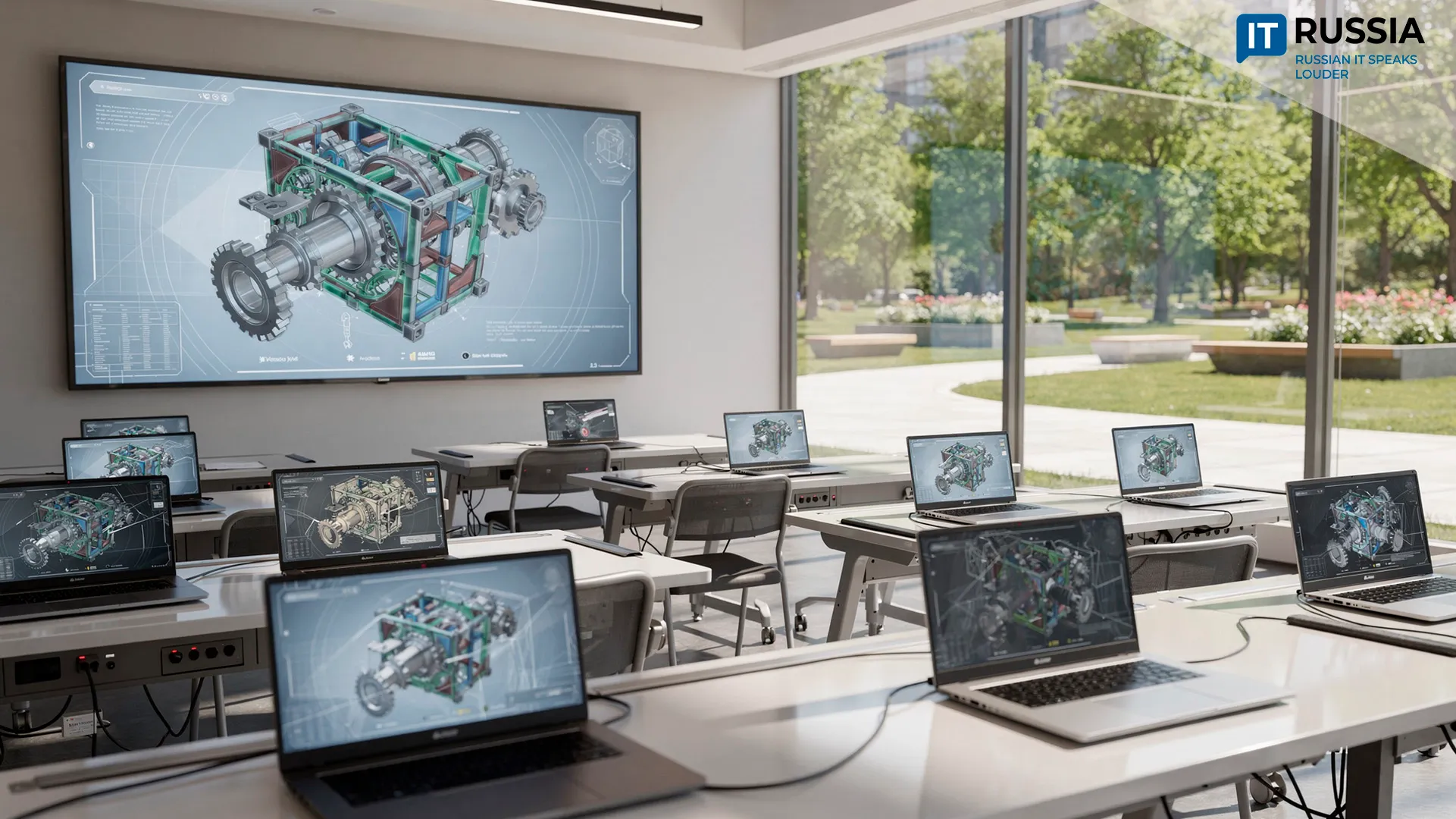
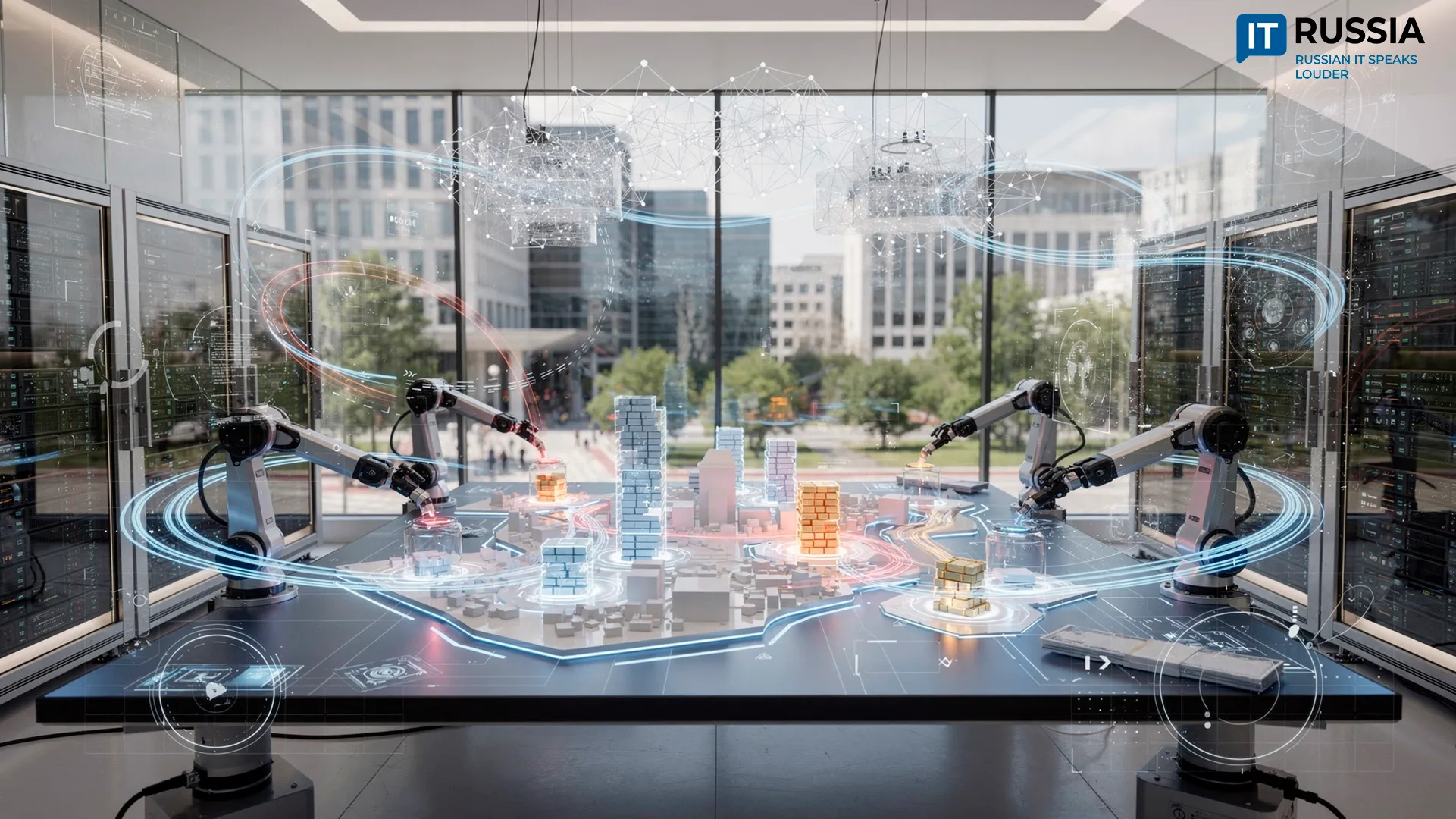
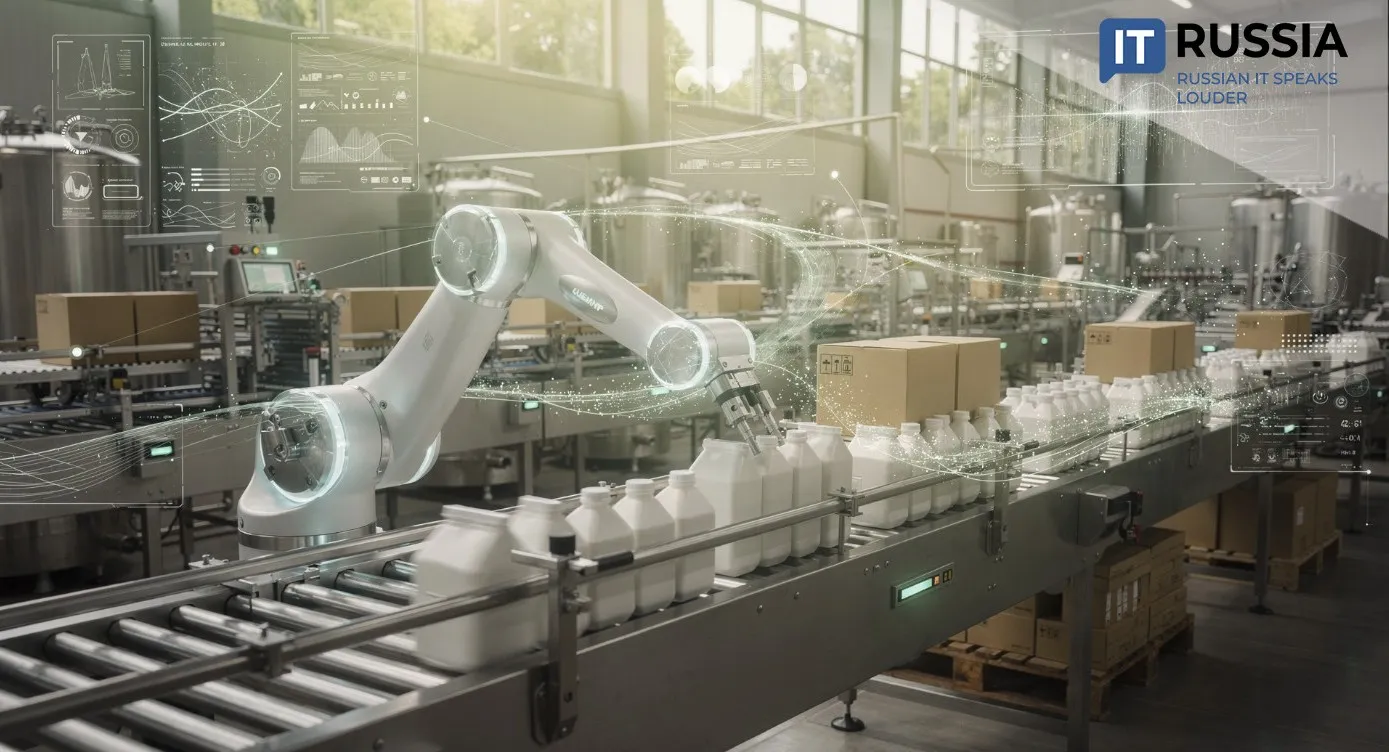
Robotics and process automation are equally significant, boosting productivity and improving worker safety. Modern MES, SCADA, and DCS solutions also play a central role, supporting technological sovereignty and enabling a closed-loop approach to industrial automation. Domestic platforms in these areas are increasingly seen as essential to the independence and stability of industrial operations.
Overall, the digital transformation of manufacturing is being accompanied by the formation of a comprehensive ecosystem of Russian digital products, tighter regulatory frameworks, and expanded financial support. Together, these factors are accelerating import substitution and the development of homegrown technologies.
Government Support as the Engine of Import Substitution
The development of Russia’s IT ecosystem is proceeding alongside stronger regulatory oversight. New national standards are being introduced in areas such as PLM, CAD, and industrial automation, with the goal of raising the share of Russian software to 90 percent by 2030. Industrial clusters and consortia are becoming more active, encouraging knowledge sharing between developers and industrial users.
Government support remains a critical driver. In 2025, the Russian government allocated 3.9 billion rubles (about $47 million) to a grant program administered through the Russian Foundation for Information Technology Development. Grants ranging from 30 million to 6 billion rubles (approximately $360,000 to $72 million) enable both developers and industrial customers to carry out large-scale projects.
From Technological Sovereignty to International Expansion
Expert forecasts point to continued growth in the share of Russian IT solutions over the next two to three years. If government support remains in place, domestic technologies are expected to account for 70–85 percent of critical systems by 2027.
The industrial IT market is projected to grow by 15–18 percent annually, with a focus on enterprise platforms that integrate IT and operational technology and manage the full product lifecycle.
AI and generative models are moving from pilot projects to broad deployment, gradually displacing narrowly specialized tools such as robotic process automation in favor of AI-driven workplaces and copilot systems. Competition in the ERP market is also intensifying. As foreign systems reach the end of their lifecycle, Russian developers including 1C, Galaktika, and Global are gaining an opportunity to strengthen their positions domestically and in markets of partner countries.
Despite early challenges, the trend toward accelerated digitalization and import substitution in Russia has proven durable. It is opening a path toward technological sovereignty and reinforcing the position of the Russian IT industry both at home and internationally.