Digital Shield: Samara Introduces QR-Based Oversight for Waste Collection Sites
A pilot project in Samara aims to improve control over waste collection at container sites. Using QR codes and a chatbot, residents will be able to quickly identify service gaps and report them to regulatory authorities.
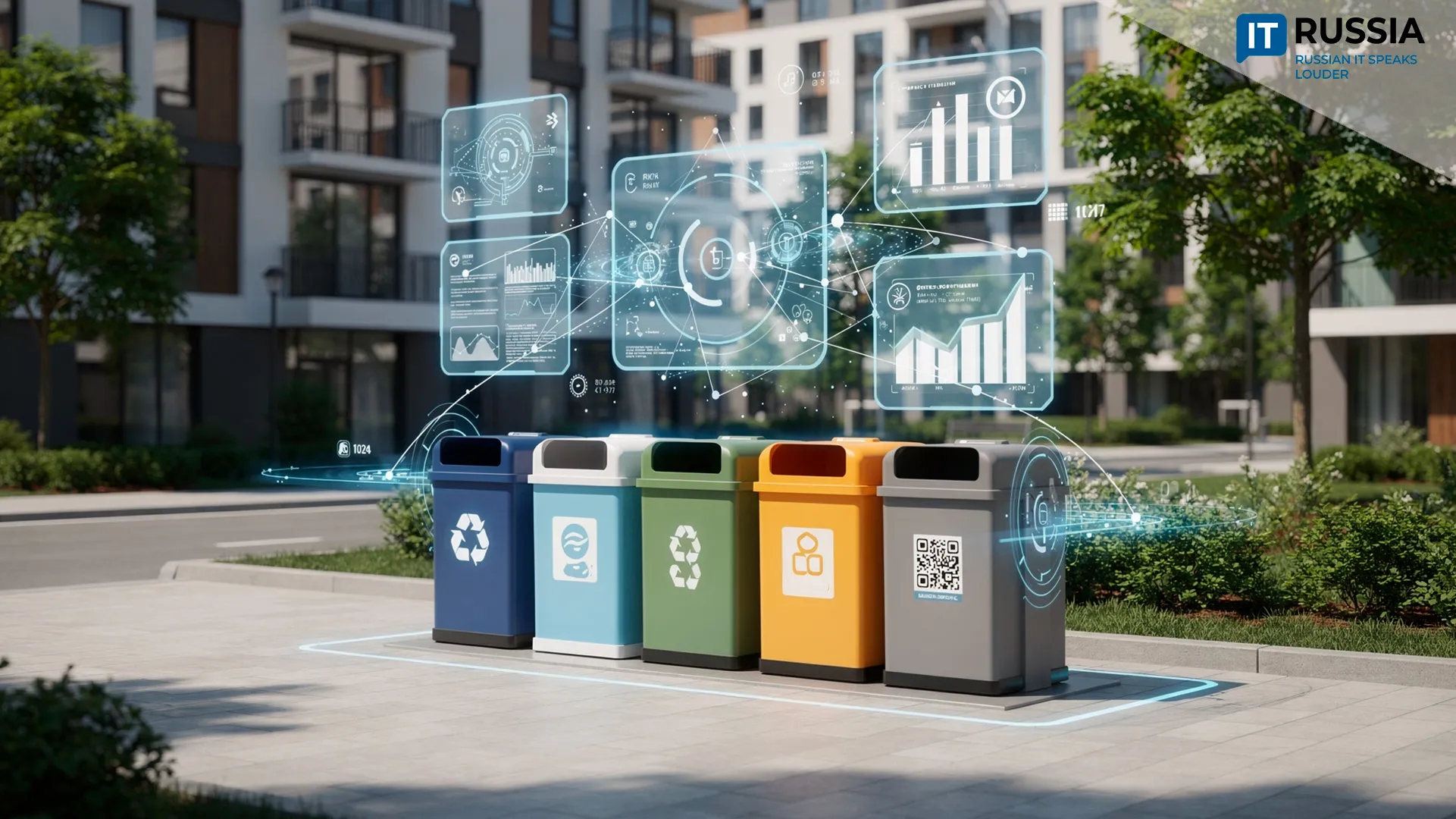
The initiative, launched by the State Housing Inspectorate of the Samara Region, is designed to create a transparent two-way communication channel between residents, the regional SMW operator and supervisory bodies.
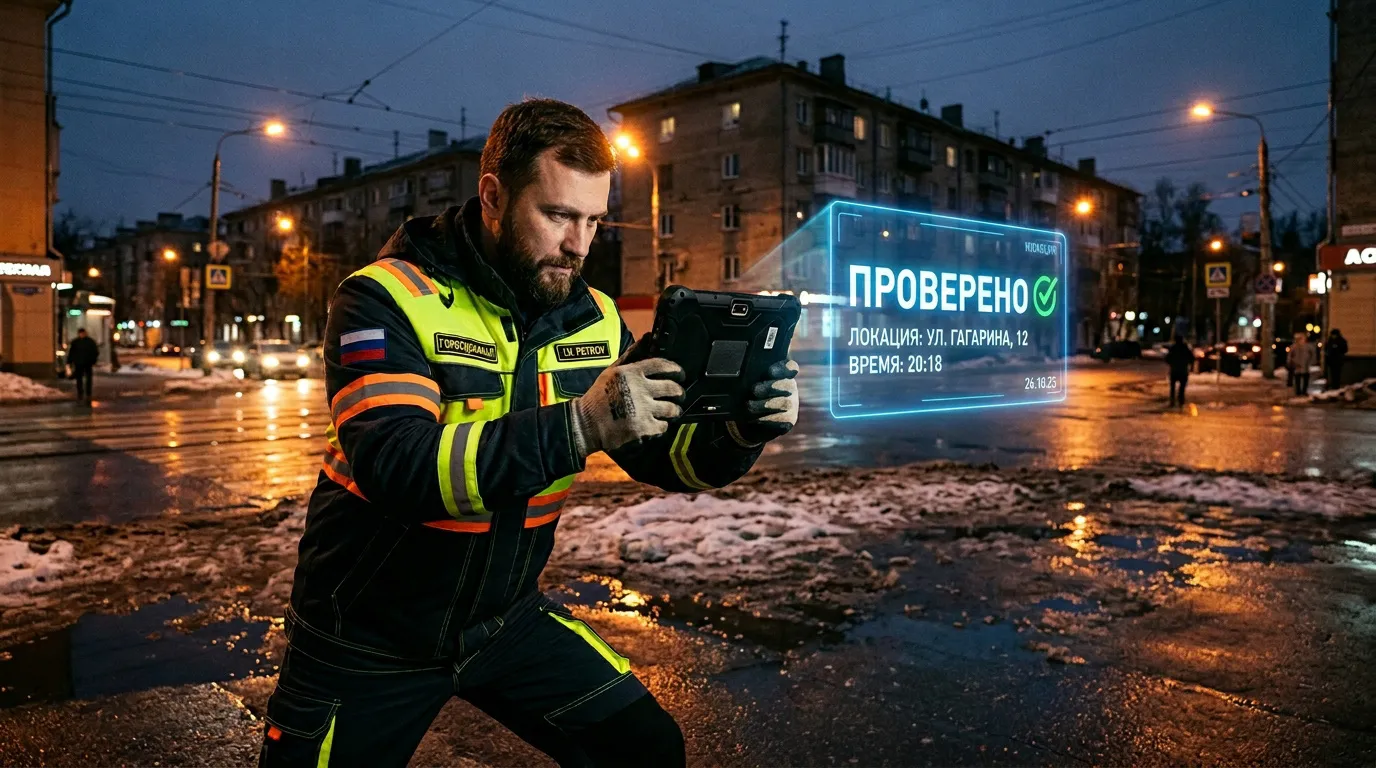
The new system will be tested across 800 container sites in Samara. Over the coming week, each location will be equipped with stickers featuring unique QR codes. After loading waste and cleaning the site, operator staff scan the code to log the time of service, and the report is then uploaded instantly to a unified system, where it becomes accessible to regulators.
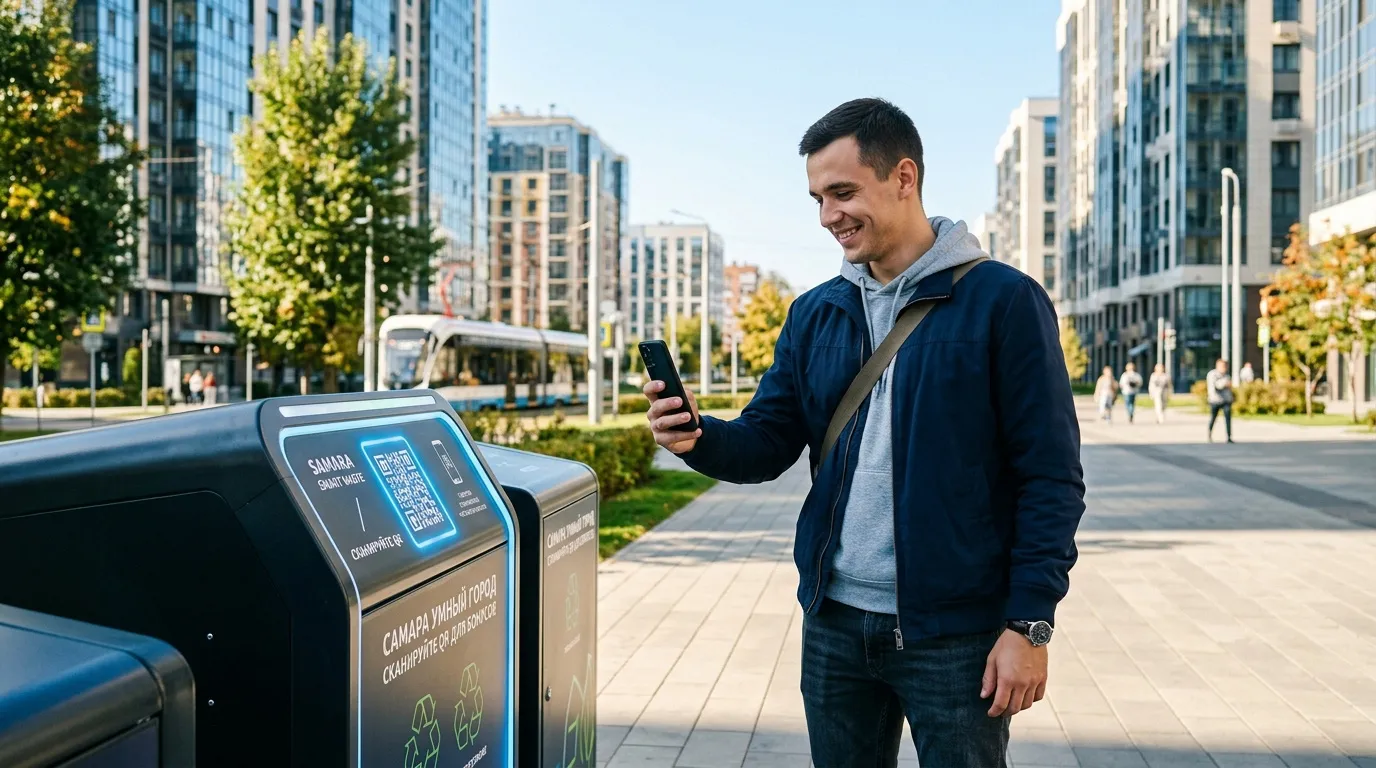
Along with that, residents can use the same QR codes to report violations through a chatbot, including overflowing containers, delayed waste collection or poor site conditions.
From Pilot to Scalable Model
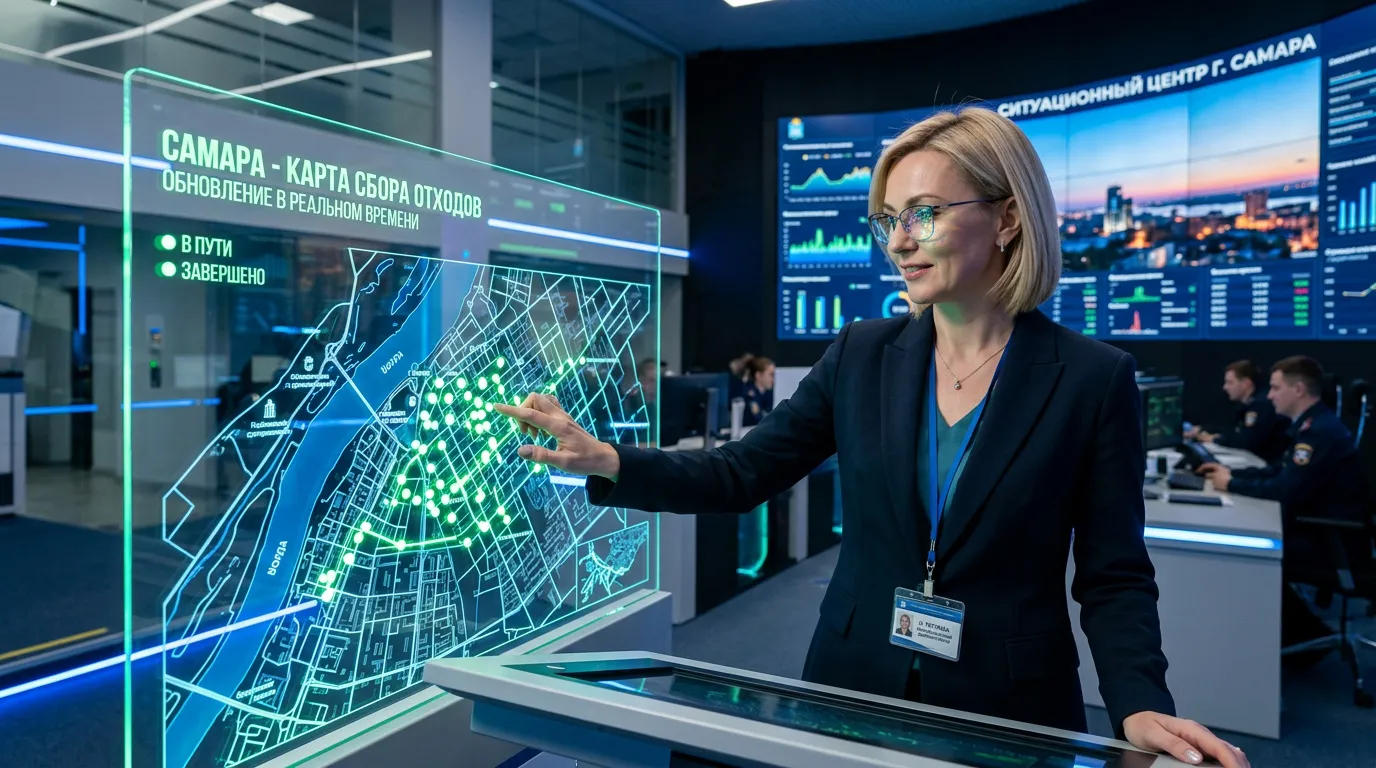
For now, the project operates at a municipal level, but it could scale across the region and beyond if it proves effective. In practice, it already has the elements of a standardized digital solution for municipal waste oversight. These include QR-based site identification, a chatbot, an event log, dispatch analytics and integration with regulatory systems.
Meanwhile, the project fits into a broader federal push to digitize the waste management sector.
According to the Russian Environmental Operator, more than two dozen widely used and scalable digital solutions in waste management and environmental monitoring have already been registered in Russia’s national IT registry.
Toward Digital Oversight: Precedents and Parallels
Projects similar to the one in Samara have already been implemented elsewhere in Russia. Back in 2022, the Moscow Region launched the “Chisty Bak” chatbot. Container sites were equipped with QR codes and collection schedules, allowing residents to report violations by scanning a code and submitting a complaint through the bot.
In the Samara Region, the rollout of digital monitoring tools accelerated after a new regional operator, AO Ekologiya, took over in November 2024. The process began with a traditional hotline, followed by the ability to submit requests through a website and messaging bot. The QR code pilot is a natural next step in that digitalization effort.
In November 2025, AO Ekologiya also deployed the mobile monitoring system Dozor-M, which automatically detects violations at container sites and identifies improperly parked vehicles that block garbage trucks.
Digital Hygiene as a New Standard
The key point is that the QR code pilot is not just another reporting channel. It signals a more mature stage of digital public utilities management. In effect, the system connects residents, operators and regulators into a single digital workflow.
If the system proves effective across 800 sites in the regional capital, it is expected to expand to other cities in the Samara Region. It could also be integrated with existing photo monitoring tools and regional control systems.
More broadly, the rollout highlights growing demand for Russian-developed IT solutions in the public utilities sector, particularly in waste management. A new class of applied municipal digital products is beginning to take shape, with the potential to be standardized and deployed nationwide.