Russian Universities Train Specialists for Nuclear Robotics
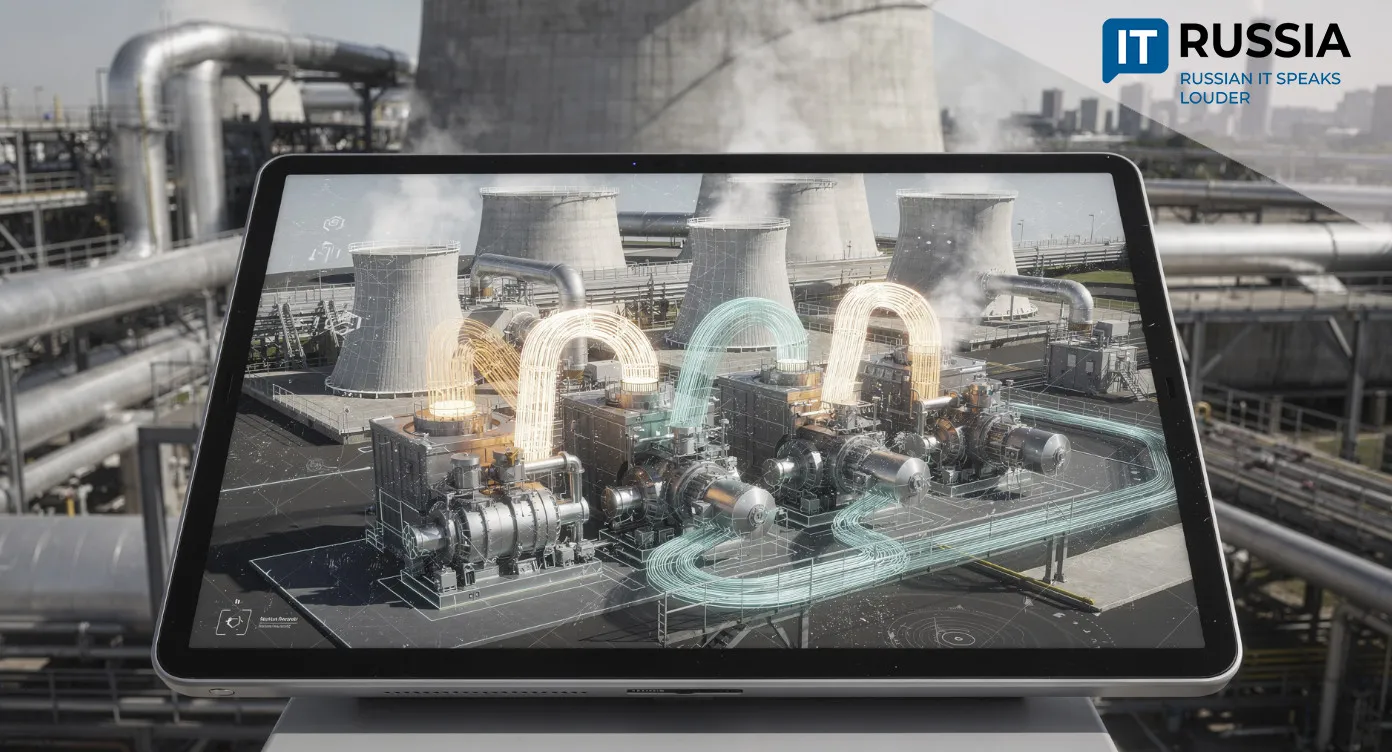
Seven Russian universities, including Tomsk Polytechnic University and the Seversk Technological Institute of NRNU MEPhI, are to establish a core laboratory focused on specialised robotic systems for next-generation nuclear energy.
The project brings together Rosatom, leading technical universities and industrial partners to build an advanced research and education infrastructure.
Path to Automation
The core laboratory will form part of the national technological leadership project “Novye Atomnye i Energeticheskie Tekhnologii” (New Nuclear and Energy Technologies). Its goal is to strengthen Russia’s global position in nuclear technologies and support technological sovereignty in emerging energy solutions. The project will be based at the infrastructure of the “Proryv” (Breakthrough) programme at Sirius University, where technologies for industrial robotics are already being developed and tested.
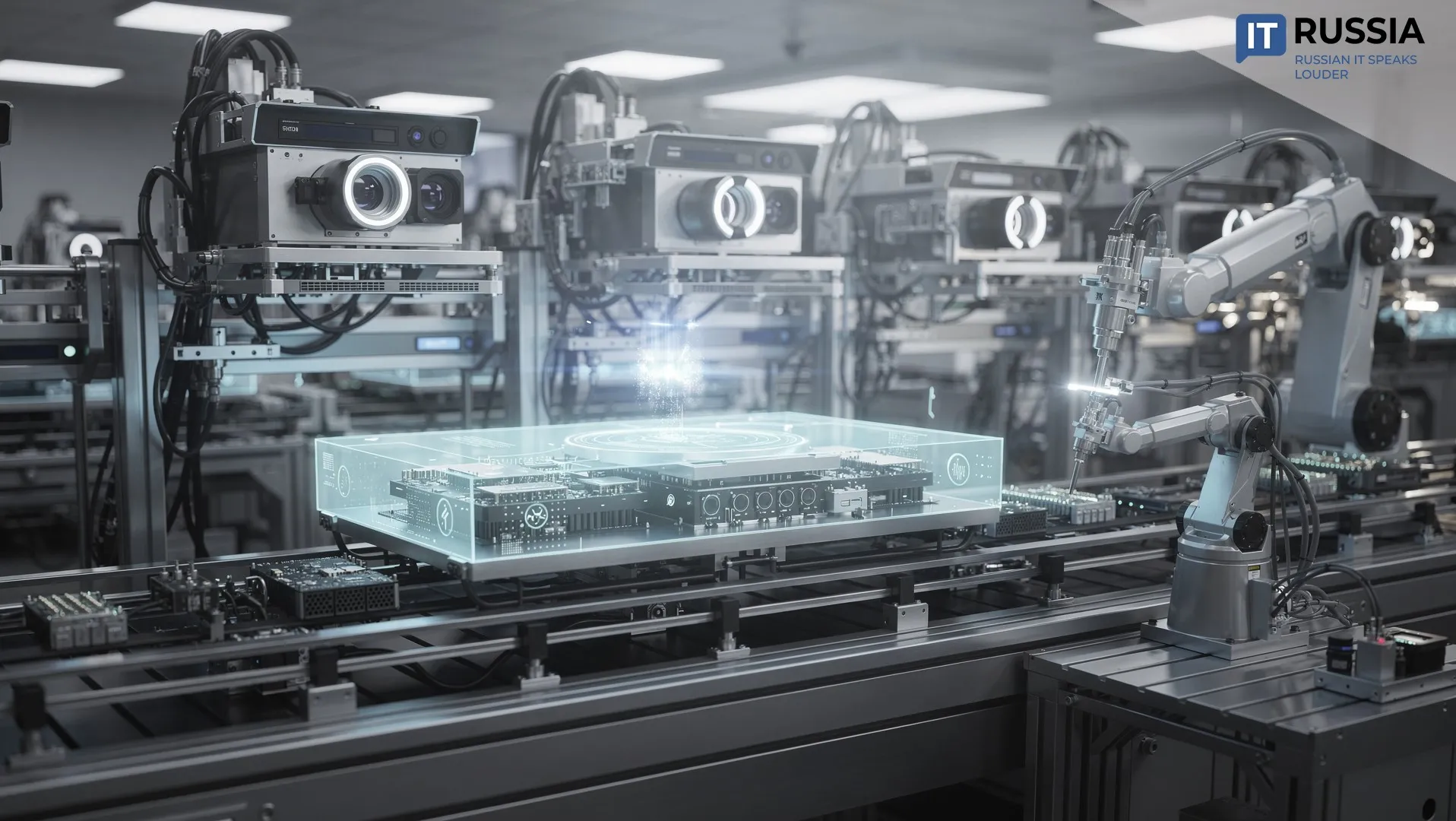
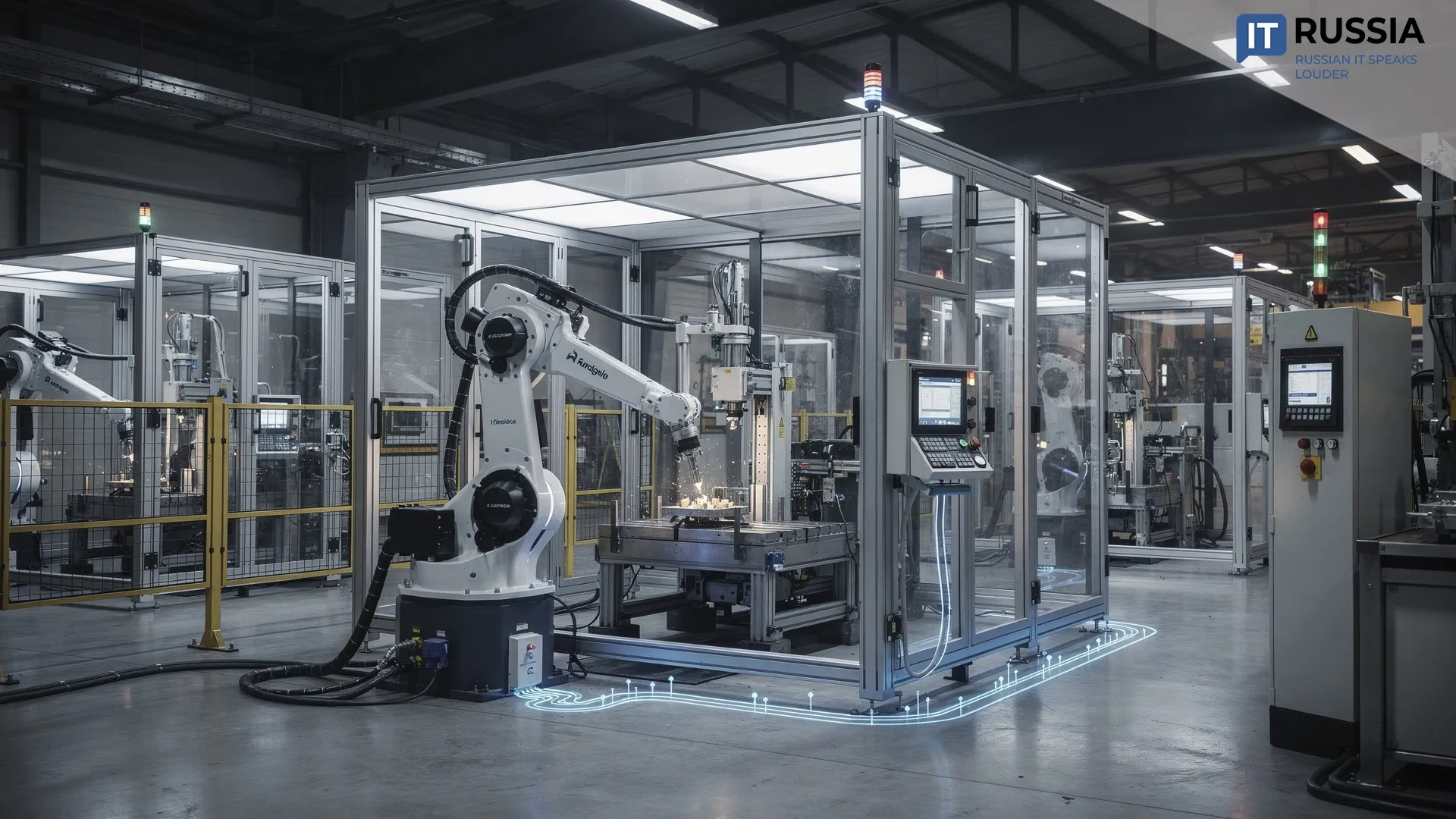
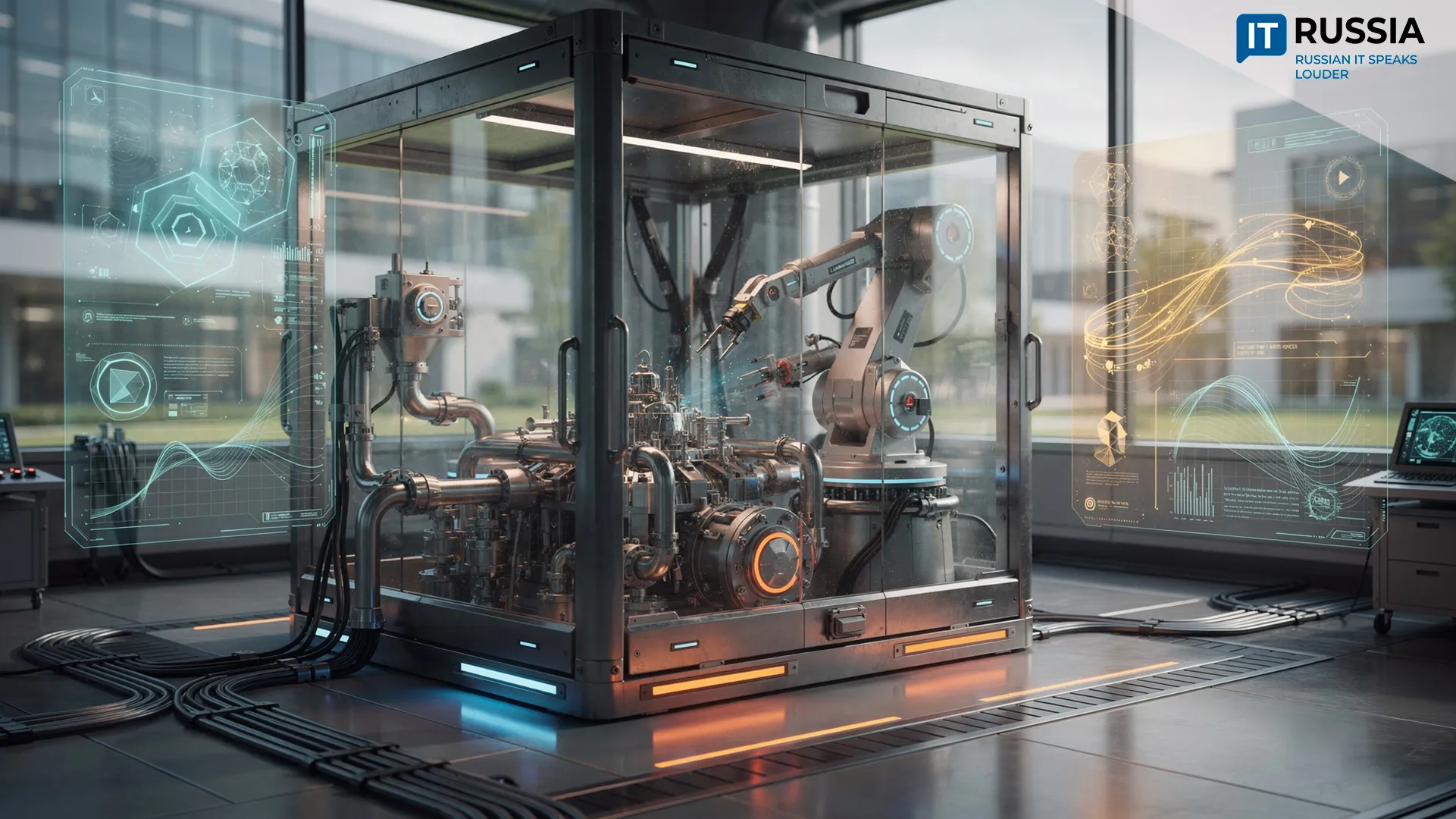
The laboratory’s primary task is to train specialists and conduct research in robotics capable of operating in high-radiation and harsh environments. Students and postgraduate researchers will gain access to real equipment that will later be deployed at advanced nuclear industry facilities.
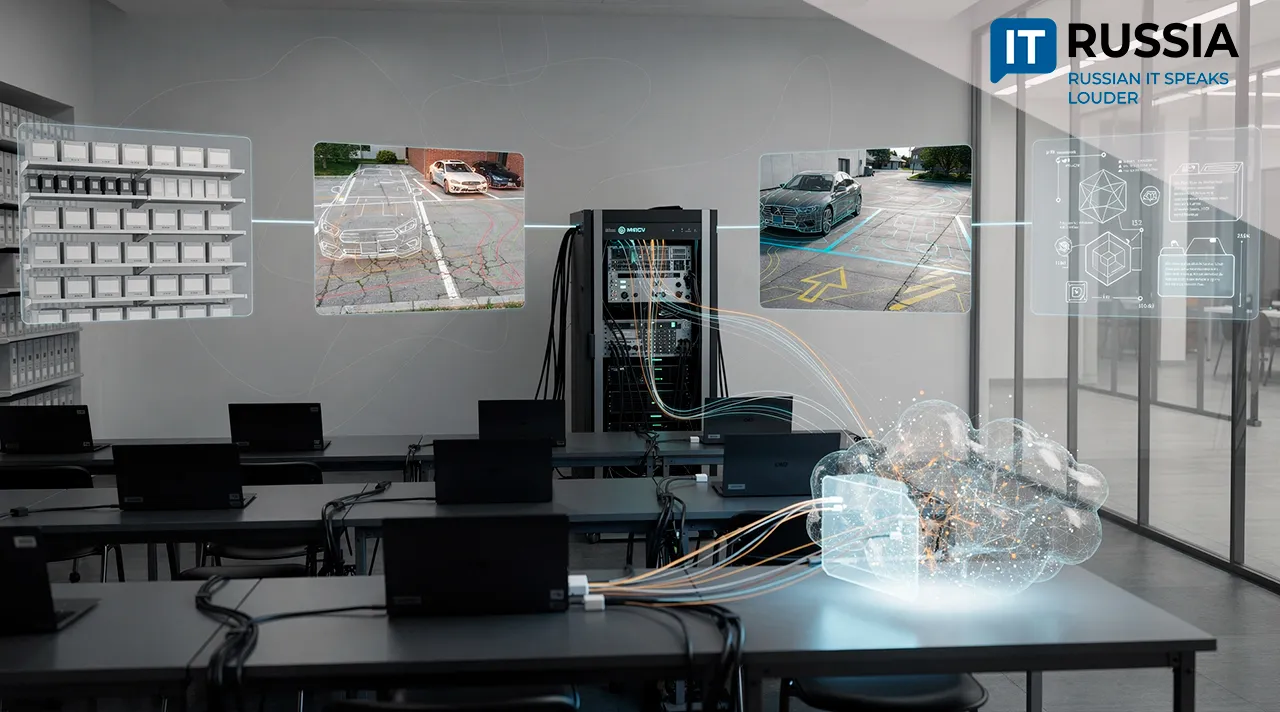
These are full-scale systems used to test control algorithms, machine vision technologies and navigation solutions for complex environments.
Mathematics as a Foundation
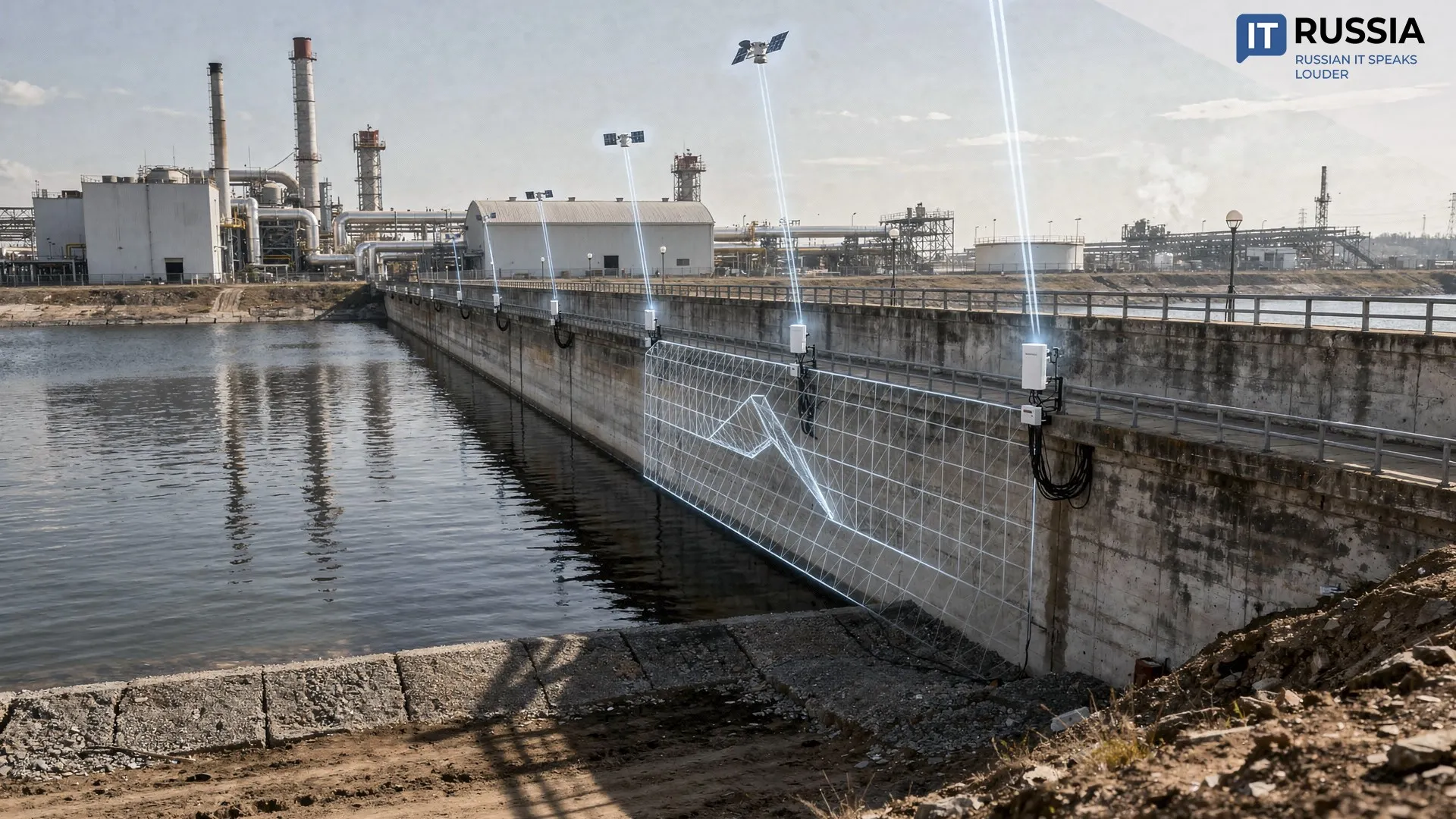
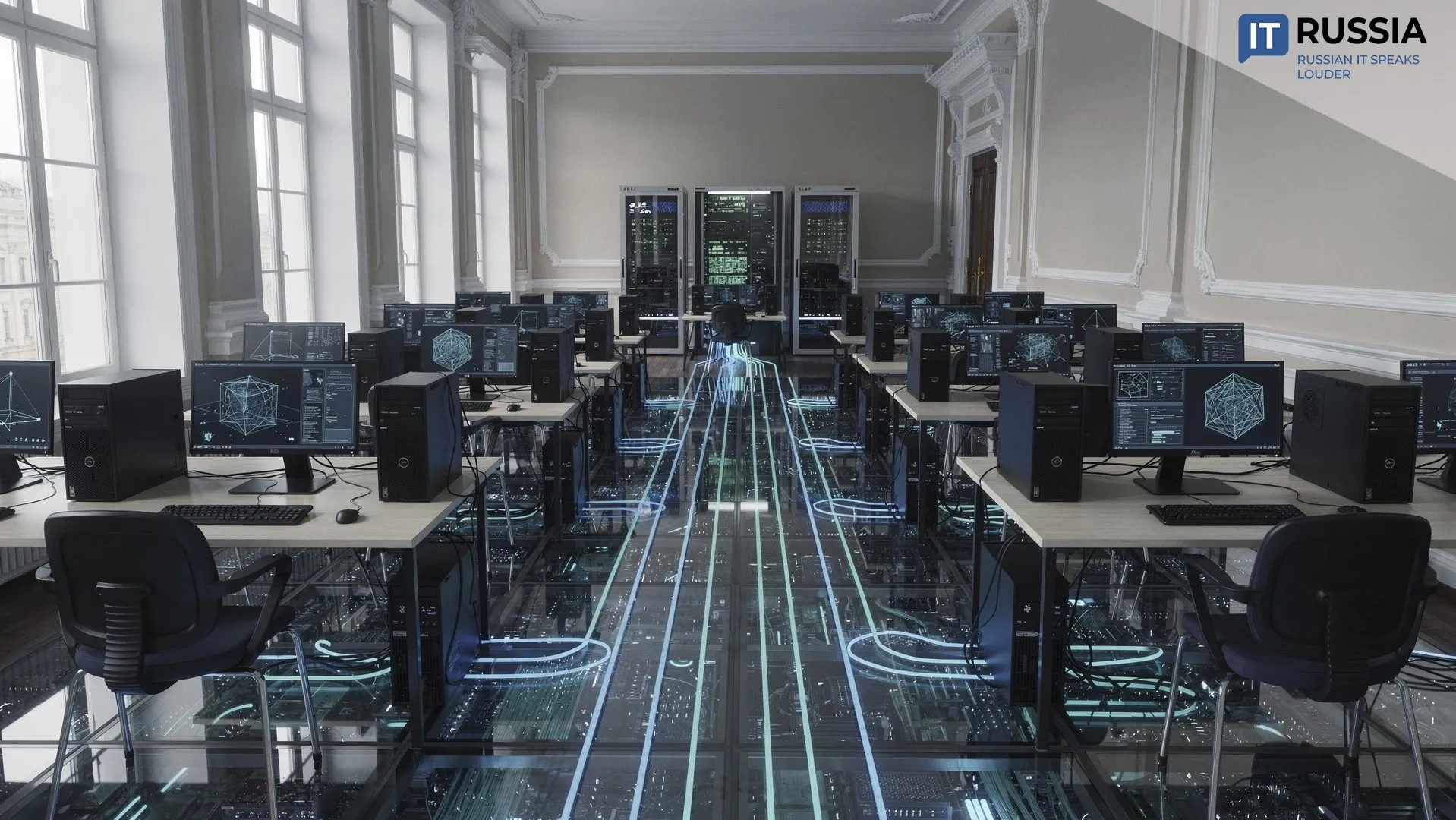
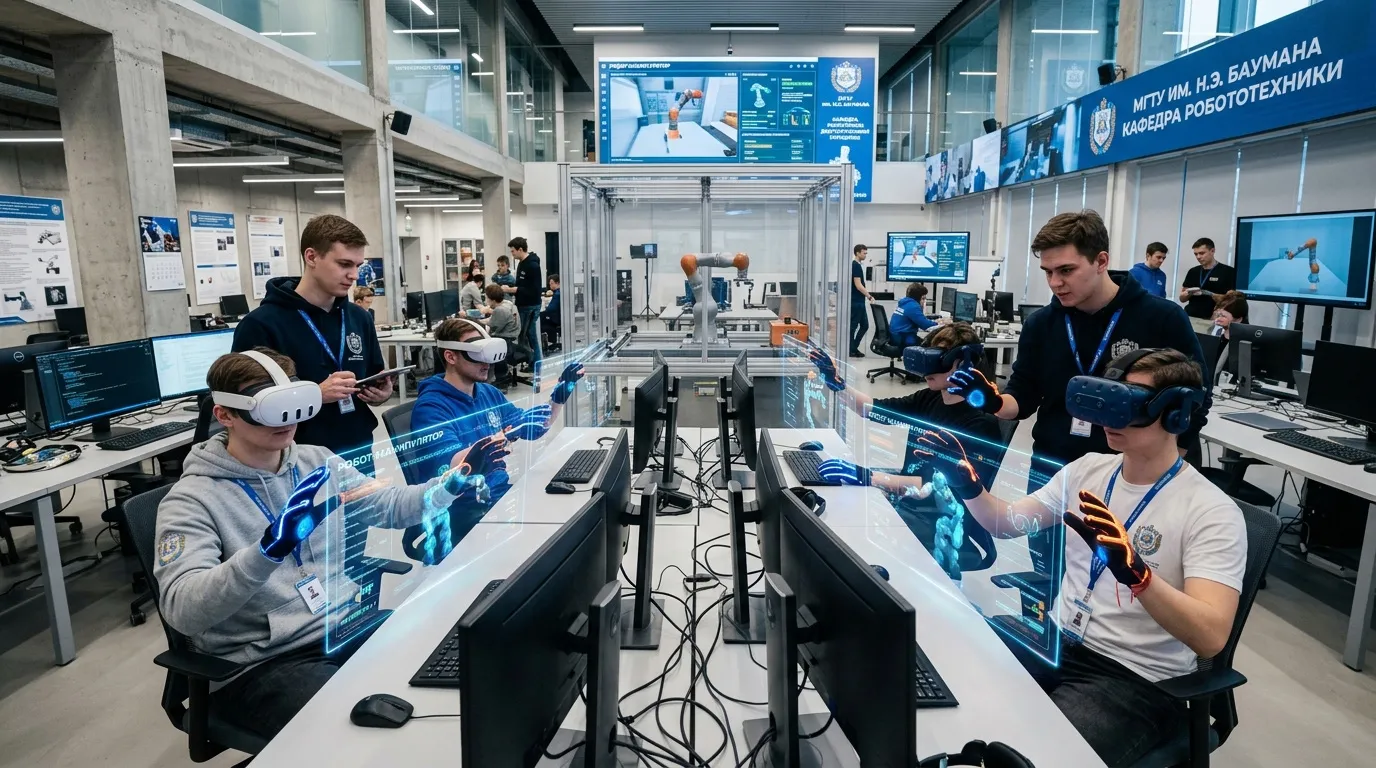
A significant part of the laboratory’s work will focus on mathematical modelling and algorithm development. Future robots are expected to detect surface defects in equipment, adapt to changing conditions and predict equipment failures. Developing such systems requires deep expertise in machine learning, computer vision and control theory.
Tomsk Polytechnic University and the Seversk Technological Institute of NRNU MEPhI will contribute their expertise in modelling physical processes and designing algorithms for complex technical systems. That expertise is essential for creating software that can turn a robotic platform into an intelligent assistant for human operators.
Although the project is focused on nuclear energy, its outcomes are expected to be applied in related industries. In practice, this makes it a growth point for a broader cluster of high-tech solutions, giving Russian industry an opportunity to develop robotics under real operating conditions.
Skills as the Foundation of Sovereignty
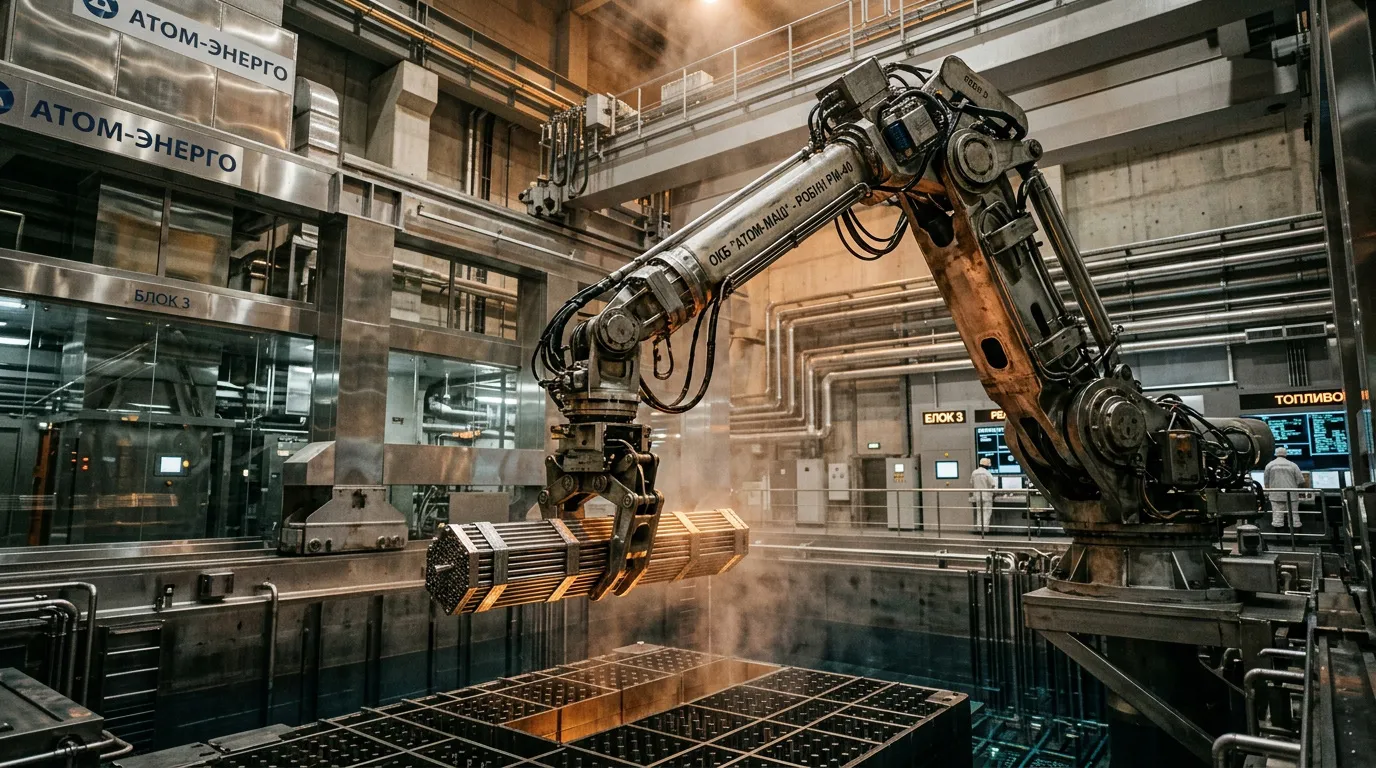
The creation of the core laboratory addresses a shortage of specialists in high-tech sectors. The future of nuclear energy requires a new type of professional – one who understands both nuclear physics and the principles of artificial intelligence. Such specialists are limited worldwide, and Russia is investing in its own training system.
Sirius University, with its project-based approach, provides an environment where students work on real industrial challenges from their first year. They tackle practical tasks such as handling fragile objects in glove boxes, enabling navigation without GPS and protecting electronics from radiation. This approach fosters applied thinking needed for work in advanced industries.
Ecosystem for the Future
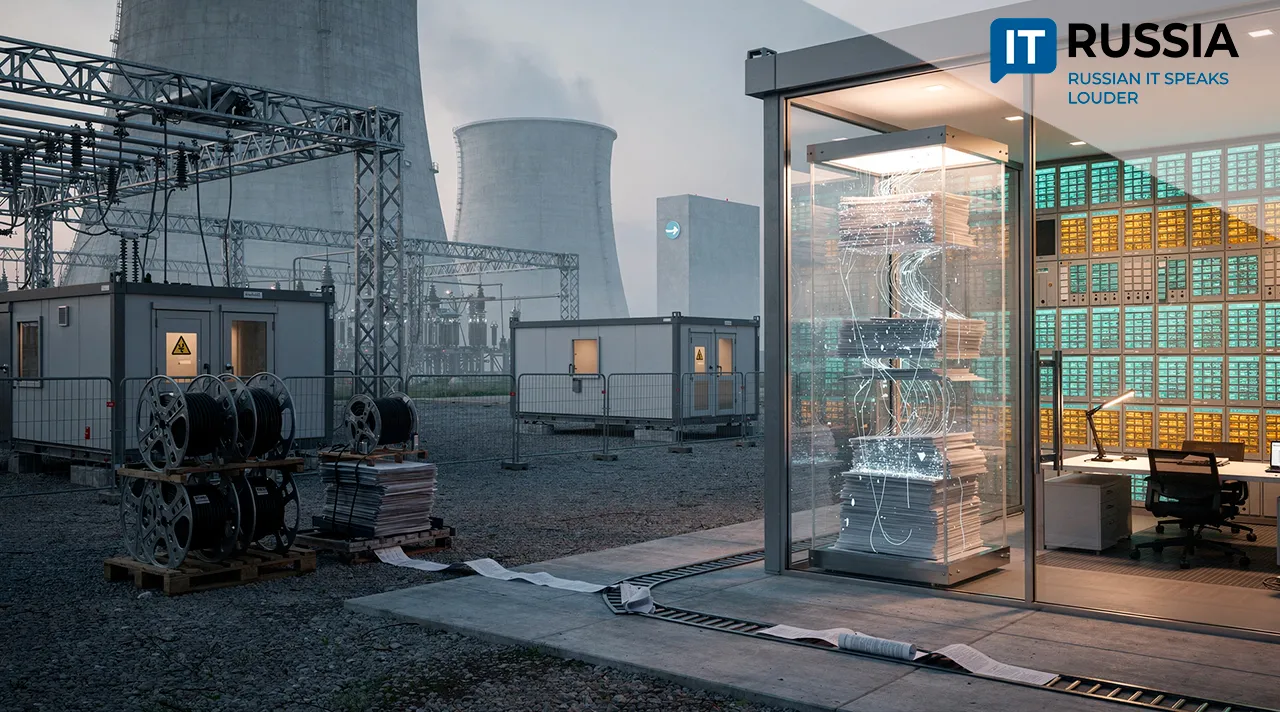
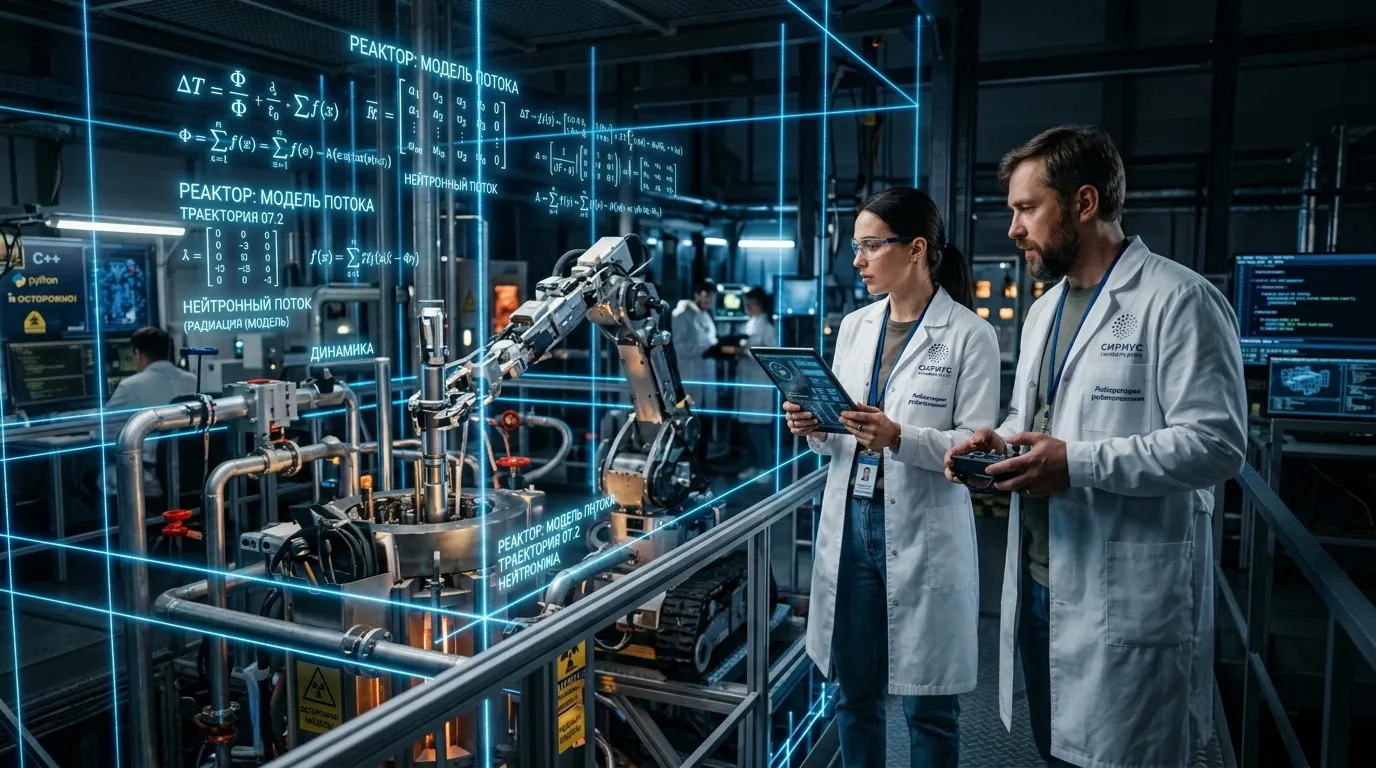
The laboratory is part of a broader ecosystem linking academic research, industrial demand and government programmes into a single chain – from research to development and deployment. Students trained in the laboratory can continue their work at the master’s level, pursue a PhD on relevant topics and eventually join industrial enterprises where their developments are implemented.
This continuity helps address a key challenge in innovation economies – the gap between scientific research and industrial application. Rosatom is building an integrated technological environment around the future of nuclear energy. The new core laboratory at Sirius University is expected to become another step in shaping that ecosystem.