Flying Field Mapper Brings Precision Spraying to Russian Farms
Crop producers in the Republic of Bashkortostan have been introduced to a new multipurpose agricultural drone that can both apply crop protection products and fertilizers and generate detailed field maps.
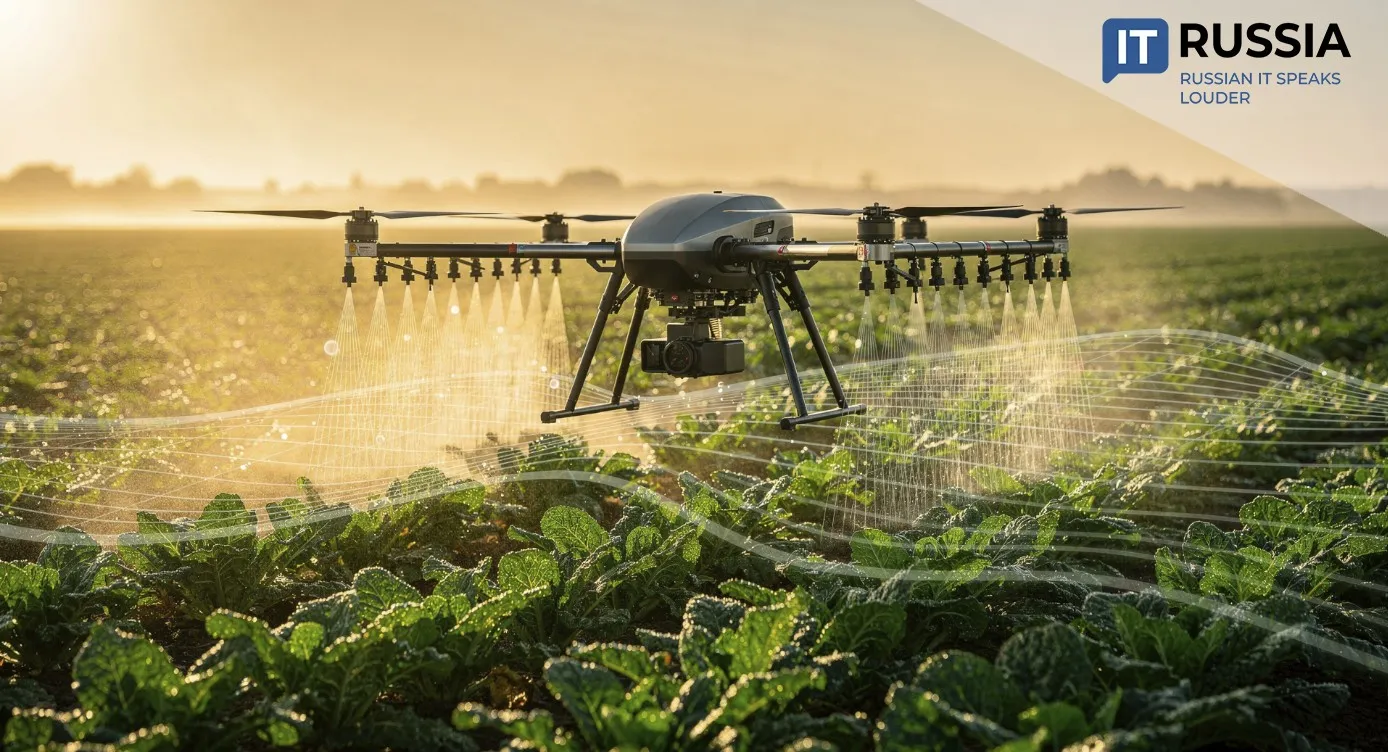
Agricultural drones have become a familiar and increasingly important part of the equipment used by modern Russian farming operations. Growers place the greatest value on versatile UAVs that can handle multiple field tasks rather than a single function. In practice, these aircraft can support nearly every stage of crop production, from seeding and forage harvesting to collecting data that helps evaluate field conditions and crop health.
Universal Drone for Agriculture
On June 25, 2026, specialists gathered at the Aktau agricultural enterprise (OOO SP Aktau) in Bashkortostan's Mechetlinsky District for the seminar "Technology for Harvesting Roughage and Succulent Forage," where they evaluated new technologies for agricultural production.
One of the seminar's highlights was a field demonstration of agricultural equipment operated by OOO SP Aktau. Farmers were introduced to a new agricultural drone developed by Bash-Fungitsid. The UAV features a large 40-liter tank for agricultural chemicals while using a fuel-efficient motor, allowing it to cover extensive acreage in a single operation. It can spray crops and apply fertilizers. An intelligent flight control system keeps application accuracy within one centimeter, helping minimize input waste. The drone can also target only disease-affected areas with the required crop protection products, leaving the rest of the field untreated.
Another advantage is that the drone requires no wheel tracks, preserving planted acreage and increasing yields by approximately 5 percent. Meanwhile, it can return to the field immediately after rainfall, when wheeled machinery must remain idle. Digital navigation systems also allow night operations, making around-the-clock fieldwork possible.
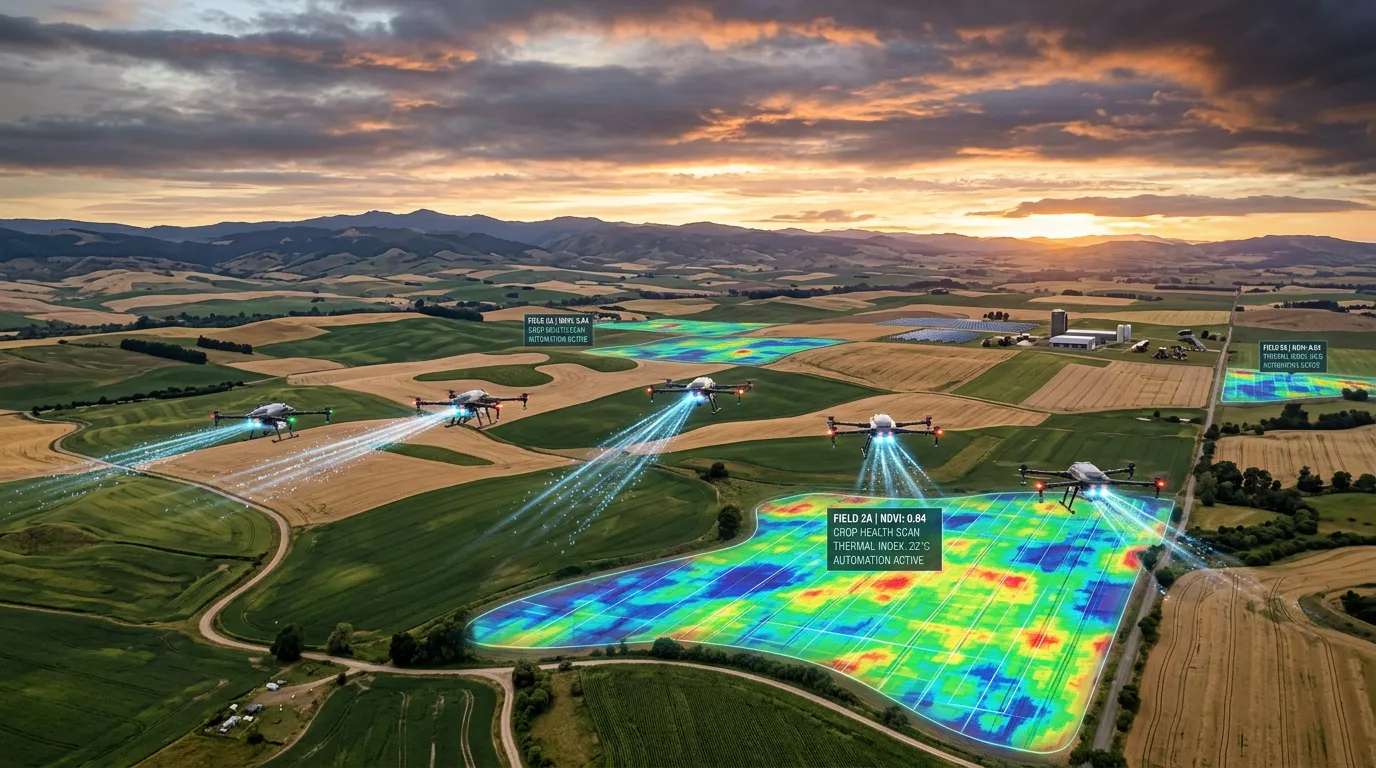
According to experts, savings on fuel and agricultural chemicals allow the drone to pay for itself in a single growing season. The UAV can also assess crop conditions and produce detailed field maps.
Agricultural Drones Gain Ground in Bashkortostan
Bashkortostan is emerging as one of Russia's leading regions for both manufacturing and deploying agricultural UAVs. Between 2023 and 2024, drones were used to complete field operations across roughly 50,000 hectares (about 124,000 acres). In 2025, that figure increased to 90,000 hectares (about 222,000 acres).
"We must be prepared for any weather surprises and use the most advanced technologies so our farmland delivers strong returns. Today, UAVs offer a worthy alternative to conventional field application equipment, and the technology is advancing rapidly," said Ilshat Fazrakhmanov, Deputy Prime Minister of the Republic of Bashkortostan and the republic's Minister of Agriculture.
The republic is also rapidly expanding drone manufacturing. In 2025, representatives from 76 Russian regions participated in the first international forum, Bespilotnye sistemy: tekhnologii budushchego (Unmanned Systems: Technologies of the Future), held at Skolkovo. Bashkortostan's delegation ranked first overall among Russia's regions and also won the business simulation "BAS kak alternativa traditsiyam" (Unmanned Aircraft Systems as an Alternative to Traditional Approaches). The republic has equipped 20 schools and one college with facilities for training future drone developers, manufacturers, and operators. The UAVs demonstrated in Mechetlinsky District are also expected to take forage production to a new level.
Part of a Precision Crop and Livestock Farming System
Russia began experimenting with UAVs in forage production several years ago. In 2022, drones were used to seed several hectares of forage crops in Samara Region.
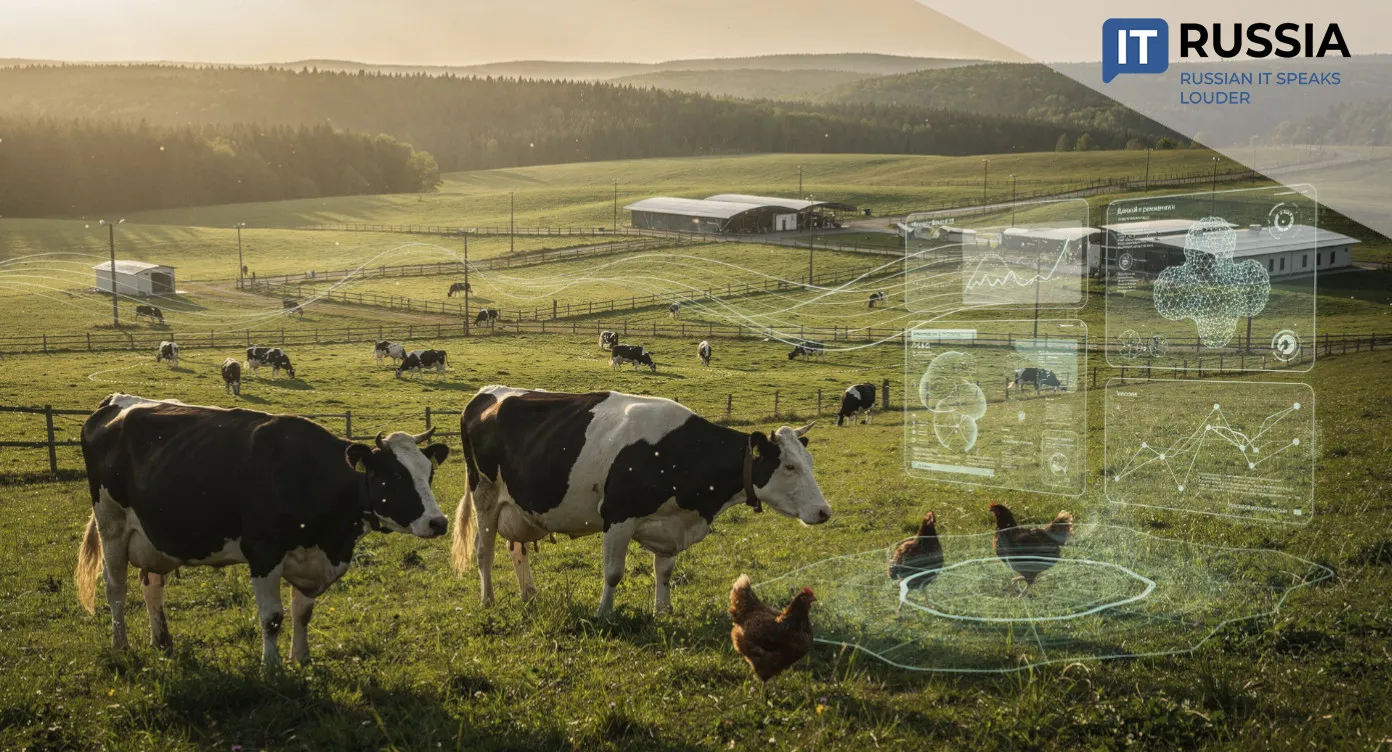
Within modern agriculture, the drones demonstrated in Bashkortostan could become an important component of a digital forage production system. They can participate throughout the production cycle, including seeding, remote monitoring of forage crop conditions, applying agricultural chemicals, identifying the optimal mowing window, mapping yields, monitoring harvested crop moisture, and analyzing and calculating the amount of preservatives needed after harvest. Applying biological and chemical preservatives helps reduce nutrient losses while improving the preservation of haylage and silage.
Digital systems for forage production and harvesting are becoming an essential part of broader digital livestock farming platforms. Precision crop production and precision livestock farming platforms are now a global trend. Against that backdrop, integrated Russian solutions are emerging as marketable export products that offer strong potential in friendly countries seeking to increase agricultural productivity quickly, alongside Russia's agricultural commodities.