Deputy Prime Minister Grigorenko Orders Government Agencies to Implement AI
Russia launches a nationwide directive to embed artificial intelligence into government workflows, aiming to modernize public administration and improve service delivery

Digital Governance and Citizen Services
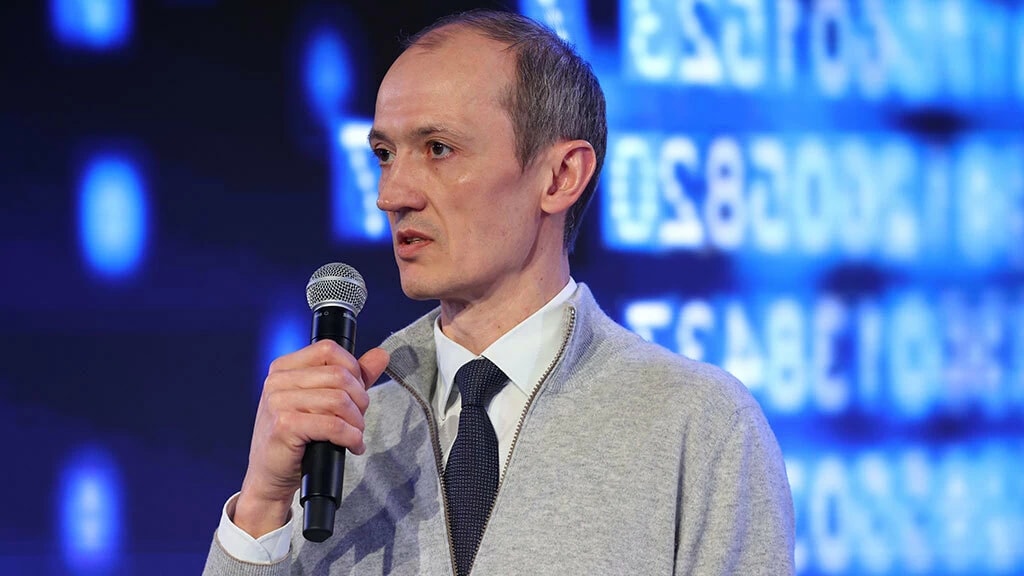
Russia is moving toward a new phase of digital transformation as Deputy Prime Minister Dmitry Grigorenko directs all federal agencies to integrate artificial intelligence into their internal processes. Under the order, agencies must submit digital‑transformation proposals to the Analytical Center under the Government of Russia by November 19. On December 1, the results will be forwarded to the Government, the Ministry of Digital Development, and the Ministry of Economic Development. By December 25, the Ministry of Digital Development will analyze the proposals and include approved initiatives in agencies’ 2026 transformation plans.
Grigorenko emphasized that AI can already support a wide range of government tasks, including evaluating program performance, forecasting results, automatically checking spelling, creating draft protocols, labeling documents, and routing them to the appropriate staff. The directive marks the beginning of a systemic, nationwide program for integrating AI into public‑sector operations.

If fully implemented, the initiative could transform administrative workflows, increase efficiency, accelerate document processing, and reduce routine workloads. It will also stimulate Russia’s IT sector by increasing demand for domestic AI solutions, integrators, and service providers. Over time, it will elevate the digital maturity of government agencies, reduce paper‑based bureaucracy and errors, and improve transparency and responsiveness.
Faster, More Reliable Public Services
The introduction of AI technologies will accelerate the development of public‑sector systems, strengthen Russia’s domestic software market, and reduce dependency on foreign platforms. If included in 2026 transformation plans, the directive will establish unified approaches, shared standards, consolidated data practices, and end‑to‑end digitization across the governmental hierarchy.

Automating routine operations and documentation workflows will reduce administrative burden and help citizens receive services faster and more effectively.
Although export potential remains limited—given that the system is tailored to domestic governance—the possibility of offering Russian AI platforms abroad remains open, especially in countries with similar administrative models.

AI Adoption Expands Across the Regions
While digital transformation in the early 2020s focused primarily on basic e‑services, the last two years have brought widespread experimentation with AI technologies: pilot programs, automated document checks, and advanced service‑portal features.
For example, in 2024 the Ministry of Digital Development tested a generative AI assistant (“Robot Max”) to automatically respond to citizen inquiries. In 2025, regional government portals expanded their AI tools: in the Moscow Region alone, more than 3 million documents were processed with the help of AI, significantly accelerating decision‑making while reducing staff workload.
Today, regions across Russia—particularly in healthcare, economics, and public administration—are testing and evaluating AI. While adoption is growing rapidly, scaling requires careful risk management and attention to responsible‑AI practices.

An Impulse for Russia’s Technology Industry
AI is becoming part of the core infrastructure of public administration, paving the way for major reengineering of bureaucratic processes. Analysts expect substantial growth in Russia’s market for domestic AI software, integration companies, and intelligent tools such as NLP systems, RPA platforms, and document‑management solutions between 2026 and 2028.
However, achieving this vision requires unified architectural standards, secure data‑storage practices, and high‑quality AI solutions. Without these safeguards, agencies risk duplication, vulnerabilities, and ineffective automation.
If successful, the initiative could give a significant boost to Russia’s IT sector and strengthen the country’s technological foundation.