Information Modeling Technologies Become the Standard for Industrial Construction in Russia
Severstal has created Russia’s first digital twin of a full-cycle metallurgical complex.
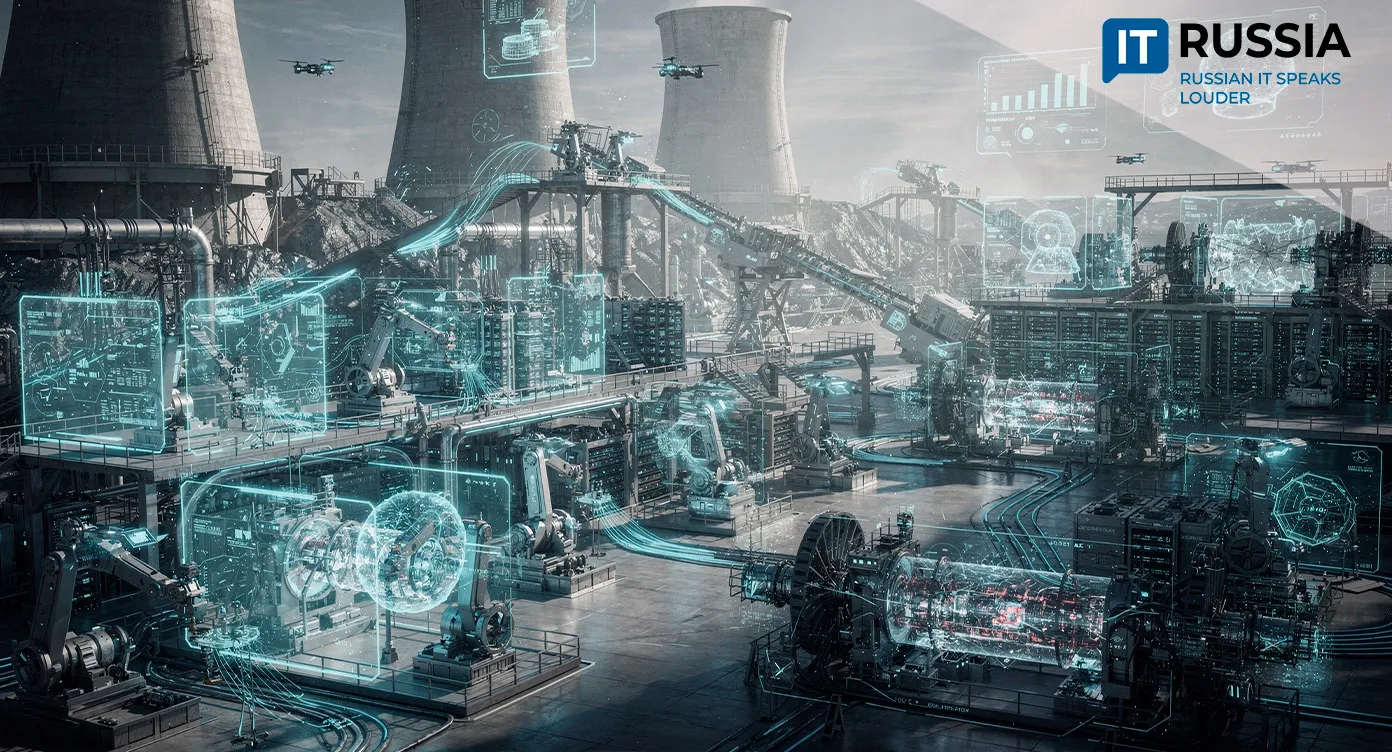
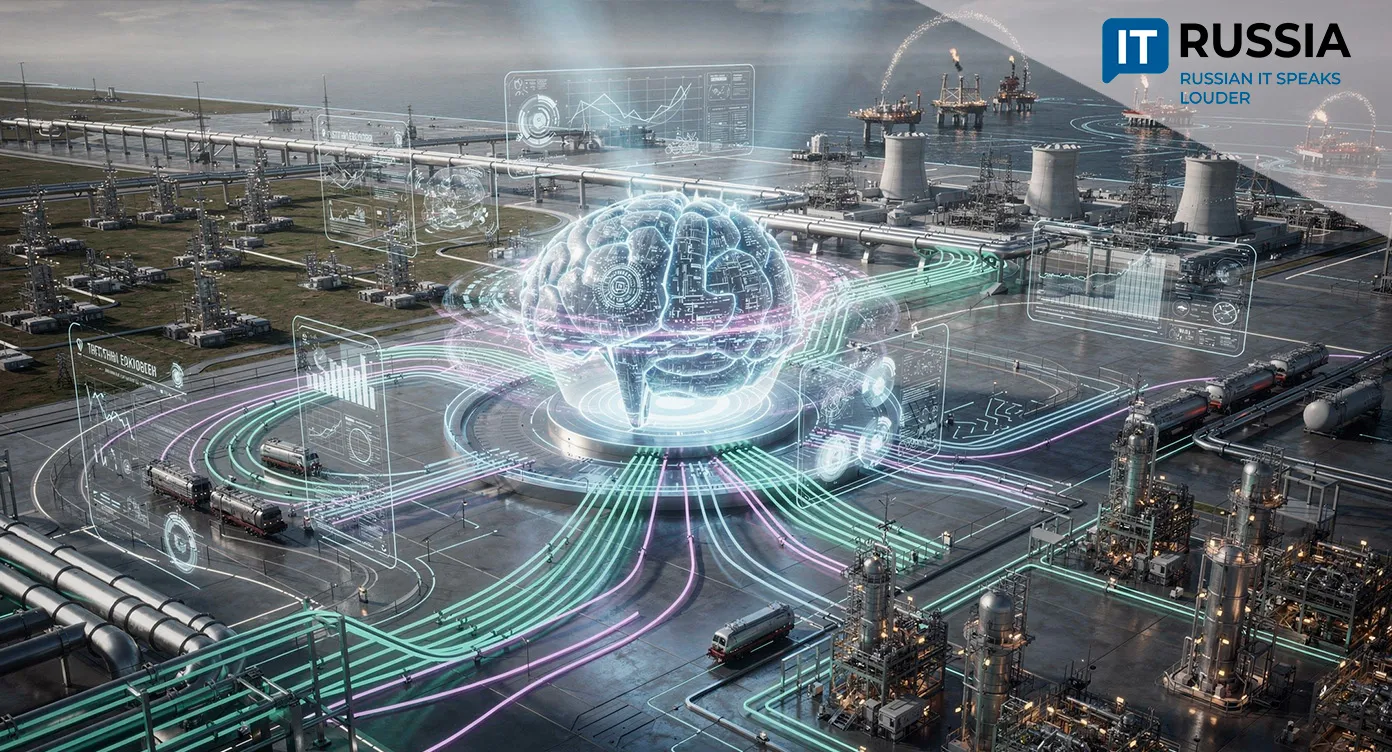
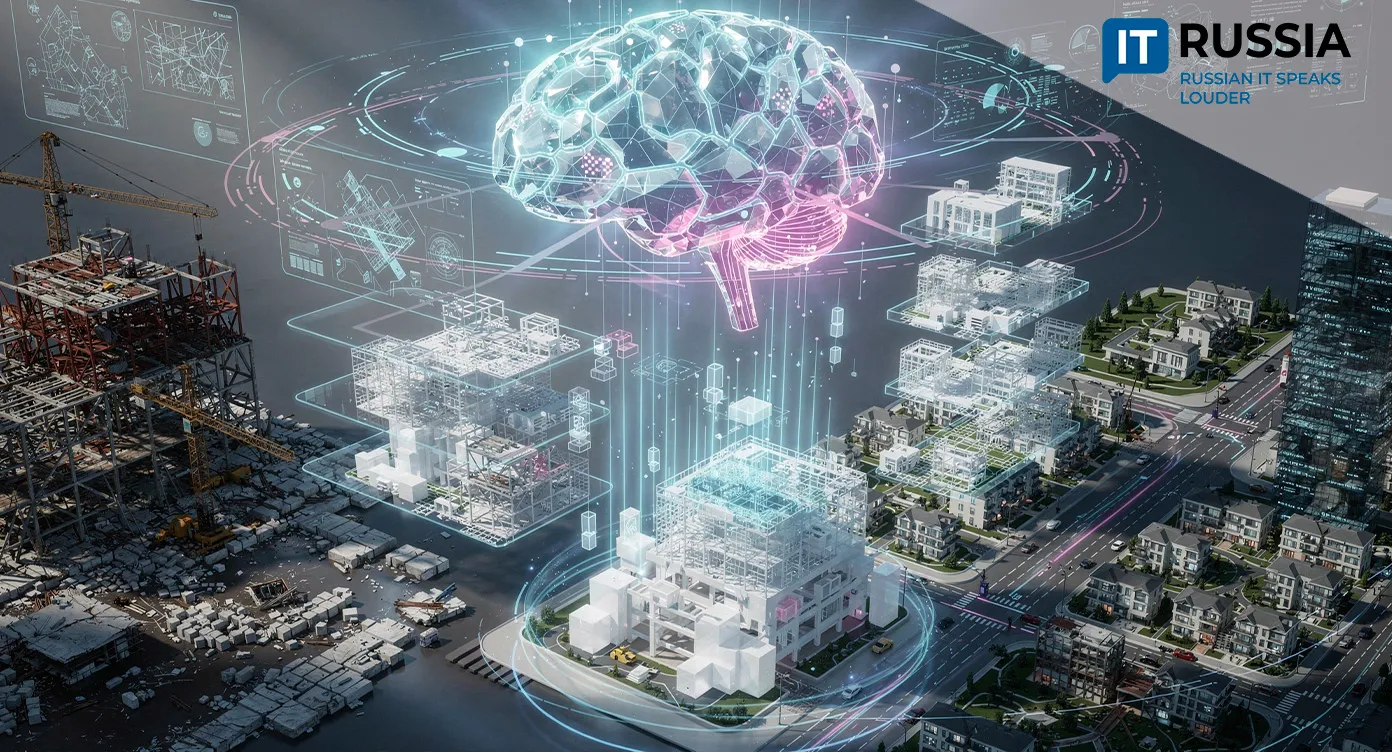
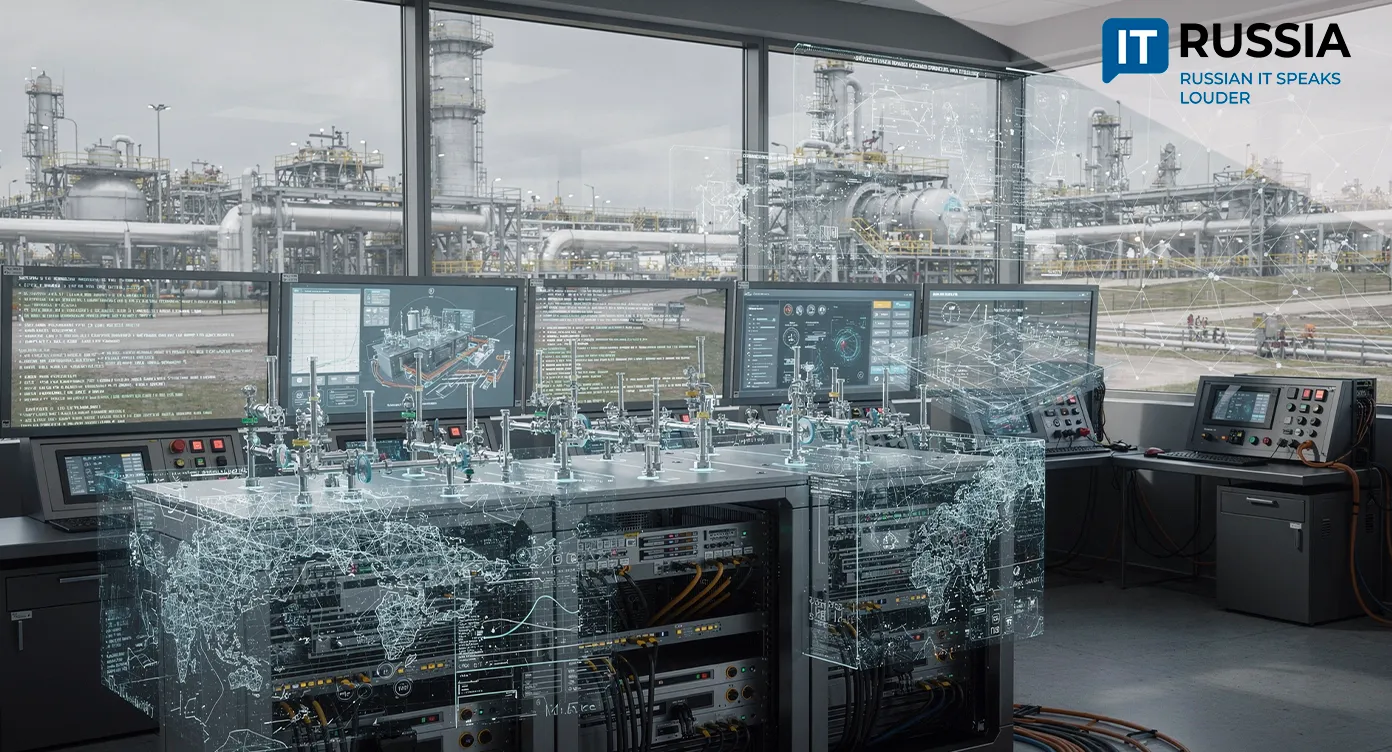
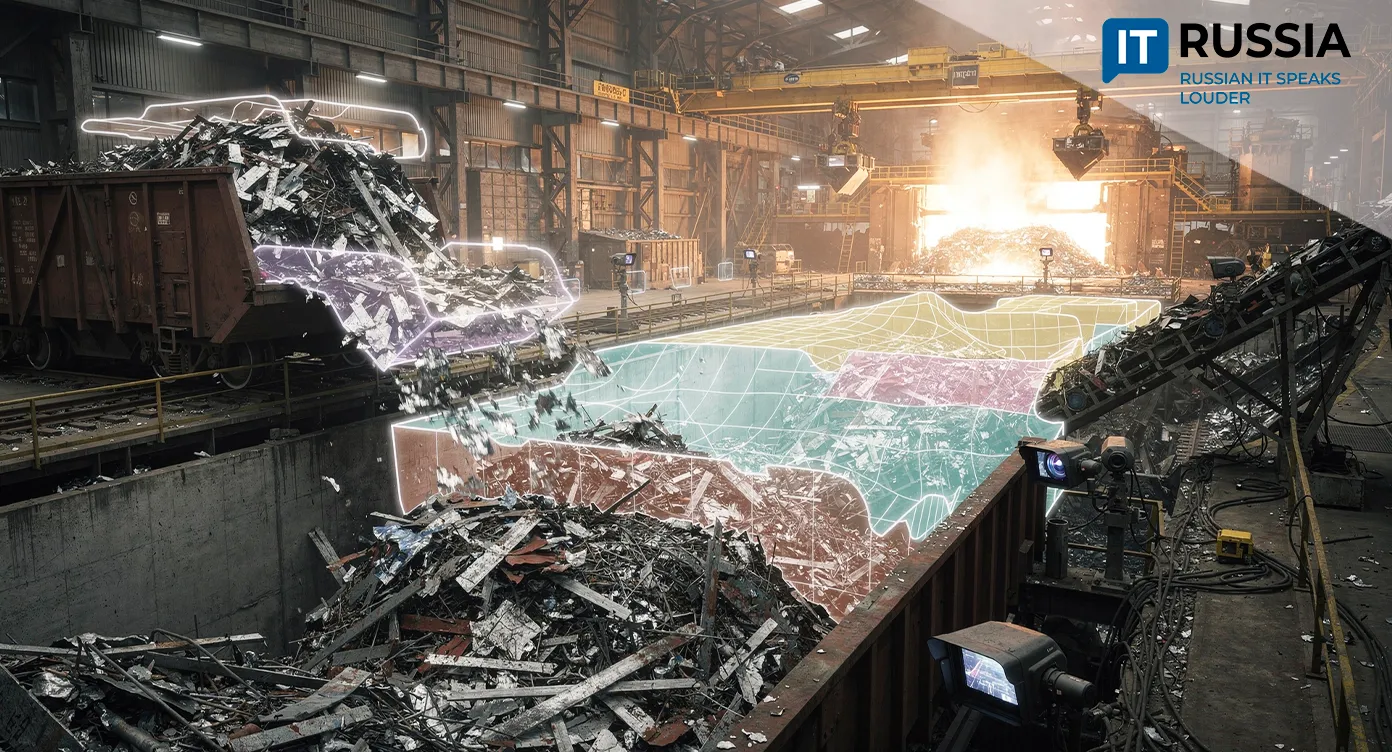
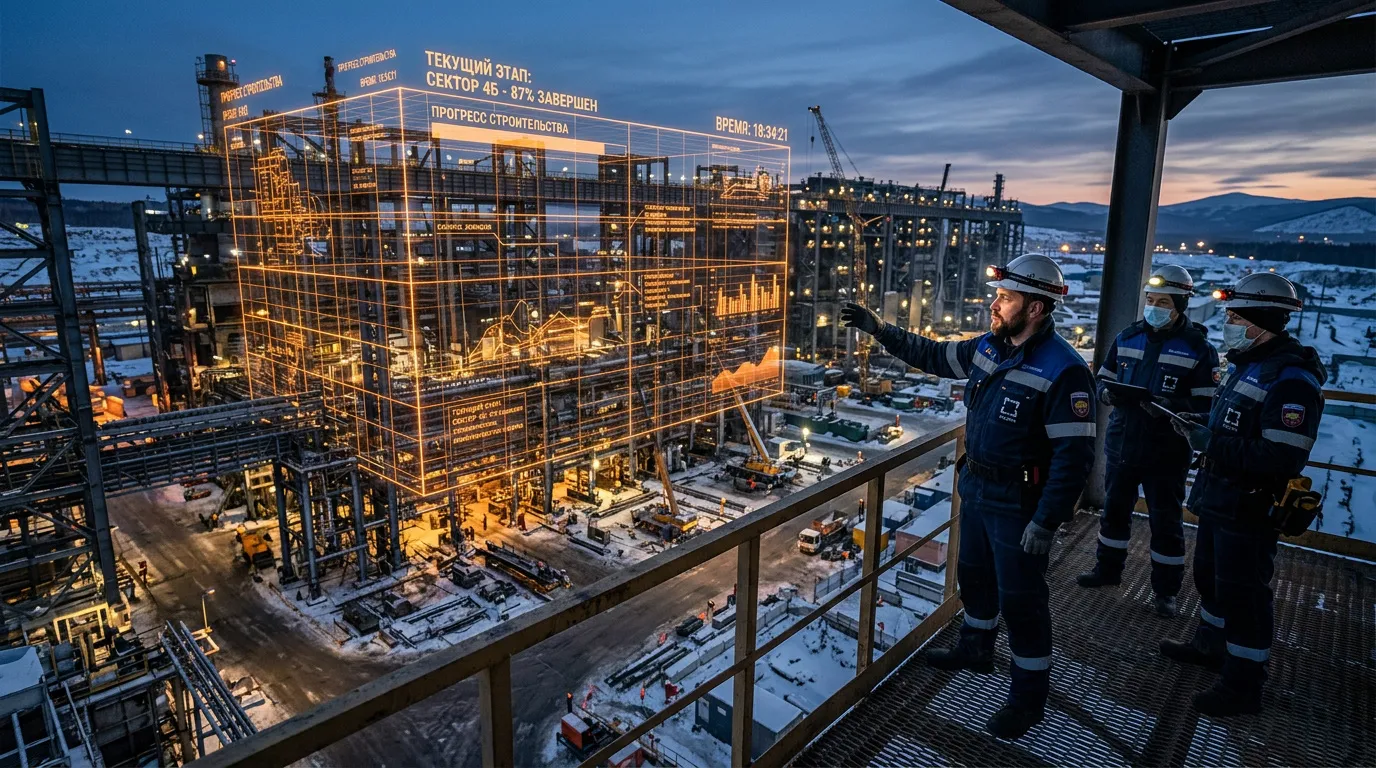
Severstal-Proekt has developed a unified information model for an iron ore pellet production complex at the Cherepovets Metallurgical Plant (CherMK, Severstal’s key asset). The digital twin integrates more than 80 capital construction assets, from foundations and steel structures to cable routes and power systems. The model allows teams to detect design clashes before construction begins, manage schedules in 4D, simulate logistics for oversized equipment deliveries, and run coordination meetings with contractors using 3D visualization.
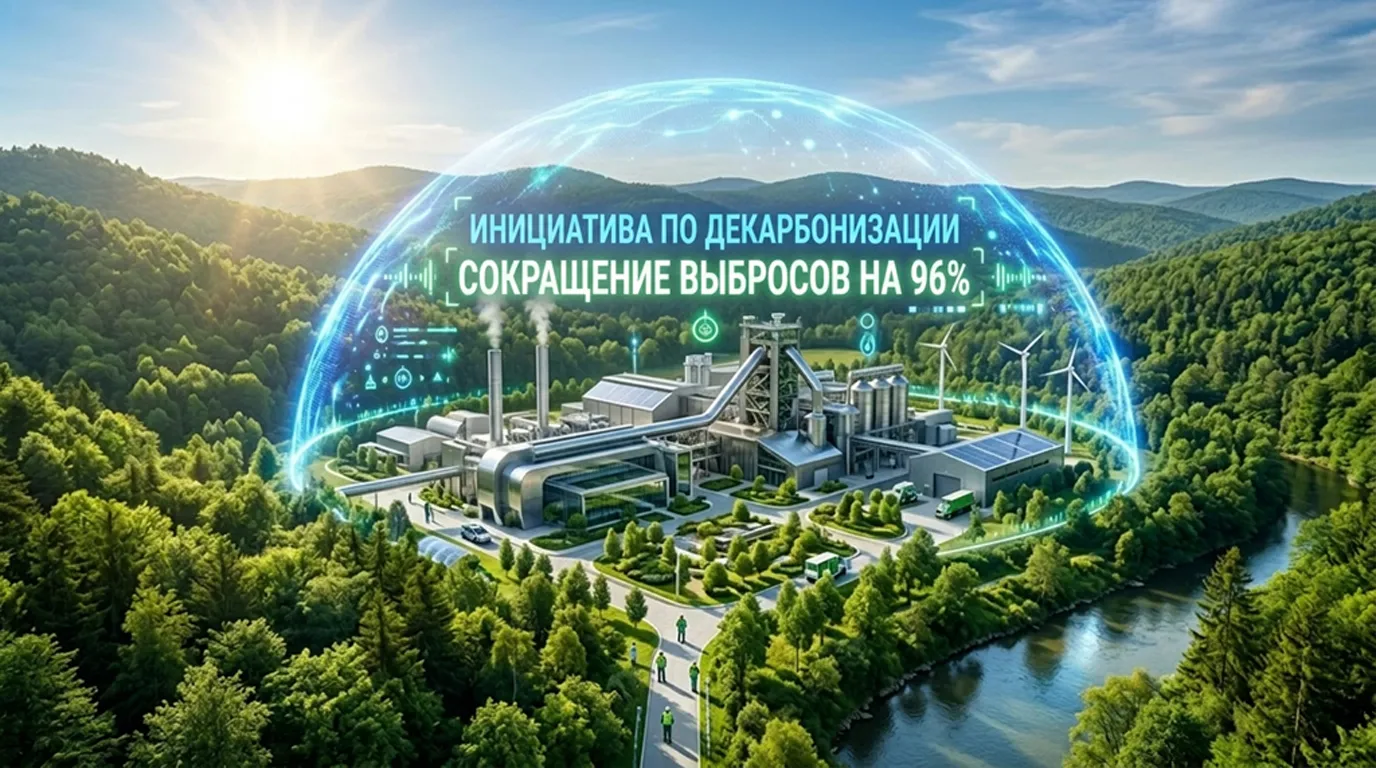
The pelletizing complex, with a capacity of 10 million tons per year, is the largest investment project in Severstal’s history. It is scheduled to launch in the second half of 2026. The new facility will allow the company to fully phase out outdated sintering operations, increase blast furnace productivity by 9% and deliver a significant environmental impact for Cherepovets and the Vologda region. Emissions of pollutants are expected to drop by 96,000 tons, while greenhouse gas emissions will decrease by 2 million tons annually.
The use of information modeling technologies (TIM) across all project stages has helped keep this flagship project on schedule and on quality targets. Going forward, the model will also support operations and maintenance.
Digital Management in Industrial Construction
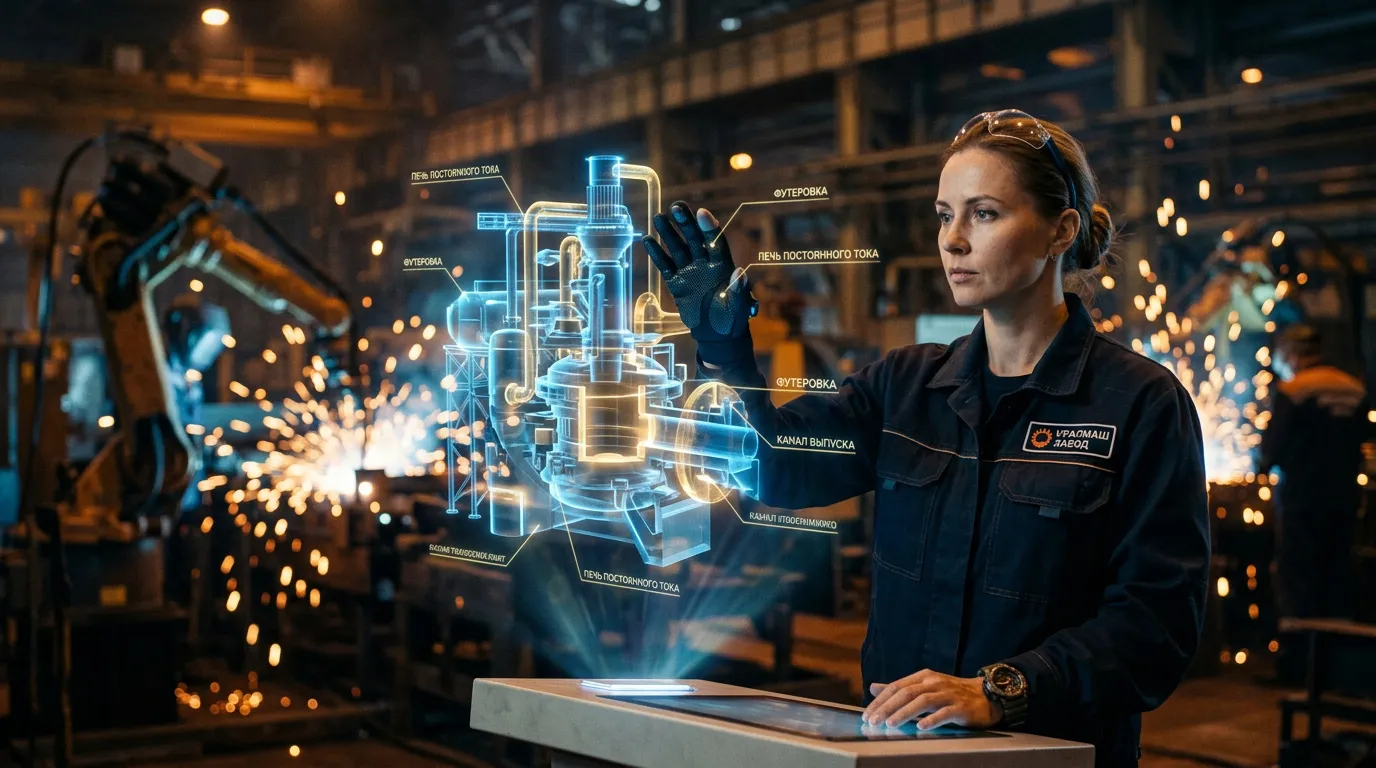
Since 2025, the use of information modeling technologies has been mandatory for publicly funded projects in Russia, and in industrial construction the requirement is spreading through state contracting authorities and regulatory review processes. For many Russian industrial companies, digital modeling is becoming a core tool for improving the quality and safety of capital construction. For example, in 2021–2022, Magnitogorsk Iron and Steel Works (MMK) completed a pilot deployment of TIM during the reconstruction of Blast Furnace No. 9. The project focused on using 3D models to develop design solutions and manage execution through 4D modeling. A key priority was identifying issues early to avoid costly rework. The pilot confirmed measurable economic benefits.
In 2024, Kola MMC (part of Nornickel) implemented a pilot project to construct a new facility using information modeling technologies. The work included laser scanning of the site, creating digital models of existing structures, and building a construction information model (CIM) for the new building based on 2D documentation to test 4D and 5D scenarios. The outcome was a corporate TIM standard governing digital support across the full lifecycle in line with Russian regulations.
Lower Risk, Higher Efficiency
Gazprom Invest (part of Gazprom) has already developed more than 100 digital information models for capital construction projects. A notable example is a compressor station project in Sakhalin, a complex facility with hundreds of units of process equipment, designed from the outset within a unified information environment. This approach allowed the company to reduce risks tied to design inconsistencies and to adjust plans in near real time, which is critical for meeting tight construction schedules.
Another case is a compressor station project in the Khabarovsk region. A comparative analysis of technical, economic, and environmental parameters enabled the selection of an optimal solution that delivers both high operational efficiency and minimal environmental impact. This approach not only optimizes capital expenditures but also lays the groundwork for reducing operating costs over decades.
From Model to Ecosystem
The digital twin project developed by Severstal-Proekt signals the maturity of Russian TIM solutions for complex industrial facilities. It also sends a clear signal to the domestic IT sector: wider adoption of TIM in industry is creating sustained demand for Russian engineering software and system integration services. This opens new opportunities for platform solutions, cloud services, and digital twin technologies. Scaling these tools across metallurgy, energy, and chemical industries is driving the development of sector-specific libraries, standards, and ready-to-use modules. Integration of TIM with ERP, MES, and lifecycle management systems is paving the way for full-scale digital transformation in industry. In turn, this accelerates the shift toward import independence and creates a new B2B services market.