Rosatom Shows How AI Is Powering Russia’s Technological Sovereignty
On April 23, 2026, the National Research Nuclear University MEPhI hosted a scientific and practical session focused on deploying artificial intelligence in real-world scientific and industrial processes.
The event was organized by Rosatom’s New Business Support Department and MEPhI. It brought together representatives from key divisions of the nuclear industry, IT integrators, government agencies, and the scientific community.
From Theory to Industrial Applications
The session highlighted a shift toward concrete digital products that are already in operation or at the pilot stage. Particular attention was given to decision support systems, an approach that is critical for high-reliability and safety-sensitive sectors such as nuclear power.
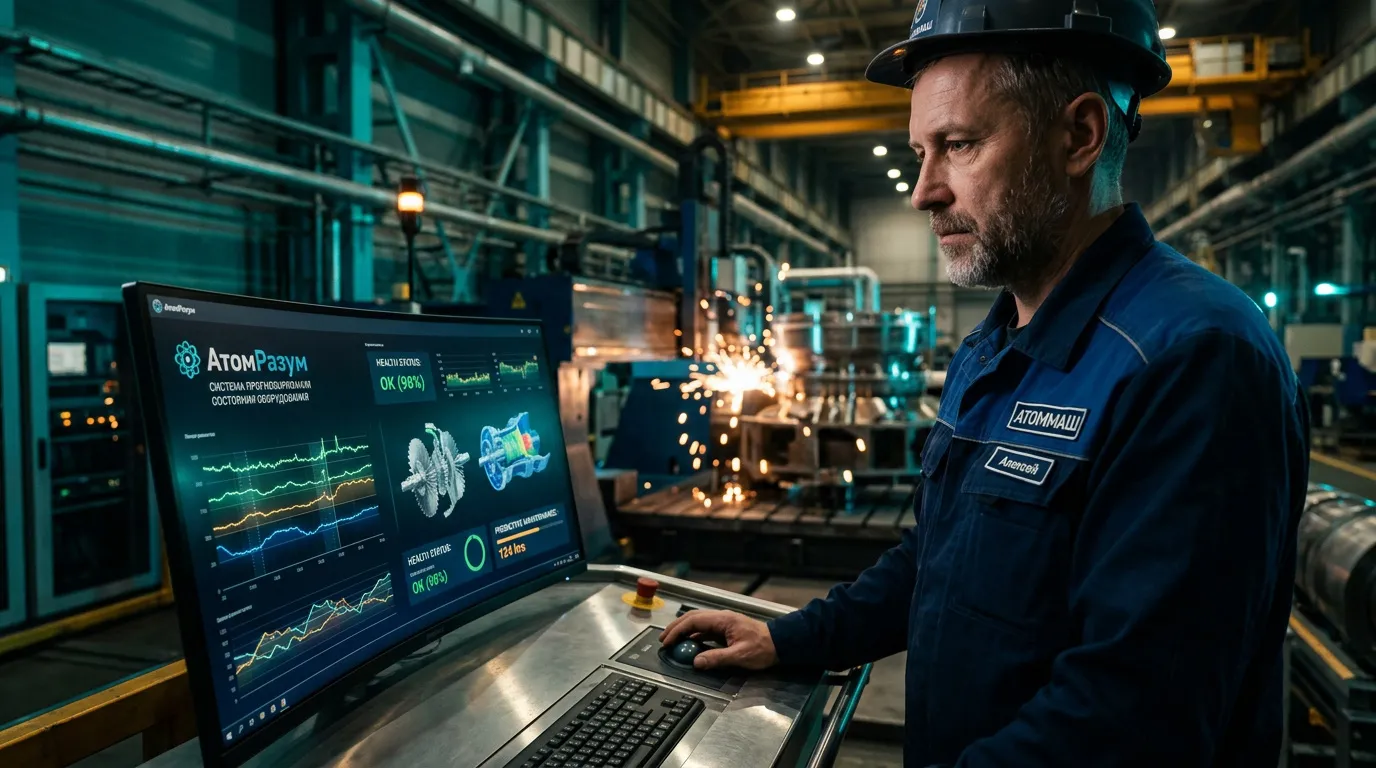
TVEL JSC, the management company of Rosatom’s fuel division, presented the industrial AI platform AtomMind platform. The solution is designed for predictive maintenance, failure forecasting, and production optimization. It is already in use within the industry and is being considered as an export product, with a pilot rollout planned in Belarus.
AI Beyond Nuclear Power
Representatives from Greenatom JSC, the nuclear industry’s IT integrator, outlined the use of AI in corporate services. These technologies support document workflow automation, request classification, document verification, and customer service operations. The RPA platform Atom.RITA has been classified as an AI product due to its use of speech synthesis, computer vision, and machine learning.
Medscan, part of Rosatom’s ecosystem, presented projects applying AI in medical diagnostics, including image analysis and clinical decision support.
Rosatom Nedra, the mining division, demonstrated how AI is used to optimize mineral extraction and processing, from geological data analysis to process control at enrichment plants.
Scientific Research and the Future of Medicine
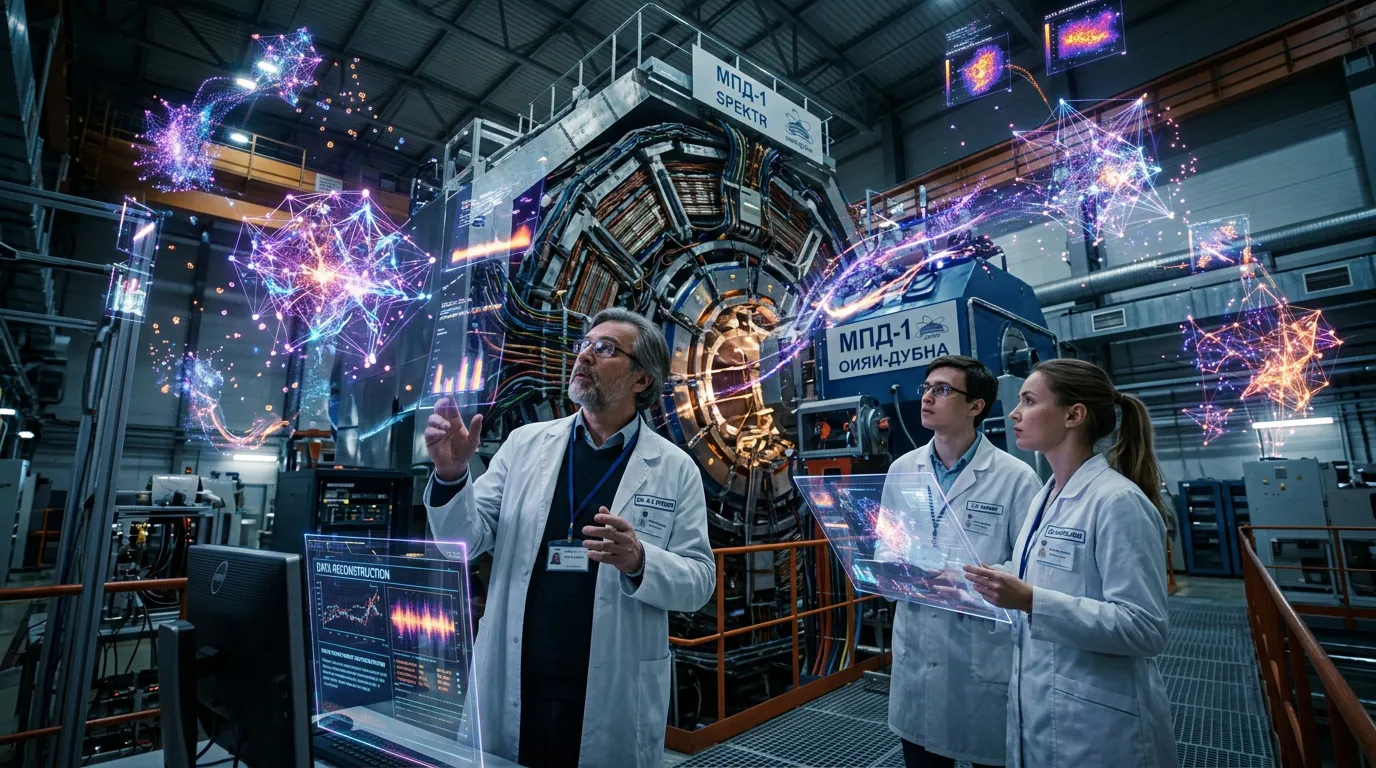
Researchers at MEPhI showcased a range of advanced studies where AI is integrated into scientific workflows. These included the use of graph neural networks to reconstruct events in high-energy physics detectors, machine learning-based analysis of brain activity, and the application of physics-informed neural networks to model the propagation of electrical signals in cardiac tissue.
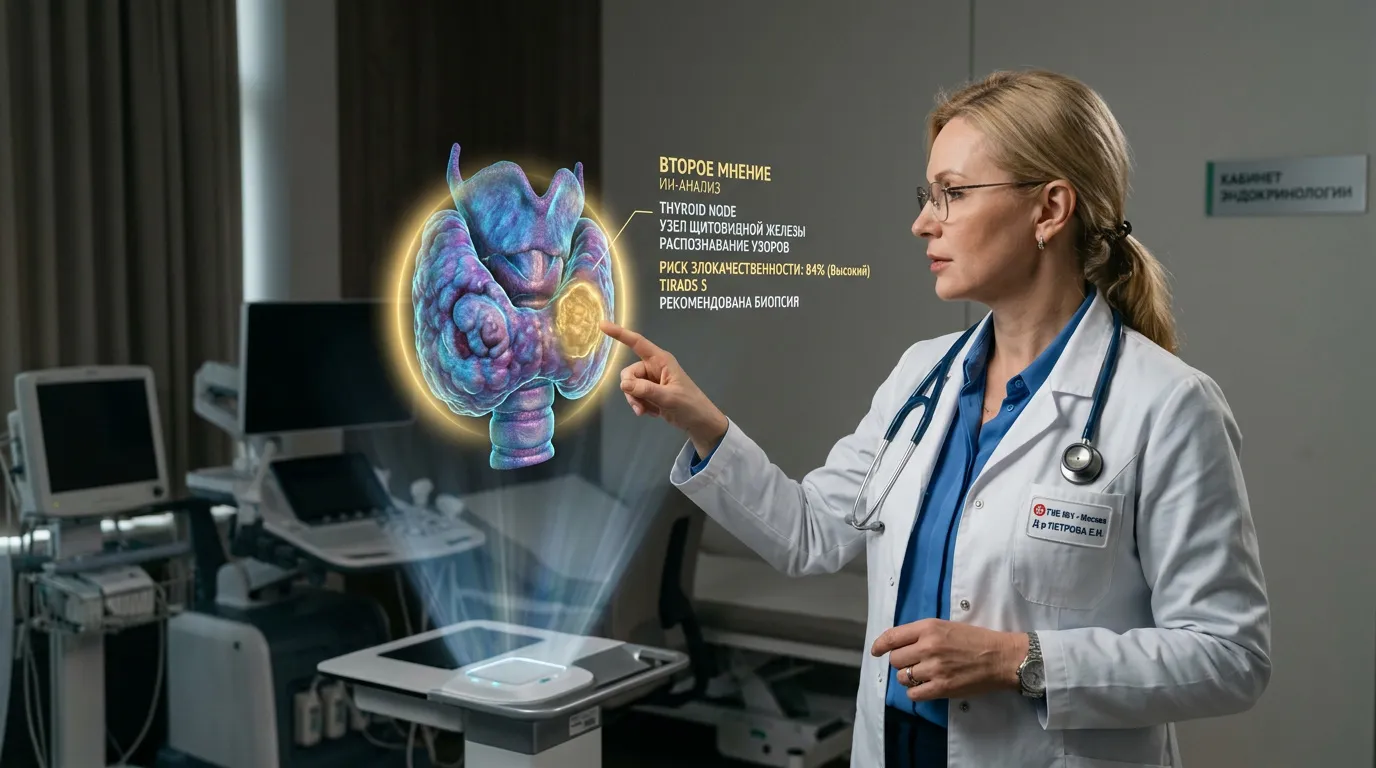
A project called Vtoroye mnenie (Second Opinion system) drew particular attention. This intelligent assistant for ultrasound diagnostics helps identify thyroid nodules. It has the potential to improve diagnostic accuracy and expand access to qualified medical care, especially in regions with shortages of specialized doctors.
During discussions, participants emphasized that in the nuclear sector AI is viewed primarily as a tool to support human decision-making rather than replace it, particularly in safety-critical tasks.
For example, Kursk NPP-2 already includes an operator support system based on AI technologies. Similar approaches are used in analyzing of accident scenarios in power systems, where embedded neural network tools help detect deviations and respond quickly.
Integration Across the Sector
Although the session focused on AI, it fits into Rosatom’s broader technological strategy. Artificial intelligence is already deployed across industrial operations, healthcare, scientific research, and corporate processes, becoming a cornerstone of the country’s technological sovereignty.