Irkutsk Scientists Find Way to Cut Energy Use in Ore Processing
Digital model replicates the most complex physical processes inside grinding mills
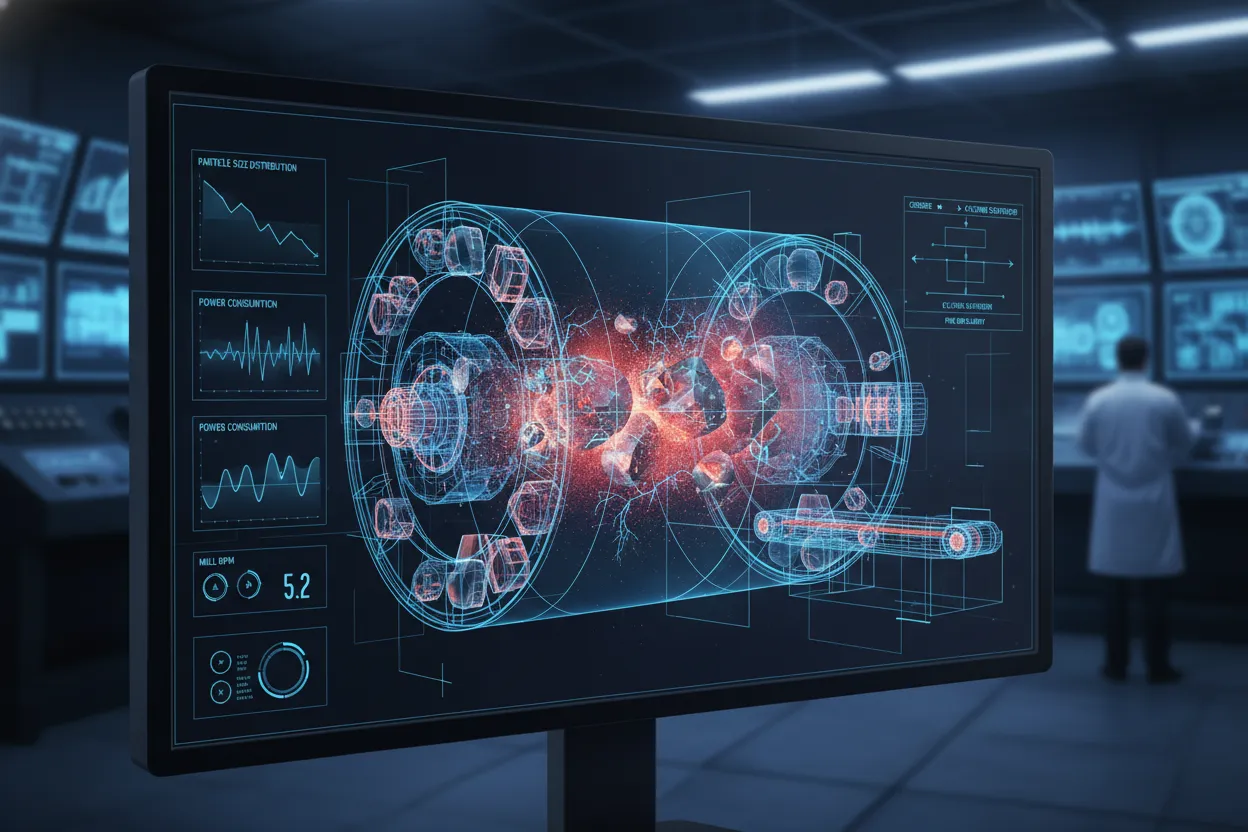
A research team from the A.P. Vinogradov Institute of Geochemistry of the Siberian Branch of the Russian Academy of Sciences, together with colleagues from other regions of Russia, has developed an advanced digital model of rock grinding processes.
The study, conducted with the participation of Viktor Kondratyev, head of the Energy and Resource Efficiency Innovation Center, opens new opportunities for improving energy efficiency in the mining industry, a key sector of the Irkutsk region’s economy, the regional press service told IT Russia.
Replicating Complex Physics
Crushing and grinding ore is one of the most energy-intensive stages in the production chain of non-ferrous and precious metal concentrates. Until now, mill performance has been optimized largely through trial and error, requiring lengthy and costly experiments. The new model accurately reproduces the most complex physical processes inside a mill drum in a digital environment.
“Dynamic Profiles”
The resulting “dynamic profiles” of how the load behaves inside the mill allow engineers to select optimal equipment parameters already at the design stage, ensuring maximum performance with minimal energy consumption.
The solution can be scaled across Russia’s mining and metallurgical sector. The mathematical model can be adapted for different types of mills and raw materials. In the future, the team plans to integrate the model with control systems at processing plants, enabling automated operation of grinding complexes based on AI technologies.
Earlier, a Russian diamond mining company automated the issuance of work orders.