Irkutsk Students Gain Online Access to Quantum Computing
Russian university students are joining the global quantum race as a new cloud platform grants them direct access to advanced quantum emulators and tools

Online Quantum Access for Irkutsk Students
Russia has opened another chapter in its emerging quantum ecosystem. The joint venture “Kvant” has granted the Irkutsk State Transport University (IrGUPS) test access to its cloud‑based quantum computing platform, allowing students and faculty to work with quantum emulators and design algorithms without leaving the laboratory.
The collaboration agreement was signed in March 2025, but practical use began only recently — giving the university computational capabilities previously available mainly to researchers within the Rosatom Group.

Integration Into Educational Programs
Since September 2025, IrGUPS has introduced a new block of quantum‑focused academic disciplines.
Students now study quantum cryptography, quantum informatics, and early applications of quantum technologies in transport — complementing existing programs ranging from train‑control system engineering to mechatronics and robotics.


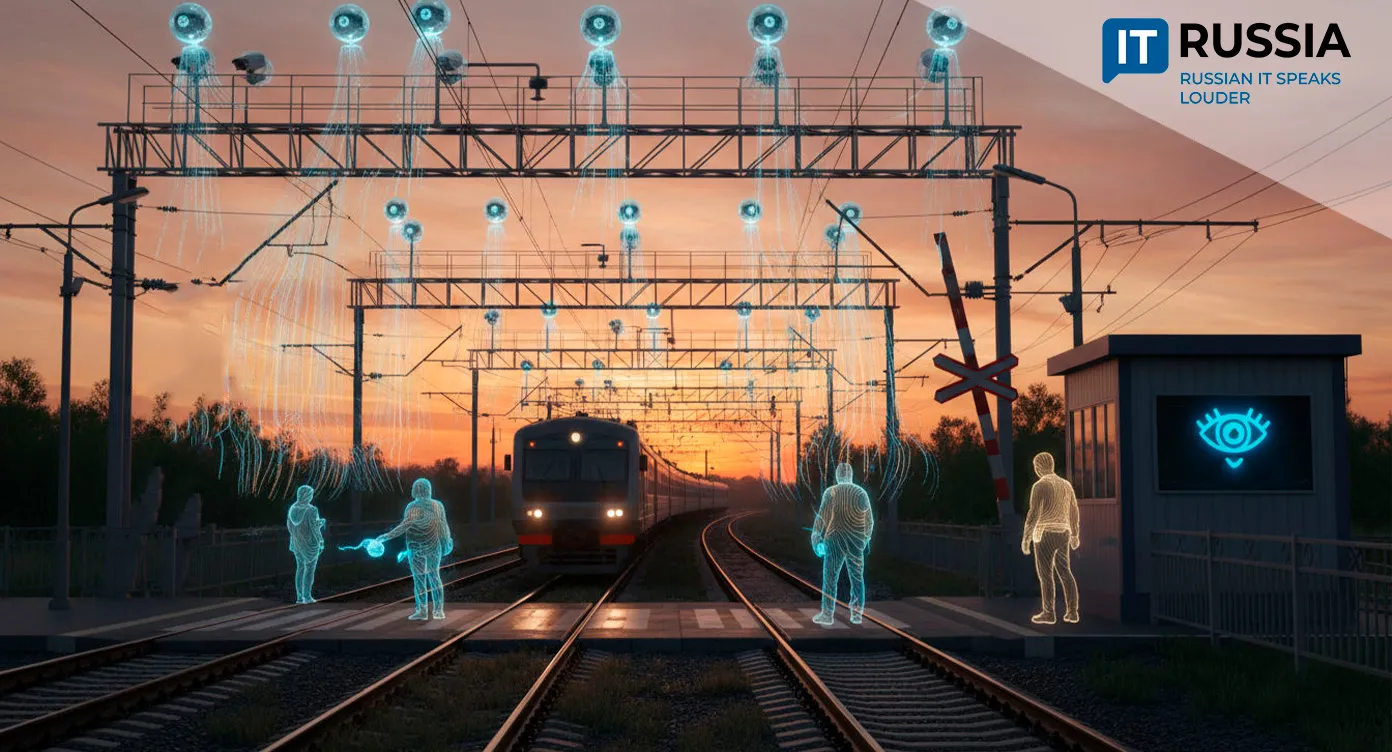
For Russia’s extensive transport sector, quantum technologies hold potential for optimizing logistics, forecasting traffic flows, and modeling complex infrastructure systems. IrGUPS is positioning its graduates at the intersection of these emerging needs.
A National Roadmap Through 2030
The cloud access program is part of Russia’s broader quantum computing roadmap through 2030. Its core objective is capacity building: 8,300 specialists with higher education, 2,600 with advanced training, and 800 with post‑graduate degrees.

By 2030, at least 10,000 users are expected to work on the platform. IrGUPS is among the first of many universities slated for expansion. Total funding for the initiative exceeds $320 million, sourced from the federal budget and Rosatom’s internal investments.
Export Potential and Technological Sovereignty
If fully implemented, Russia’s quantum cloud platform may evolve into a domestic counterpart to Western offerings, reducing reliance on foreign infrastructure. Potential international partners include members of the CIS, the Global South, and BRICS nations seeking secure and cost‑effective quantum services.

In transport and logistics — sectors already facing data‑intensive challenges — quantum computing could become a critical competitive advantage for cross‑border infrastructure projects.