Moscow Government Awarded for Development of Muon Tomograph for Nuclear Reactors
Sergey Oleynik has developed an instrument that enables scanning of nuclear reactor units without shutting down plant operations.
Award for Instrument Engineering
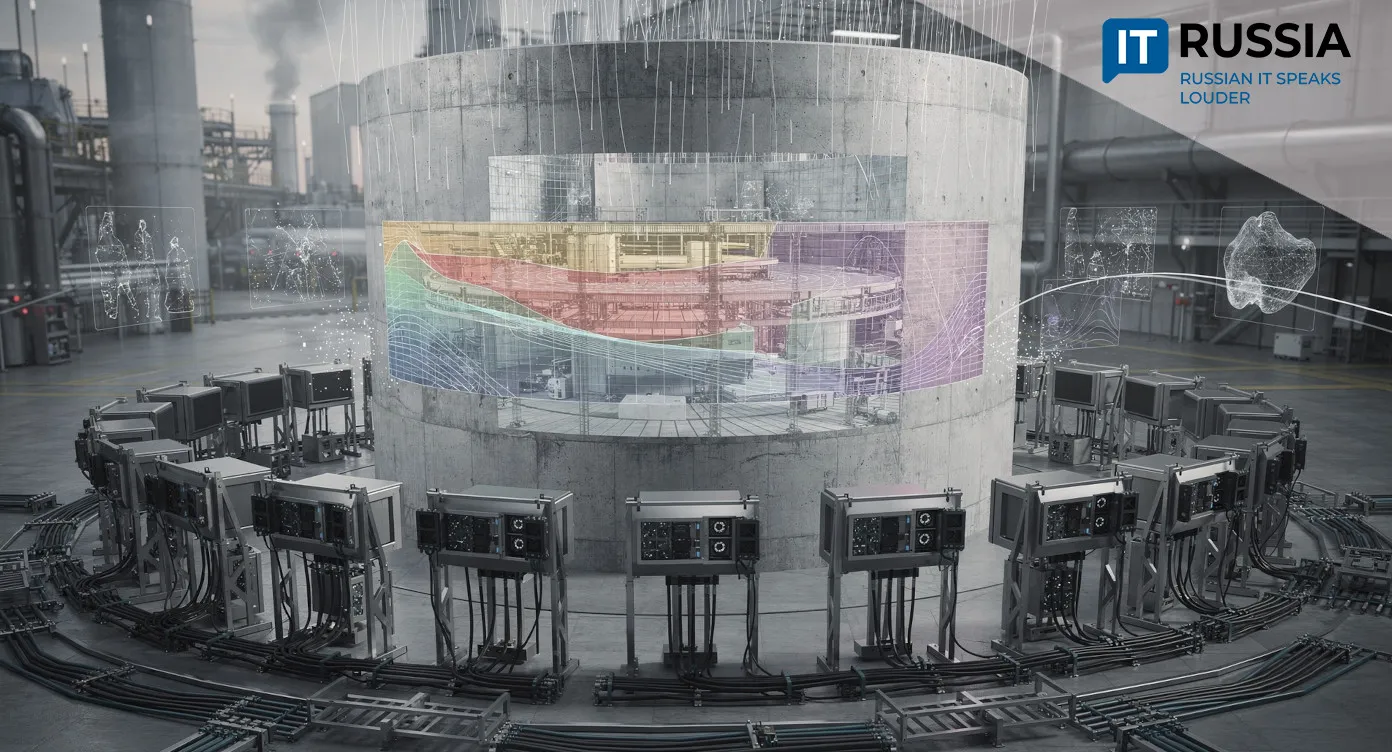
Moscow Mayor Sergey Sobyanin presented awards to young scientists for achievements in science and technology. Among the 77 laureates was Sergey Oleynik, head of department at VNIIAES JSC, part of Rosatom’s Electric Power Division. His project, Shirokoaperturiy Gibridniy Myuonny Tomograf dlya Issledovaniy Energoblokov AES (Wide-Aperture Hybrid Muon Tomograph for Nuclear Power Unit Studies), won in the Instrument Engineering category.
The competition received 1,404 applications from across the country. Projects were assessed according to strict criteria, including scientific novelty, practical significance and implementation potential. Oleynik’s work passed all stages of expert review and was highly rated for addressing the challenge of monitoring critical facilities without requiring shutdown or disassembly.
How Cosmic Particles Enable Reactor Imaging
Muons are elementary particles generated when cosmic rays collide with the Earth’s atmosphere. They have exceptional penetrating capability, passing through hundreds of meters of rock or tens of meters of concrete. Oleynik’s instrument uses this natural muon flux as a radiation source.
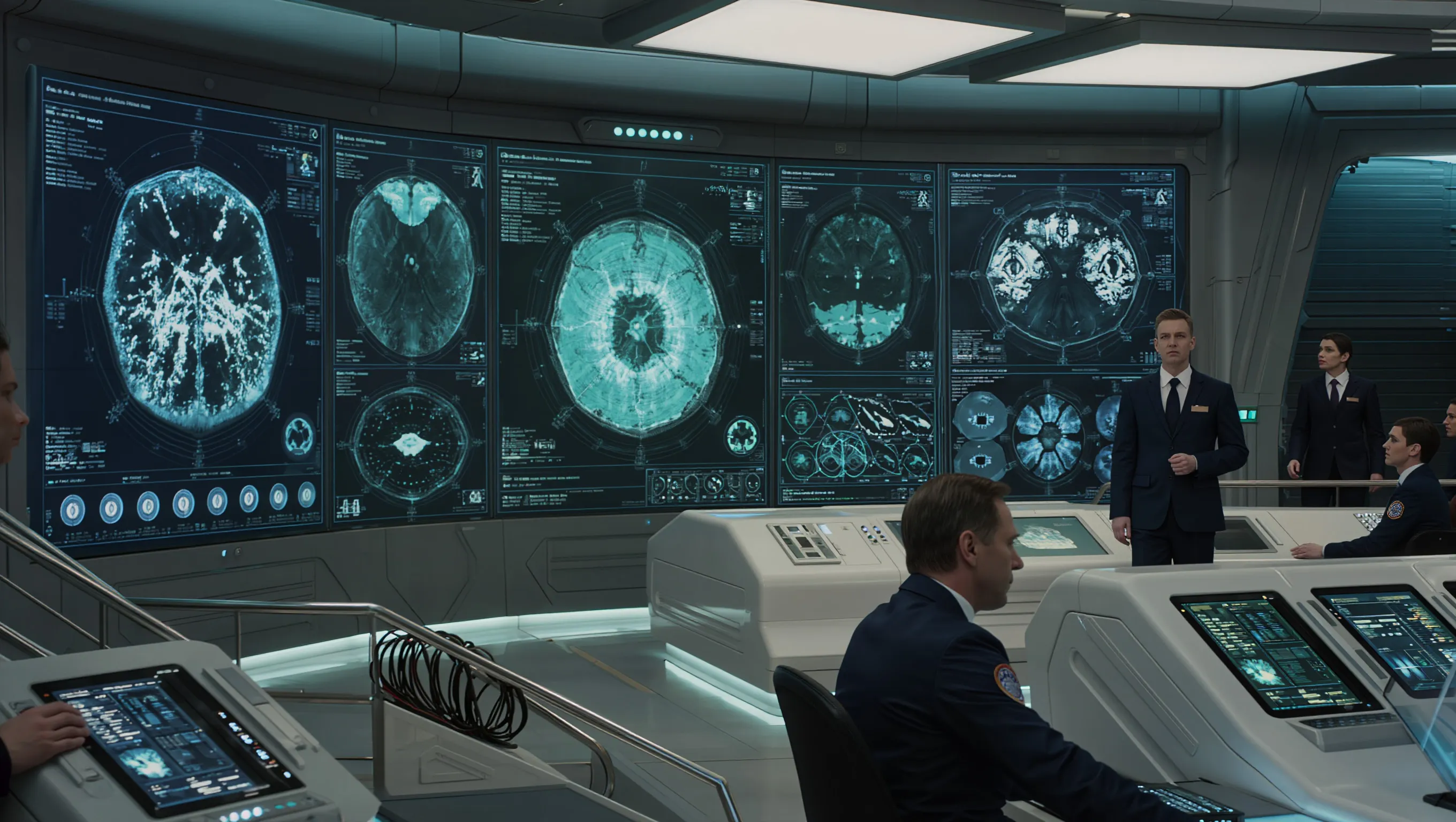
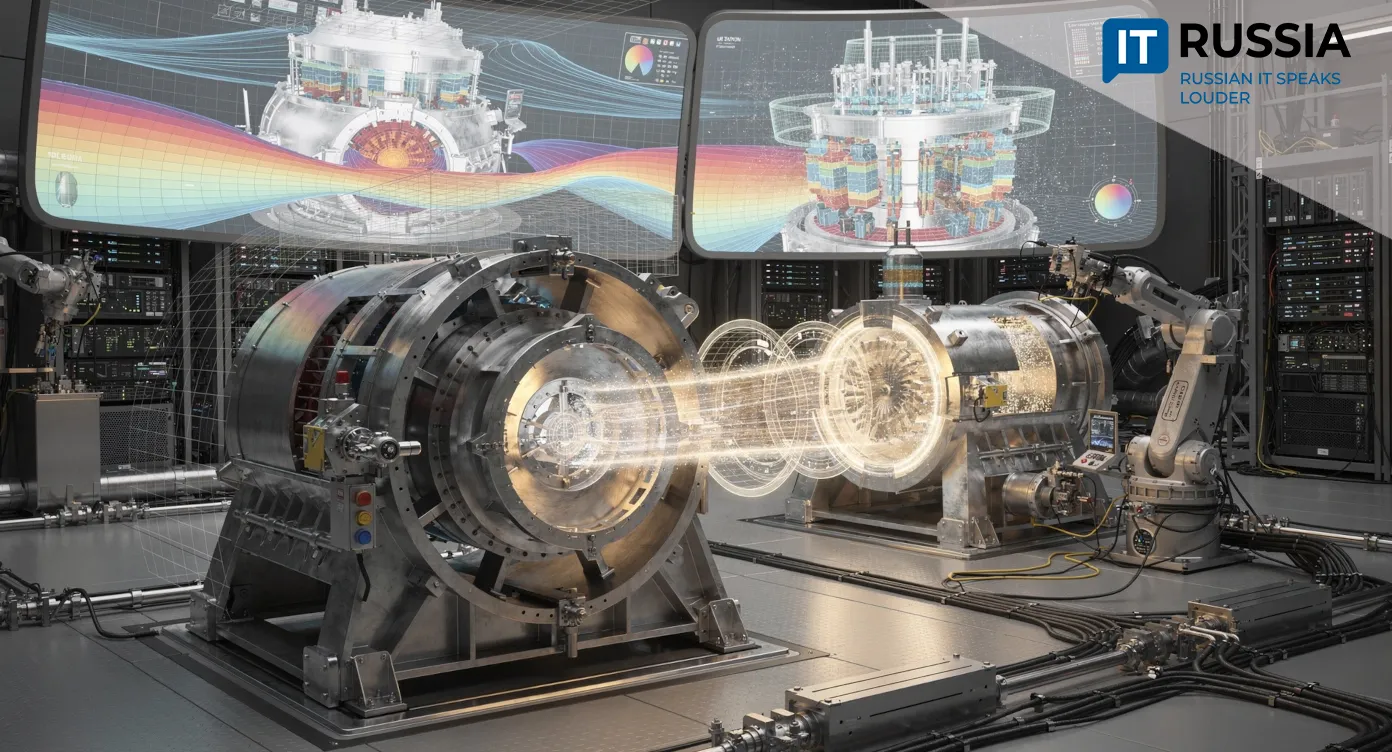
To conduct scanning, detectors are installed around the object, for example around a reactor vessel. They record muon trajectories before and after the particles pass through the structure. A computer analyzes the deviations and builds a three-dimensional density map of the internal materials. The denser the medium, the stronger the particle scattering. This makes it possible to detect voids, cracks or foreign inclusions without artificial irradiation.
First Results
The development began in 2019 under commission from Rosatom Nauka JSC. By 2022, the first muonograms of an operating power unit were obtained at Kalinin Nuclear Power Plant. This marked a breakthrough, as similar studies previously required reactor shutdown and the use of active radiation sources.


The project entered Rosatom’s top five scientific initiatives and received the Tekhnologicheskiy Proryv-2022 (Technological Breakthrough-2022) award. A notable achievement was the generation of dynamic muonograms. The system captures not only static structural features but also changes over time, including equipment displacement, structural deformation and the emergence of microcracks. This enables early identification of issues before they escalate into safety events. Rosatom specialists continue to use complementary inspection methods alongside muon tomography.
Operational and Safety Advantages
Conventional methods for assessing the condition of a nuclear power unit require taking the unit offline. For nuclear plants, this results in losses of millions of rubles per hour of downtime. The muon tomograph can be used while the reactor remains in normal operation.
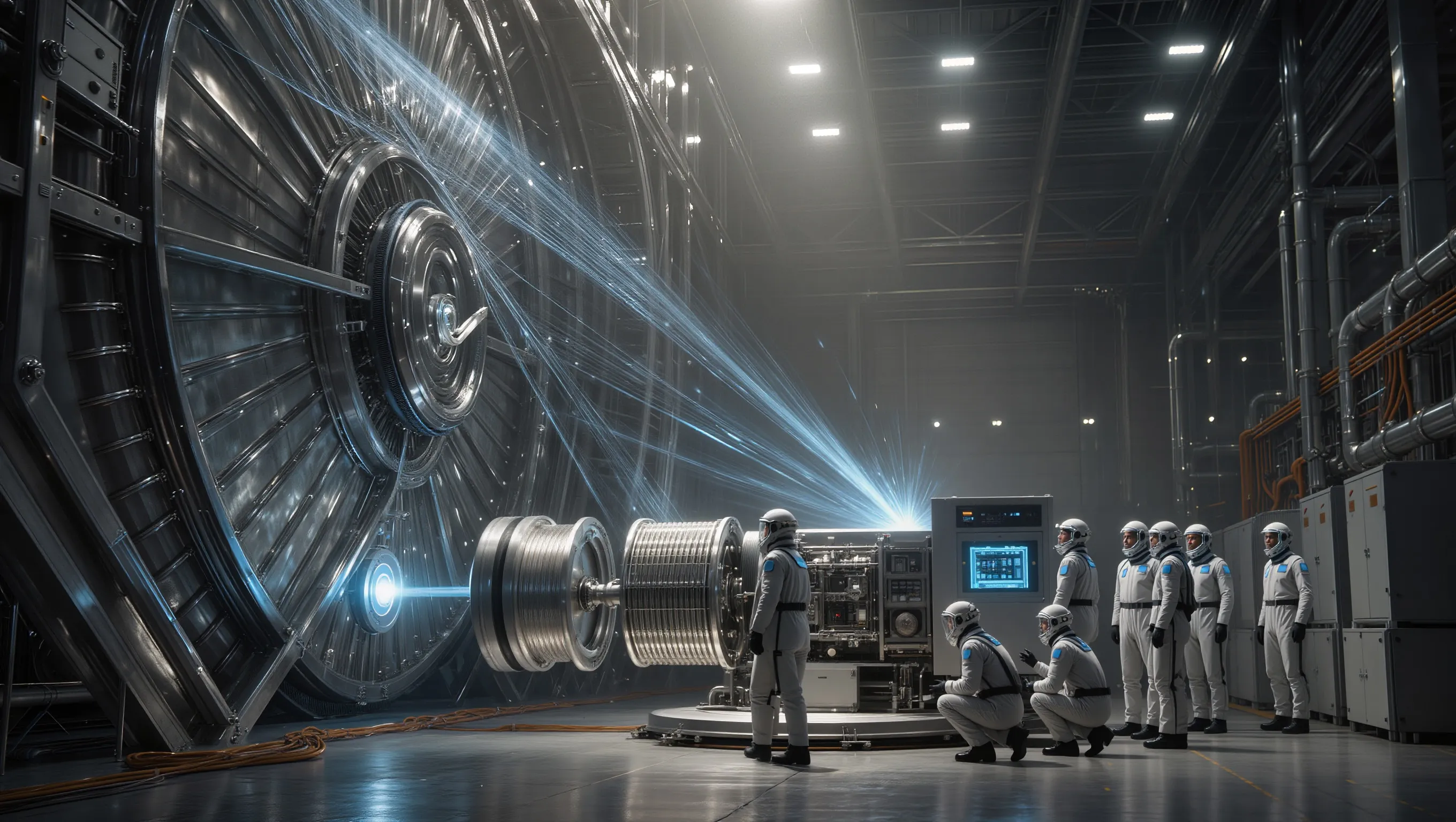
The technology is particularly valuable for monitoring the reactor core zone, where access is restricted due to radiation. Detectors are positioned outside protective containment structures. This eliminates risks to personnel and enables regular inspections without interrupting the technological cycle.
Wide Deployment Potential
Although originally developed for nuclear energy, the technology has broader applications. Muon tomography is effective for inspecting any large-scale structure, including bridge supports, dams and tunnels. In 2023, scientists tested the methodology on railway tunnels in the Urals, where the system successfully identified soil erosion zones beneath foundations.
Customs authorities have also expressed interest in the technology for enhanced container scanning. Unlike X-rays, muons penetrate layers of lead, enabling detection of illicit nuclear materials. Developers are conducting discussions with the Federal Customs Service of Russia regarding pilot trials at major border crossings.

Prospects
The next stage of development involves integration of artificial intelligence. Data processing currently takes hours. Neural networks are expected to enable near real-time generation of muonograms. Algorithms are already being tested on archival data from Kalinin Nuclear Power Plant, with initial results showing a 15 to 20-fold acceleration in analysis.
The project is the result of cooperation between VNIIAES JSC, NRNU MEPhI and specialists at Kalinin Nuclear Power Plant. Scientists developed the detectors, engineers adapted them to operational conditions and software developers created image reconstruction algorithms.
The muon tomograph demonstrates how fundamental physics can be transformed into a practical tool that enhances the safety of millions of people.