Podorozhnik Goes Touchless in St. Petersburg
In 2026, St. Petersburg will add geolocation-based fare payment to its official Podorozhnik mobile app. Passengers will simply board public transport – the application will automatically calculate the route and charge the fare.
A New Era of Urban Fare Payment
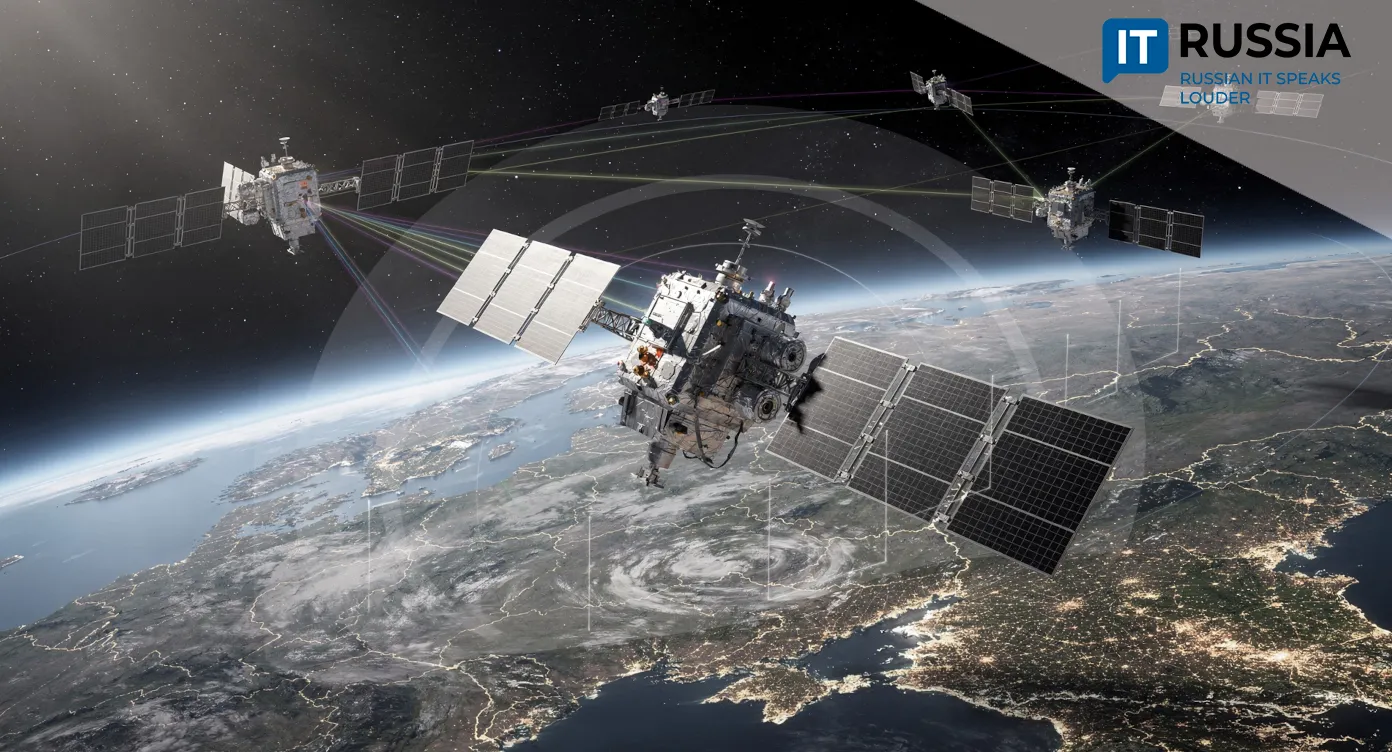
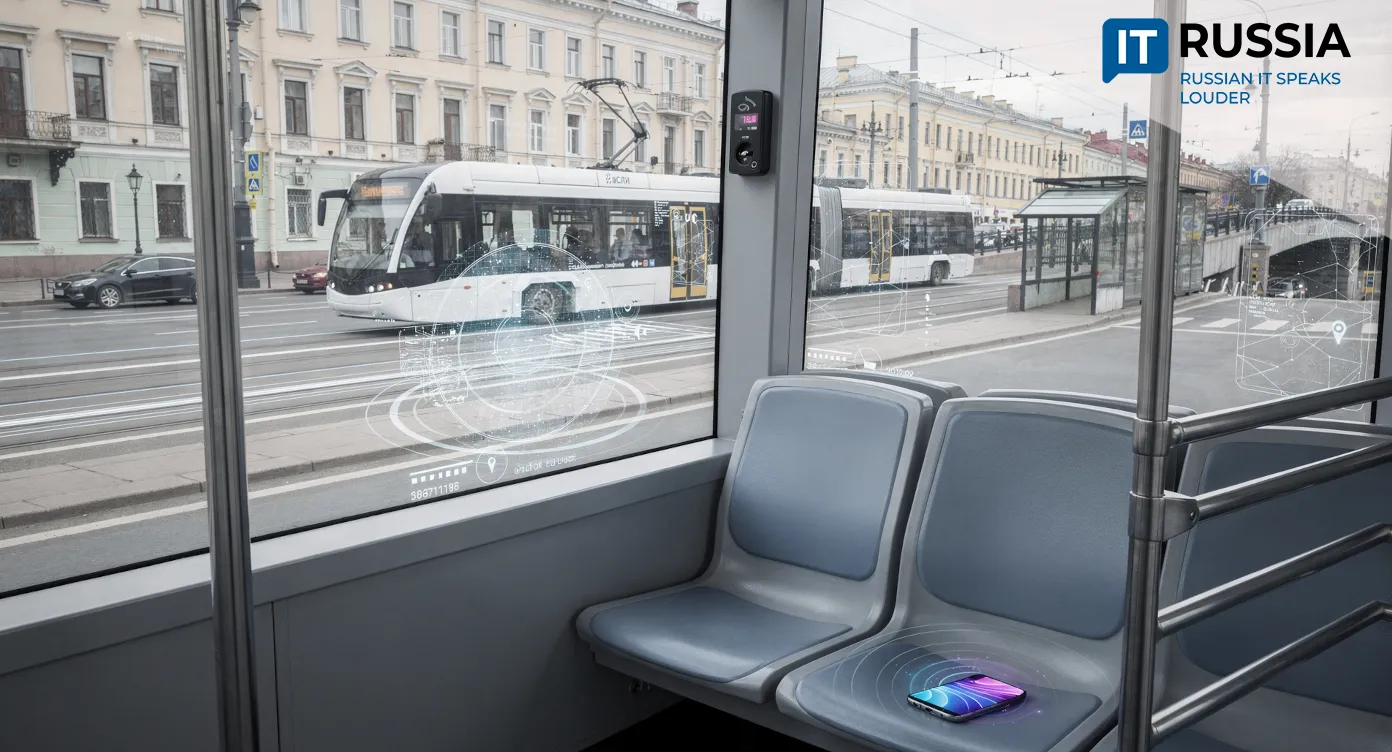
In 2026, the official mobile application of the Podorozhnik transport card in St. Petersburg will introduce a geolocation-based payment feature. A passenger only needs to be within the relevant zone, determined via GPS or cellular network signals – the system will automatically calculate the route and deduct the appropriate amount.
This marks a significant step toward frictionless mobility payments, reducing reliance on physical cards and manual user actions. The feature will be particularly convenient for tourists and occasional riders, who will no longer need to top up a card in advance or purchase tickets. The technology also opens the door to flexible pricing models, such as distance-based or zone-based fares.
For St. Petersburg’s transport sector, the move represents a new stage of digitalization, bringing the city closer to global smart mobility standards. At the national level, the project could serve as a model for modernizing public transport in megacities handling millions of daily trips.

Expansion, Integration and Export Potential
Geolocation payment is more than a convenience upgrade. It represents a shift toward contextual fare collection, where the system independently recognizes the start and end of a journey without passenger input. Future integration with other transport modes, including suburban rail, is possible. A similar approach is already being tested in the ProTransport+ app on the Vitebsky Station – Pavlovsk commuter route.


Within Russia, the solution could accelerate the phase-out of paper tickets and physical cards, reduce infrastructure costs associated with ticket sales and make public transport more accessible to new user groups. The Podorozhnik mobile app already has more than 500,000 users, providing a strong base for the rollout of additional features.
The export potential of the solution is limited by the fact that the underlying technology is not unique. Comparable systems exist internationally. However, experience gained from deployment in a large city with a high share of electronic payments could prove valuable for other Russian megacities and transport operators.
From Biometrics to Geolocation
St. Petersburg has previously served as a testbed for digital transport innovation. Since January 2026, the city’s metro system has offered biometric fare payment, allowing passengers to pay via facial recognition, integrated with a personal user account.
At the same time, the geolocation approach has been developing in parallel. The ProTransport+ pilot project launched in November 2025 on a suburban route. Overall, electronic payments now account for 98.8% of all transactions in the city, and the Podorozhnik mobile card is becoming the primary fare payment tool.
In Moscow, the Troika card performs a similar function using NFC and bank cards, though it does not yet offer full geolocation-based fare calculation at the application level. Internationally, cities such as London, New York and Singapore have implemented contactless payments via apps and QR codes. However, automatic geolocation-based fare calculation remains a newer trend that is still gaining momentum globally.

The Future of Contextual Mobility
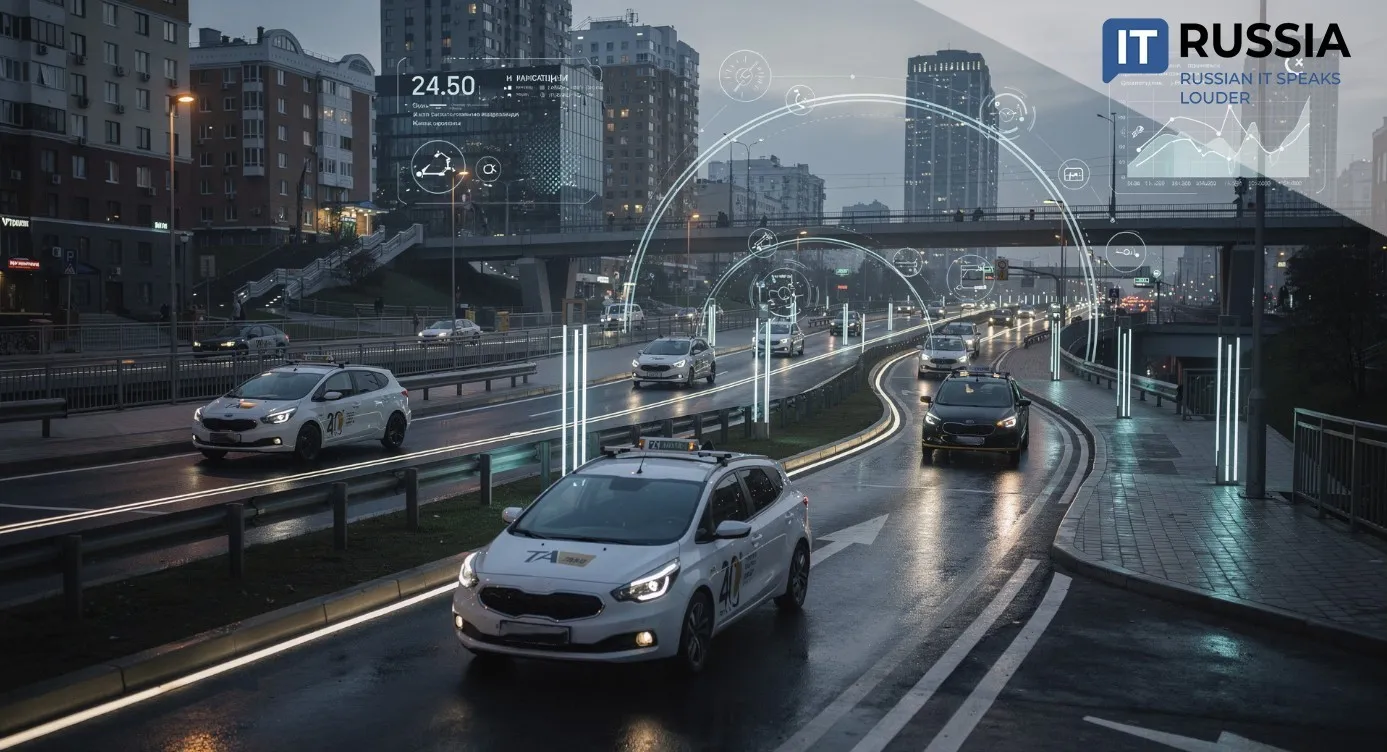
Urban transport services are steadily moving from static ticketing toward dynamic pricing models based on passenger behavior. Data from user devices, including geolocation and biometrics, make trips more convenient and transparent.
In the coming years, gradual integration of geolocation payments into metro and suburban rail systems is expected, along with the introduction of smart tariffs that calculate cost proportionally to service usage. Overall, passenger experience is set to improve through automatic trip recognition. Machine learning systems are also being actively developed to minimize route detection errors.
By 2027–2028, geolocation-based fare payment could become a standard feature of digital travel applications across Russia. Podorozhnik is well positioned to become one of the leaders in this transition, setting new benchmarks for convenience and technological sophistication in urban mobility.