Neural Networks Are to Train Monumental Artists for Large-Scale Works
Russia has begun integrating neural networks into the education of future artists.
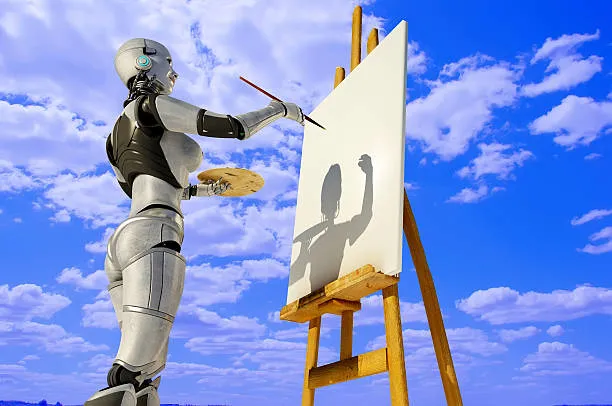
At Irkutsk National Research Technical University, artificial intelligence technologies have become part of the curriculum for students training as monumental artists.
Neural networks are being used to create sketches, visualizations, and project presentations. The skills students acquire are expected to help them develop ideas faster and better account for client requirements in their future work.
An AI Instructor
The AI rollout is overseen by Dmitry Dorokhin, head of the V. G. Smagin Department of Monumental and Decorative Painting and Design. Under his guidance, students are learning to work with Sber’s Russian-language service GigaChat and the Chinese neural network Qwen. Particular attention is paid to task-setting and the precise formulation of prompts for chatbots.
“The market already expects artists to be proficient with these tools. AI helps move from idea to project faster and simplifies the preparation of presentations,” Dorokhin said.
From Sketch to Visualization
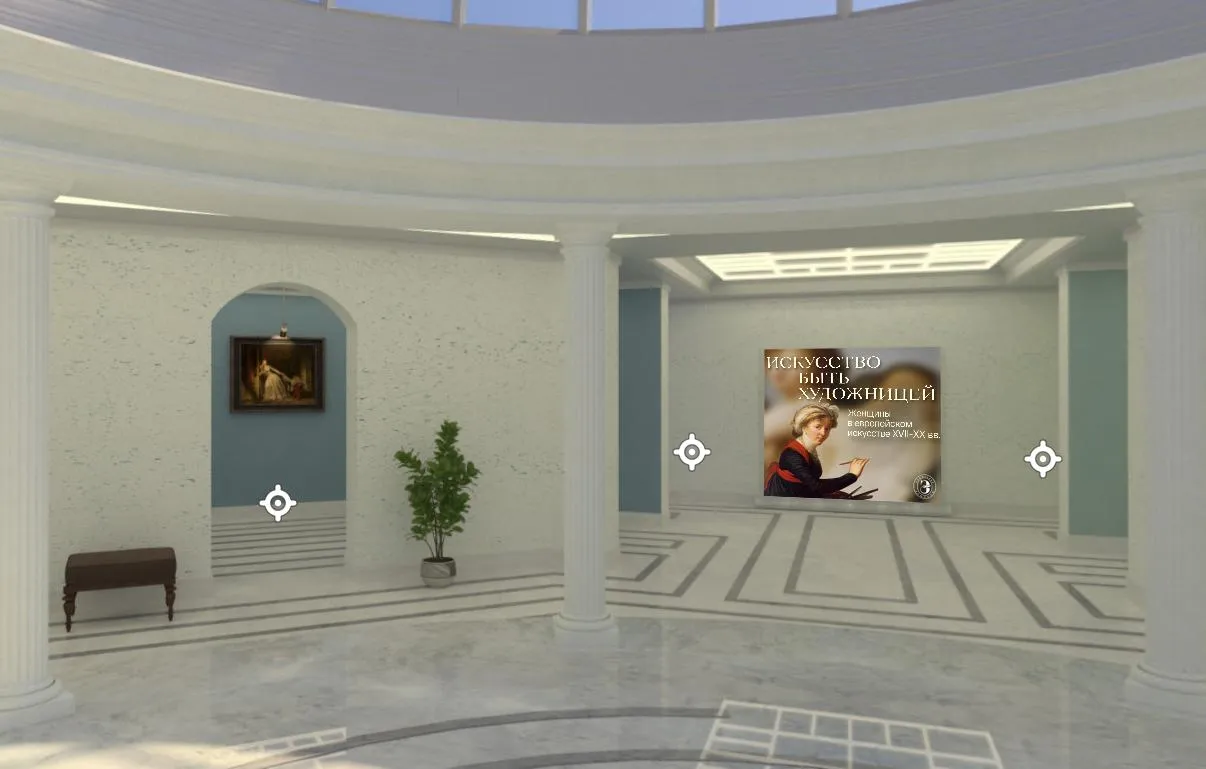
Neural networks are used in computer graphics classes. In 2025, students employed them to model project presentations for clients. The outcome included video materials in which academic and creative works were embedded into real interiors and public spaces. Put simply, students can show clients exactly how a piece will look on a specific wall in a specific room.
For example, still lifes by Veronika Stepanova were presented within a home interior and a gallery setting, while works by Kristina Ermakova were visualized inside a rock club.
Saving Resources and Working With Space
Using AI alongside professional software, students model complex artistic solutions, including mosaics, stained glass, and reliefs. Digital visualization allows projects to be evaluated before construction begins, reducing risks and optimizing budgets.
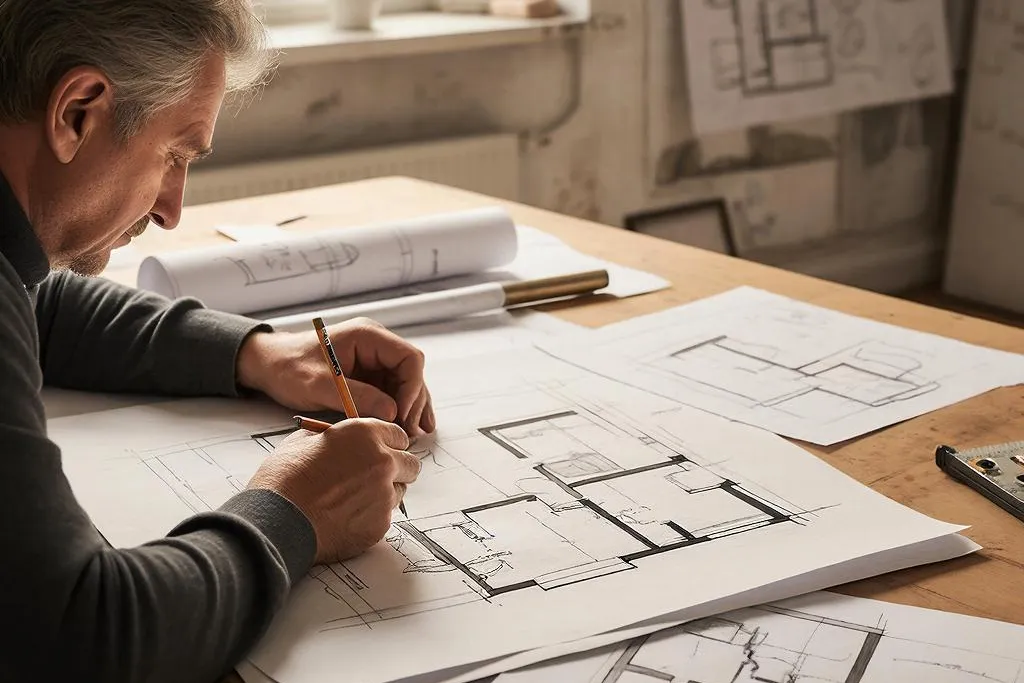
Another application of AI focuses on architectural environments. Students combine classical drafting with digital tools, analyze room dimensions and lighting, and use neural networks for research tasks, including the creation of historical portraits.
In 2026, the university plans to expand the program by integrating neural networks with animation tools in Blender 3D.