Bioprinting and Prosthetics: Russia’s Capital Expands Additive Manufacturing in Medicine
Three-dimensional printing makes it possible to produce medical devices tailored to each patient.
The use of additive manufacturing in medicine is reshaping healthcare. Modern 3D printing now allows implants and prosthetics to be produced quickly and precisely, reducing the risk of rejection by the body, according to Moscow city government officials.
A Mouse Thyroid and the World’s First Human Bioprinting Procedure
Leading universities, biotechnology developers, and implant manufacturers across Russia are actively adopting additive technologies. Three-dimensional printing makes it possible to manufacture medical products tailored to the anatomical characteristics of individual patients.
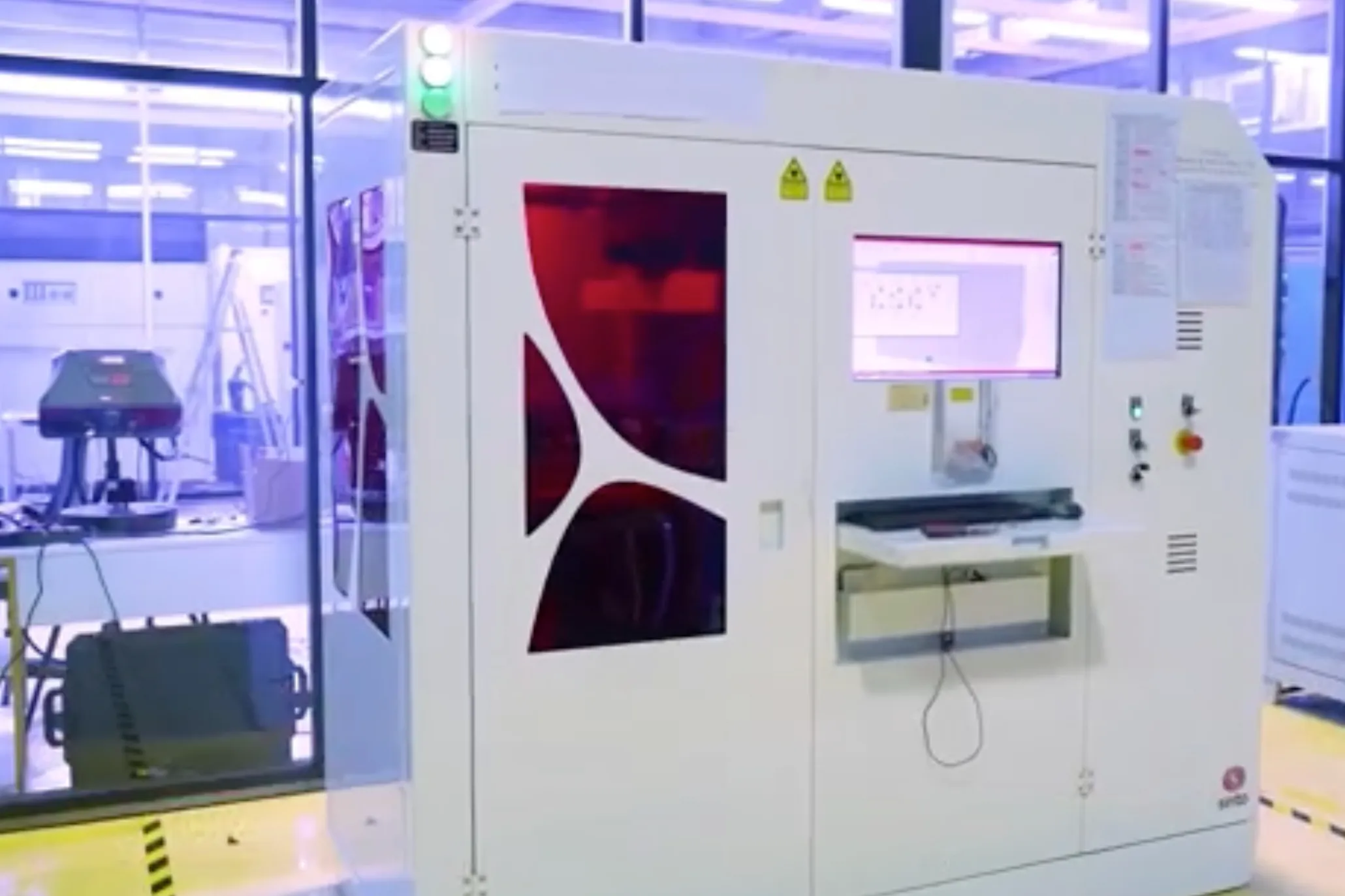
Moscow officials point to the National University of Science and Technology MISIS as a key center for training specialists and developing bioprinting technologies in Russia. The university hosts the Institute of Biomedical Engineering and works closely with strategic partner 3D Bioprinting Solutions. Together, they designed Russia’s first commercial bioprinter, Fabion, in 2014, and in 2015 successfully printed a mouse thyroid gland.
This type of partnership — combining biological and engineering approaches — enables the development of innovative technologies for tissue and organ regeneration and creates alternatives for patients who require donor materials.
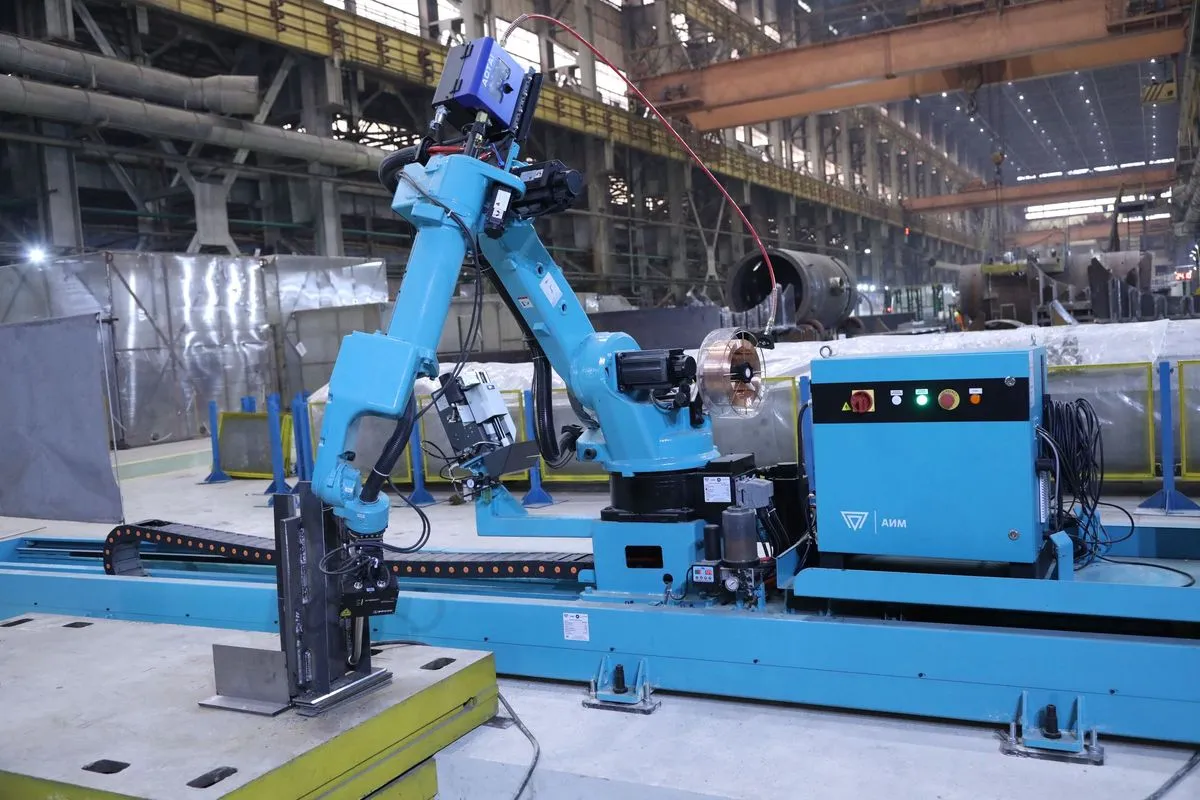
Joint projects have already produced breakthrough results. In 2023, researchers used the first in situ bioprinter — a robotic system that regenerates tissue directly within a patient’s wound — to carry out the world’s first bioprinting procedure on a human. Thanks to the collaboration between the university and its industry partner, the technology is being introduced into clinical practice. For example, bioprinters are used to produce collagen membranes to repair eardrums. Since January 2025, more than 40 such procedures have been successfully performed.
Printing Whatever Needs Replacing
Additive technologies are also being actively developed at Sechenov First Moscow State Medical University. Its laboratories are equipped to cover the full cycle of medical device production. Using CT and MRI scans, specialists create customized 3D models of skull sections, the sternum, vertebrae, or joints that need to be replaced. The resulting implants precisely match anatomical contours, reducing surgery time and significantly improving cosmetic outcomes. The technology also enables implants with a defined pore structure, helping natural bone tissue fuse with the implant while minimizing the risk of rejection or allergic reactions.
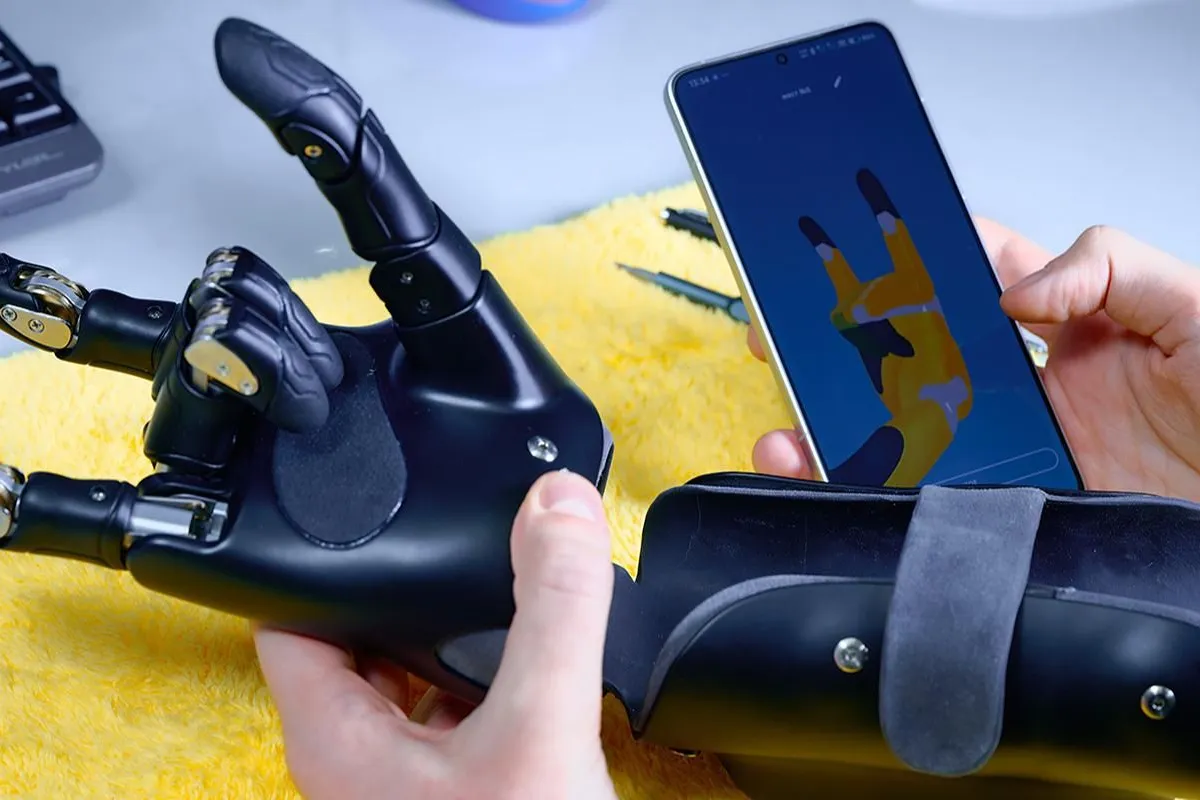
Endoprint was among the first companies in Russia to produce customized implants. It uses high-precision 3D printers working with medical-grade titanium powder. Additive manufacturing is also used by Motorica, Russia’s largest prosthetics developer. The company applies selective laser sintering to produce functional prosthetics for fingers, hands, forearms, and elbows. The material used is white polyamide — a lightweight, durable plastic that is easy to color. This approach is particularly in demand for children’s prosthetics, which often need to be replaced annually.
Earlier reporting noted that Russian researchers have also created a digital liver for experimental research.