Novosibirsk Researcher Develops 3D-Printed Prosthetics for Pets
A veterinarian-engineer is helping animals with amputated limbs regain mobility using custom implants.
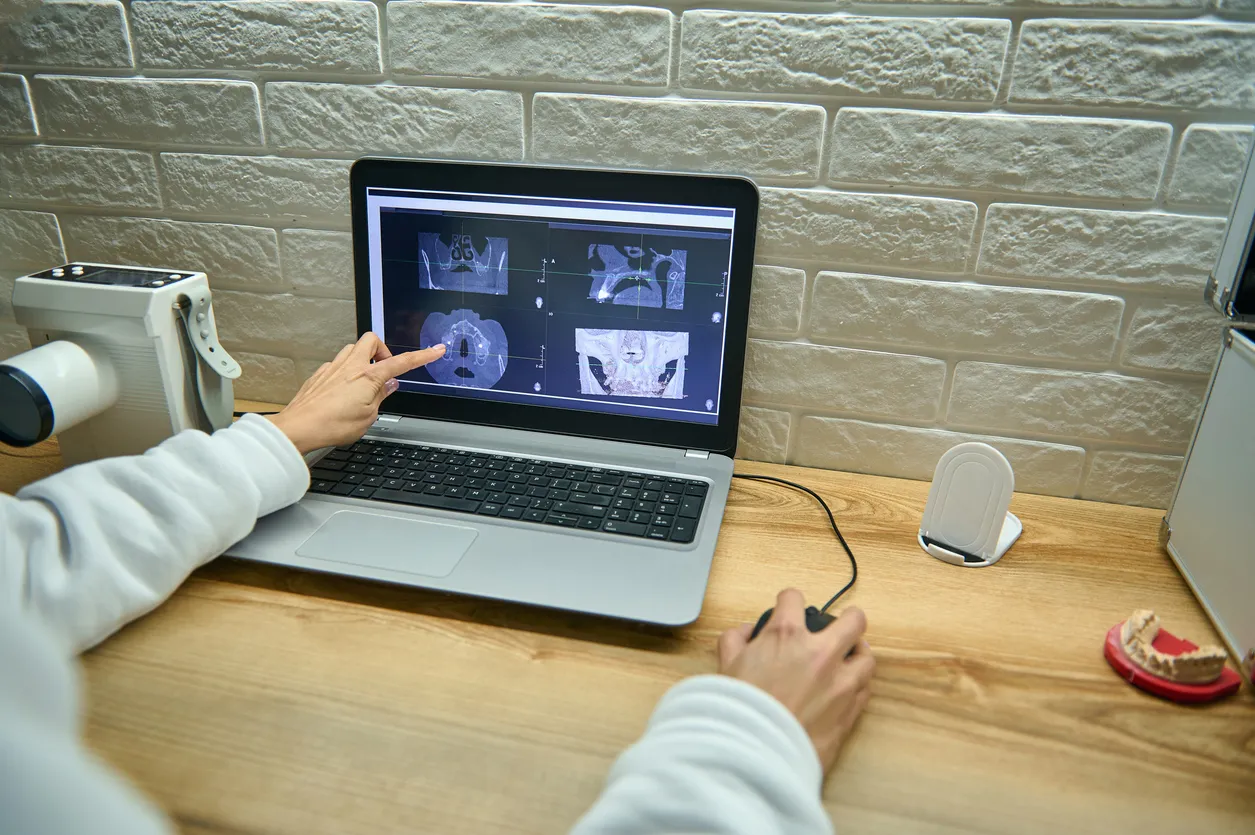
A researcher in Novosibirsk has begun producing prosthetics for animals using 3D printing. Sergey Gorshkov has already helped more than 40 animal patients and installed over 75 prosthetic components. Before creating a prosthesis, each animal undergoes a CT scan to generate an accurate 3D model of the affected limb.
Implant Integration and Large-Breed Dogs
The prosthesis is made from a titanium-aluminum alloy using selective laser melting. This produces a fully customized implant, which is then mechanically processed and sterilized in a medical facility.
The external part of the prosthesis is created using molds similar to waffle irons. Polyurethane is poured into the molds to form a protective “boot,” which is then attached to the main implant. This component can be replaced every one to two years as it wears out.
Gorshkov plans to develop softer and more flexible designs in the future. He also aims to use antibacterial coatings to improve implant integration. The next step includes creating prosthetics from advanced metal alloys tailored for large-breed dogs.
Earlier reports said Russia has begun developing a unified digital system for horse breeding records.