Russian VSAT Terminal Aims to Strengthen Arctic Connectivity
The Northern Sea Route (NSR) is the shortest shipping corridor between Europe and Asia and a critical logistics artery for supplying the Arctic. By mid-July, cargo traffic along the route had reached 18.8 million metric tons, up 13.7% from the same period last year. Freight volumes are expected to hit a record 40 million metric tons by the end of 2026.
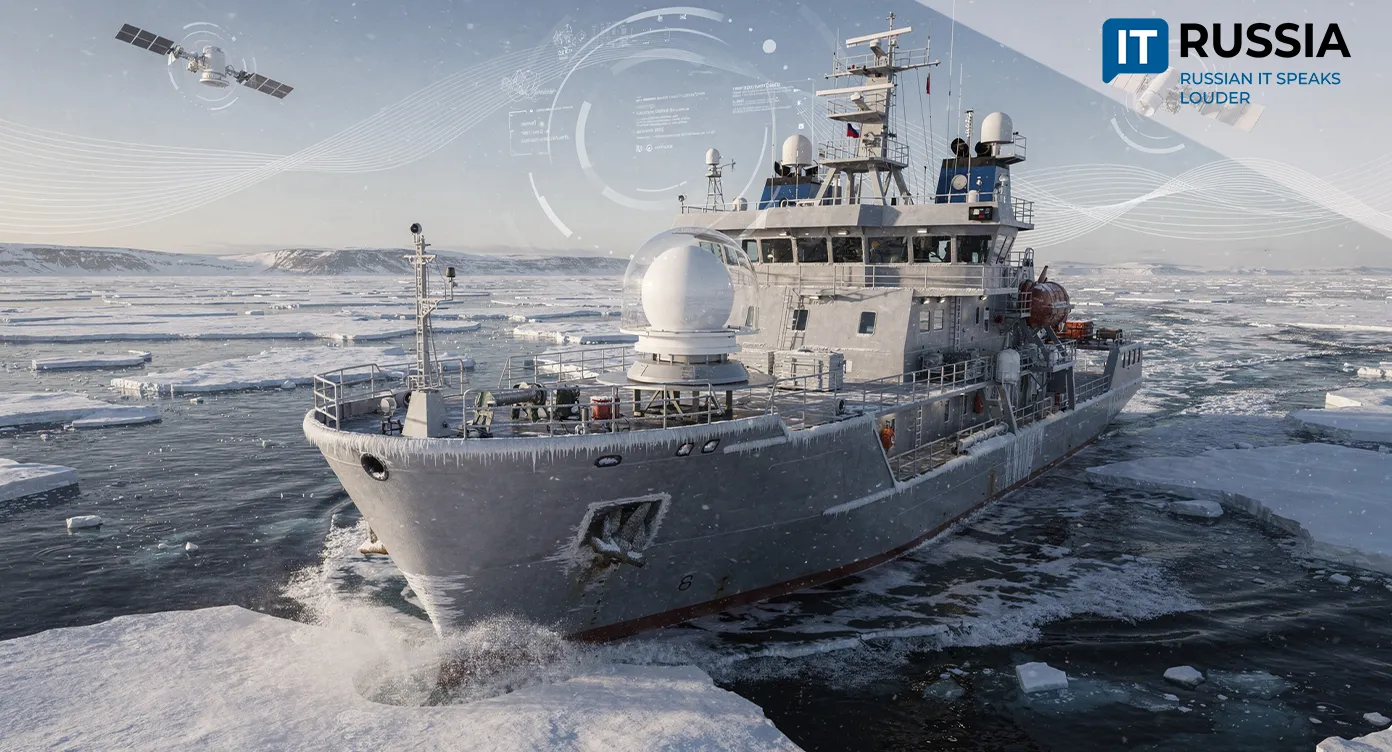
Reliable communications are essential for navigation and fleet operations along this ice-covered corridor. Yet building terrestrial communications infrastructure on permafrost is economically impractical, while foreign vendors have largely exited the Russian market. Roselektronika (Ruselectronics), a holding company within the Rostec State Corporation, has introduced the Neptune-120 shipboard satellite terminal.
Neptune Built for Ice
The primary advantage of the Neptune-120 is not raw data throughput but operational resilience. Its antenna unit is designed to operate in temperatures ranging from -40°C to +50°C, while wind speeds of up to 50 meters per second are treated as normal operating conditions rather than situations requiring an emergency shutdown.
Its three-axis stabilization system compensates for vessel motion, one of the biggest challenges for maintaining an accurate satellite link. Neptune keeps the antenna locked onto the satellite even during heavy rolling and pitching, while a radome protects the moving components from icing and the accumulation of wet snow. This is not equipment designed for temperate waters - it is purpose-built for the Northern Sea Route, where gale-force winds and severe storms are routine.
Before Neptune becomes a standard feature aboard Russian icebreakers and tankers, several milestones remain. The system must obtain maritime certification, integrate with existing onboard systems, and be supported by a service network across northern ports.

Signal Available
Communications providers began expanding satellite coverage along coastal waters and the Northern Sea Route in 2021, laying the groundwork for broader connectivity. In 2022, Roscosmos stated that satellite communications remained the only practical way to provide digital services to Arctic researchers and maritime crews. By 2023, researchers were exploring alternative approaches, including drone-based relay platforms, to improve reliable connectivity at high latitudes. Now, in 2026, purpose-built user equipment has arrived on deck. At the same time, the Rassvet (Dawn) communications satellite constellation is gradually being deployed into orbit. Fast, stable Internet access is expected to become available throughout Russia, including the Arctic.
Ships rely on communications links to exchange weather forecasts, ice conditions, machinery telemetry from engine rooms, and operational information with shore-based control centers. A communications terminal engineered for Arctic conditions helps reduce navigation risks. With cargo volumes on the Northern Sea Route projected to reach 70-109 million metric tons by 2030, every hour of downtime caused by a lost communications link could result in losses worth millions.
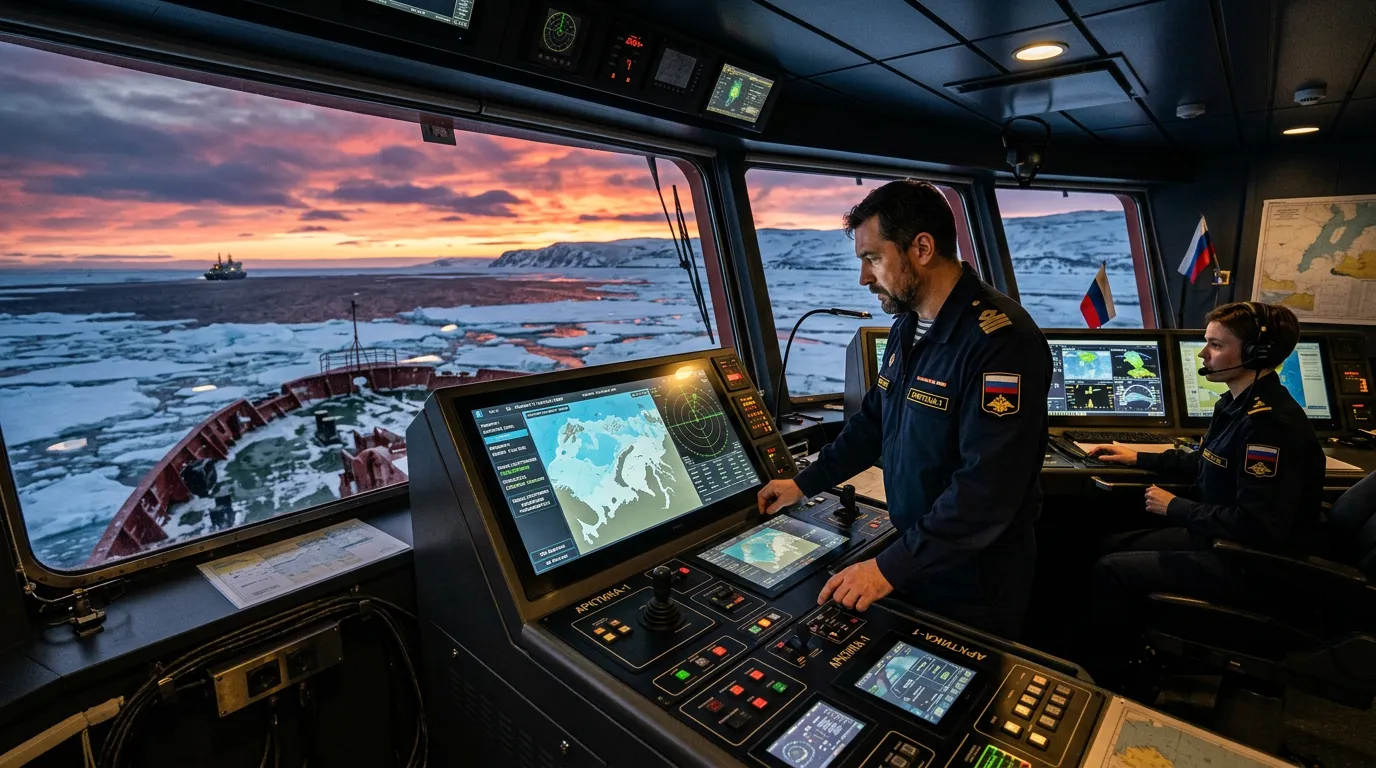
Designed for a Harsh Climate
For many years, the maritime VSAT market was dominated by Western suppliers. After foreign service providers left the Russian market, vessel operators faced challenges not only in maintaining existing terminals but also in repairing them. The Neptune-120 offers a turnkey solution that is compatible with Russia's satellite constellation. Designed specifically for Arctic operating conditions and regional requirements, it expands the range of telecommunications equipment that can serve as a foundational element of a vessel's digital infrastructure.
The first customers are expected to be major state-owned companies and operators of government fleets. Those organizations currently operate the largest number of Arctic routes and place the highest priority on communications reliability. While Russia's domestic market remains the primary focus for Neptune, the platform also has export potential. Its optimization for extreme cold and high winds could appeal to shipowners in Scandinavia, Canada, and other countries whose vessels routinely operate in similar environments.
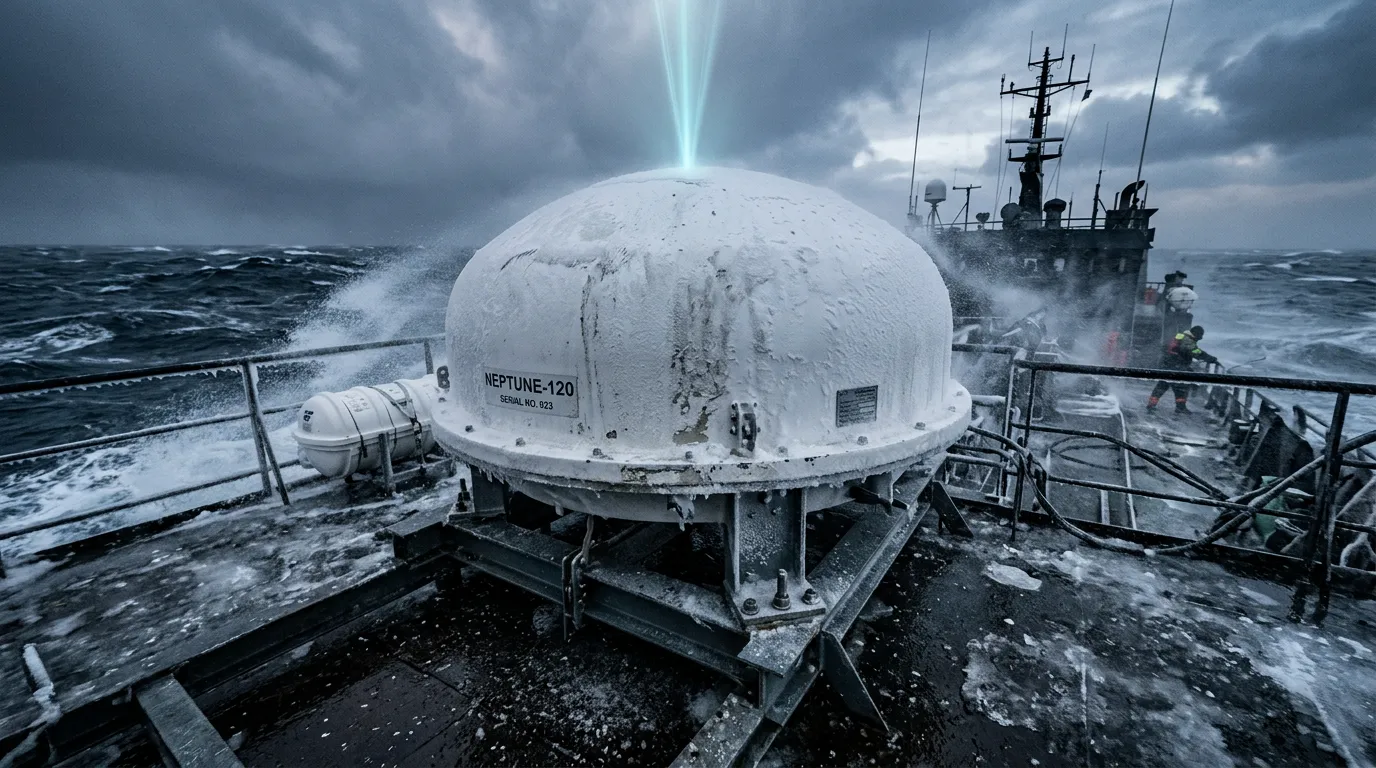
The Neptune-120 represents another step in the development of Arctic infrastructure. It is expected to make communications aboard research vessels more reliable, even when temperatures fall well below -40°C.