Russia Develops Adaptive Sensor Network for Environmental Monitoring
Researchers have created a system that automatically reconfigures sensors and communication routes to track air, water, and soil conditions more accurately and faster.
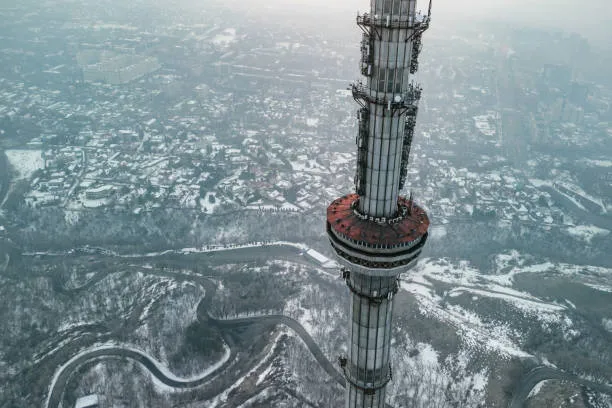
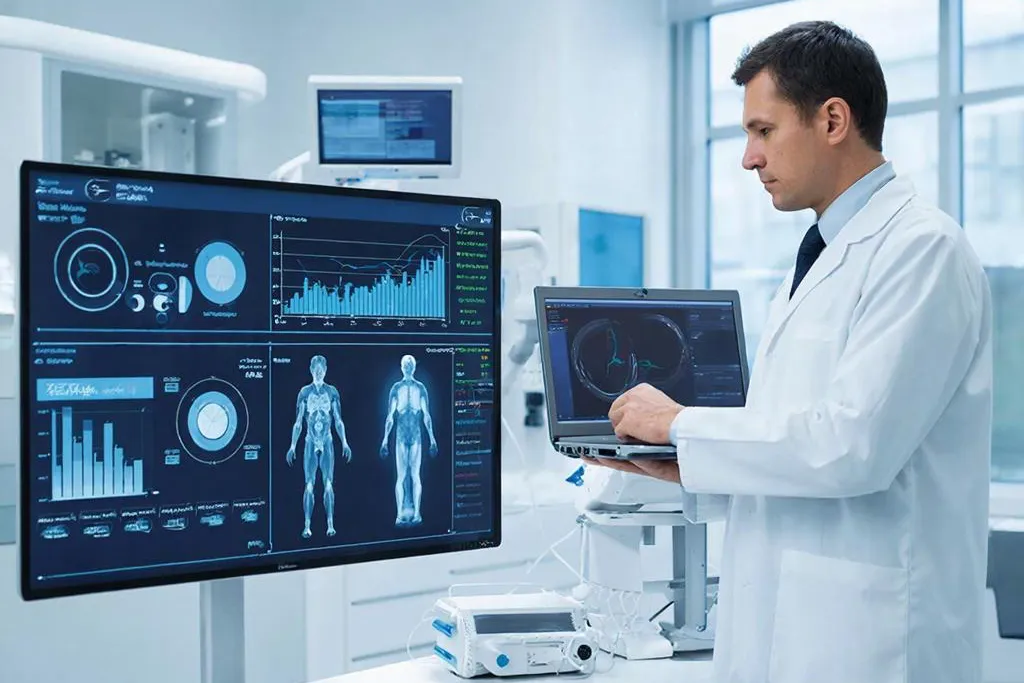
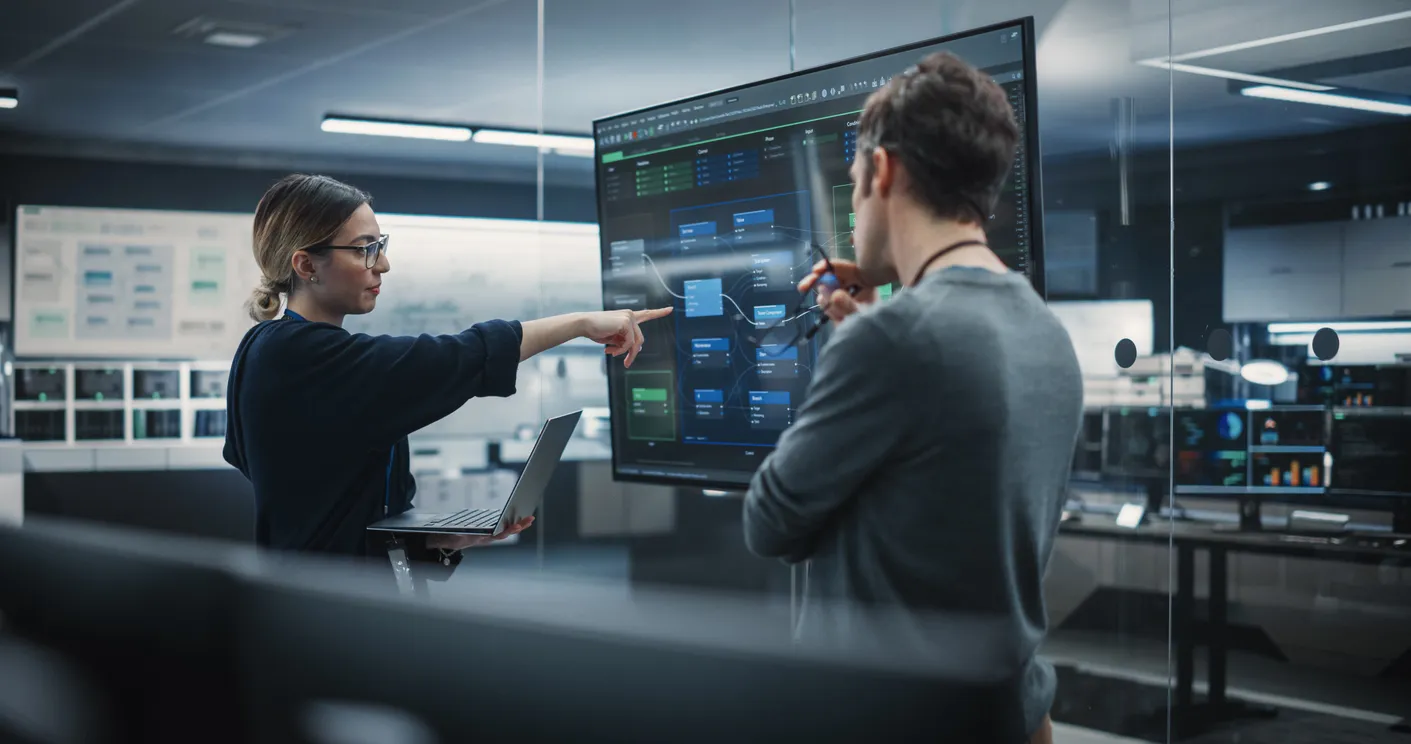
Scientists at Belgorod State Technological University named after V. G. Shukhov have unveiled a software model of a sensor network that can independently adapt to changing environmental conditions. The model simulates the operation of a real-world network of sensors collecting environmental data and clearly demonstrates how information flows between them.
The core idea is that the network does not simply transmit data along the same predefined routes. Instead, it continuously monitors conditions, assessing where interference occurs, which channels are overloaded, and which sensors are performing less reliably. Based on this analysis, data-routing schemes are adjusted on the fly. Transmission speeds remain high, while the risk of data loss is significantly reduced.
Fuzzy Logic and Rule-Free Operation
The system is built on so-called neuro-fuzzy control, which combines two approaches. A neural network learns to identify patterns in how the network operates, while fuzzy logic enables decision-making in situations where there are no rigid rules. For example, interference levels may increase gradually rather than abruptly, making them harder to detect using conventional methods.
Together, these seemingly opposing approaches allow the network to determine which communication channels should be used at any given moment. If one path becomes less reliable, the system automatically switches to another without interrupting network operation.
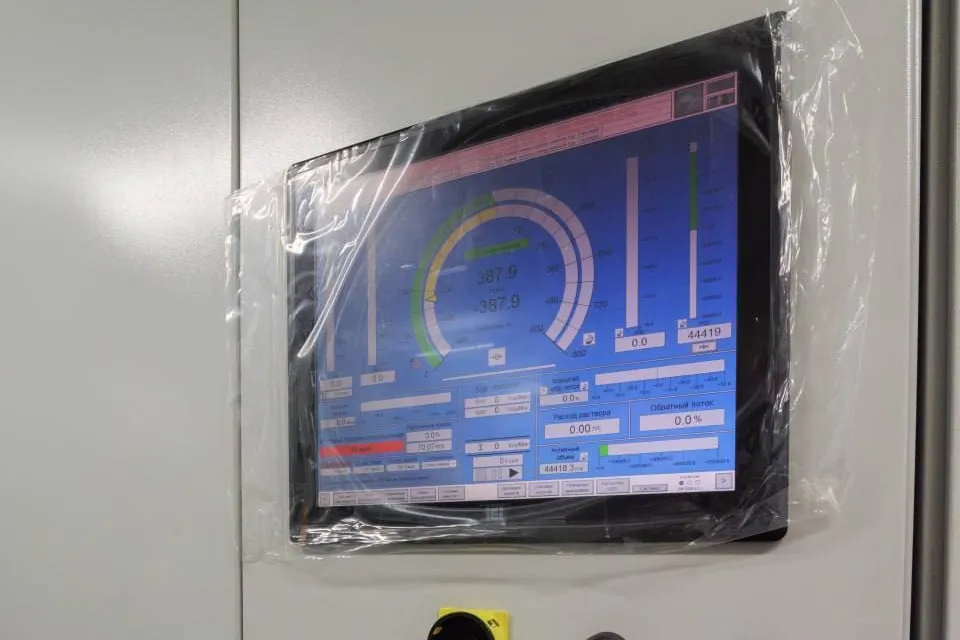
Most geo-environmental monitoring software appears to non-specialists as little more than lines of code and typically requires lengthy customization. Such tools are difficult to use for those without programming experience. In contrast, the Belgorod-developed system is delivered as a ready-to-use application with a clear user interface and simple configuration options.
For Researchers and Engineers
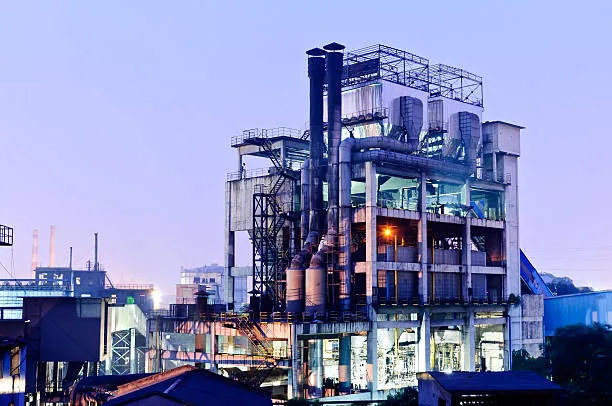
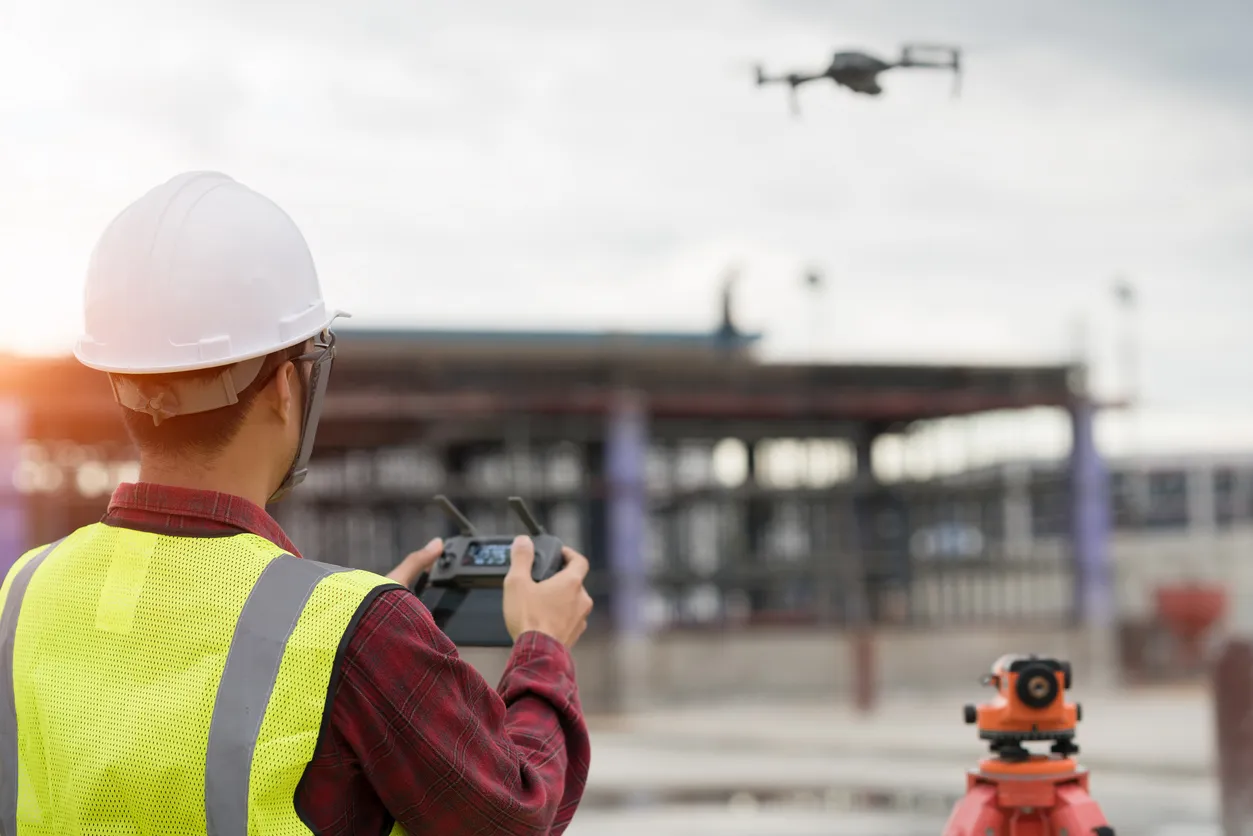
The development is expected to help engineers designing monitoring systems for factories, agricultural complexes, and cities. It allows them to test in advance how a network will behave under different conditions and to select the most suitable equipment for specific tasks.
It will also be useful for researchers and students. Scientists will be able to conduct experiments with wireless sensor networks and adaptive routing algorithms in a virtual environment, without deploying costly real-world infrastructure.