

Russian Scientists Develop New Method to Reinforce Prosthetics
3D printing and carbon fiber are making prosthetic devices stronger, lighter, and more comfortable.
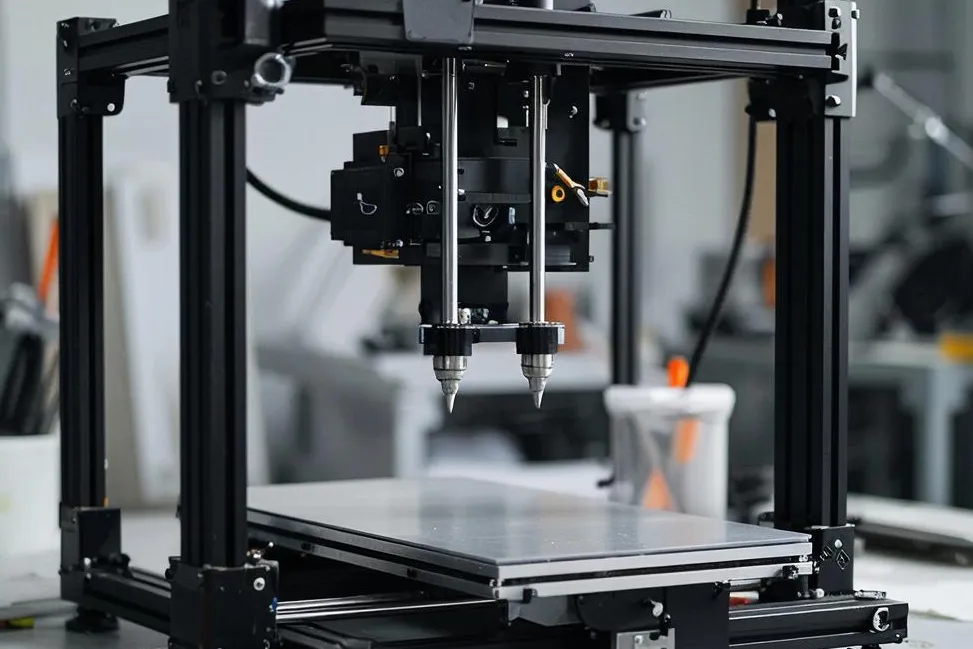
Researchers at Perm Polytechnic University have developed a new method for manufacturing prosthetic devices that significantly improves their strength and durability. The technology, described as “intelligent reinforcement,” allows the most heavily loaded sections of a prosthetic socket to be locally strengthened using carbon fiber. This approach helps prevent breakage and makes prosthetics more comfortable for patients.
A “Digital Skeleton” for the Socket
The socket is the core element of any prosthetic. It connects the artificial limb to the body and absorbs the full weight and impact loads during movement. Traditionally manufactured sockets distribute pressure unevenly, often causing pain and discomfort, and they tend to wear out quickly. The new approach addresses these issues by applying digital design tools to prosthetic manufacturing.
The method is based on creating a personalized “digital skeleton” for each socket. Using a 3D scan of a patient’s residual limb, specialized software builds a virtual model and calculates which areas experience the greatest stress during walking. During 3D printing with nylon, thin but extremely strong carbon-fiber threads are automatically embedded into these critical zones.
Reinforcing the Weakest Points
The carbon framework takes on most of the mechanical stress and protects the base material. Computer modeling shows that the technology reduces dangerous loads on the plastic by more than 40 percent, significantly extending the service life of the prosthetic.
The development is already ready for industrial adoption. It could enable the production of safer and more reliable prosthetics for people with limb amputations, both in Russia and worldwide.