Russia Tests Surface and Underground Drilling Rigs on the Granit Facility
The drilling equipment plant has introduced a unique testing complex and remote monitoring systems.

Advanced digital solutions are being introduced at a Russian drilling equipment plant, fundamentally changing approaches to the production and servicing of drilling rigs. The key elements of this transformation are the country’s first Granit testing complex and a real-time remote monitoring system.
These developments improve product quality, reduce operating costs for customers, and strengthen Russia’s technological sovereignty in the field of mineral extraction.
Full-Scale Simulation of the Drilling Process
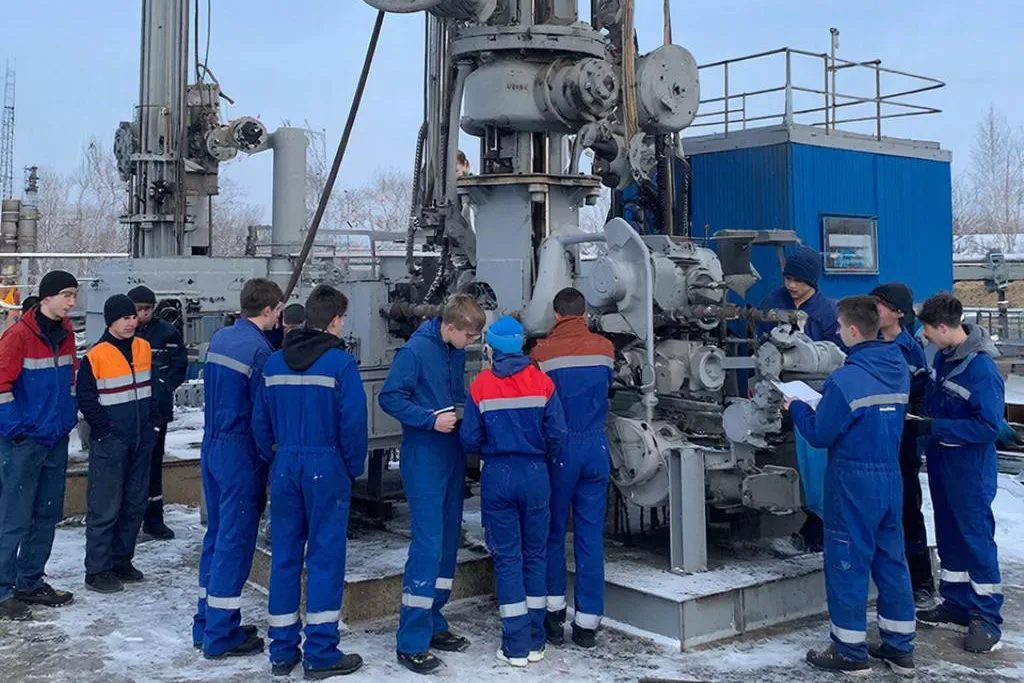
The Granit facility is designed to test surface and underground drilling rigs under conditions as close to real-world operation as possible. The complex is capable of reproducing tensile and compressive forces, as well as rotation of the drill string under high loads.
The introduction of the complex has a direct economic effect. It makes it possible to identify and eliminate potential weak points in equipment before shipment. According to the plant’s estimates, this will reduce the workload of warranty and post-warranty service teams by an average of twofold, delivering significant savings for end users.
The Plant Monitors Equipment in Operation at Customer Sites
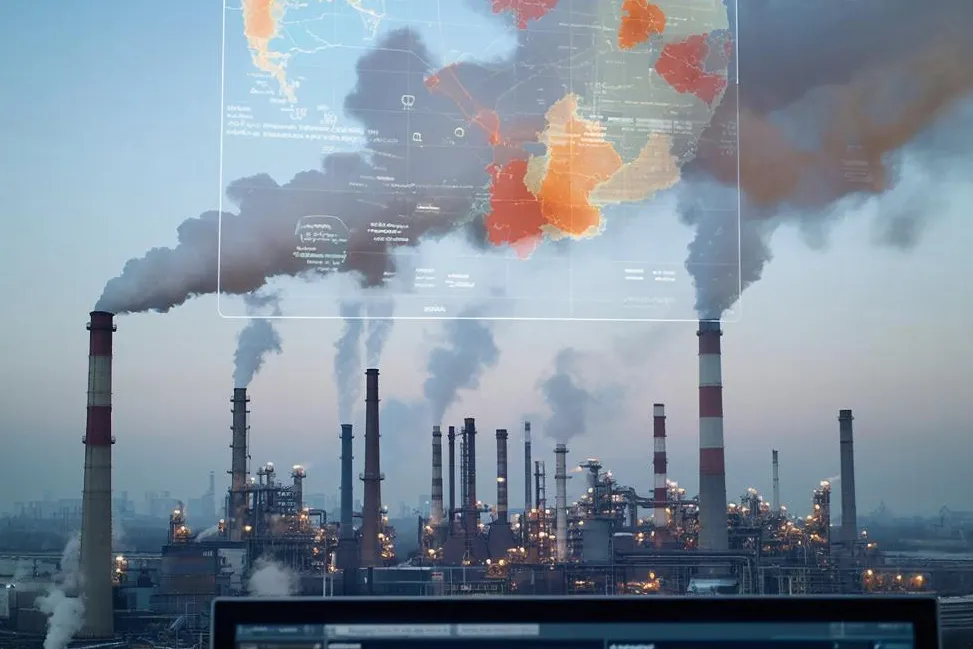
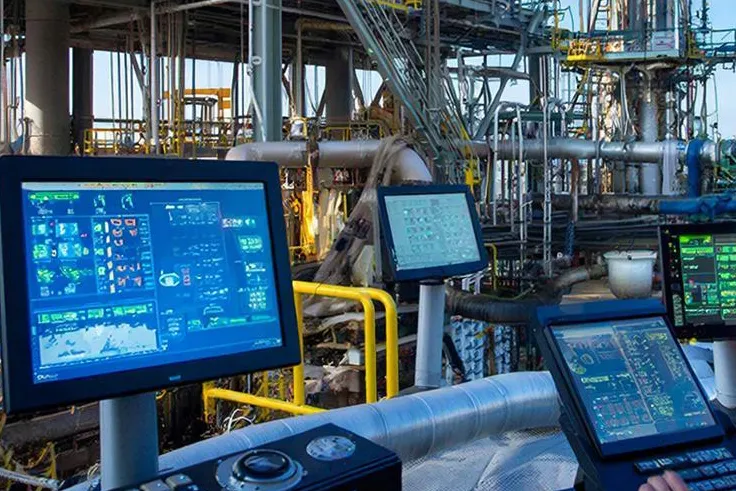
The second key component of the digital transformation is a real-time remote monitoring and diagnostics system. It is connected to drilling rigs already operating at customer sites and continuously transmits data on key parameters, including load, vibration, rate of penetration, and drilling modes.
These developments demonstrate the ability of Russian industry to create competitive, intelligent products for the fuel and energy sector. Reliable domestically produced drilling equipment reduces dependence on foreign alternatives and strengthens the position of Russian companies on the global market.
In the long term, the accumulated expertise and data generated by these systems open up opportunities to develop new, more advanced equipment models and even entire product lines tailored to specific customer conditions. The plant’s digital transformation serves as a practical example of how technology is making heavy industry more efficient and competitive.