Russia Enacts First National Standard for Robotics in Oil and Gas
The new framework sets unified rules for developing and deploying ground-based robots in the energy sector.

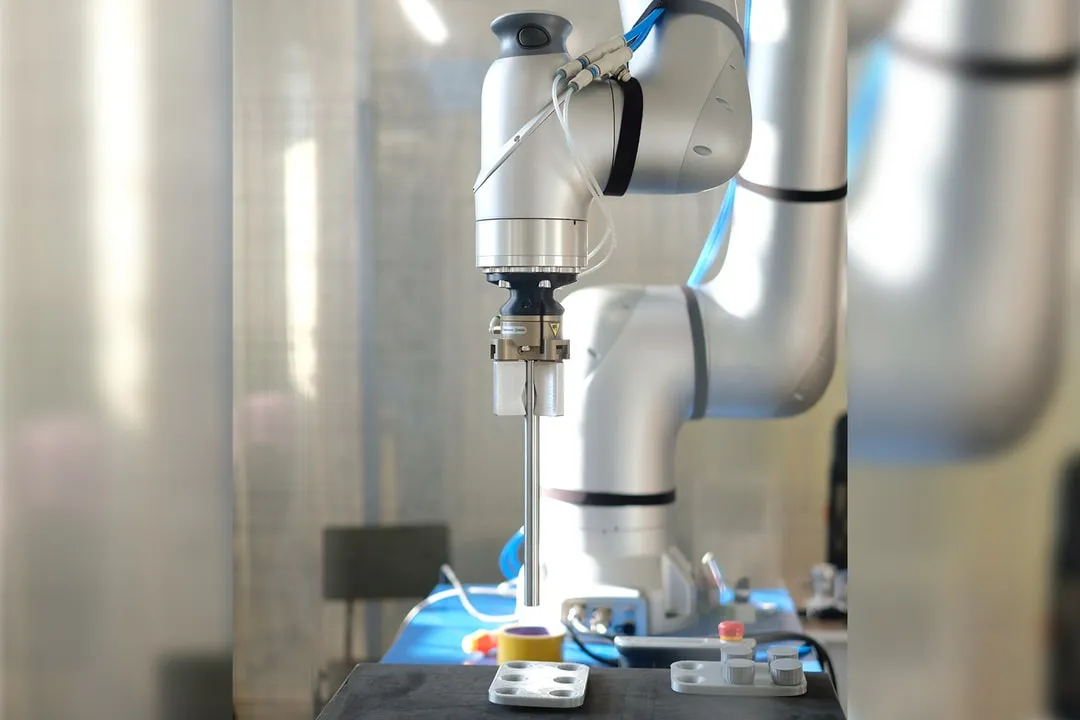
Russia’s first national standard establishing unified requirements for the production and deployment of ground robots in the oil and gas industry came into force on March 1, 2026. The document was developed by an industry robotics competence center uniting Gazprom Neft and Tatneft, aiming to bring structure to a rapidly expanding market.
Removing Barriers
According to Gazprom Neft, the GOST standard defines quality management requirements for the production and implementation of all ground robots used in the sector. Industry leaders initiated the effort after customers struggled to objectively assess supplier reliability. At the same time, young technology companies often lacked the accumulated expertise to ensure consistent quality and meet project deadlines. The new standard is designed to address those gaps by establishing unified rules for robotics in the fuel and energy complex.
Gazprom Neft currently offers manufacturers more than 250 potential use cases for robotic deployment—from laboratories and industrial facilities to servicing drilling rigs and pipelines. As a result of automation initiatives, the company increased warehouse storage capacity by 40 percent and doubled order fulfillment speed.
A Boost for the Labor Market and Enterprise Incentives
Tatneft has launched its own program to deploy robotic systems, with a particular focus on service robotics. To manage the full lifecycle—from concept to implementation—the company created a specialized unit working closely with the industry competence center.
At Gazprom Neft, executives view automation as a response to the demands of a growing economy. Ilya Odnokolov, head of the company’s advanced IT cluster development program, said the new GOST standard would stimulate the labor market and encourage enterprises to accelerate the adoption of modern technologies.
Tatneft executives likewise see standardization as a key element of long-term strategy. Deputy CEO for Digital Development Evgeny Zvezdin said the GOST framework would enable the industry to “speak the same language” and address emerging challenges over the long term.
Earlier, we reported that the Russian government introduced unified rules for major digital platforms.