Russia Launches a Digital Model for 3D Printing Human Tissues
A new Russian platform uses virtual bioprinting simulations to predict how engineered tissues will behave in the human body, promising faster, cheaper, and more precise breakthroughs in regenerative medicine
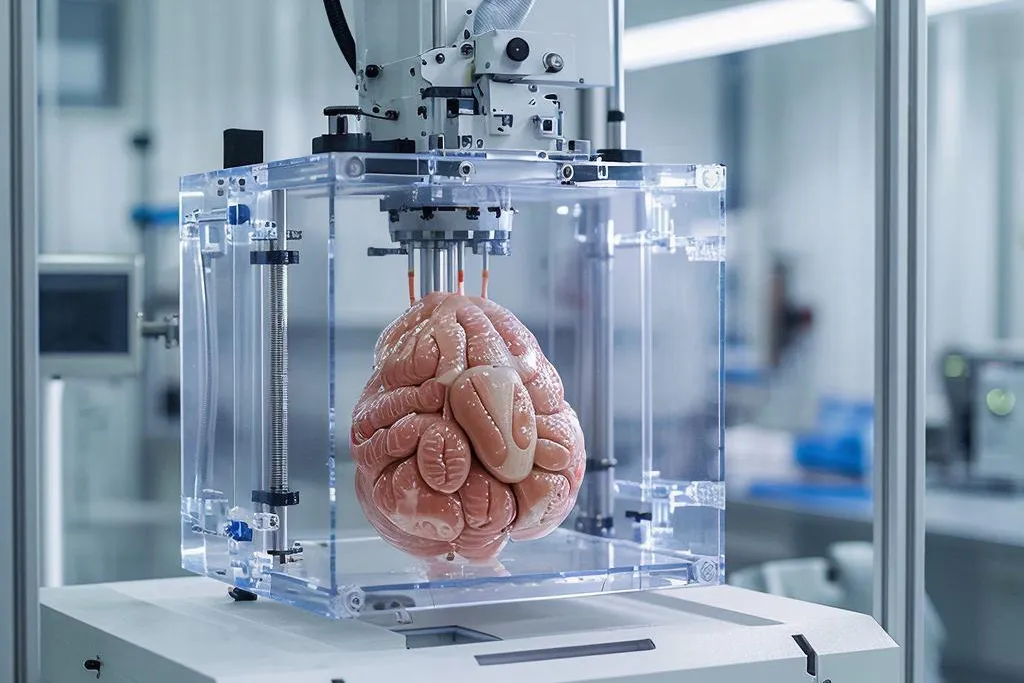
Russia has introduced its first national digital platform for biofabrication—the creation of living tissues and organs using 3D printing. Developed by researchers at Sechenov University, the system acts as an intelligent simulator capable of virtually testing how printed fragments of skin, cartilage, urethra, or even liver tissue will behave once implanted. The technology is designed to reduce the need for costly laboratory experiments and accelerate progress toward personalized medicine.
“Bioink” for the Printer
The core of this innovation lies in building a precise digital replica of the entire bioprinting process. The platform simulates the conditions cells experience during printing and helps determine the optimal composition of “bioink”—a specialized material derived from a patient’s own cells—along with ideal printing parameters.
The system’s uniqueness comes from merging years of laboratory expertise with computational models capable of predicting cell behavior in 3D space.
This digital transformation of tissue engineering addresses several key practical challenges.
Personalized Implants and New Drug Testing
Beyond personalized implants—which reduce the risk of rejection—the platform could redefine drug development. In the near future, it may enable pharmaceutical testing on engineered tissues that closely mimic human physiology.
As a result, the Russian system represents a meaningful step forward for global regenerative medicine, bringing closer a future in which critically ill patients receive not donor organs but custom‑printed biological components made from their own cells. The platform will soon be available to additional scientific and medical centers.