Russian Scientists Find a Way to Control How Fiberglass Composites Crack
Researchers have learned how to influence the way fiberglass composites crack by using computer modeling and controlled vibrations.
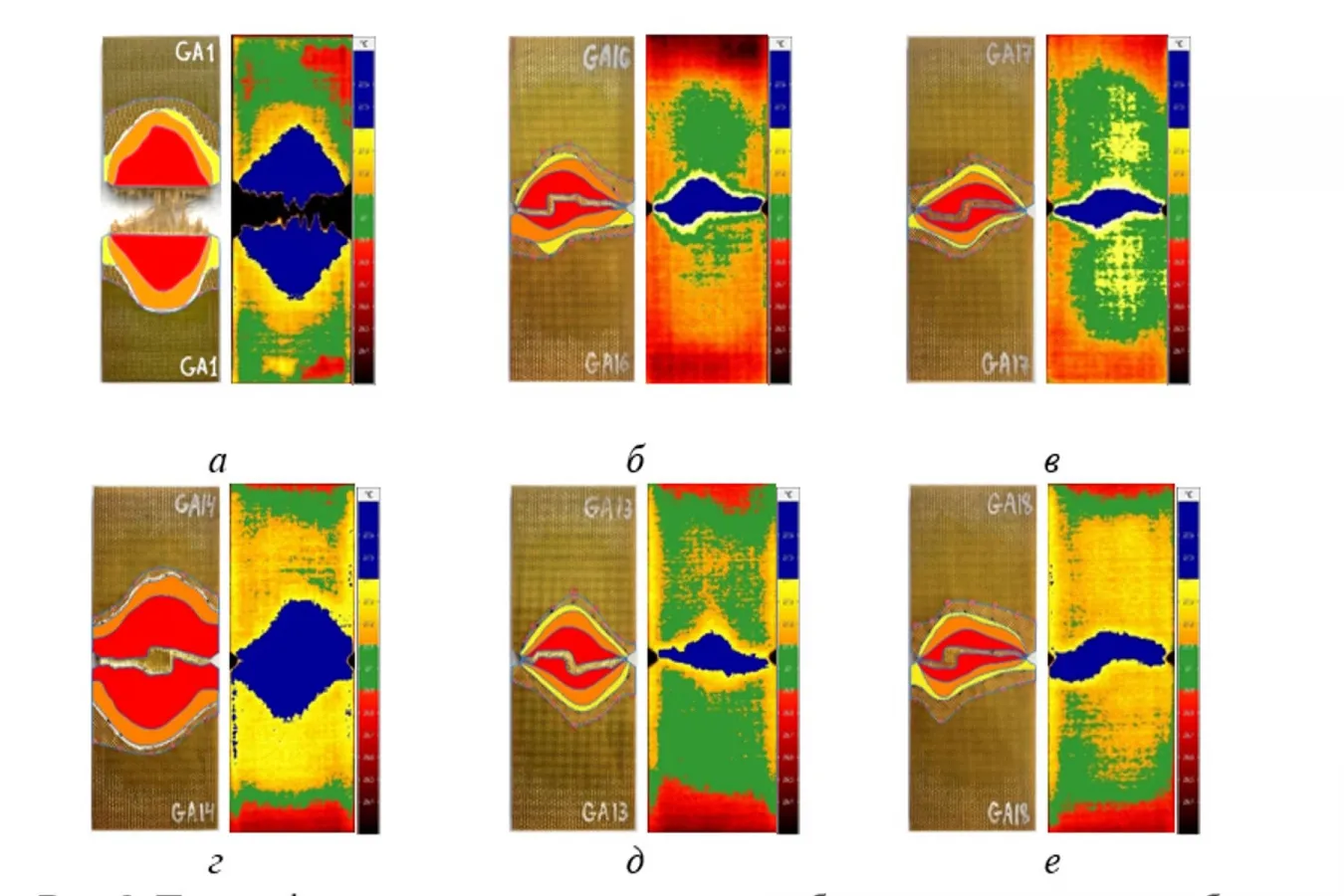
Scientists at Perm National Research Polytechnic University have discovered a way to control how fiberglass composites crack by applying vibrations. The breakthrough could make critical structures — from aircraft wings to wind turbine blades — more reliable and significantly extend their service life.
Turning Destructive Forces Into a Control Tool
Unlike metals, fiberglass composites often crack suddenly, without visible external warning signs. Repeated real-world loads — such as aircraft turbulence or gusting winds — lead to the accumulation of hidden microcracks. To reduce risks, engineers are forced to build in large safety margins, which increases weight and cost.
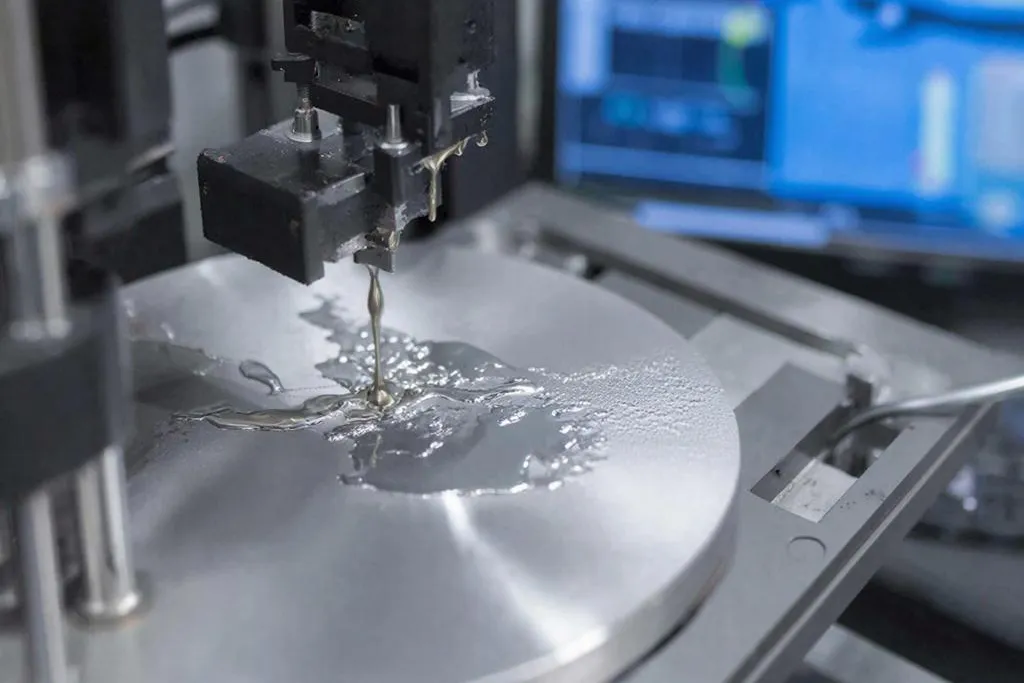
The Russian researchers proposed an unconventional approach: using the very factors that cause damage as a control tool. In the laboratory, they digitally modeled material fatigue, introduced cracks into samples and, while stretching them, simultaneously applied controlled torsional vibrations similar to those experienced under real operating conditions.
The results of the digital study showed that for already damaged samples, properly tuned vibrations did not accelerate cracking. Instead, they slowed and stabilized the growth of cracks.
The Main Enemy Becomes an Ally
The discovery has global significance for the aviation, energy and transport sectors, where fiberglass composites are indispensable because they combine low weight with high strength.
Bringing the technology into real-world use is closely tied to the digital transformation of industry. It could serve as the basis for intelligent monitoring systems equipped with sensors that track structural condition in real time and automatically generate stabilizing vibrations to slow the growth of detected cracks.