Russian Scientists Train AI to Detect Adulterated Milk
The algorithm can handle a wide range of analytical tasks.

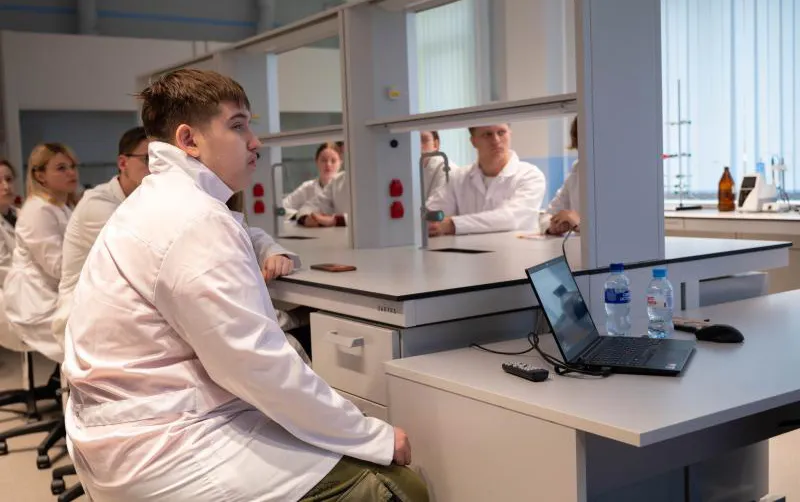
Researchers at Kazan State Agrarian University have reported a new application of artificial intelligence. The scientists trained algorithms to detect poor-quality milk. The system can identify different types of adulteration as well as detect antibiotics, preservatives, plant-based additives and genetically modified components.
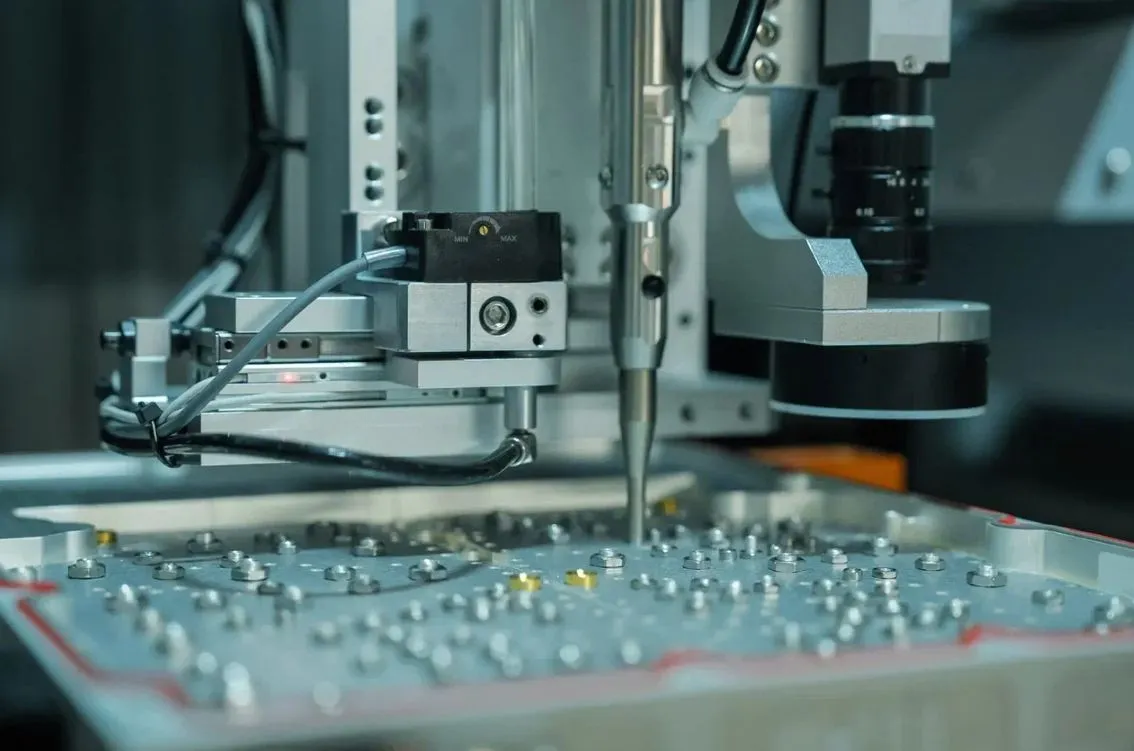
Researchers currently use a range of physicochemical and molecular biology methods to assess milk quality. These studies generate a vast amount of data, which is then processed by the AI.
The researchers propose a multilevel approach to testing dairy products: first, rapid non-destructive screening, followed, if adulteration is suspected, by precise laboratory verification. This approach would significantly reduce errors. It is also more consistent with current regulations.