Volgograd Scientists Develop Early Oral Cancer Detection Method for Dentistry
The team is also building AI-powered software based on the new diagnostic approach.
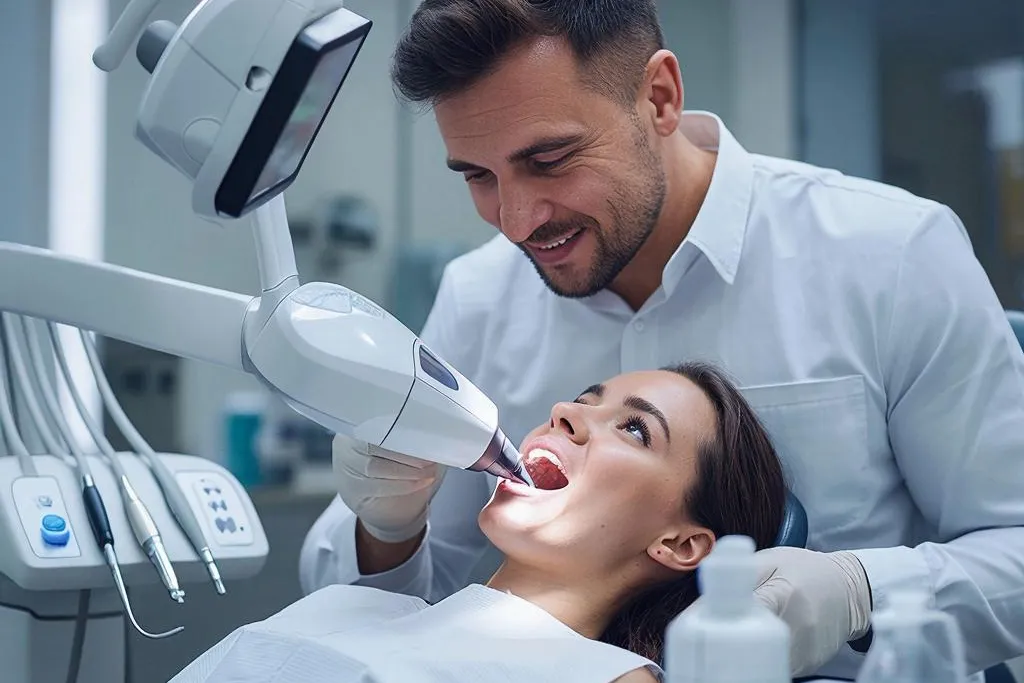
Researchers at Volgograd State Medical University have developed a new method for detecting changes in the oral mucosa that they say has no direct equivalent worldwide. The approach is designed to identify the early development of oncological diseases in dental practice, the university’s press service told IT Russia.
According to Yulia Makedonova, head of the Department of Dentistry at the Institute of Continuing Medical and Pharmaceutical Education at VolgSMU, the university’s research team created an adhesive diagnostic dye as the core of the method. It allows dentists to detect precancerous conditions and early-stage cancers even before visible clinical changes appear in the oral mucosa.
In addition, the Volgograd researchers are developing a specialized calibrator attachment that will allow doctors to assess healing in the oral cavity and accurately measure the affected area without invasive tissue procedures.
The team is also creating software based on artificial intelligence. The system will measure the extent of lesions, evaluate the condition of the vascular system, and provide physicians with data on potential health risks.
A Comprehensive Diagnostic Assessment
To determine the correct treatment strategy for diseases of the oral mucosa, physicians need a comprehensive assessment, including planimetric data, the size of inflammatory areas, pain intensity, and other parameters. The system will also incorporate staging criteria for lesions, requiring an individualized approach, Makedonova said. Prototypes of the devices are scheduled to be developed and tested in clinical settings later this year.
Earlier, at the Borovskie Chteniya – 2026 conference at the Borovsky Institute of Dentistry of Sechenov University, more than 20 students from different countries presented projects and research in artificial intelligence and advanced medical technologies in dentistry.