A New Approach to Mill Relining
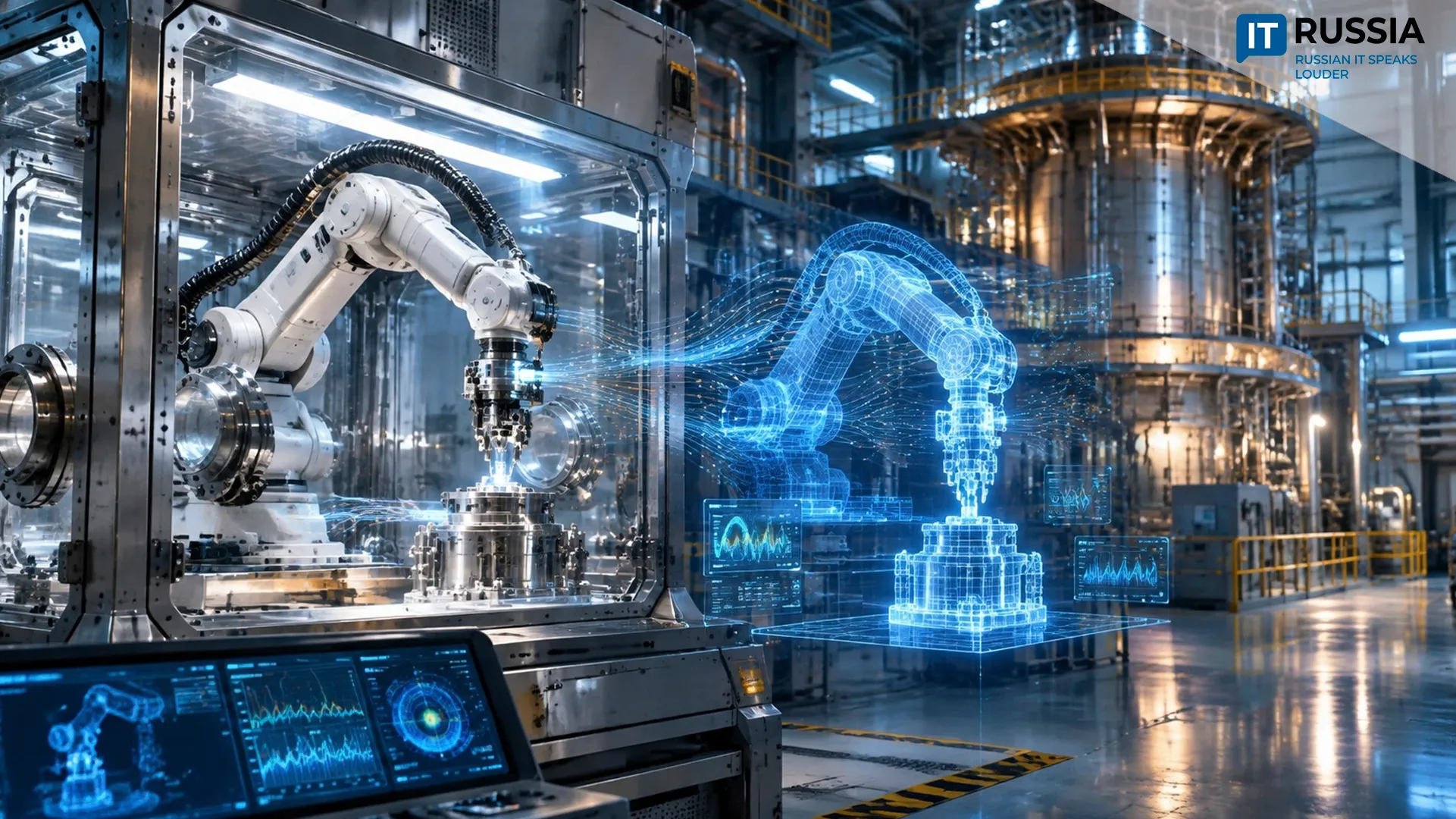
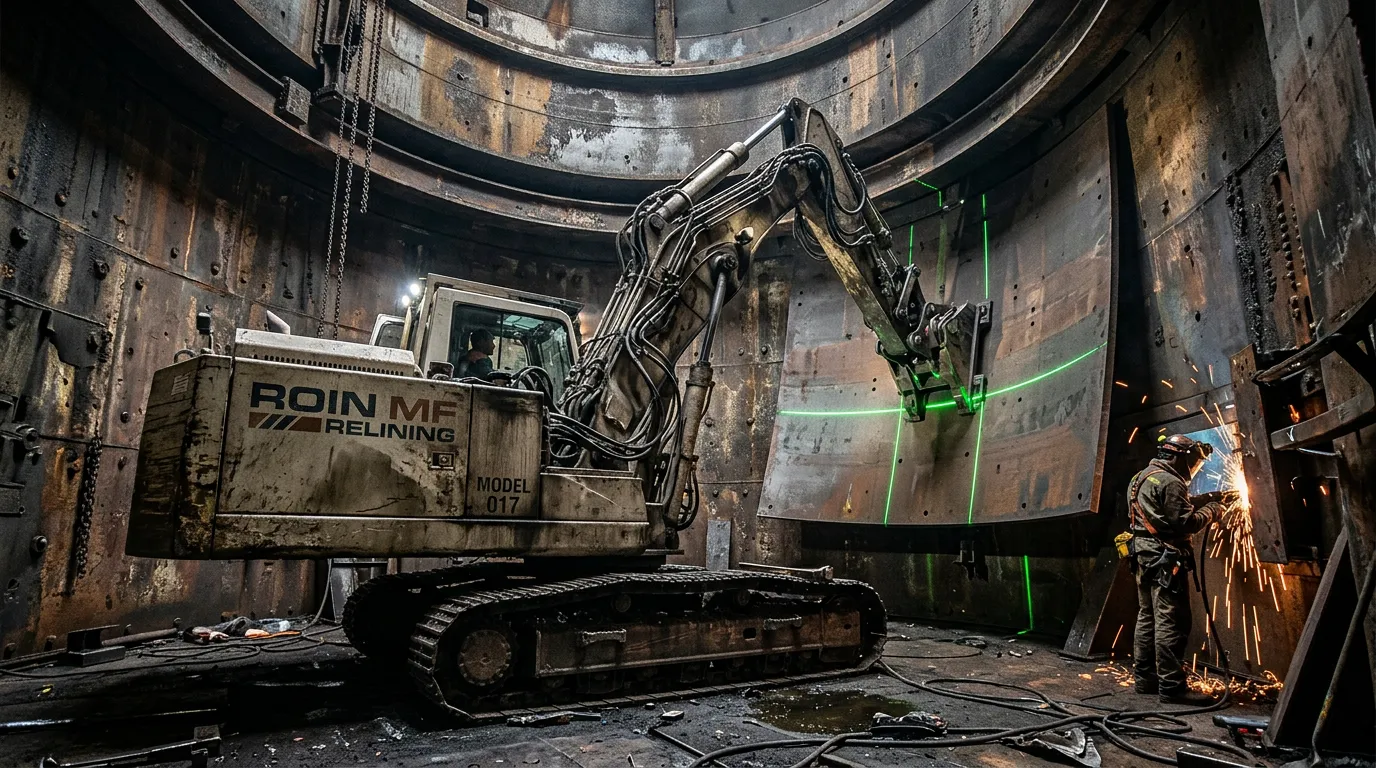
Novye Tekhnologii has introduced the ROIN MF mill relining machine, a self-propelled lifting and handling system with remote control designed to remove and replace liners in industrial grinding mills.
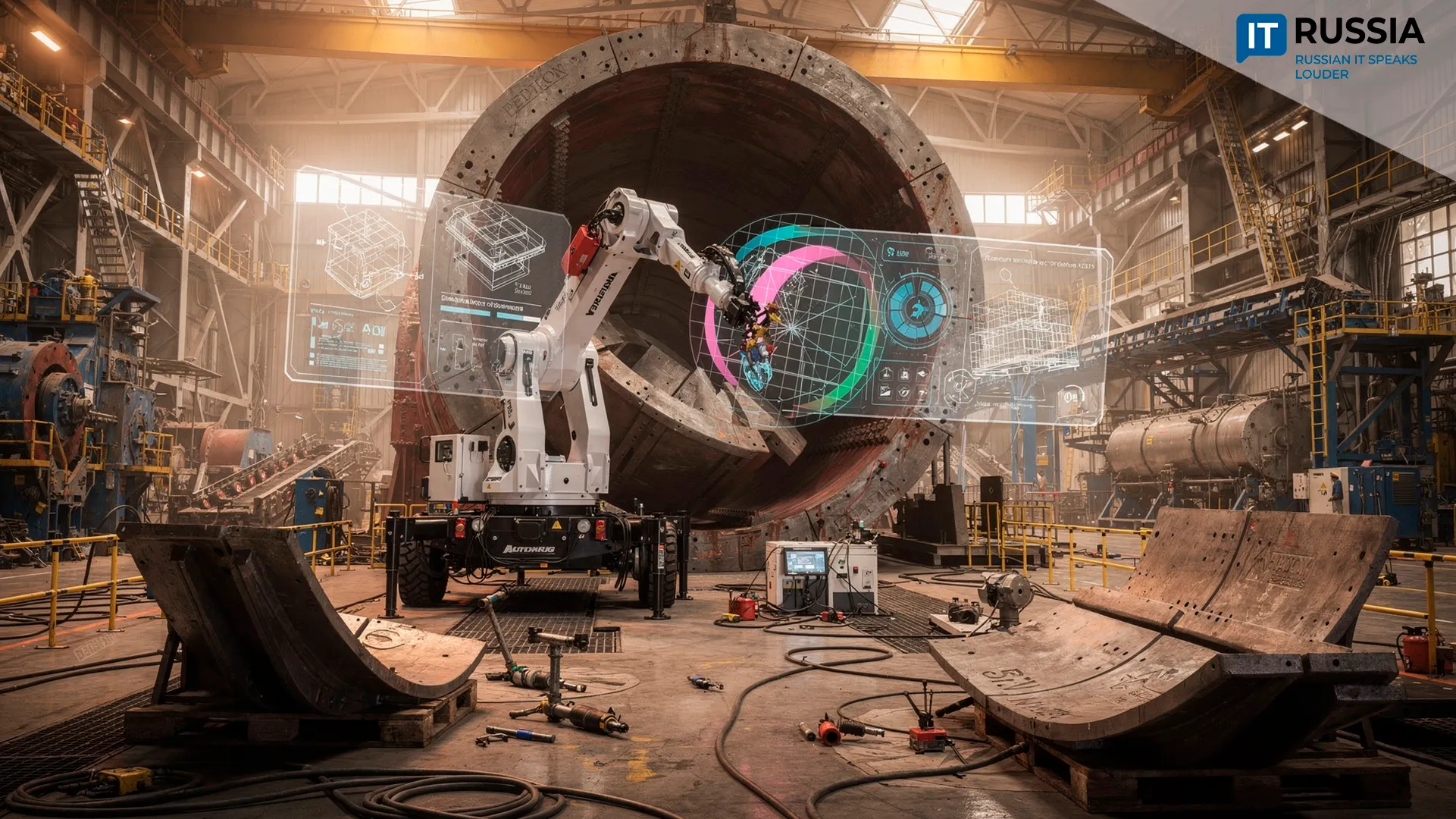
The new equipment, developed to replace imported relining machines at Russian mining and mineral processing as well as metallurgical operations, was unveiled at the Coal of Russia and Mining – 2026 exhibition. According to the developer, the machine can shorten relining operations by 20% to 25%, reduce heavy manual labor and move operators out of hazardous work areas. Because the equipment was both designed and manufactured in Russia, it also represents an important step toward greater technological independence for the country's mining industry.
Relining is widely regarded as one of the most critical and labor-intensive maintenance operations in mineral processing, and at many sites it is still performed largely by hand. Mill liners protect the internal shell from impact and abrasive wear. Since mills must be taken out of service for liner replacement, shortening maintenance shutdowns has a direct effect on operational performance. Proper liner selection and maintenance also reduce energy consumption while extending maintenance intervals.
Under the Novye Tekhnologii Brand
Novye Tekhnologii is the commercial brand of the Voronezh-based INTEKHROS holding company, which owns both the patents and the intellectual property behind the development. The ROIN MF relining machine stands out for its universal lifting and material-handling design. It travels on wheels and features an extendable chassis, providing a significant advantage in confined mill maintenance areas. Rather than manufacturing standardized equipment, the company engineers each ROIN MF individually to match the dimensions of a customer's mill and the specific conditions of the operating site.
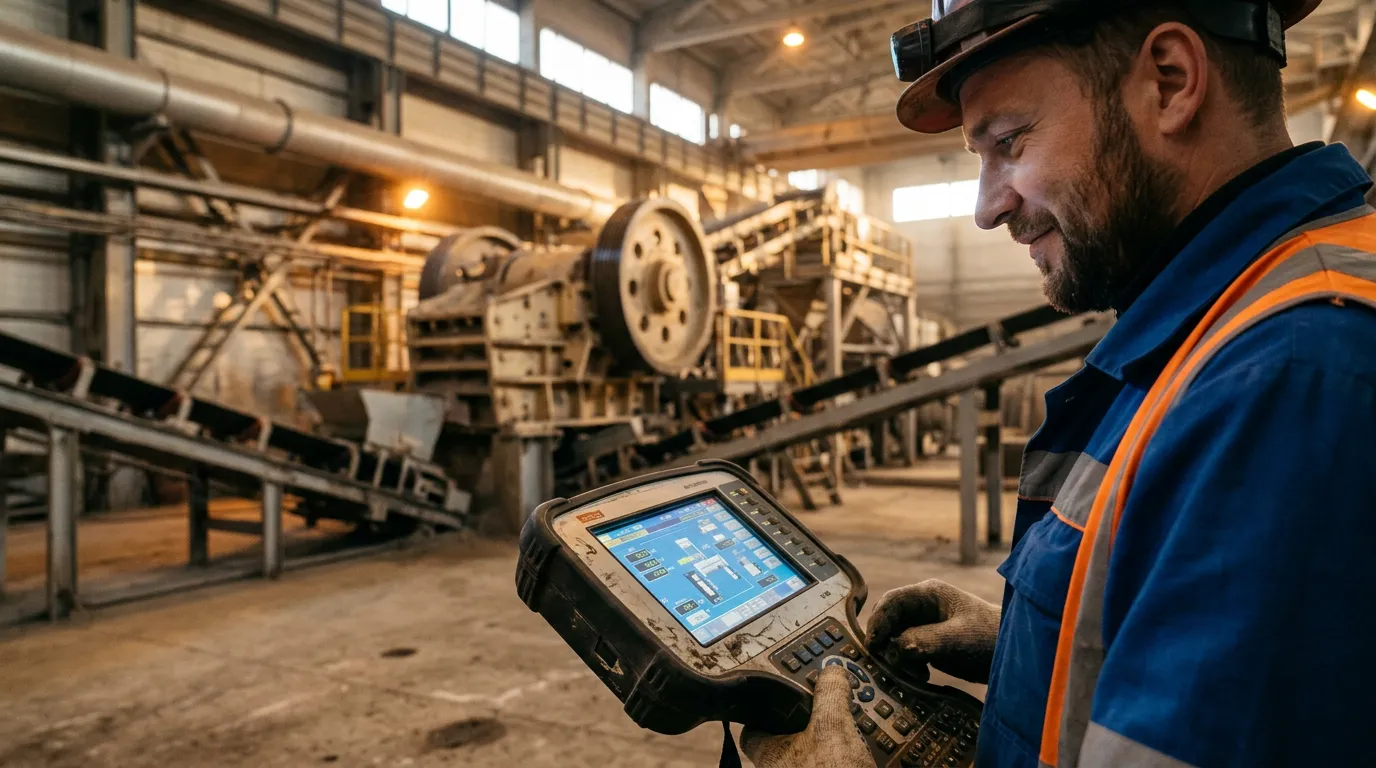
The company has operated in the market since 2002 and began developing robotic equipment under the ROIN brand in 2013. As a result, INTEKHROS solutions draw on more than 15 years of experience designing hydraulically powered, remotely operated machines. Its portfolio includes more than 30 machine models and variants, along with a broad range of attachments used in mining, metallurgy, the nuclear sector – including Rosatom emergency and technical response units – and Russian Railways infrastructure projects. Beyond hydraulic systems, the company is incorporating machine vision, proprietary software and machine learning algorithms into its equipment.
Addressing a Persistent Challenge
Beginning in 2021, Russian mining companies accelerated the adoption of lighter and longer-lasting mill liners. Rubber liner components have been introduced at many operations, reducing the relining time for a single mill from approximately four days to about two and a half days. Industry testing demonstrated that the economic benefits depend not only on the relining machine itself but also on the design and weight of the liner components.
By 2023, Russian manufacturers were already producing relining machines equipped with a main frame, load carriage, crane manipulator, hydraulic power unit and control system. Research conducted during the same period also identified mechanized positioning and installation of mill liners as an effective way to reduce maintenance labor requirements. Mining companies increasingly viewed robotics as an economically justified investment, while industry representatives pointed to payback over the medium and long term.
By 2024, Russian manufacturers had further expanded the localization of mineral processing equipment. In flotation machines, the localization rate exceeded 90%, and Russian companies began producing large-capacity processing units. That progress also created favorable conditions for developing more specialized equipment, including machinery for mill maintenance and repair. In 2025, autonomous and robotic technologies emerged as a separate category within the mining industry's digital transformation efforts. For the first time, the MiningWorld Russia competition introduced a dedicated Robotization and Autonomous Solutions award category.
Near-Term Outlook
In the coming years, the ROIN MF is expected to undergo field validation at several Russian mining and mineral processing operations, while the base platform is adapted for specific mill models and sizes. Equipping the machine with machine vision, position sensors, operating parameter recording and semi-automatic liner positioning will move the system closer to becoming a fully robotic maintenance platform. That, in turn, will allow maintenance data to be integrated into enterprise digital management systems.