AI Detects Excess Fat in Cream
In Russia’s Rostov region, the Federal Service for Veterinary and Phytosanitary Surveillance used artificial intelligence to prevent an agricultural producer from releasing adulterated dairy products onto the market.

Rosselkhoznadzor is expanding the scale of digital oversight for agricultural producers and processors. In the Rostov region, artificial intelligence analyzed production records for milk and data on the finished products derived from it, identifying discrepancies – fat content indicators did not match. As a result, the producer was prevented from violating regulatory requirements.
Fat Accounting
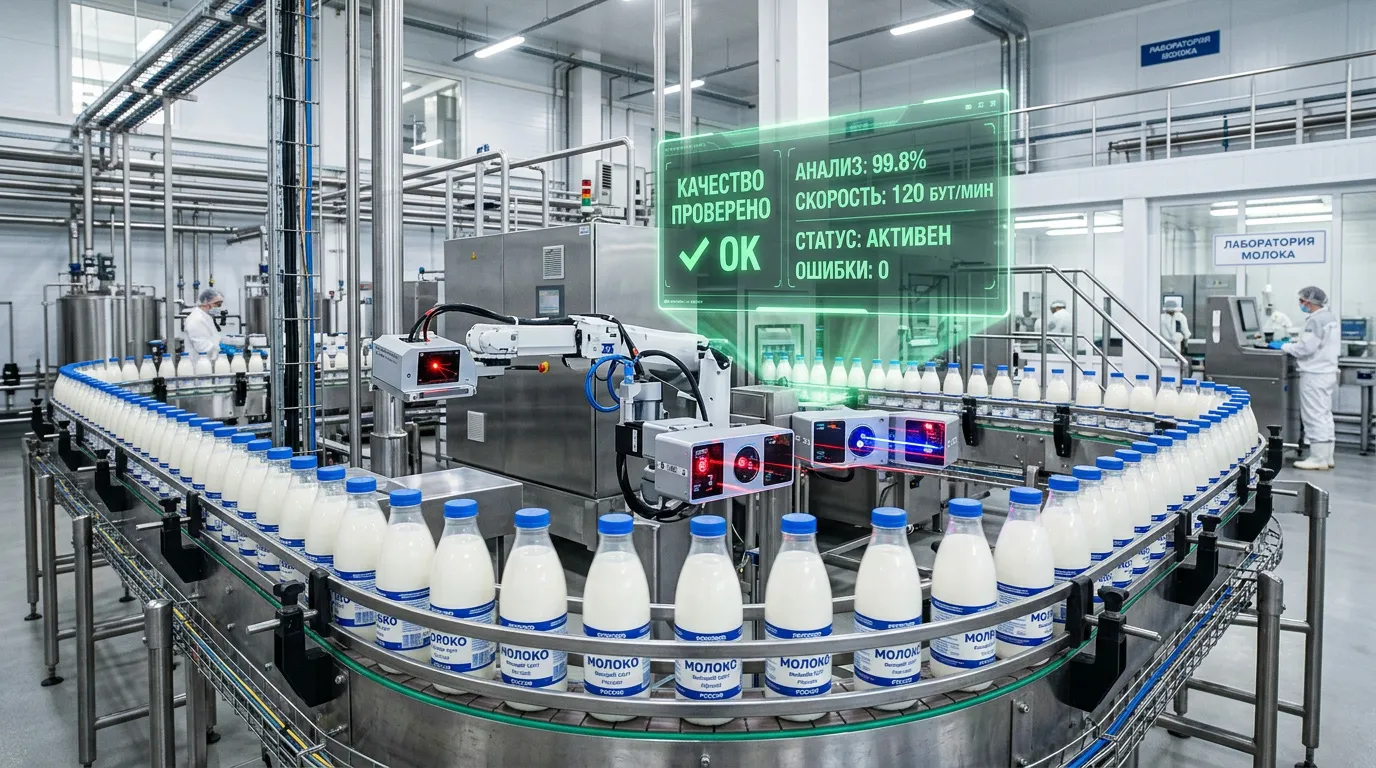
The violation was detected with the help of the Mercury analytical system, which operates using AI. An analysis of livestock production records in the Salsky district of the Rostov region revealed an inconsistency. According to a production certificate issued by a veterinary specialist, 750 kg of milk with a fat content of 3.6% was processed into 77 kg of cream with a fat content of 35% and 673 kg of skim milk with a fat content of 0.1%. However, a simple calculation showed that the raw material contained 27 kg of milk fat, while the finished products contained 27.6 kg. In other words, the processed output contained more fat than was present in the input.
This constitutes a direct violation of the law on food quality and safety, as well as technical regulations governing food product safety and the rules for issuing electronic veterinary accompanying documents. Product traceability requirements were also breached.
For the first offense, the producer received only a formal warning. Authorities emphasized that non-compliance with mandatory requirements is unacceptable. The case materials were also reviewed by the regional veterinary authority and the environmental prosecutor’s office.
Automated Data Control
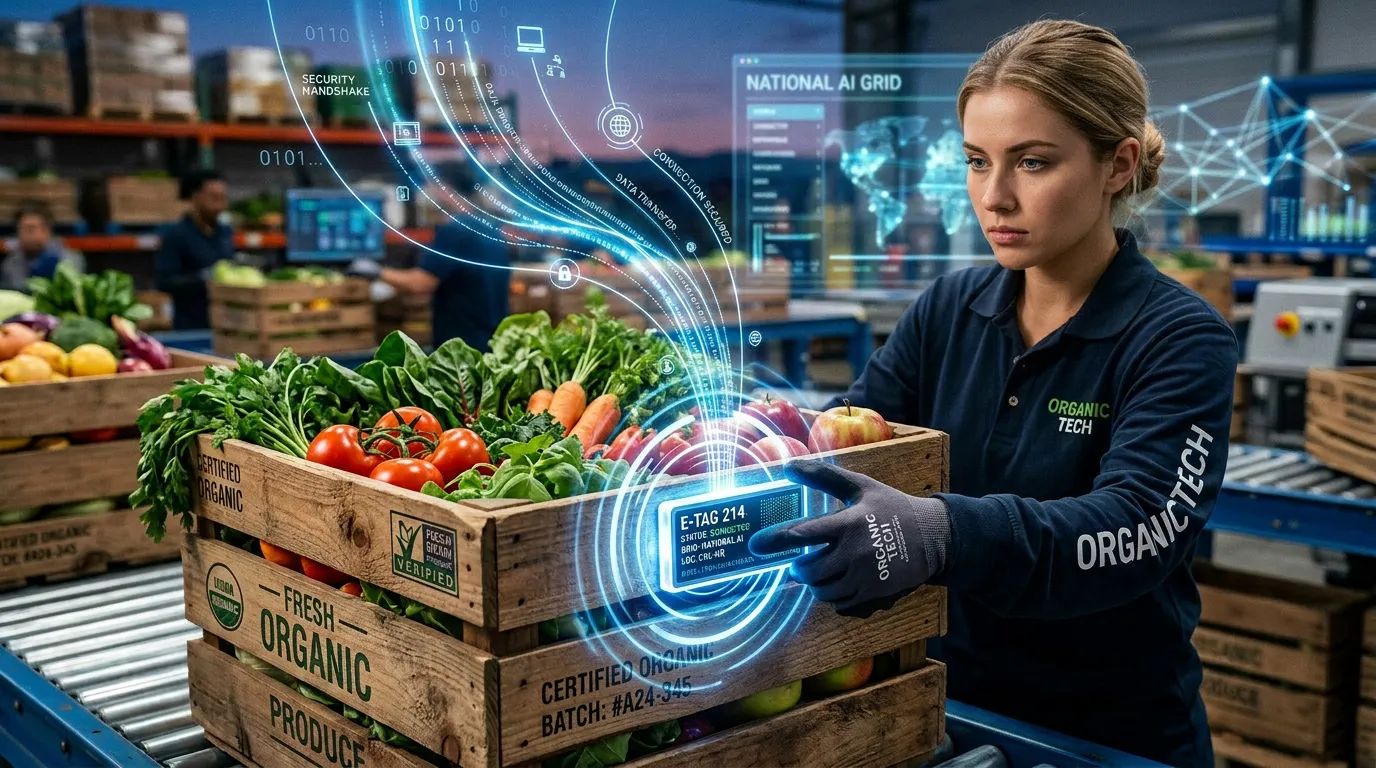
The significance of this case lies not only in the violation itself. More importantly, the entire inspection and decision-making process was conducted online, without on-site visits by Rosselkhoznadzor inspectors. Oversight activities were carried out automatically using AI technologies. The algorithm instantly processed all document data, identified the discrepancy, verified it, and alerted an agency official, who then made the final decision.
Such oversight is becoming routine for Rosselkhoznadzor. Digital systems enable specialists to identify inconsistencies in traceable data and pinpoint enterprises that are likely violating regulatory requirements.
According to Rosselkhoznadzor, in the summer of 2024, AI within the Mercury system identified more than 1,000 traceability violations in Yakutia. Neural network algorithms were already capable of detecting logical gaps in production chains. In autumn 2025, AI uncovered discrepancies in dairy production volumes in Primorsky Krai, where output did not match input. In the same year, it was revealed that about 25% of the products from Bologovsky Dairy Plant in the Tver region were introduced into circulation with traceability violations detected by AI, prompting a separate inspection.
Thus, the inspection in the Salsky district reflects an established operational practice. Compliant companies are spared unnecessary inspections, while violators are brought into focus.
“Among the advantages of AI is that it incentivizes producers. Their operations have become more transparent. Systems help combat counterfeit products and detect fraudulent schemes, such as when tons of pork, poultry, or fish products are ‘produced’ from just 10 kg of saury,” noted Irina Slutu, Deputy Head of Rosselkhoznadzor’s Directorate for the Tver and Yaroslavl regions.
End-to-End Traceability of Production and Supply
Through digitalization, oversight of food producers and suppliers in Russia is steadily becoming comprehensive. Currently, AI identifies inconsistencies in electronic accompanying documents of suppliers and producers. Already, all officially operating companies are monitored automatically, enabling efficient detection of violations.
Expanding the range of control mechanisms will allow regulators to identify more violations. It will become impossible to manipulate raw material balances, alter shelf-life data, break traceability chains, or operate “phantom” production sites. Gradually, it is becoming possible to track every stage of product creation in real time, from farm-level raw materials to retail shelves. AI detects inconsistencies automatically and initiates oversight procedures, which are then followed up by agency personnel.

Full digital traceability ensures high-quality food products for consumers. It also protects legitimate producers from unfair competition by fraudulent operators who sell low-quality goods at dumping prices under the guise of legitimate products.
At the same time, it creates sustained demand for applied data analytics solutions developed by Russian technology companies. Comprehensive digital traceability also strengthens trust in Russian products in export markets, enhancing the global competitiveness of domestic agricultural producers.