Atomspetstrans Deploys Centralized Security Event Monitoring Across Six Branches
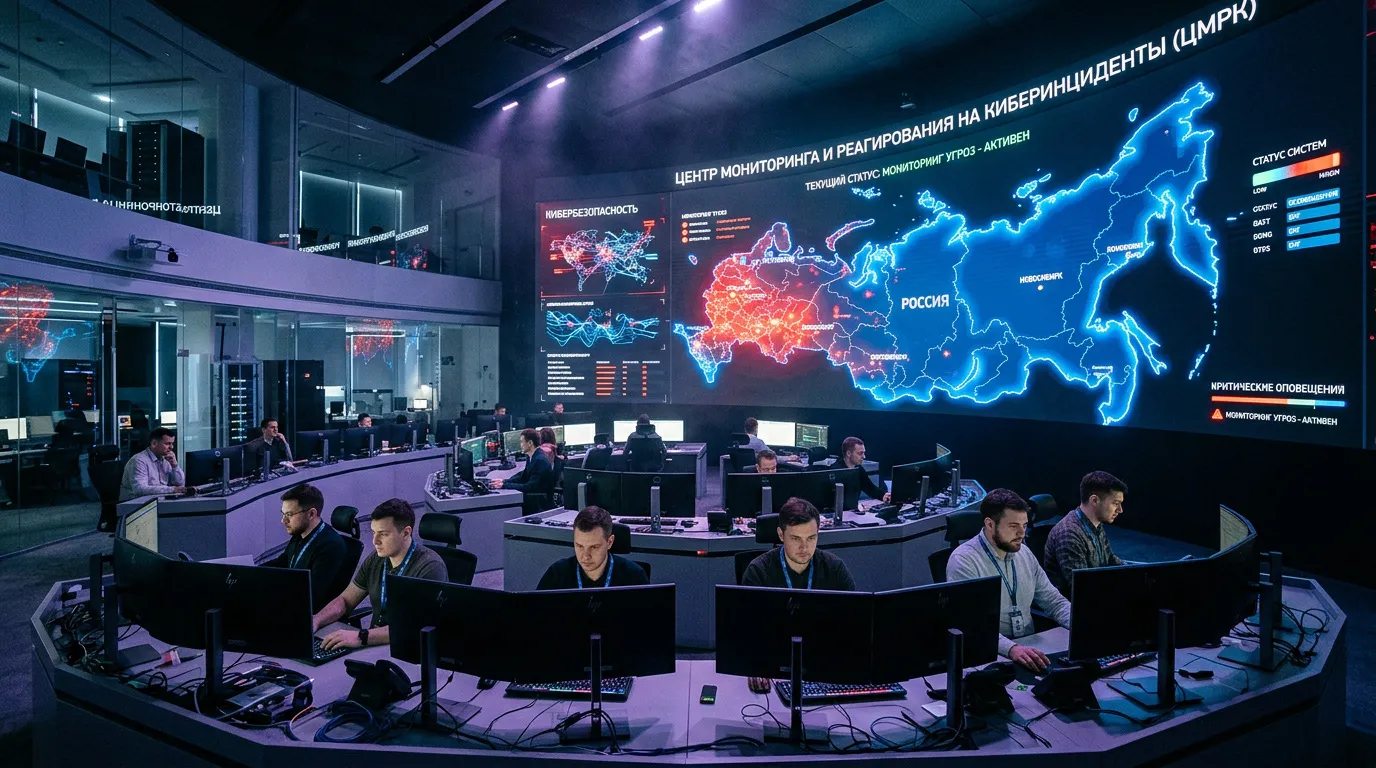
Atomspetstrans, Rosatom’s operator for industry cargo transportation and the corporation’s transportation control center, has deployed a centralized security event monitoring system across its distributed infrastructure. The project was implemented by iTPROTECT in six divisions.
The system processes up to 3,000 events per second and includes a threefold performance reserve. That capacity helps preserve the cyber resilience of infrastructure tied to the nuclear sector and specialized logistics operations.
Centralizing Security Monitoring
The solution is designed for organizations operating within the nuclear industry and transportation infrastructure. For the domestic market, it represents a case study in rolling out centralized monitoring across a branch-based structure where data protection and process continuity are critical requirements.
Faster identification of cyberthreats is expected to reduce the risk of disruptions in critical logistics operations and improve the reliability of transporting industry cargo. That matters for strengthening cyber resilience in technologically sensitive sectors and aligns with FSTEC requirements for maintaining the stable operation of critical information infrastructure facilities.
The project also fits into a broader global shift toward centralized monitoring, security management systems and coordinated response mechanisms across distributed networks.
A Favorable Market
Monitoring systems of this kind can be deployed across large holdings and infrastructure companies in energy, transportation, manufacturing, government and telecom. In 2026 and 2027, Russian organizations are expected to accelerate the creation of cyberthreat monitoring centers to defend against sophisticated attacks, strengthen information security and optimize spending. According to Solar, its JSOC service recorded 1.16 million events across roughly 300 organizations in 2025, underscoring strong demand for these technologies. The number of confirmed incidents climbed beyond 33,000, highlighting the scale of monitoring and event-filtering requirements.
In 2025, Russia’s cybersecurity market was valued at 374 billion rubles (about $5 billion). Forecast growth reached 19%, with the market potentially expanding to 968 billion rubles (about $12.9 billion) by 2030. That growth is driving wider deployment of monitoring systems and managed response technologies.
Experts expect the next stage of development to include connecting additional branches and event sources, integrating with SOAR and IRP platforms – technologies used to automate and accelerate incident response workflows – expanding response automation and shifting SIEM systems away from simple log collection toward managed response and embedded playbooks.
The Technological Core of Monitoring
In 2024, the Sochi Park entertainment complex deployed a security information and event management system to monitor its infrastructure, demonstrating growing demand for cyber protection even in the services sector. At the same time, Gazinformservice launched a 24/7 commercial security management platform for industrial companies, while Rosatom held a large-scale conference for 500 industry experts. Information security has increasingly become a systemic priority for large service and industrial enterprises, not only for nuclear energy organizations.
In 2025, ESA PRO launched a SOC-as-a-Service platform – a cloud-based cybersecurity delivery model in which an external provider manages security operations center functions. The launch confirmed rising business demand for outside expertise in data protection. Russia’s domestic SIEM market grew 20% due to import substitution efforts and critical infrastructure protection requirements. These systems remain the technological core of monitoring operations, while the Atomspetstrans deployment demonstrates how SIEM platforms can support flexible security centers for managing complex distributed infrastructure.
An Element of Mature Cyber Defense
The deployment of a security event monitoring system across six branches marks an important development. The project involves a company operating within the Rosatom ecosystem, where cybersecurity is directly tied to the resilience of transportation and production processes. What matters most is that centralized event monitoring is increasingly becoming a mandatory component of mature security strategies for distributed organizations across the country.
Over the next three years, similar projects are expected to spread more broadly across transportation, industrial, energy and government infrastructure. The sector is moving toward full-scale incident management capabilities that include event correlation, threat prioritization, automated response and integration with SOC, SOAR and IRP systems.