Cold Calculations: Novosibirsk Chemists Tackle Data Center Overheating
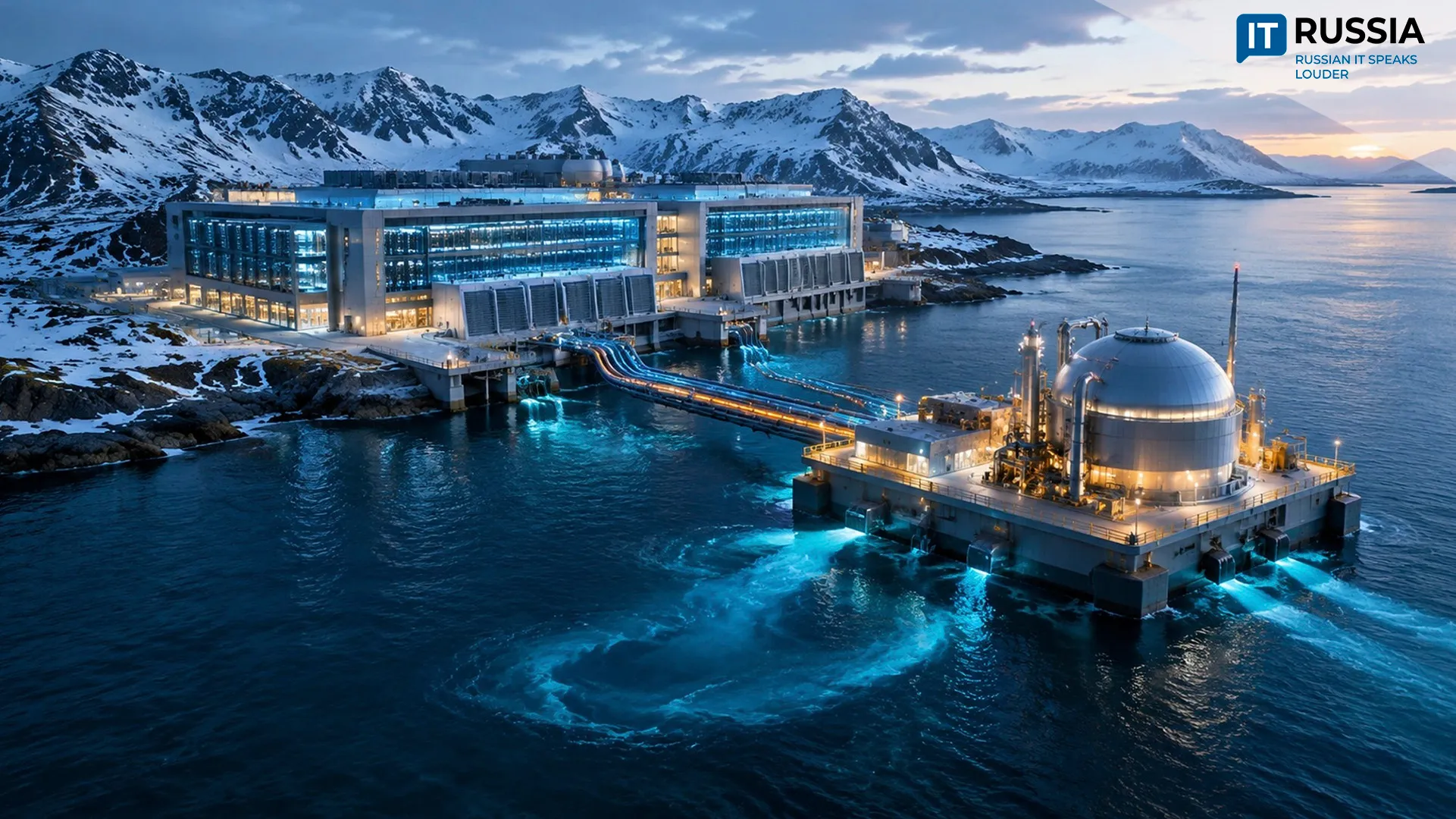
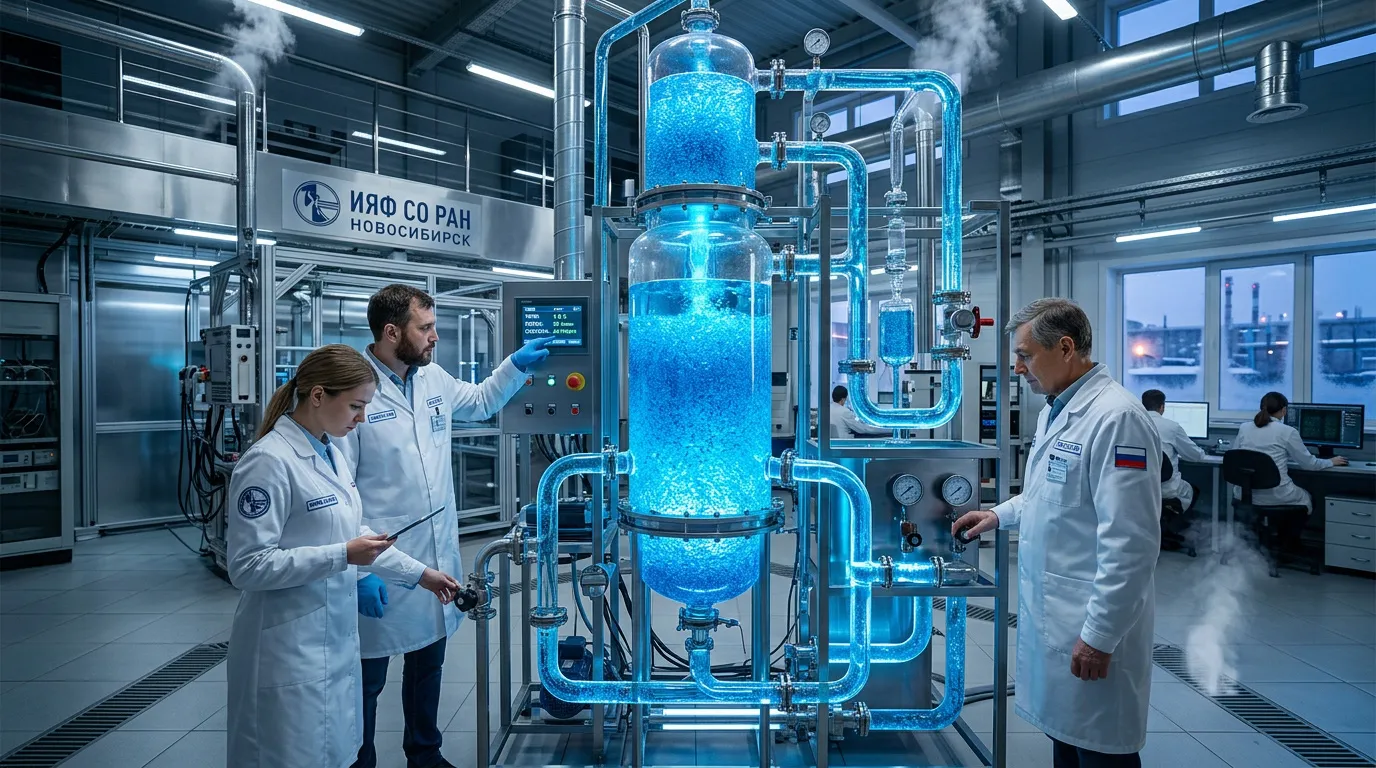
The Boreskov Institute of Catalysis of the Siberian Branch of the Russian Academy of Sciences is studying adsorption-based cooling systems for data centers built on mesoporous silica gel. The core idea is not just to remove heat from server equipment but to reuse low-grade waste heat from high-density racks to cool other areas within a data center. According to published findings, potential energy savings could reach 22%, with material performance peaking in the 40–60 °C range, where conventional microporous silica gel solutions are less effective.

The rapid growth of artificial intelligence comes with a trade-off: soaring energy demand. According to the International Energy Agency, electricity consumption by data centers could double by 2030, reaching 945 TWh. Cooling systems account for a significant share of that load, up to 30%, making them a critical target for innovation.
Turning Heat into a Cooling Resource
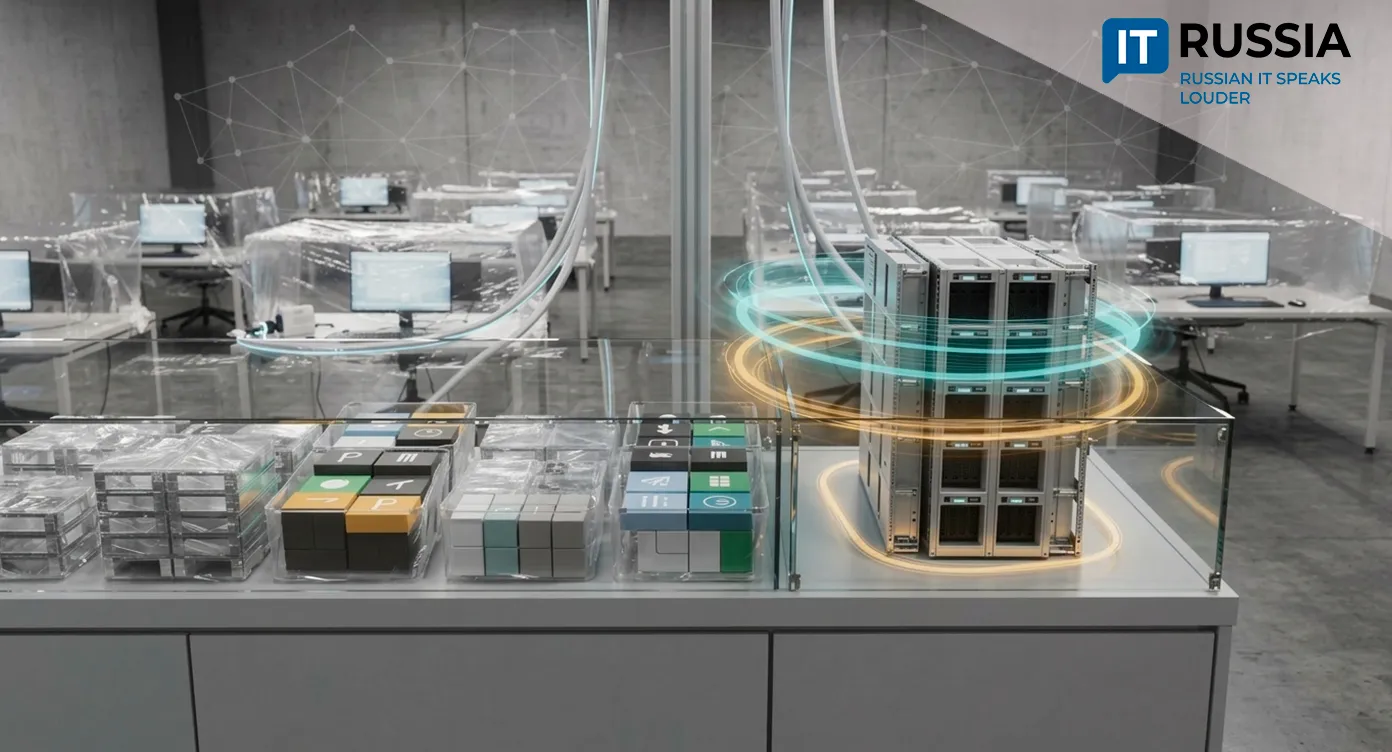
The Boreskov Institute of Catalysis has proposed an unconventional engineering approach. Instead of simply venting heat from servers into the atmosphere, researchers aim to reuse it. The system relies on adsorption-based cooling built around mesoporous silica gel. It captures low-grade waste heat in the 40–60 °C range from high-density racks and redirects it to cool other zones within the same facility.
Compared to traditional microporous materials, the new silica gel performs more efficiently in this specific temperature band, where conventional systems lose effectiveness. Early estimates suggest that this approach could reduce electricity consumption for cooling by up to 22%. The implication goes beyond cost savings. It reframes the role of data centers from passive energy consumers to systems that actively reuse their own thermal output.
Infrastructure and Energy Constraints
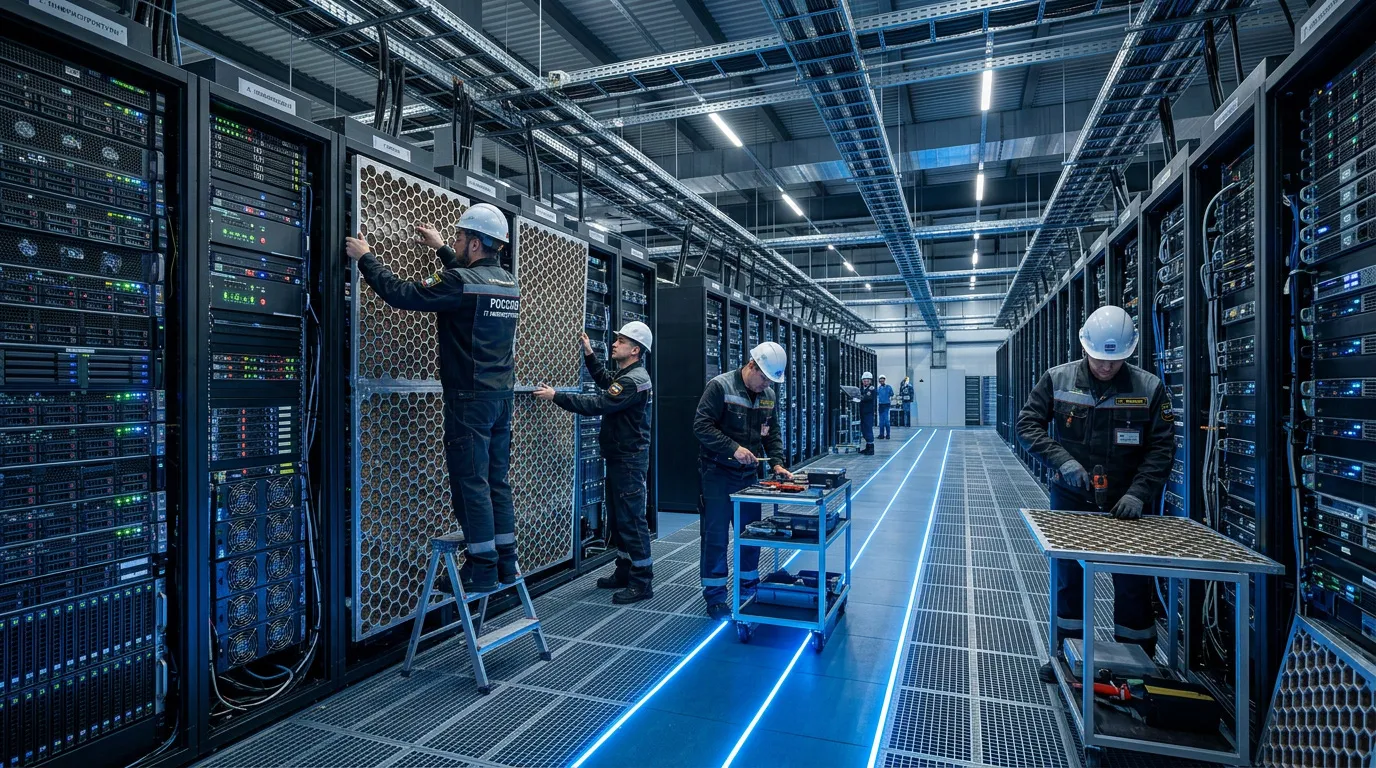
For Russia, the technology carries strategic weight. Limited access to additional power capacity is becoming a key bottleneck for expanding AI infrastructure. Policymakers are already considering targeted energy supply measures for supercomputing systems, as demand increasingly strains grid capacity. Any solution that reduces energy load gains immediate practical value.
The market is also shifting toward domestic engineering solutions. Demand for advanced cooling systems is rising as computing density increases. If the technology moves from a laboratory prototype to an industrial product, it could reduce reliance on imported systems and strengthen local engineering capabilities. For end users, this translates into more stable digital services, from banking platforms to government applications that depend on uninterrupted server performance.
From Lab Prototype to Global Deployment
The technology has three clear application paths: hybrid cooling systems in new data centers, retrofitting existing facilities and specialized AI clusters. To move forward, developers need to build a pilot system, validate reliability, model capital and operating costs and complete certification.
Since 2022, international research teams have also explored heat reuse through adsorption chillers. In 2024, the journal Energy Conversion experimentally confirmed the viability of such systems. In Russia, IXcellerate has filed patents for cooling high-load data halls. Japan’s NTT DATA has deployed systems that reuse data center heat for district heating in Berlin. The Novosibirsk approach fits into this broader trend, offering a competitive solution focused specifically on cooling efficiency.
What Comes Next
At this stage, the work remains a scientific and applied research effort centered on a laboratory prototype. However, the race to improve data center efficiency is becoming as critical as competition for more powerful processors and GPUs. If the Novosibirsk silica gel proves effective in real-world deployments, it could move beyond academic research and become a foundational element of digital infrastructure, where every watt of energy contributes to system performance and scalability.