Cryptocurrency Forensics: Russia's Justice Ministry Develops Court Expertise for Digital Assets
Russia's Ministry of Justice is developing a new judicial forensic framework for digital currencies and crypto assets. As the economy becomes increasingly digital, law enforcement and the courts require new investigative methodologies and technical tools. The ministry has begun building that foundation.
First Deputy Minister of Justice of the Russian Federation Yevgeny Zabarchuk outlined the initiative to develop forensic methodologies for digital currencies during the St. Petersburg International Legal Forum. He noted that the work is being carried out in partnership with the Central Bank of Russia.
Building an Evidentiary Framework
Digital assets are attracting attention from more than investors. As their adoption expands, so do the risks of unlawful activity involving them. In 2025, the Central Bank identified more than 4,600 cryptocurrency wallets linked to fraudulent schemes.
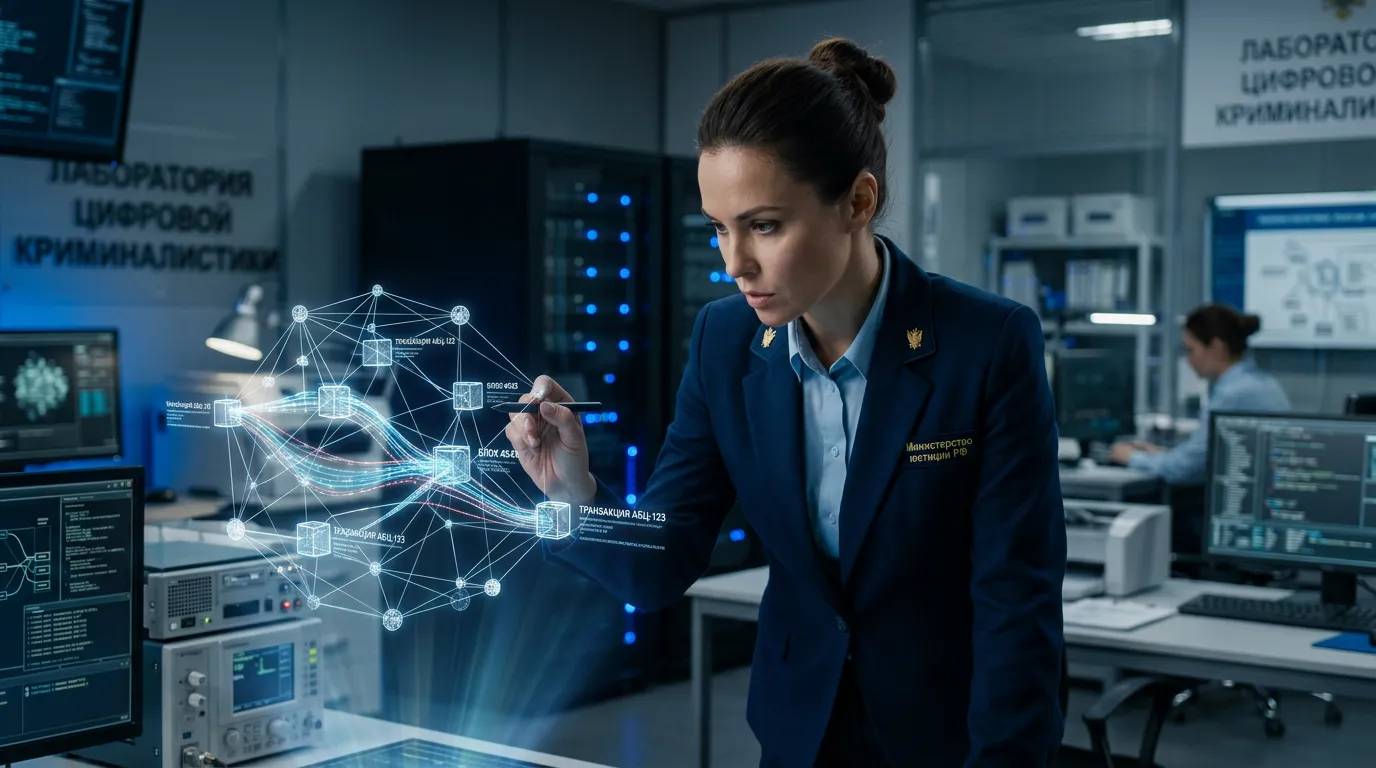
Forensic specialists will study how cryptocurrency-related crimes are committed, develop methodologies for detecting and investigating them, establish procedures for collecting digital evidence and determining ownership of cryptocurrency wallets. The outcome will be a judicial forensic framework that can support criminal, civil and commercial court proceedings.
"This work is fundamentally important for investigating fraud, laundering criminal proceeds, unlawful trafficking in digital assets, financing illegal activities, cryptocurrency-enabled extortion and other crimes committed in the digital environment," specialists at the Institute of Forensic Science and Criminalistics said.
Building the Technology Stack
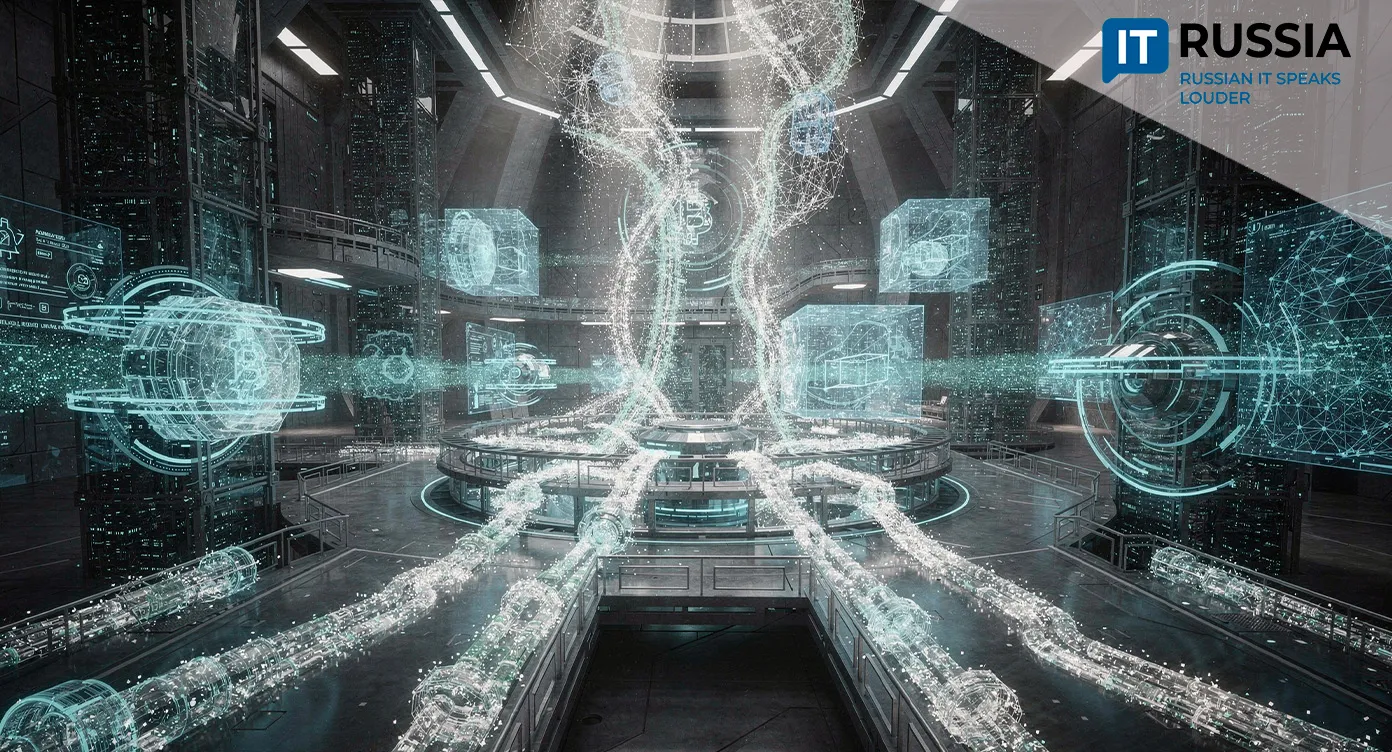
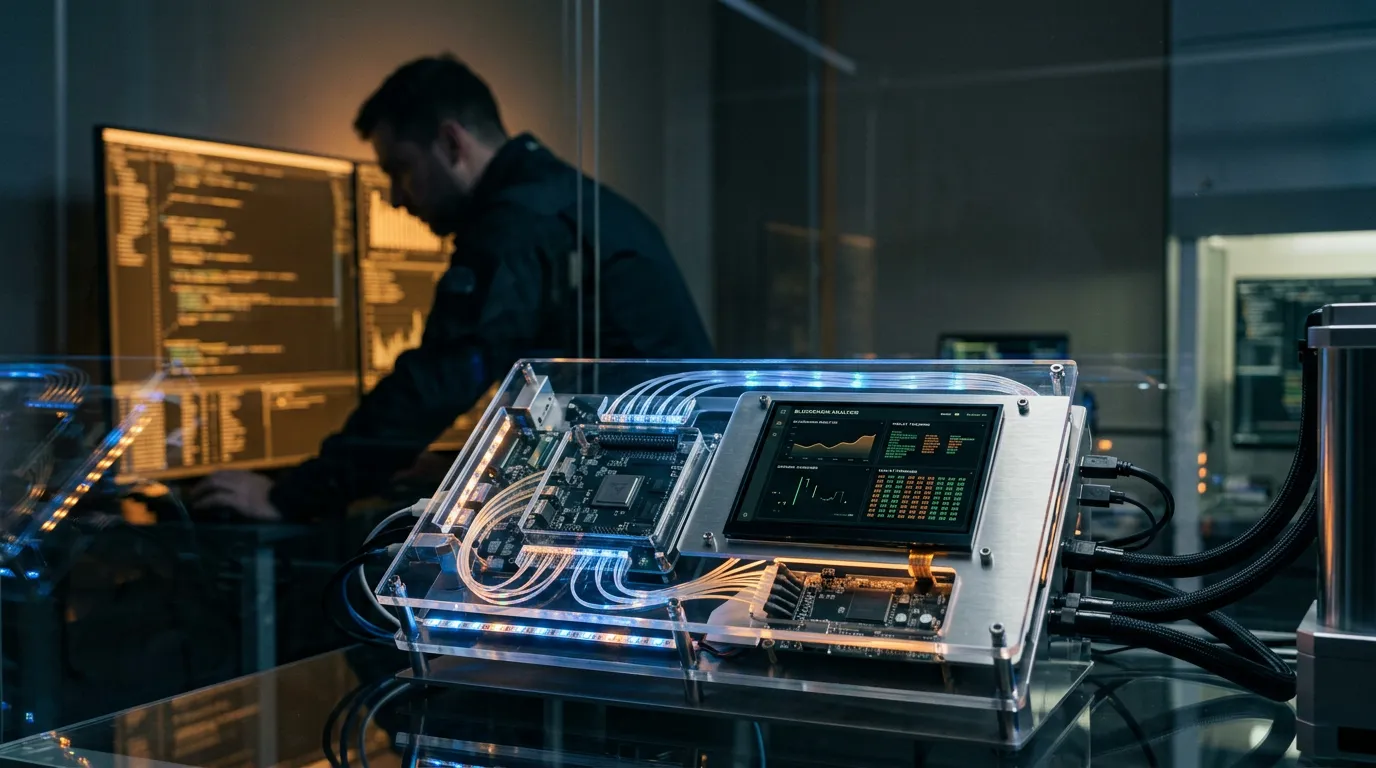
Methodologies alone will not be sufficient to investigate crimes involving digital currencies. Specialized software will also be required. That creates sustained demand for blockchain analytics, technologies that aggregate data from cryptocurrency exchanges, network logs and bank records, opening a new area of development for Russia's IT sector. The response will be blockchain analytics platforms capable of automatically identifying chains of fragmented transactions and interactions with cryptocurrency mixing services designed to obscure the origin of digital assets. Over time, those platforms are expected to integrate artificial intelligence algorithms that can detect anomalies across large financial datasets.
Responding to Crypto Crime
The Central Bank described the criminal risks associated with cryptocurrencies in detail in a 2022 report, emphasizing the need for technological oversight. In 2024, Russia officially legalized cryptocurrency mining while simultaneously requiring miners to register in dedicated government registries and report both the amount of cryptocurrency mined and the destination wallet address to the tax authorities.
In 2025, the digital financial market faced multiple cyberattacks. Cryptocurrency fraud resulted in losses totaling RUB 378.5 million (approximately USD 4.8 million). In response, Russia recognized cryptocurrency as property for the purposes of the Criminal Code in early 2026. That legal change, in turn, created the need for specialized judicial forensic expertise and the supporting technical infrastructure.

Strengthening Digital Law Enforcement
Legal technologies that help ensure the lawful circulation of digital currencies are becoming an integral part of the digital economy. This new stage in judicial forensic practice is expected to stimulate demand for IT solutions, blockchain analysts, developers of cryptocurrency forensic software and legal professionals specializing in digital assets. Looking ahead, the scope of forensic examinations is likely to expand beyond cryptocurrencies to include tokenized rights, smart contracts and digital financial assets. Such expertise could become valuable not only in money laundering and illegal mining cases but also in corporate disputes, bankruptcy proceedings and inheritance cases where ownership and existence of digital assets must be established.