

Electric Power Takes to the Water
Russian company Flymar has successfully tested an electric propulsion system for small vessels. The technology could make water transport quieter, cleaner and more affordable while reducing dependence on foreign-made marine components.

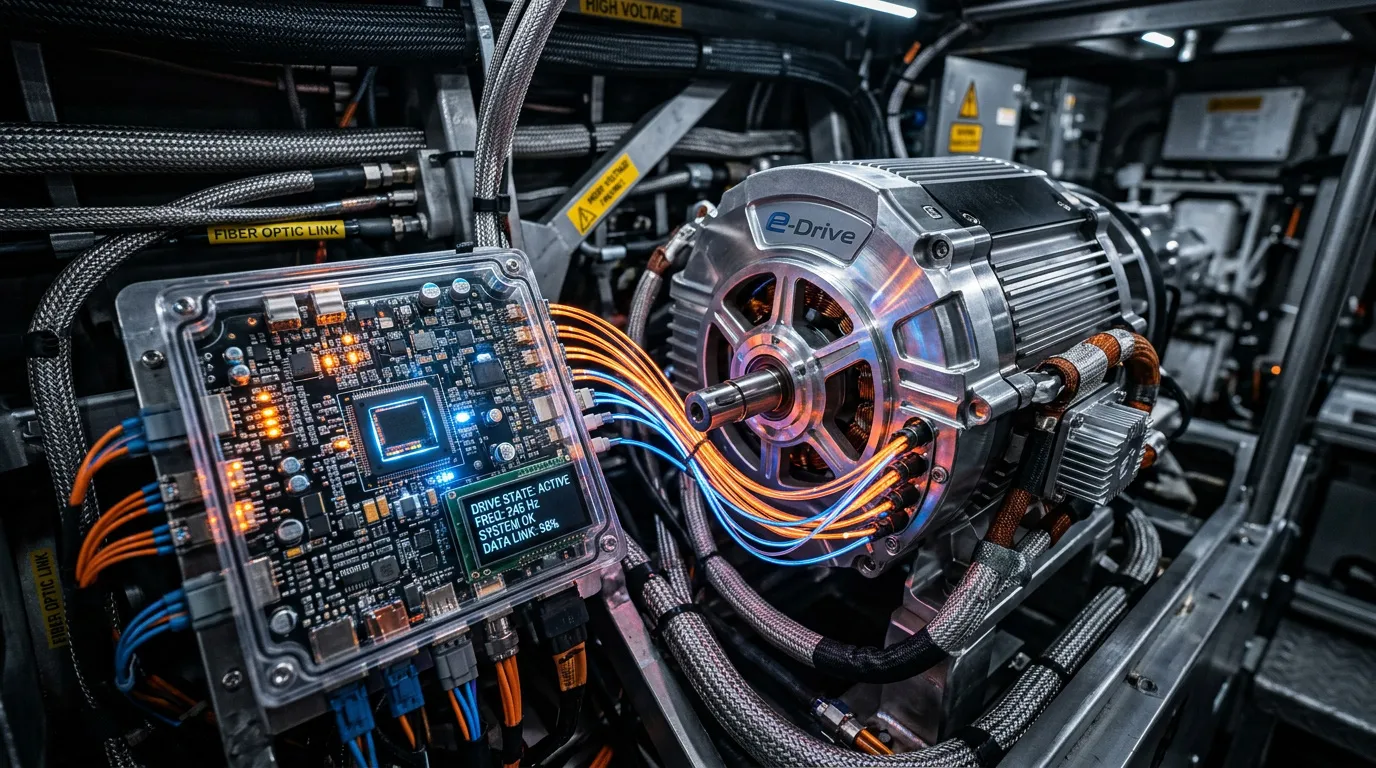
Flymar has completed successful trials of what the company describes as Russia’s first electric propulsion system for small autonomous vessels. The platform can reach speeds of up to 55 kilometers per hour (34 mph). Its motor delivers 93.5% efficiency, while its projected service life exceeds 20,000 operating hours, allowing for up to 20 years of use. A digital controller communicates with the motor 50 times per second, providing precise control in autonomous mode. The system was fully designed and manufactured in Russia, with roughly 50 million rubles (about $640,000) invested in development. The estimated price of the platform is 3 million to 4 million rubles excluding VAT (about $38,000-$51,000).
The significance of the project extends beyond a single technology test because it combines three major industrial trends: autonomous transport, electric propulsion and import substitution for marine systems. For residents, that could eventually mean quieter and more environmentally friendly river transport in cities with extensive waterways, from St. Petersburg to Krasnoyarsk. For Russia, the platform reduces dependence on foreign electric motors and control systems, which matters not only for passenger transportation, but also for freight logistics, waterway monitoring and rescue operations.
Where the Technology Could Be Used
The strongest commercial potential for the platform is currently inside Russia, particularly in passenger and freight transportation. Moscow has already been expanding regular electric river transit services, while Sitronics Group and Emperium are building electric vessels for urban routes. Flymar has already received initial supply requests from organizations in St. Petersburg, where a significant share of Russia’s scientific institutions and water transport companies are concentrated.
The project also aligns with Russia’s broader push toward autonomous navigation. Since 2020, the country has been running a pilot program for crewless vessel operations, and in 2024 the government approved requirements for organizations that will be allowed to operate such vessels remotely.
The technology also has export potential, although its prospects will depend on production scale, reliability and certification. Countries with extensive river systems or island geographies, including parts of Southeast Asia, could show interest. A notable feature of Flymar’s business model is that the company is focusing not only on hardware sales, but also on service contracts, intelligent-system updates and subscription-based offerings, bringing the project closer to an IT-platform approach.
The Road to Autonomy
Russia’s autonomous water transport sector has developed gradually over several years. In 2020, the country launched an experimental framework for autonomous vessels operating under the Russian flag. In 2023, Moscow introduced regular electric vessel routes, while Emperium started serial production of passenger electric vessels with capacities ranging from 50 to 200 passengers. In 2024, Sitronics Group announced plans to unveil an electric vessel equipped with an autonomous navigation system.
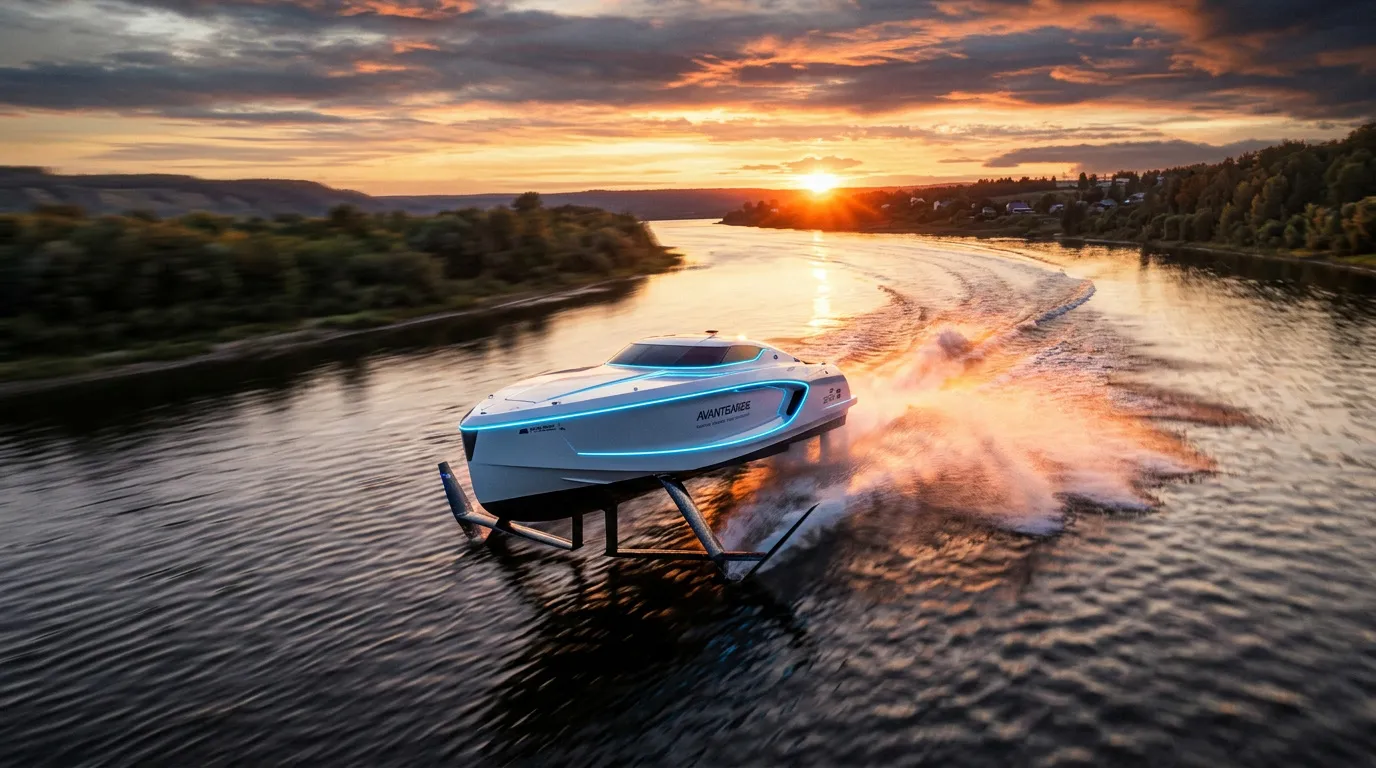
In 2025, the Voskhod Foundation launched the Flymar project with total investment of 100 million rubles (about $1.3 million). The initiative combines autonomous navigation, an energy-efficient electric drive system and a passenger vessel equipped with submerged T-foils. The 2026 trials marked the next logical stage in the program as the concept moved from development into full technological validation.

The Future of Electric Water Transport
Over the next one to three years, the main priorities will include system certification, pilot commercial routes, development of maintenance infrastructure and proving the safety of autonomous operation. If those milestones are achieved, the technology could secure a role in urban transportation, tourism services, waterway monitoring and small-scale freight logistics.
The main risks involve safety on heavily trafficked rivers, the need for charging infrastructure, seasonal navigation limits and competition from other electric vessel developers already active in the market. Still, if those challenges can be addressed, Flymar’s electric propulsion system could become an important step toward more cost-efficient and environmentally sustainable river transportation, both in Russia and abroad.