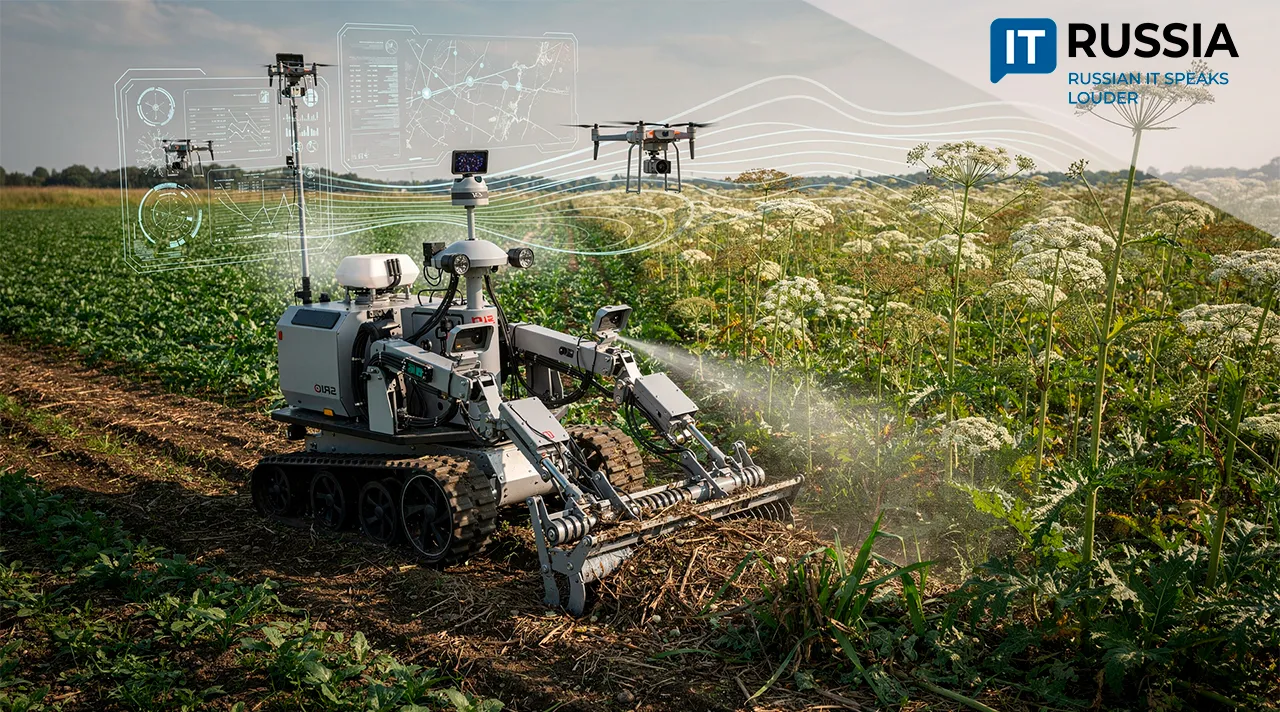
Moscow Emerges as an Agritech Hub
Innovative companies in Russia’s capital are developing applied solutions in digital agriculture, positioning Moscow as a growing center for agritech innovation.
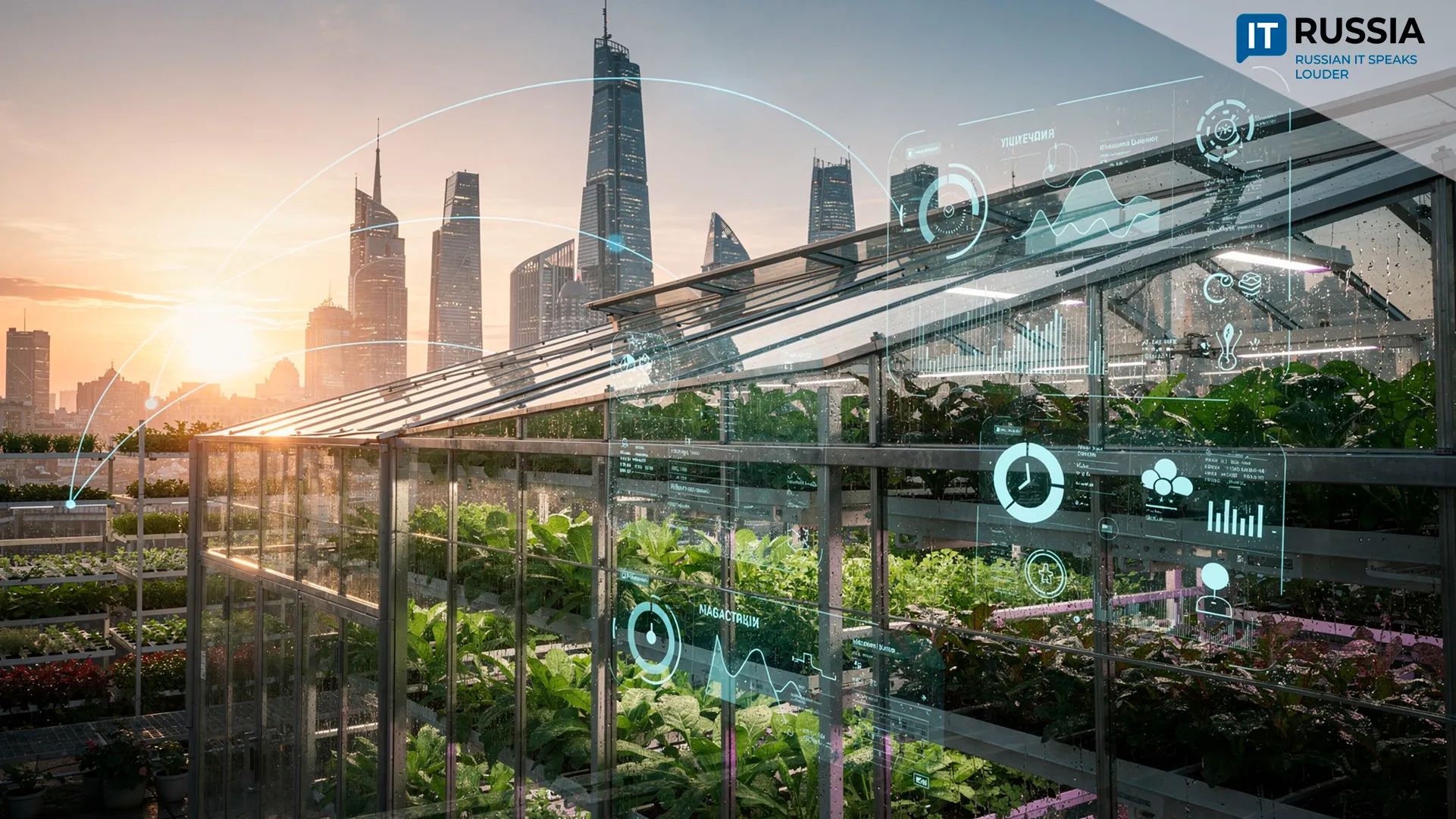
Moscow, traditionally known as Russia’s financial center, has long been receptive to new technologies, particularly digital ones that deliver strong economic returns. That is why the city government actively supports IT startups, expanding the tax base and strengthening the municipal budget.
From that perspective, large-scale support for companies developing digital solutions for agriculture reflects Moscow’s efforts to become a hub for applied IT innovation in the agro-industrial sector.
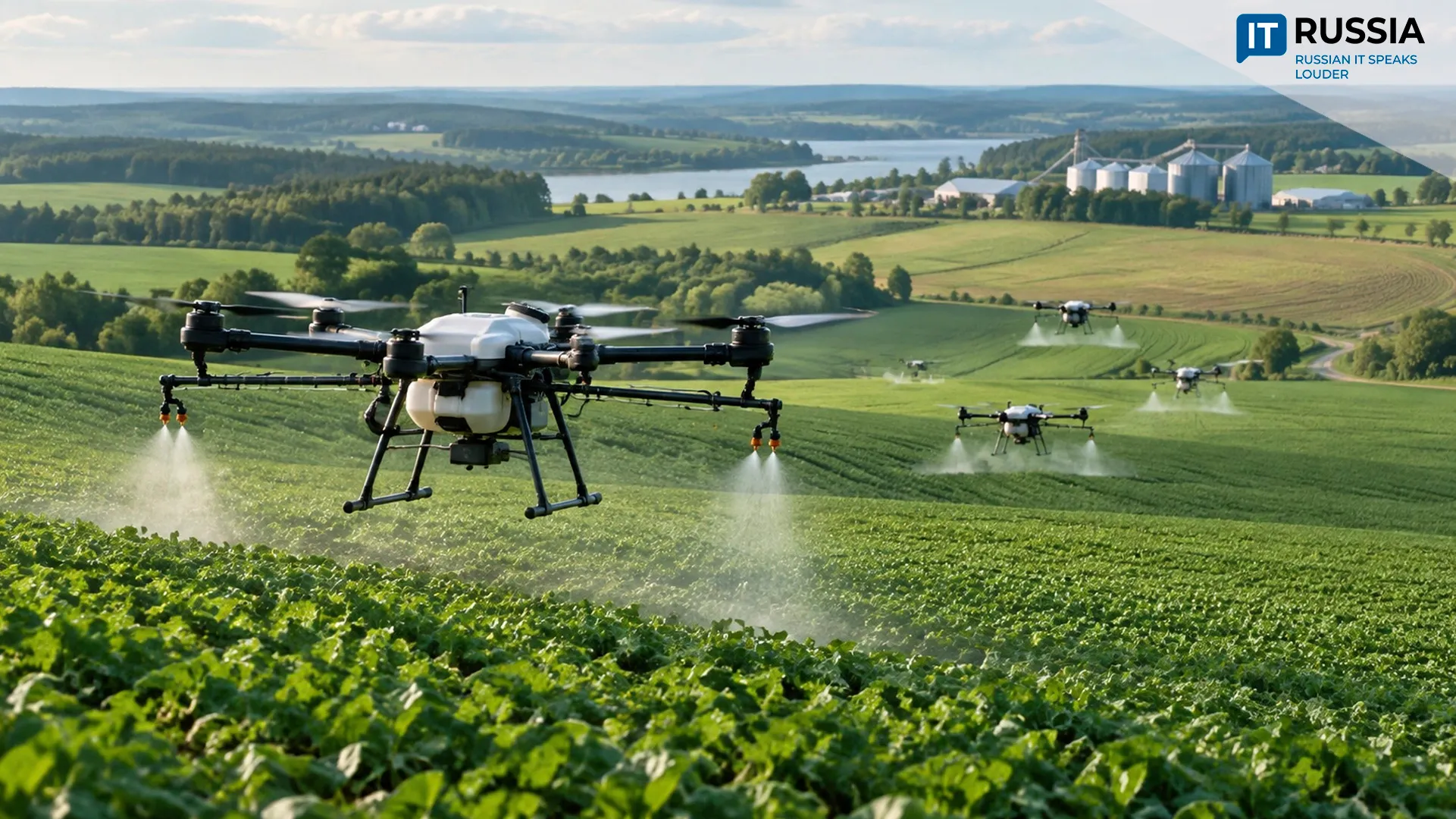
Entrepreneurs are focusing on accelerated plant breeding, soil monitoring, fertilizer production, livestock monitoring devices, automated plant care and improving yields in controlled-environment agriculture.
Leading Russian Developments
Speed breeding, a method for rapidly creating new crop varieties and hybrids, is being developed by Klimbiotech in partnership with the All-Russian Research Institute of Agricultural Biotechnology (VNIISB). Klimbiotech produces specialized climate chambers that can reduce the development cycle for new varieties from 10–12 years to three to six. The controlled environment enables continuous plant growth while accelerating development. Eight types of climate chambers have been created to address different tasks.
Another example comes from Khimtechgenesis, which has developed a technology to treat agricultural wastewater by removing ammonium and phosphorus ions while simultaneously producing an effective compound fertilizer – struvite. Two years of testing confirmed its effectiveness in growing winter wheat and ornamental crops, while also replacing imported fertilizers.
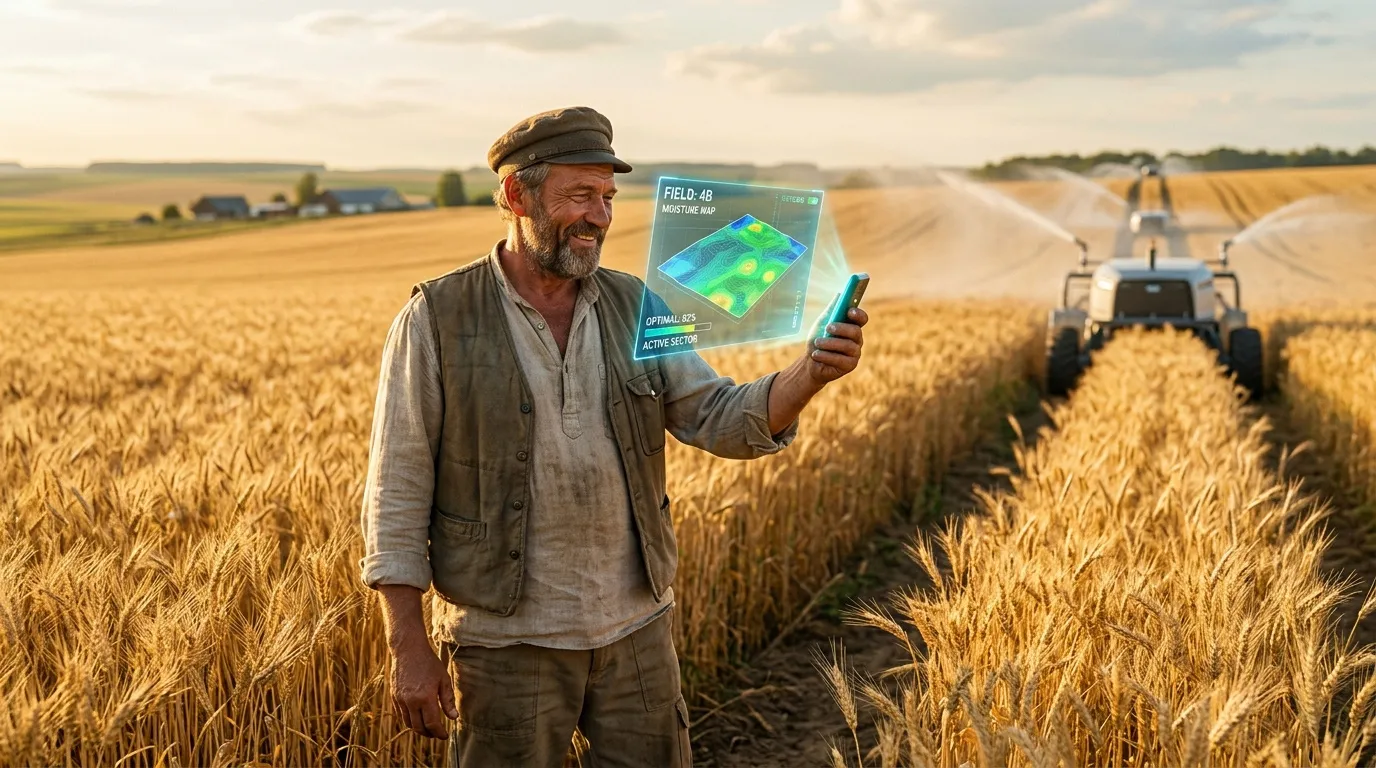
Siidos has developed the irrigation automation solution Kontrol’s. The platform analyzes sensor data, weather forecasts and historical datasets using proprietary sensors and AI algorithms. Trials showed a 16% increase in wheat yields and an 18% reduction in water consumption. The technology is already being integrated into irrigation systems.
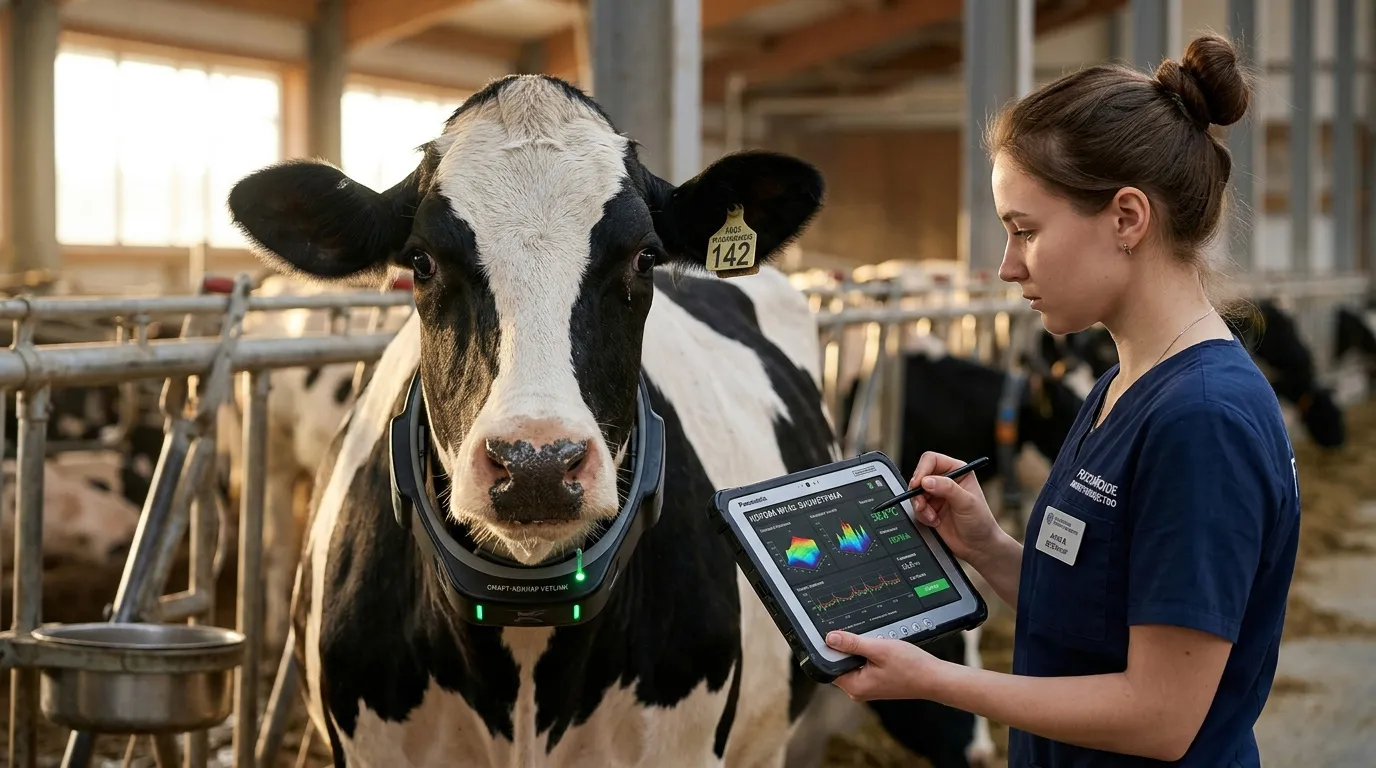
As part of the Karvet project, a device has been created to monitor the condition of livestock. Vital signs are analyzed using a dedicated algorithm, and any abnormalities trigger alerts for farmers or veterinarians. The RostX platform helps analyze soil conditions and select fertilizers tailored to specific crops and locations. The system processes data and generates customized soil nutrition plans. The startup Greenbar is also supporting plant cultivation through AI-driven city farms managed by a “Virtual Agronomist.” These farms can be operated remotely.
Direct Moscow Funding
All of these projects have been supported by targeted funding programs established by the Moscow government. The Innovators Academy program is designed for early-stage entrepreneurs and established companies seeking to invest in new developments or find partners and customers. The Moscow Innovator Award helps bring scientific research to the stage of commercial deployment.
Project teams behind Khimtechgenesis, Karvet, RostX and Greenbar are graduates of the Innovators Academy. Klimbiotech and Siidos (the Kontrol’s project) have received the Moscow Innovator Award.
A key feature of these solutions is that many began as consumer-oriented services but evolved into infrastructure-level products for the real economy. That transition has made them particularly promising and led to recognition from the city government. Most of these products are already in testing or commercial rollout. For example, Klimbiotech has established 39 laboratories across Russia.
Applied Solutions with Growth Potential
Meanwhile, the Moscow government is stepping up investment in applied agritech projects that are already delivering measurable economic results.
A defining feature of these digital solutions is the need for further development of domestic electronic components, platforms, software, monitoring systems and breeding technologies. This is particularly relevant in segments where Russia has traditionally depended on imported equipment and software. That dependency is now being actively reduced, with a target for at least 80% of agricultural enterprises to transition to domestic software by 2030.
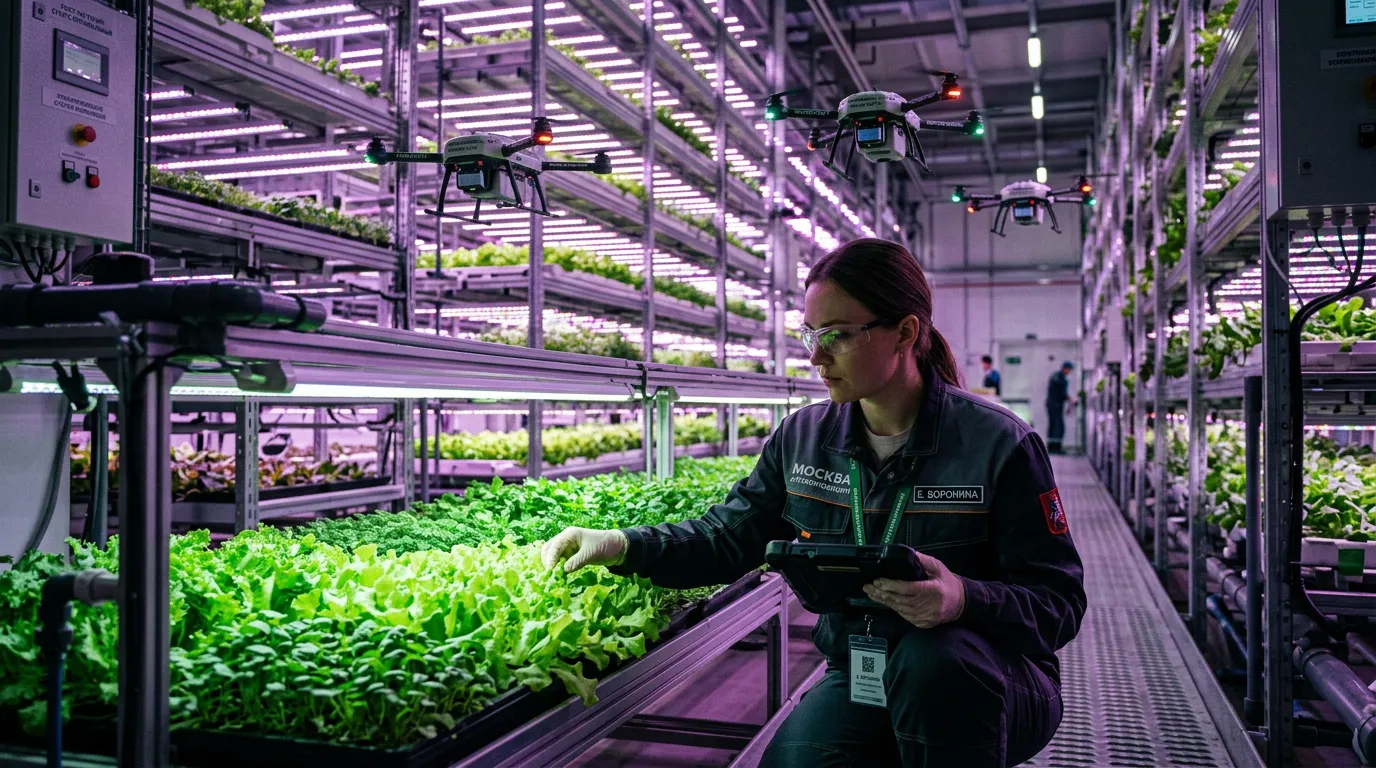
Projects developed within Moscow’s digital ecosystem are aimed at improving efficiency and reducing costs in agriculture. Producing fertilizers through wastewater treatment, accelerating breeding cycles, reducing water loss, enabling advanced veterinary monitoring and expanding smart greenhouses and urban farms all contribute to more efficient food production. In effect, these solutions address national food security challenges, particularly in northern regions where agriculture relies on high-tech systems.
Meanwhile, these digital agritech solutions have export potential. For example, the startup Greenbar, which produces city farming systems, is already operating internationally, with distributors in the United Arab Emirates, India, Qatar, Australia and the United Kingdom. This reflects strong demand for scalable, economically viable solutions, which is why Moscow has identified agriculture as a priority area within its digital industry strategy.