Moscow Is Building a Digital Future
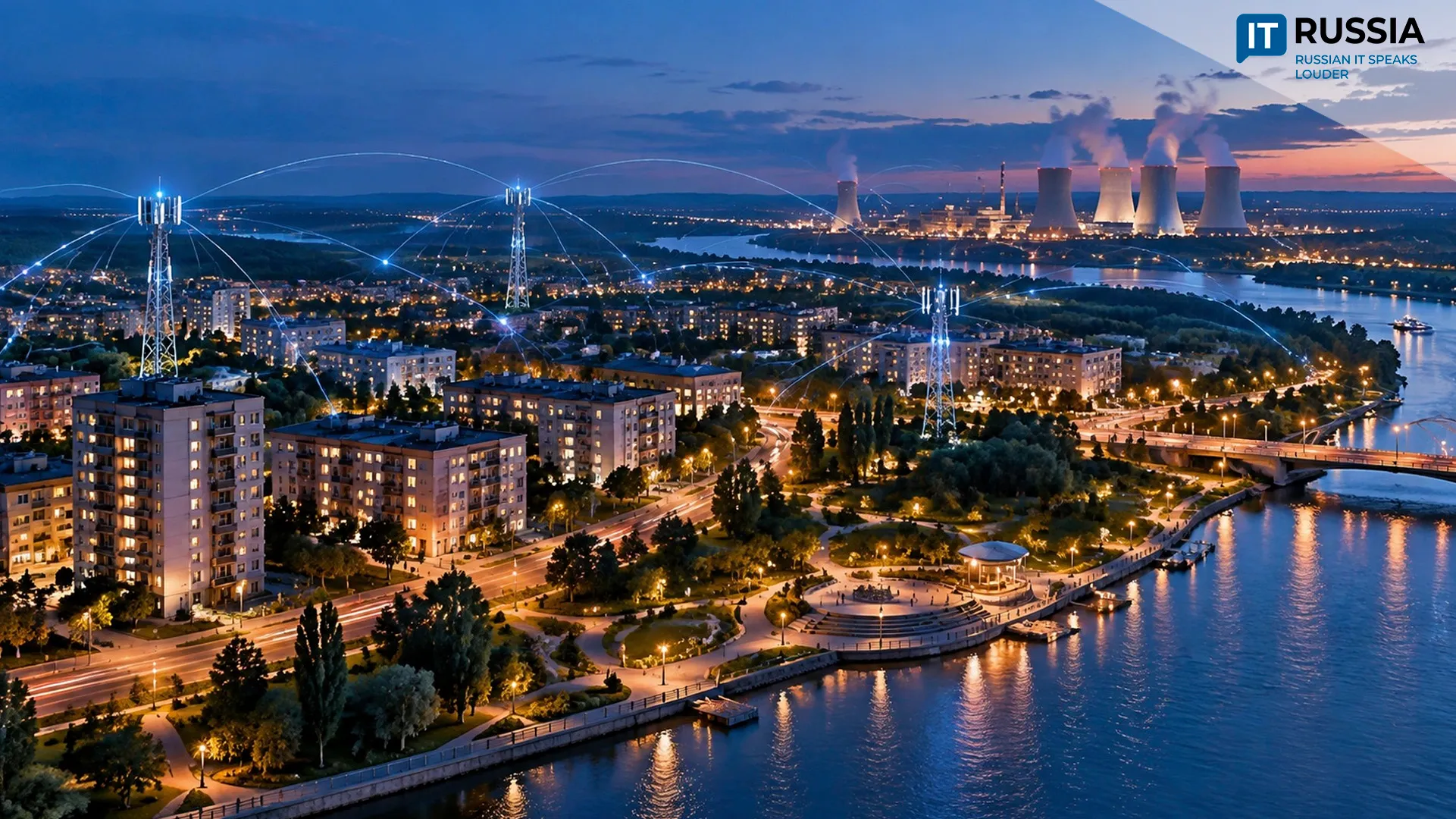
Moscow is one of the most advanced cities in deploying digital technologies for urban management. The area has implemented more than 130 AI projects, including 20 launched last year.
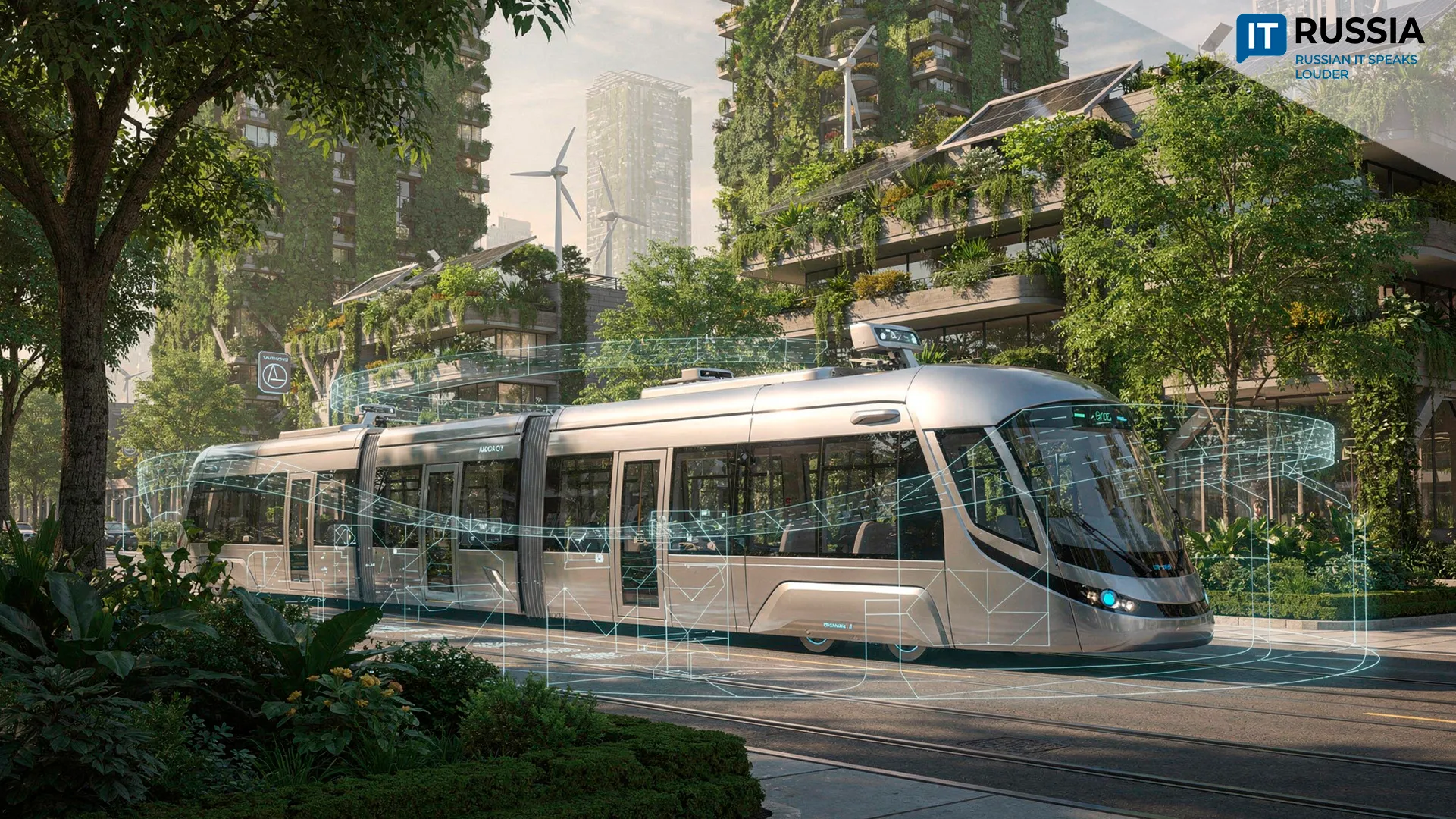
In 2025, the capital launched the world’s first autonomous tram into service. By the end of this year, it is expected to be joined by about 15 more. By 2030, roughly two-thirds of the fleet – around 350 trams – are expected to operate without drivers. By that time, similar innovations – including driverless cabins – are also planned for the metro system. Already today, passengers can rely on “Aleksandra,” a virtual assistant that provides answers to questions related to the city’s transport system.
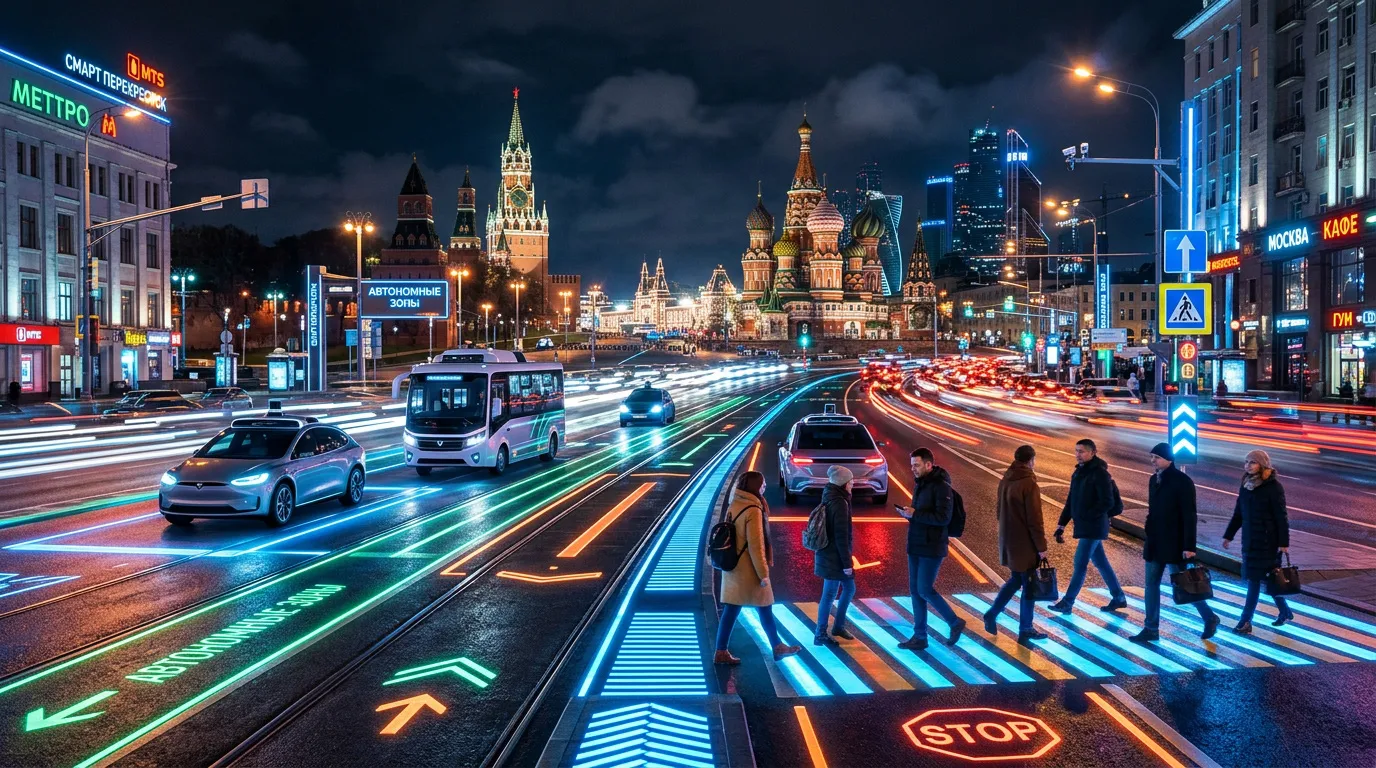
As the number of vehicles in the capital continues to grow, the network of “smart” traffic lights is also expanding – reaching up to 53,000 units – to better manage heavy traffic flows. In the near future, AI is set to take over traffic management across an entire district, starting with Tushino.
More than 270,000 surveillance cameras have been installed across Moscow. They are used not only for traffic monitoring but also for a wide range of other tasks, including maintaining cleanliness at bus stops and helping law enforcement identify suspects.
AI is also supporting architects and construction teams by helping design projects that account for complex urban factors. At the same time, AI technologies are being introduced in healthcare and education institutions.
In effect, AI is fundamentally reshaping life in the metropolis.
Moscow’s Technologies Expand Nationwide
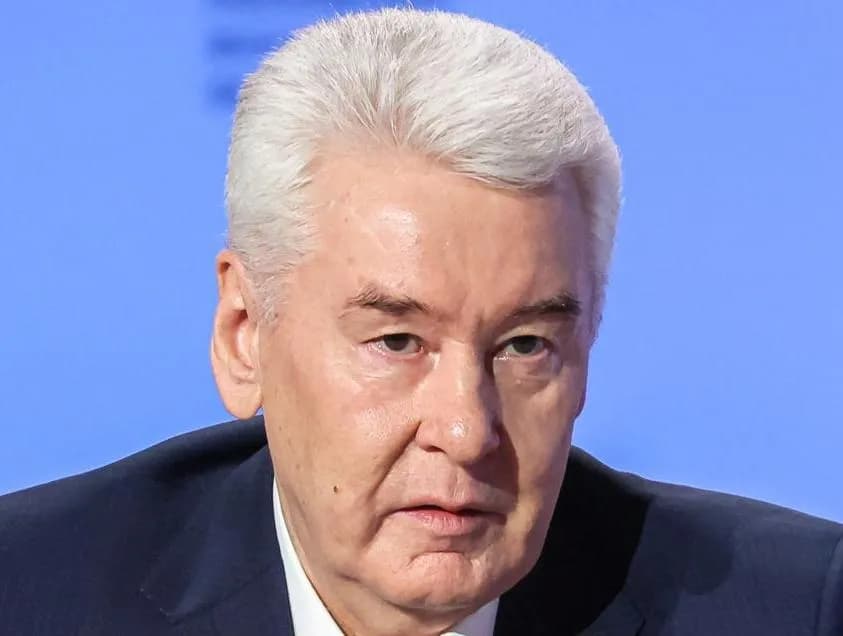
“In 2025, we significantly expanded the use of artificial intelligence across key areas of urban life – from healthcare and education to construction and transport. These initiatives improve the quality and accessibility of city services and reinforce Moscow’s position as a leader in digital transformation in Russia. As a result, the pace of AI adoption will only accelerate,” said Moscow Mayor Sergey Sobyanin.
Moscow is now sharing its digital experience with other regions. In 74 Russian regions, physicians use AI-based services developed in Moscow to support diagnosis.
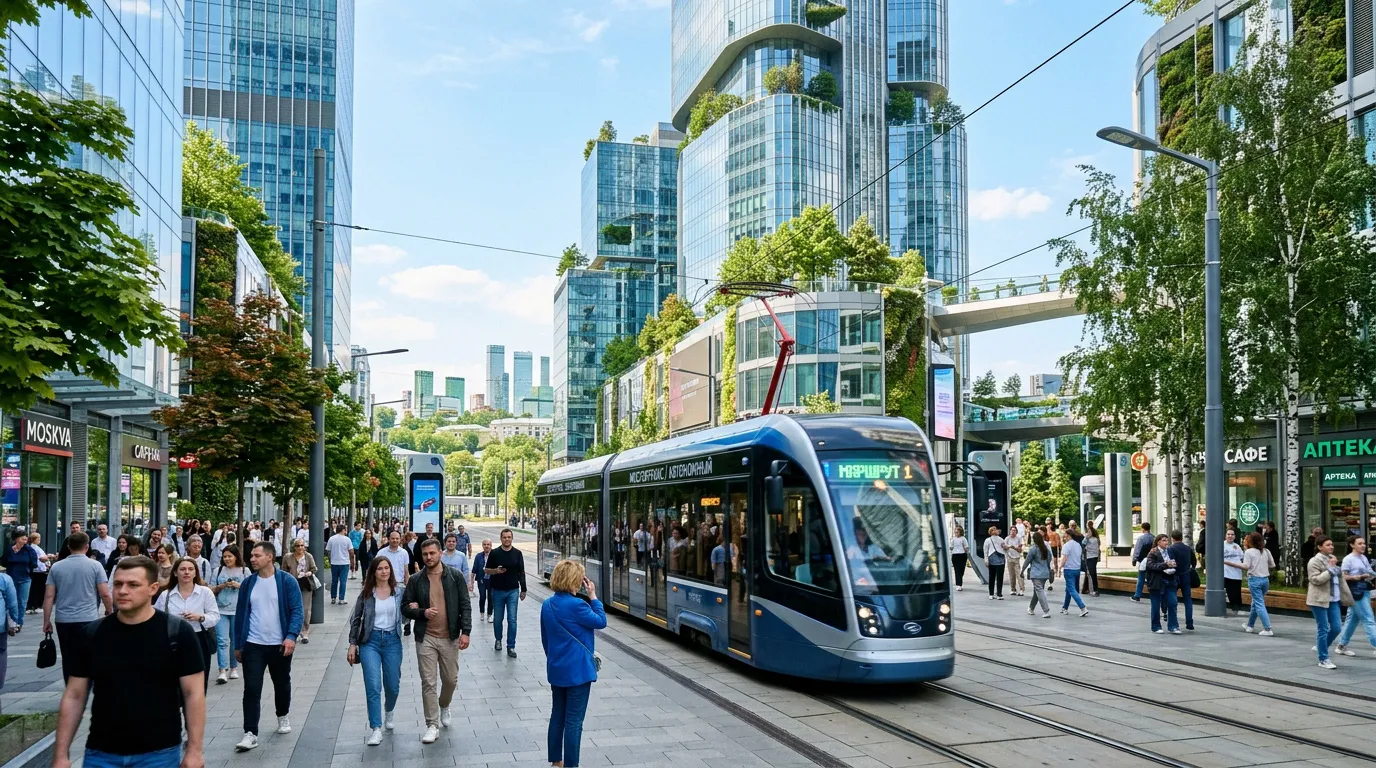
The government is taking a practical interest in artificial intelligence, creating a real market for developers. Computer vision, video analytics, transport algorithms and educational assistants are gradually being deployed across Russian cities.
“The objective for the next phase within this decade is to ensure large-scale deployment of artificial intelligence. It must extend across all sectors of the economy, the social sphere and public administration,” said Russian President Vladimir Putin.
Living Smarter and More Comfortably
According to a survey by VCIOM, 44% of Russians would like to live in a “smart city,” while 14% say they already do. AI is making urban life more convenient and efficient – from faster public transport and quicker medical diagnostics to improved safety in homes and public spaces, as well as more user-friendly digital services.
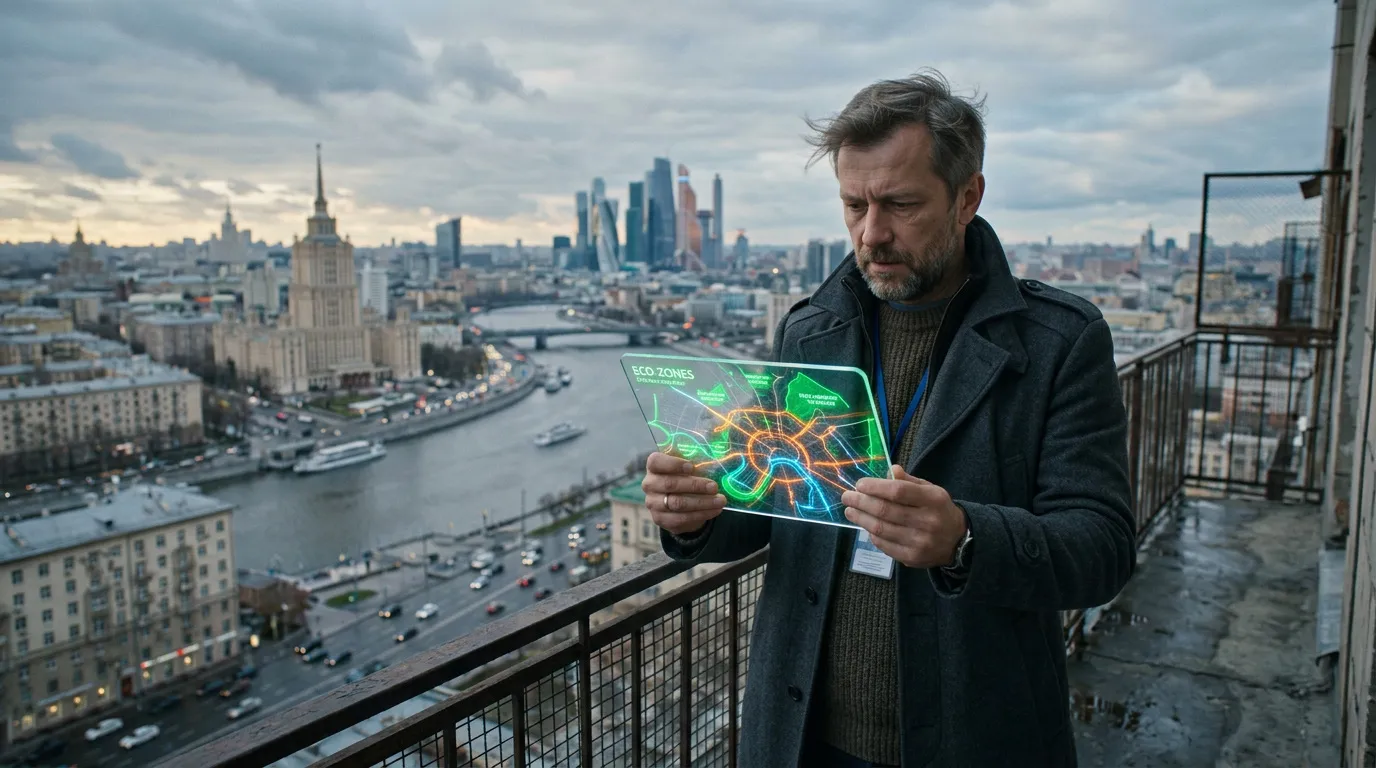
Many of these practices have already moved beyond the capital, demonstrating strong potential for replication. Moscow has built a robust digital foundation both for itself and for other regions – and continues to expand it.