Nizhnekamsk Joins the Smart City Movement
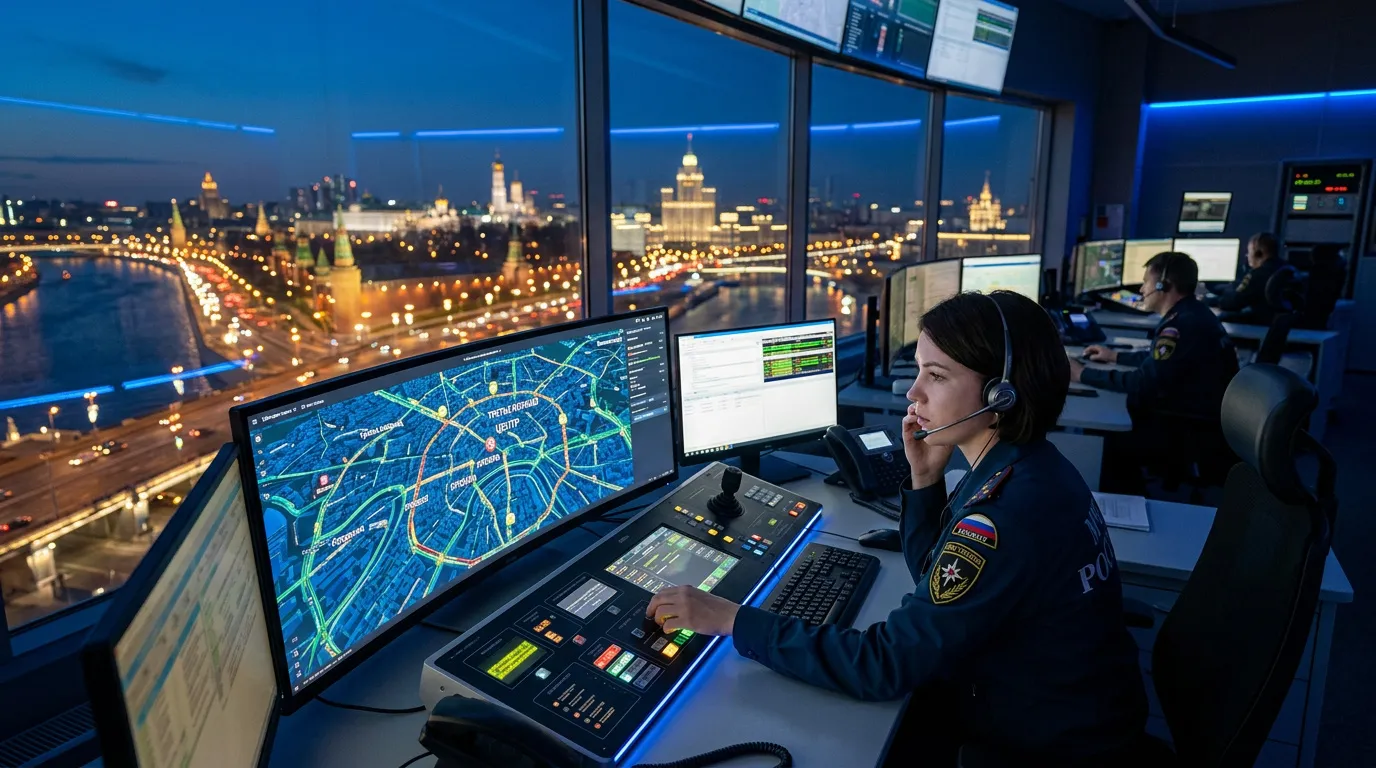
Authorities in Nizhnekamsk have launched a “Smart City” project built around a unified situational center that aggregates real-time data from cameras, intercom systems, social institutions, and industrial facilities.
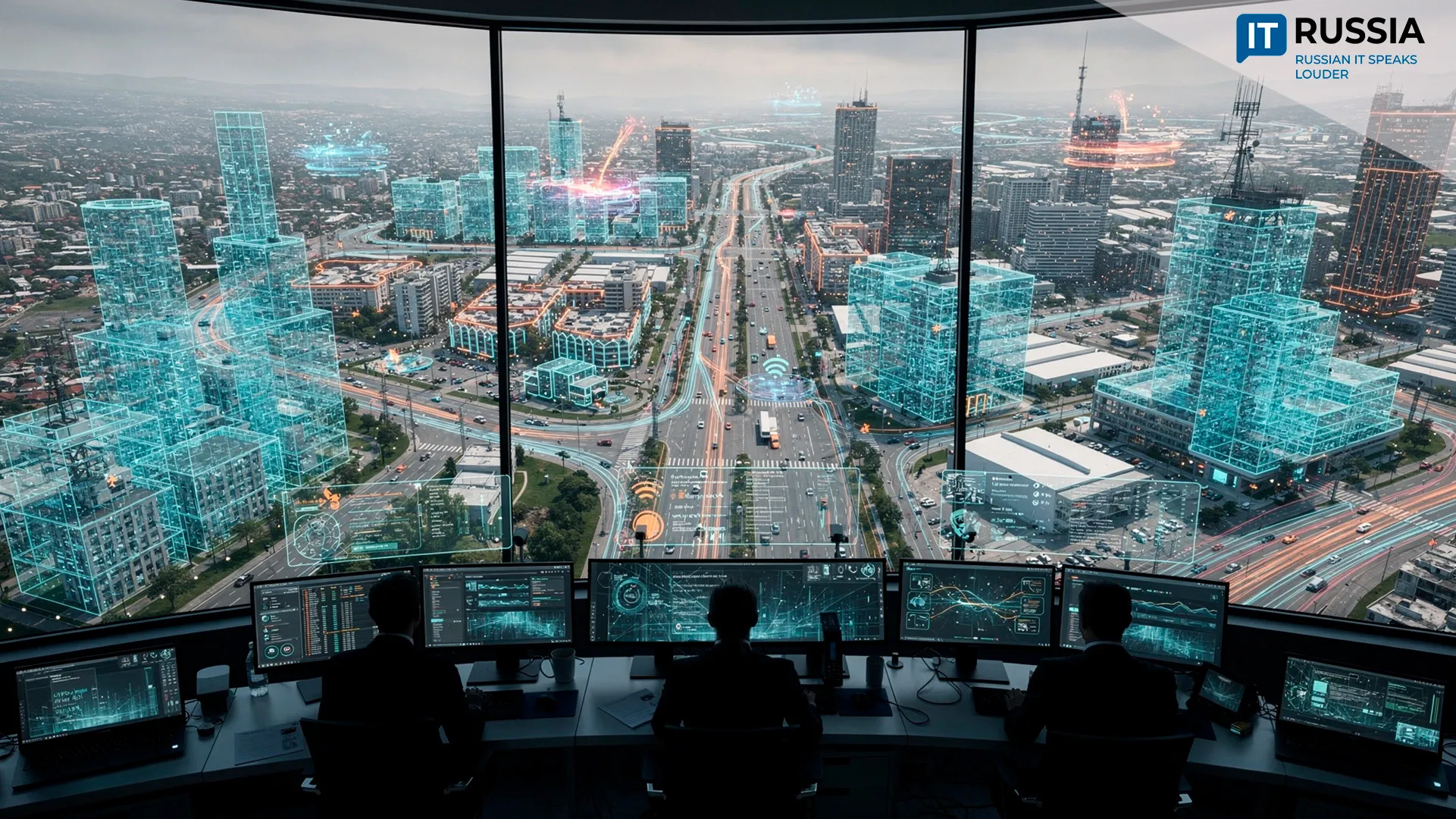
Nizhnekamsk has been integrated into the federal Umnyy gorod (Smart City) program, overseen by Russia’s Ministry of Construction. While earlier deployments often focused on isolated sectors such as utilities or transport, the approach in Tatarstan is to build a unified digital layer. The new system consolidates data from nearly all areas of urban life. According to Radmir Belyaev, head of the Nizhnekamsk district, the platform enables real-time analytics not only for housing services and transport, but also for agriculture, healthcare, birth and mortality rates, ambulance calls, medical checkups, and even marriage and divorce registrations.
The situational center is expected to reduce response times for infrastructure incidents and increase transparency in how citizen requests are handled. It also strengthens overall urban safety by giving municipal authorities a comprehensive, system-wide view of city operations.
By the end of the year, similar centers are scheduled to launch in Naberezhnye Chelny and Almetyevsk.
The City as a Unified System
Demand is growing for platforms that bring together video surveillance, transport monitoring, and environmental sensors into a single control interface. The next stage will involve expanding functionality, including connecting additional sensors, enhancing video analytics with AI-based predictive capabilities, and integrating municipal centers more deeply with regional digital platforms.
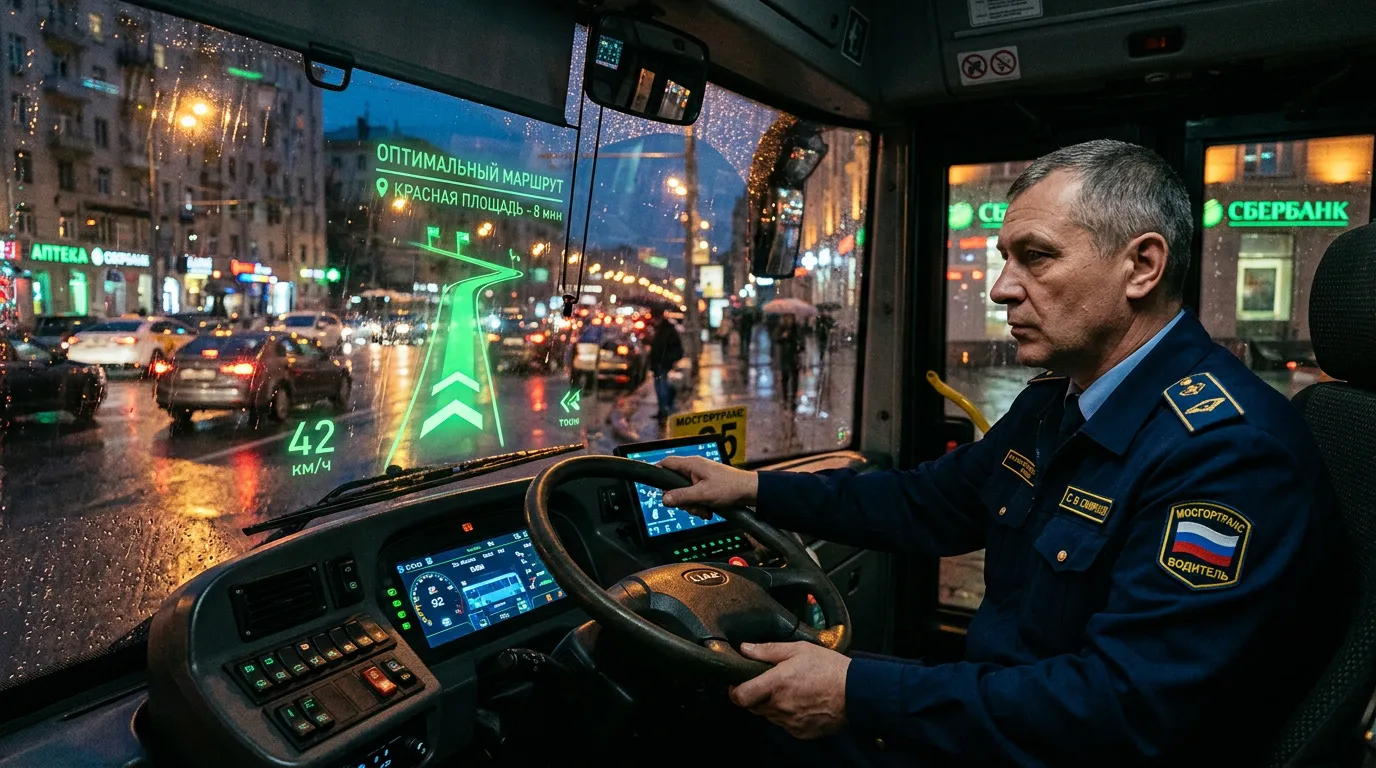
Over time, the software solution, which is expected to be tested in other Russian cities, could also attract interest in international markets seeking effective digital transformation of municipal services.
The launch of the Umnyy gorod system in Nizhnekamsk signals a shift in municipal digitalization. Rather than deploying isolated tools, Tatarstan is testing a model that treats the city as an integrated, data-driven system.
Cities Are Getting Smarter
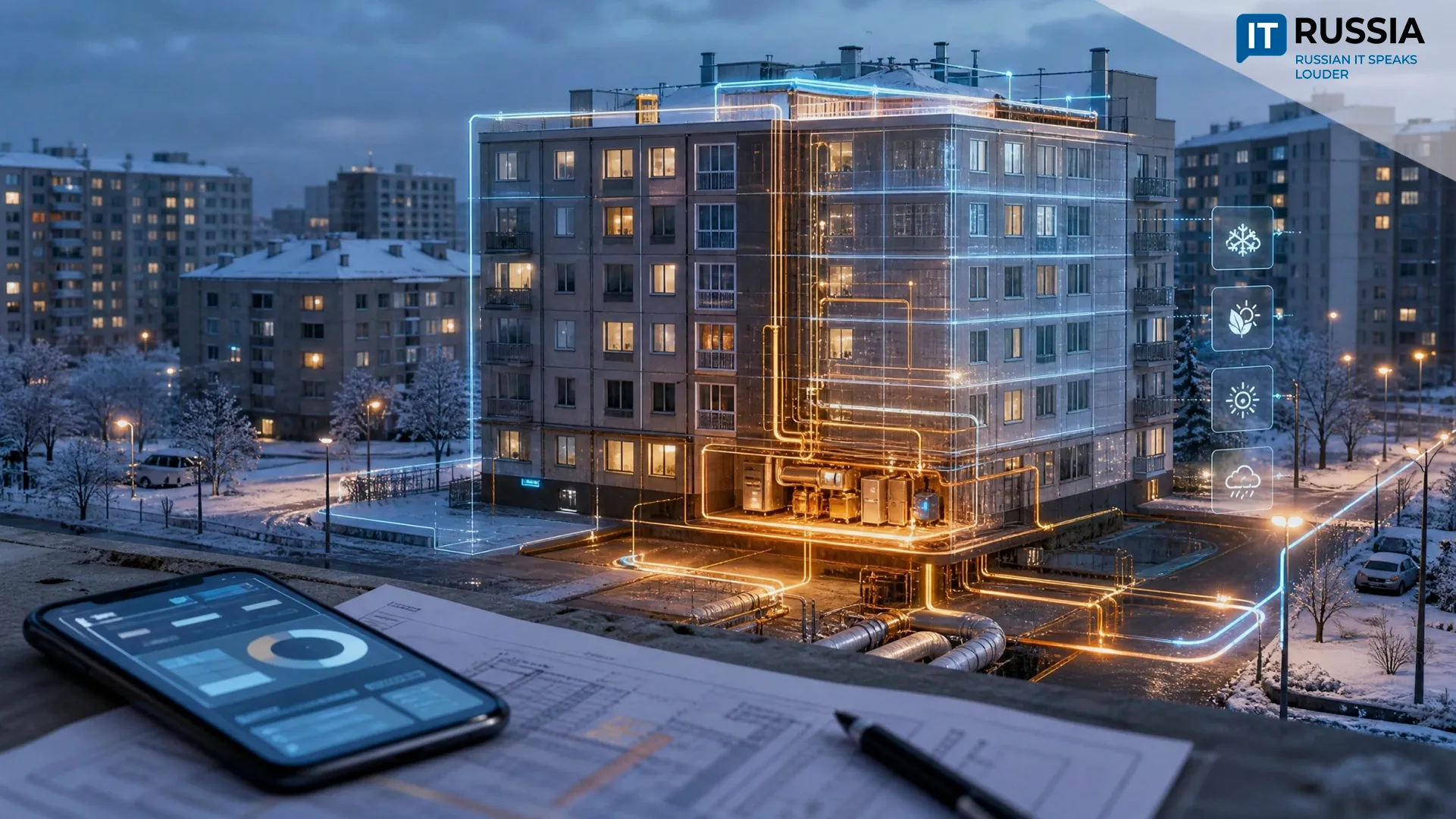
Digital maturity across Russian regions continues to grow. In 2024, the Ministry of Construction reported an 11 percent increase in the urban IQ index, with overall gains exceeding 40 percent since 2018. Major cities are leading in deploying digital twins for urban management, but smaller cities are also adopting similar approaches. For example, Novomoskovsk in the Tula region manages its urban systems through a unified platform that integrates data from utilities, public safety, and transport.
Rosatom is also expanding its smart city solutions. The corporation continues to upgrade its platforms with AI capabilities and stronger integration features. Its digital projects now span more than 200 cities across 15 regions.
Russia’s approach to digital urban management is keeping pace with global trends. International examples include the Smart City Command Center in Indonesia’s Deltamas industrial zone, where more than 205 companies operate. AI-driven systems there support predictive analytics, threat detection, and traffic management.