Rosel Strengthens Cybersecurity of the AYYA T1 Trust Phone With Aurora OS Update
Rosel Holding, part of the Rostec State Corporation, has updated the Aurora operating system to strengthen data protection. More than 3,000 changes were introduced in version 5.2 for the AYYA T1 trust phone.
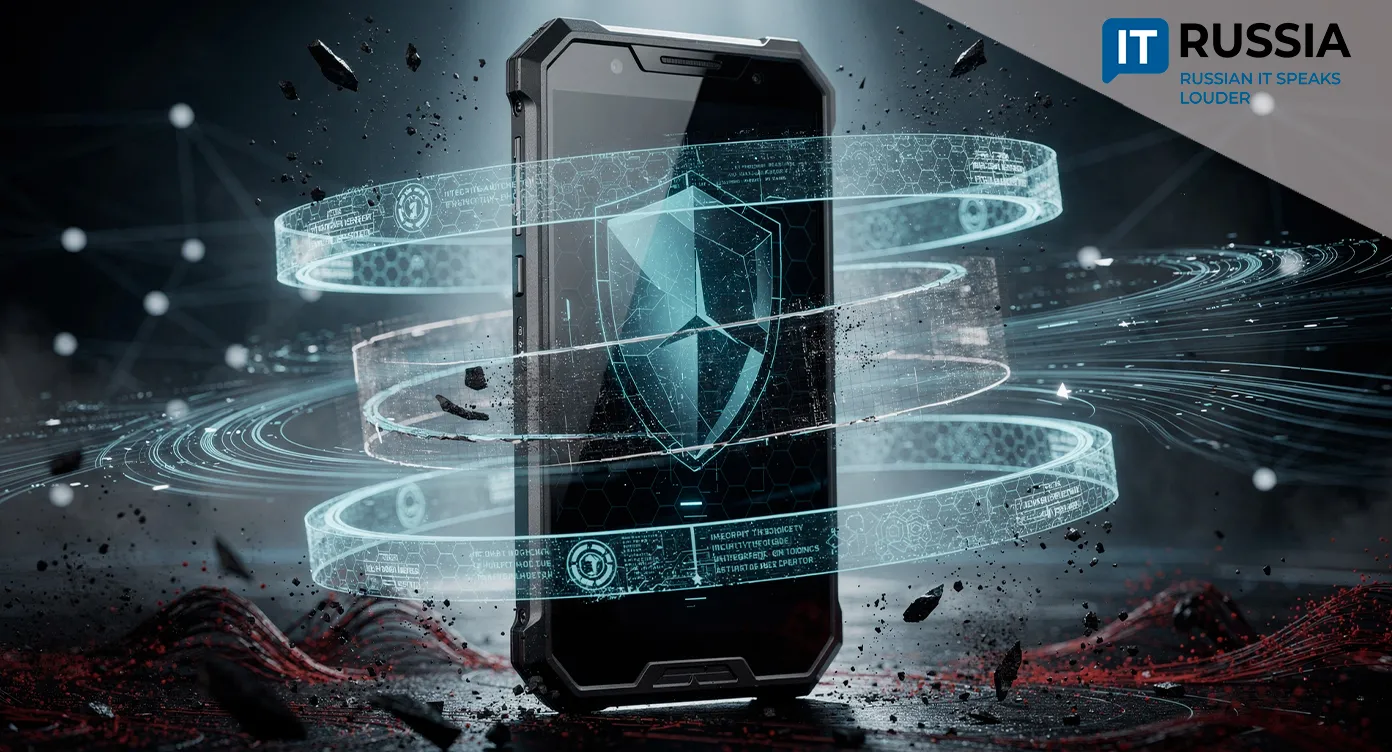
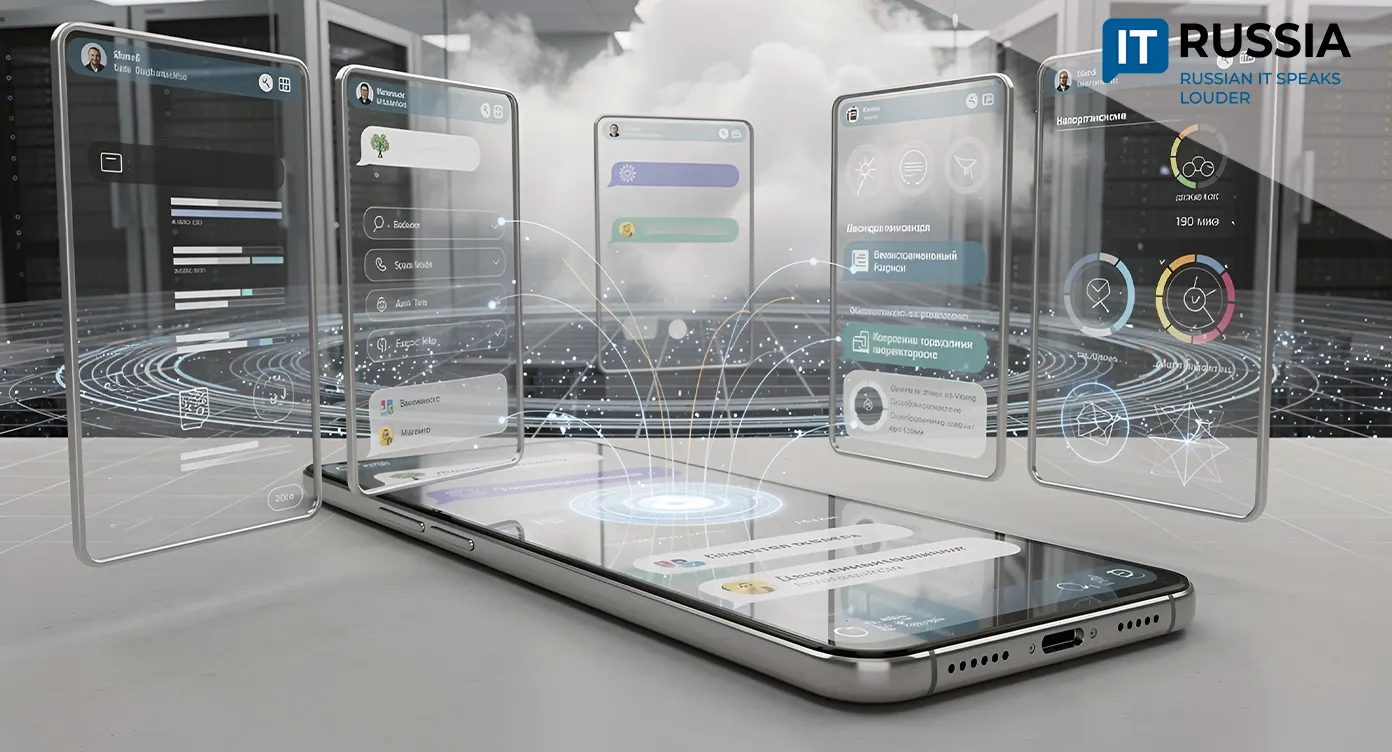
The AYYA T1 is a secure smartphone developed by the Mashtab Research Institute of the Avtomatika Concern. It features hardware kill switches for cameras and microphones to prevent unauthorized data collection. The updated operating system introduces trusted software sources that allow installation only of cryptographically verified applications, a local attestation mechanism for checking system integrity before granting access to confidential information, and an enhanced trusted-environment model. Integration with Russian cryptographic standards has also been strengthened, including GOST-34.10-2018 and HMAC-SHA256 support in Aurora Keystore.
Reducing Dependence on Android and iOS
The Aurora update is a significant event for Russia’s corporate and government IT market, particularly for sectors with elevated security requirements. Those include government agencies, state corporations, critical information infrastructure (CII), healthcare, transportation, and energy. Rosel’s work points to the continued development of a protected mobile ecosystem that extends beyond hardware to include the operating system itself, MDM infrastructure, cryptography, integrity controls, and trusted applications.
According to CNews, citing Russia’s Ministry of Industry and Trade, government agencies will require more than 1.2 million devices running Russian operating systems over the next three years. The Aurora OS update for the AYYA T1 represents another step toward technological sovereignty by reducing dependence on Android and iOS in critical sectors.
Aurora has been certified by FSTEC under certificate No. 4220, valid through 2030, for use in geoinformation systems (GIS), personal-data information systems, industrial process control systems, and first-level critical information infrastructure. More broadly, the Russian approach could attract interest from countries seeking sovereign digital platforms for public administration.
An Element of Closed Security Systems
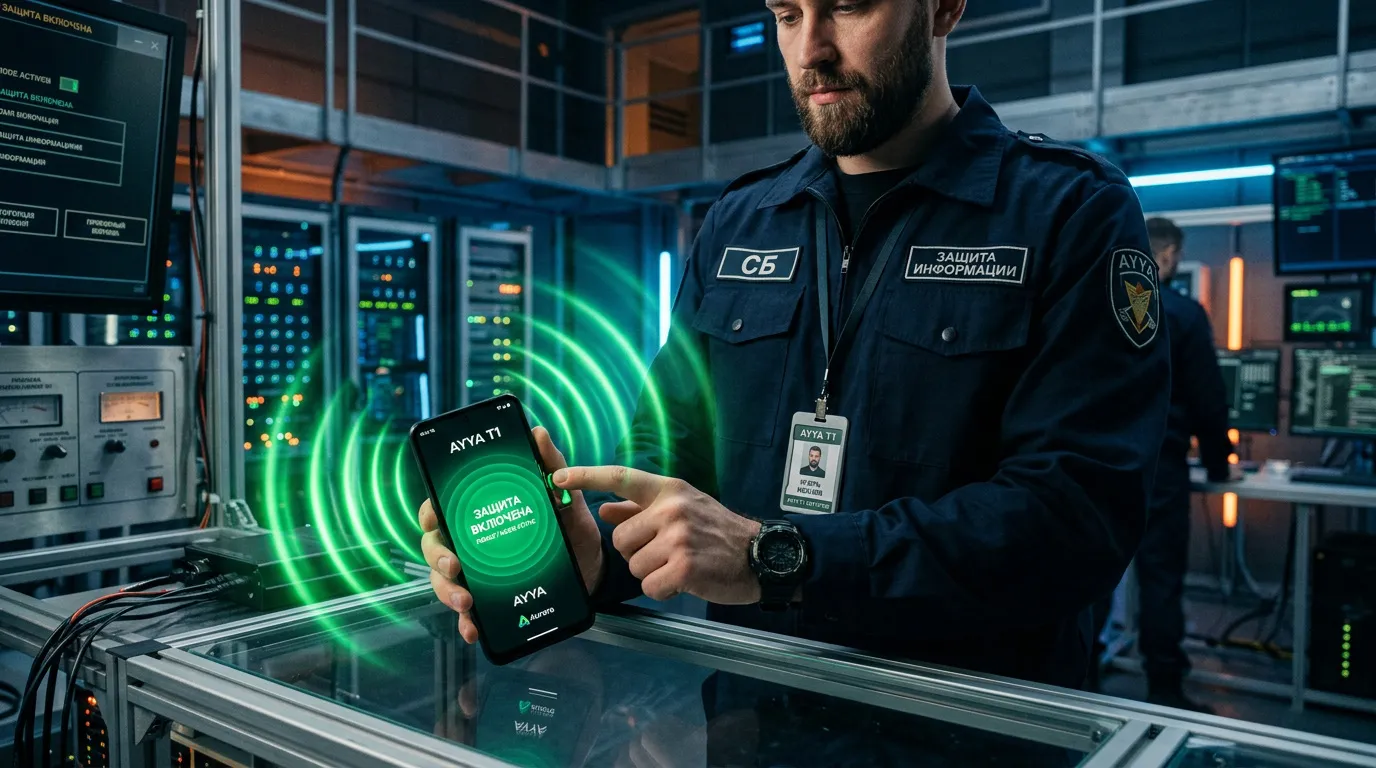
Sales of Aurora-based devices and the AYYA T1 are aimed primarily at government institutions and large corporations rather than individual consumers. Secure mobile devices are needed by officials, healthcare workers, and industrial employees handling sensitive data. Demand has also been supported by the expansion of the device lineup and the launch in 2024 of a domestic smartphone assembly line in Russia.
The export potential remains limited, although sales are possible in countries seeking greater independence from Google mobile services. International expansion is constrained by local certification requirements and the lack of overseas support infrastructure. The smartphone is therefore more likely to be used not as a mass-market device, but as part of closed security systems for foreign government organizations.
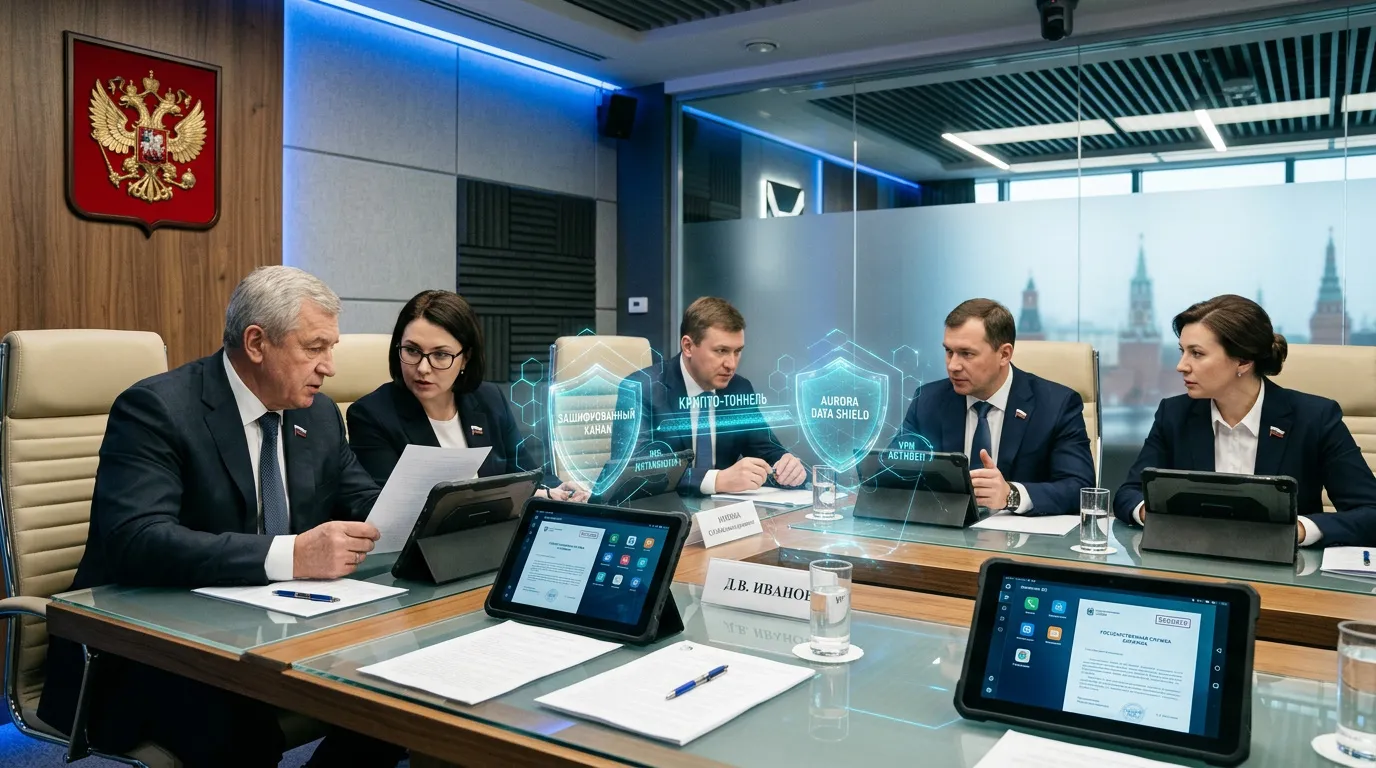
Mobile Devices for Different Security Scenarios
Rostec first introduced the Aurora-based AYYA T1 secure smartphone in 2022. By 2024, assembly had been established at Rostelecom facilities to strengthen control over the production chain. In 2024, the Russian government planned procurement of more than one million devices for key ministries through 2030, with a budget of 50 billion rubles (about $640 million). That move cemented Aurora’s status as the primary mobile platform for government use.
In 2024, government agencies required roughly 1.2 million devices running domestic operating systems, while annual production capacity stood at around one million units. The extension of Aurora’s FSTEC certification through 2030 reaffirmed its authorization for use in critical systems and government institutions. A broader market of trusted mobile devices is now forming around the platform. For example, the Dialog-S smartphone running Aurora 5.2 has been certified by the FSB for operation even in restricted-access facilities. Russia is effectively building an entire class of trusted mobile devices designed for different operational scenarios.
Secure mobile platforms are gaining popularity globally as well. One example is GrapheneOS, a mobile operating system based on AOSP, the open-source Android project, with a focus on security and privacy. Another example is Samsung, which continues to expand its Knox platform and regularly reports certification of its components under international Common Criteria security standards. The smartphone is increasingly becoming part of protected corporate infrastructure.
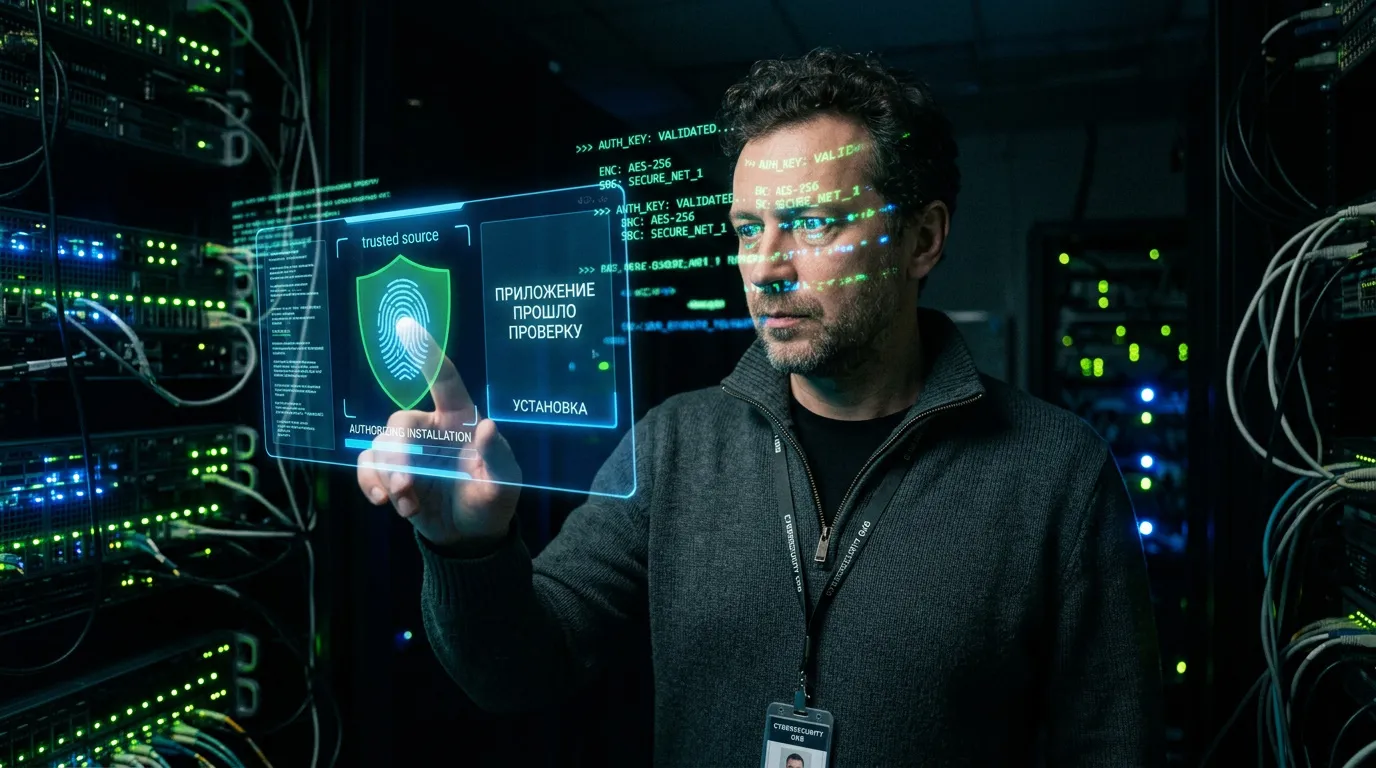
Growing Adoption in the Government Sector
The Aurora 5.2 update for the AYYA T1 illustrates the continued evolution of Russia’s domestic security platform. Beyond hardware-based camera shutdown capabilities, the system’s value comes from cryptographic protection, application control, and remote-management tools. The device is designed to create a protected environment for working with sensitive data.
According to current forecasts, the smartphone will see growing demand in the government sector and critical industries over the next two years. At the same time, risks remain. Those include a limited application ecosystem and the slow adaptation of corporate software. Export opportunities are more likely to emerge through turnkey security solutions rather than as standalone consumer hardware.