Russian Agronomists Turn to AI as a Practical Assistant
To improve production efficiency, Russian crop growers are increasingly adopting artificial intelligence and AI-based systems.
Neural Networks for Modern Agriculture
AI assistants are autonomous systems built on artificial intelligence that can perceive their environment, analyze information, and support decision-making. Their use in crop production is pushing the effectiveness of Russian agronomists’ work to a fundamentally new level.
These technologies are proving especially effective in precision agriculture – analyzing large volumes of agronomic and climate data, monitoring crop and soil conditions, forecasting yields, and assessing profitability.
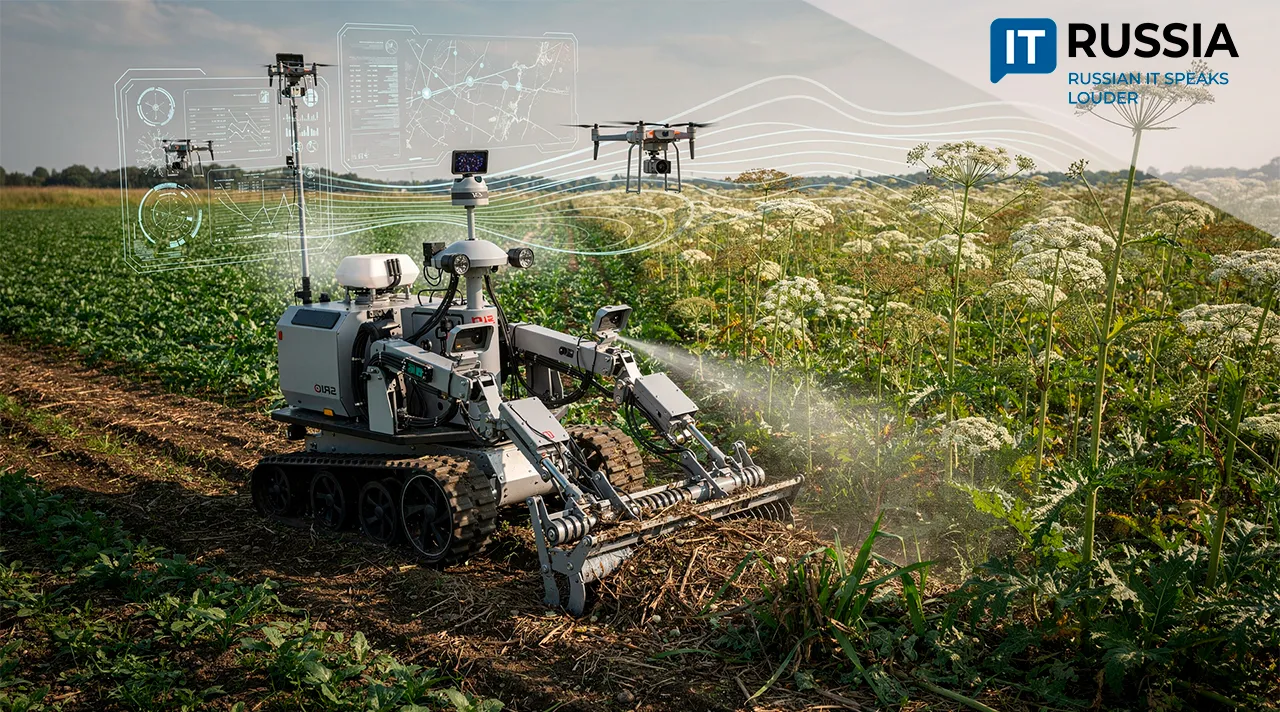
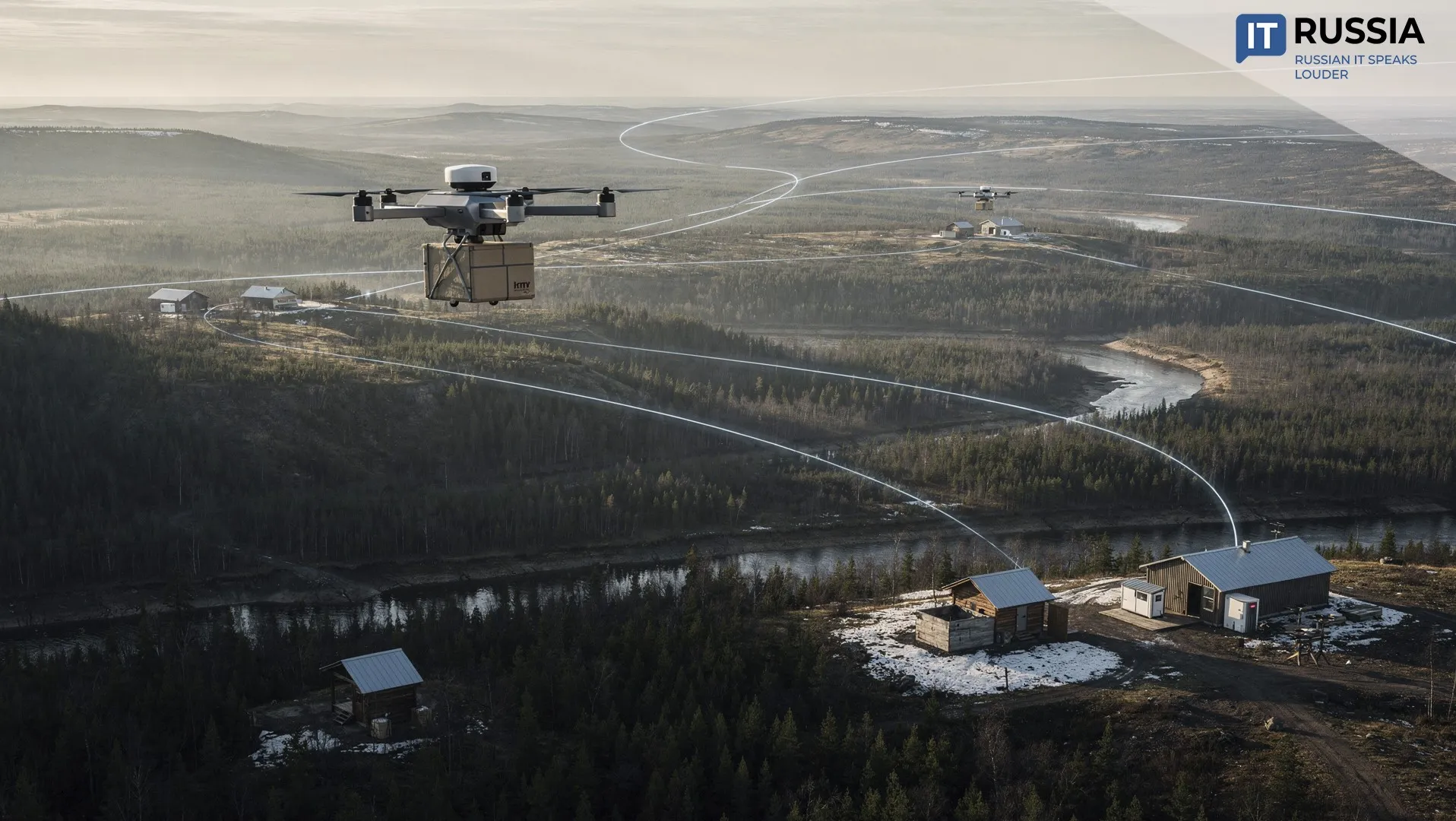
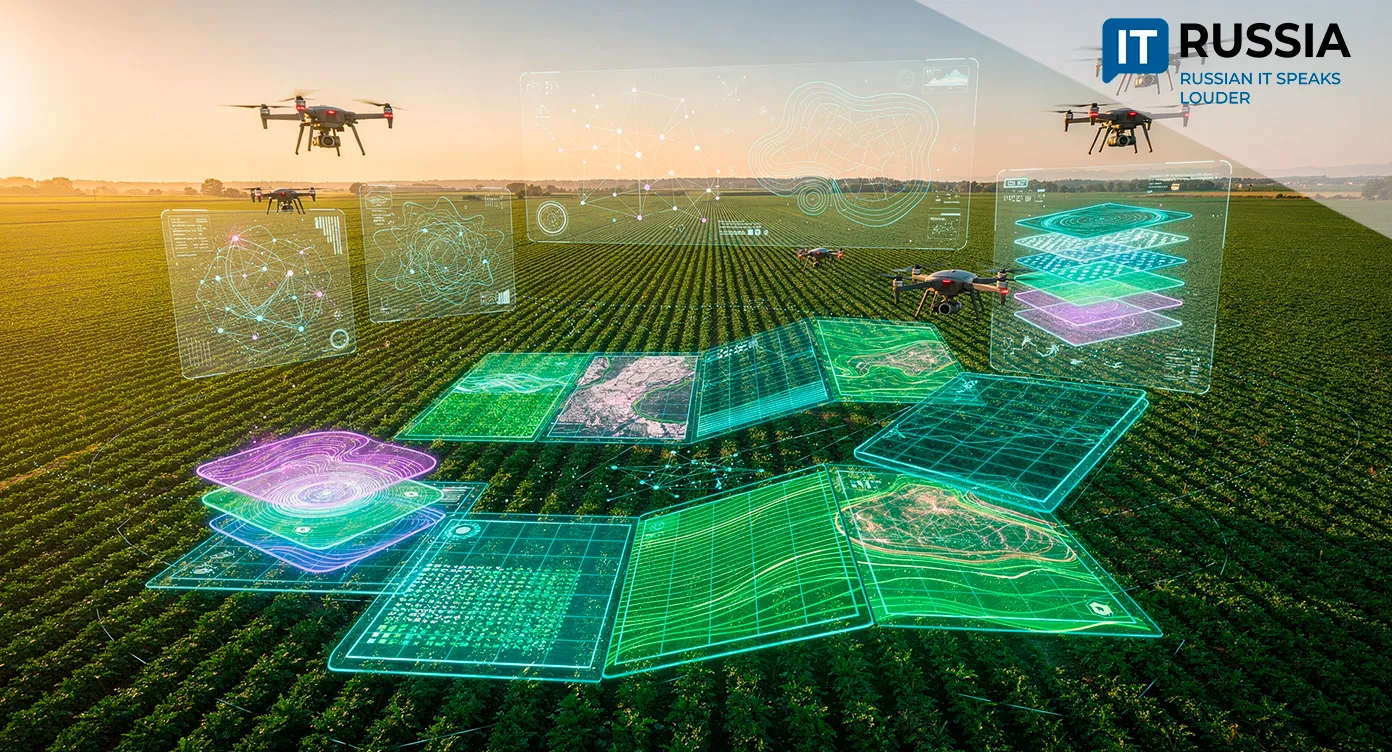
Computer vision technologies are widely used for monitoring. They analyze images and detect deviations from normal conditions. Drones equipped with machine learning algorithms capture images of fields, while AI-based models process this data and provide agronomists with actionable insights into field conditions.
In addition, machine learning models process data from other sources, including weather sensors and Earth remote sensing data – vegetation indices, soil condition metrics, and related parameters. Based on this information, the models generate recommendations for specific technological and agronomic operations.
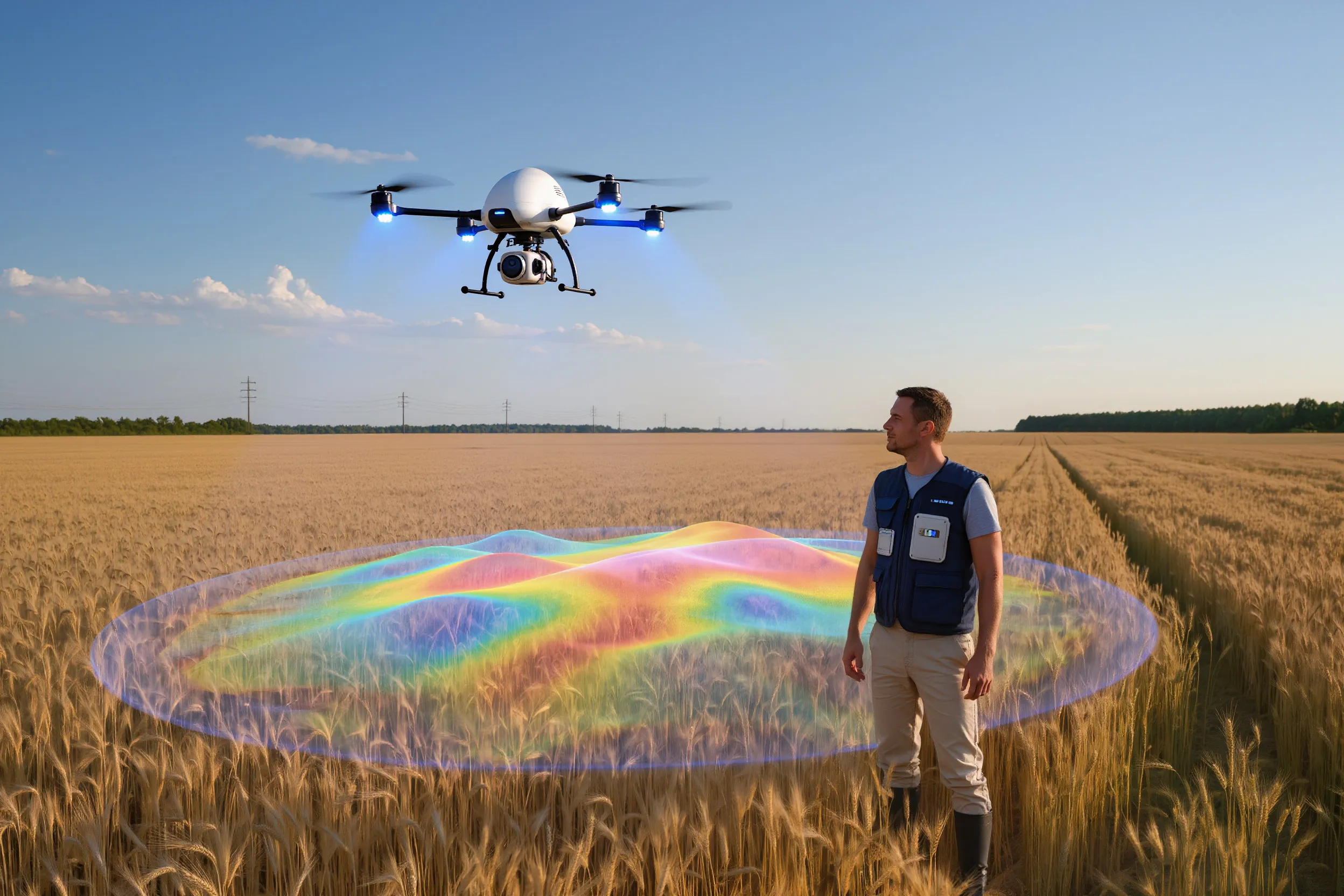
AI assistants provide access to analytics and present information in the form of structured summaries and analytical commentary. As a result, AI models generate forecasts for crop yields and ripening timelines, factoring in soil type, variety or hybrid, weather conditions, and the actual condition of crops.
Smart AI Assistants for Russian Agronomists
AI assistants help agronomists make informed agronomic decisions. Their core value lies in the ability to instantly process massive datasets and present results in formats agronomists can easily use – fertility zone maps, vegetation indices, and task maps.


Several specialized platforms for agronomists have been developed in Russia. AssistAgro by Geomir Group integrates more than 15 AI models. It includes a recommendation system for herbicide application, models for assessing crop conditions and yield structure that reduce the need for time-consuming field inspections, and an automated yield forecasting tool. The model incorporates satellite monitoring, meteorological data, and regional specifics.
The Tochniye Polya platform by Agronaut uses a neural network model to automatically select suitable satellite imagery.
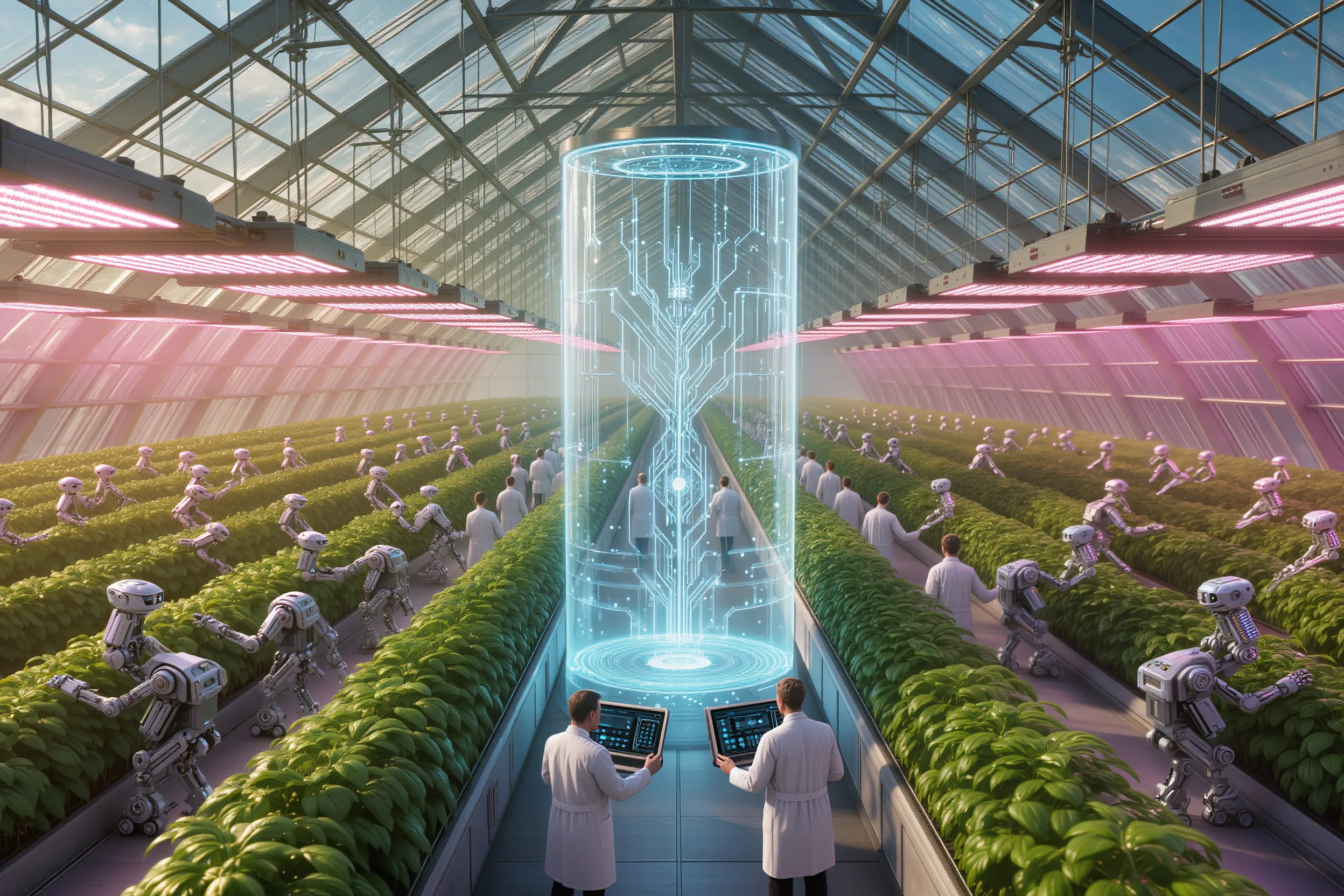
“Analysis of long-term Earth remote sensing data provides a great deal of agronomically valuable information – insights into current soil conditions, fertility levels, and land-use history,” said Alexey Trubnikov, CEO and co-founder of Agronaut. “Satellite images selected by neural networks form the basis for fertility maps, which are then used to generate task maps for machinery, with specific fertilizer or seed rates assigned to each intra-field zone.”
An electronic atlas characterizing soil cover is also being developed. This tool supports decision-making by transforming image archives into a resource for increasing crop yields.
AgroMon by Agro Software is a corporate information system for crop production that provides field monitoring, work planning, analytics, and communication for agricultural enterprises. The software combines a web interface and mobile applications, enabling data collection and processing, field monitoring, operational planning, analytics, and documentation of inspections with geolocation and photographic evidence.

A National AI-Based Digital Platform
By the end of 2026, Russia plans to launch a Unified Digital Platform for the country’s agro-industrial and fisheries sectors. The platform will feature a single entry point and unified interface for all information systems operated by the Ministry of Agriculture and will rely on AI technologies. The initiative was mandated in late 2025 by Russian Prime Minister Mikhail Mishustin.
The platform is expected to leverage a full range of modern technologies, including artificial intelligence – machine learning and computer vision – cloud computing, distributed ledger technologies, the Internet of Things, Earth remote sensing, and big data analytics.
According to expert assessments, AI assistants have the potential to radically transform 21st-century crop production, enabling agricultural operations to be organized in line with Industry 4.0 principles. Once adapted for international markets, these platforms could become export-ready products, particularly in CIS countries and the Global South, where ensuring food security is a strategic priority.